
Are you thinking about building a dog crate but don’t know where to start? Creating a safe, comfortable space for your furry friend is easier than you might think.
With the right tools and simple steps, you can build a crate that fits your dog perfectly and matches your home’s style. In this guide, you’ll discover practical tips and tricks that make the process smooth and enjoyable. Keep reading, and you’ll have a sturdy dog crate ready before you know it—your pet will thank you!
Choosing The Right Materials
Choosing the right materials is the backbone of building a sturdy and safe dog crate. Your choice affects durability, comfort, and even how easy it is to clean the crate. Picking poor materials might mean rebuilding sooner than you’d like or risking your pet’s safety.
Selecting Wood Types
Not all wood is created equal. You want wood that is strong but also safe for your dog to be around. Pine is budget-friendly and easy to work with, but it can be soft and prone to dents. Oak or maple offer better durability but may require more effort to cut and sand.
Think about how your dog behaves. If your dog likes to chew, harder wood can withstand damage better. Also, consider untreated or pet-safe finishes to avoid harmful chemicals. Have you checked if the wood has splinters or knots that could hurt your dog?
Essential Tools And Hardware
Using the right tools can save you frustration and make your crate stronger. A drill, screwdriver, saw, measuring tape, and sandpaper are essentials. You’ll also need hardware like screws, hinges, and latches that can stand up to daily use.
Look for rust-resistant screws and durable hinges to keep the crate secure over time. A good latch is crucial—your dog’s safety depends on it. Have you tested the latch mechanism to make sure it’s easy for you to open but impossible for your dog to escape?
Safety Considerations
Safety isn’t just about strength; it’s about preventing injuries. Avoid sharp edges by sanding all surfaces smooth. Make sure there are no gaps where your dog’s paws or nose can get stuck.
Choose non-toxic paints or finishes that won’t harm your pet if they lick or chew the crate. Consider ventilation too—your dog needs fresh air without drafts. Do you feel confident your materials will keep your dog both safe and comfortable?
Planning Your Crate Design
Designing a dog crate begins with measuring your pet to ensure enough space. Choose materials that offer strength and comfort for your dog’s needs. Consider ventilation and ease of cleaning to create a safe, cozy environment.
Planning Your Crate Design Creating a dog crate requires thoughtful planning. The design should prioritize your dog’s comfort and safety. It’s essential to make informed decisions about size, style, and features. Let’s explore how to plan an effective crate design.Measuring Your Dog
Start by measuring your dog’s length from nose to tail. Then, measure the height from paws to head. This ensures the crate is spacious for movement. Use a tape measure for accuracy. Record these measurements for reference.Deciding On Crate Size
Choose a crate that allows your dog to stand and turn. The crate should offer enough room to stretch comfortably. Avoid choosing a crate that’s too large. Too much space can make your dog feel insecure. Use your measurements as a guide.Design Styles And Features
Think about the style that suits your home. Wooden crates blend well with furniture. Wire crates offer better ventilation. Consider adding features like removable trays for easy cleaning. Doors with secure locks enhance safety. Choose materials that are durable and pet-friendly.Cutting And Preparing Wood Pieces
Cutting and preparing wood pieces is a crucial stage in building your dog crate. Accuracy here ensures a sturdy, safe, and comfortable space for your pet. Taking your time to measure, cut, and finish each piece properly can save you from headaches later during assembly.
Marking Measurements
Start by carefully marking the wood according to your crate’s design. Use a tape measure and pencil for clear, precise lines. Double-check each measurement before marking to avoid mistakes that can waste material or cause misalignment.
Consider marking all pieces at once on the wood sheet to keep consistency. If you’re building a crate for a larger dog, extra attention to the height and width measurements will make a big difference in comfort. Have you ever cut a piece twice because of a wrong mark? Avoid that by taking your time here.
Cutting Panels And Frames
Use a saw suitable for your wood type—circular saws work well for straight cuts on plywood, while handsaws can be handy for smaller pieces. Cut slowly and steadily to keep edges straight and reduce splinters. If you’re new to saws, practice on scrap wood first to gain confidence.
Lay your wood on a stable surface and secure it with clamps. This prevents movement and ensures safer cutting. Remember, sharp blades make cleaner cuts—dull tools can cause rough edges and increase the risk of accidents.
Sanding And Smoothing Edges
After cutting, sand every edge to remove splinters and rough spots. Start with medium-grit sandpaper, then finish with fine-grit for a smooth surface. This step is vital for your dog’s safety, preventing scratches and injuries inside the crate.
Don’t rush this part—smooth edges not only look better but also make the crate easier to clean. You might find that sanding takes more time than cutting, but your dog will thank you for it. Have you checked how smooth your wood pieces feel before assembly?
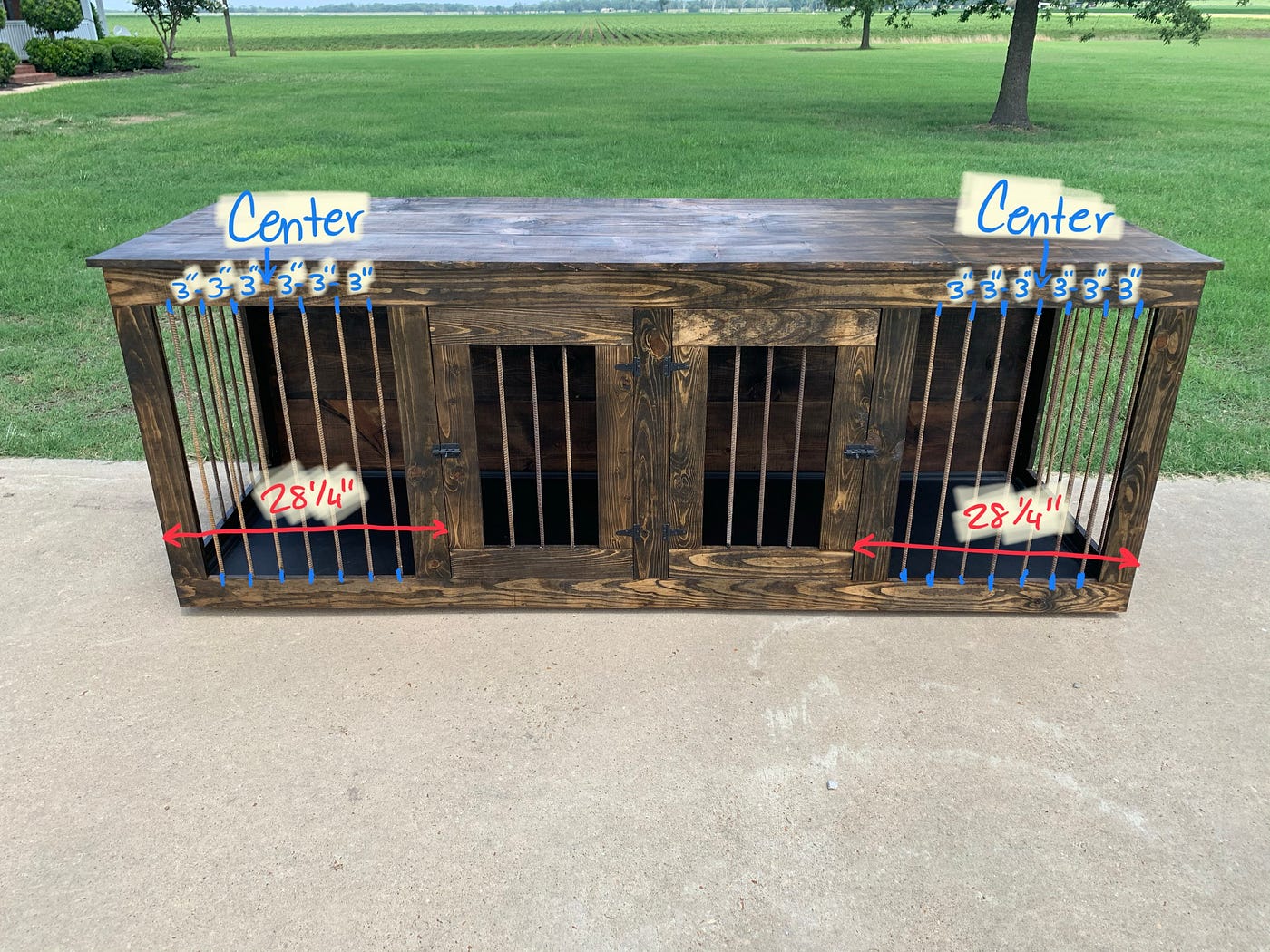
Credit: gagejohnson19.medium.com
Assembling The Crate Frame
Assembling the crate frame is the key part of building a sturdy dog crate. This step creates the basic shape and support. The frame must be strong and stable for safety and comfort. Follow clear steps to join panels, add doors, and secure the structure well.
Joining Panels Together
Start by aligning the crate panels carefully. Use screws or bolts to connect the edges tightly. Drill pilot holes to avoid wood splitting. Make sure corners form perfect right angles. Check that all panels sit flush with each other. This creates a solid frame without gaps.
Adding Doors And Hinges
Position the door panel on the front side of the crate. Attach hinges using screws on one vertical edge. Ensure the door swings open smoothly without rubbing. Add a latch or lock mechanism to keep the door secure. Test the door several times to confirm easy operation. The door must be strong to prevent your dog from escaping.
Securing The Structure
Reinforce the crate corners with metal brackets or wood blocks. Tighten all screws and bolts firmly. Sand any rough edges to avoid splinters. Check the entire frame for wobbling or loose parts. Place the crate on a flat surface to test stability. A well-secured frame lasts longer and keeps your dog safe.
Finishing Touches
Finishing touches make your dog crate safe and cozy. They protect the wood and create a comfy space for your dog. This step ensures durability and comfort. Let’s explore key finishing details.
Applying Paint Or Stain
Choose a non-toxic paint or stain safe for pets. Apply evenly with a brush or cloth. Let it dry completely before use. This protects the wood from moisture and wear. It also gives the crate a polished look.
Adding Comfortable Bedding
Pick soft bedding that fits inside the crate well. Use washable materials for easy cleaning. Place a cushion, blanket, or dog bed for warmth and comfort. A cozy bed helps your dog feel secure and relaxed.
Installing Ventilation
Proper airflow prevents overheating and keeps the crate fresh. Cut vents or small windows on the sides or back. Cover openings with mesh to keep bugs out. Good ventilation improves air quality and your dog’s comfort.
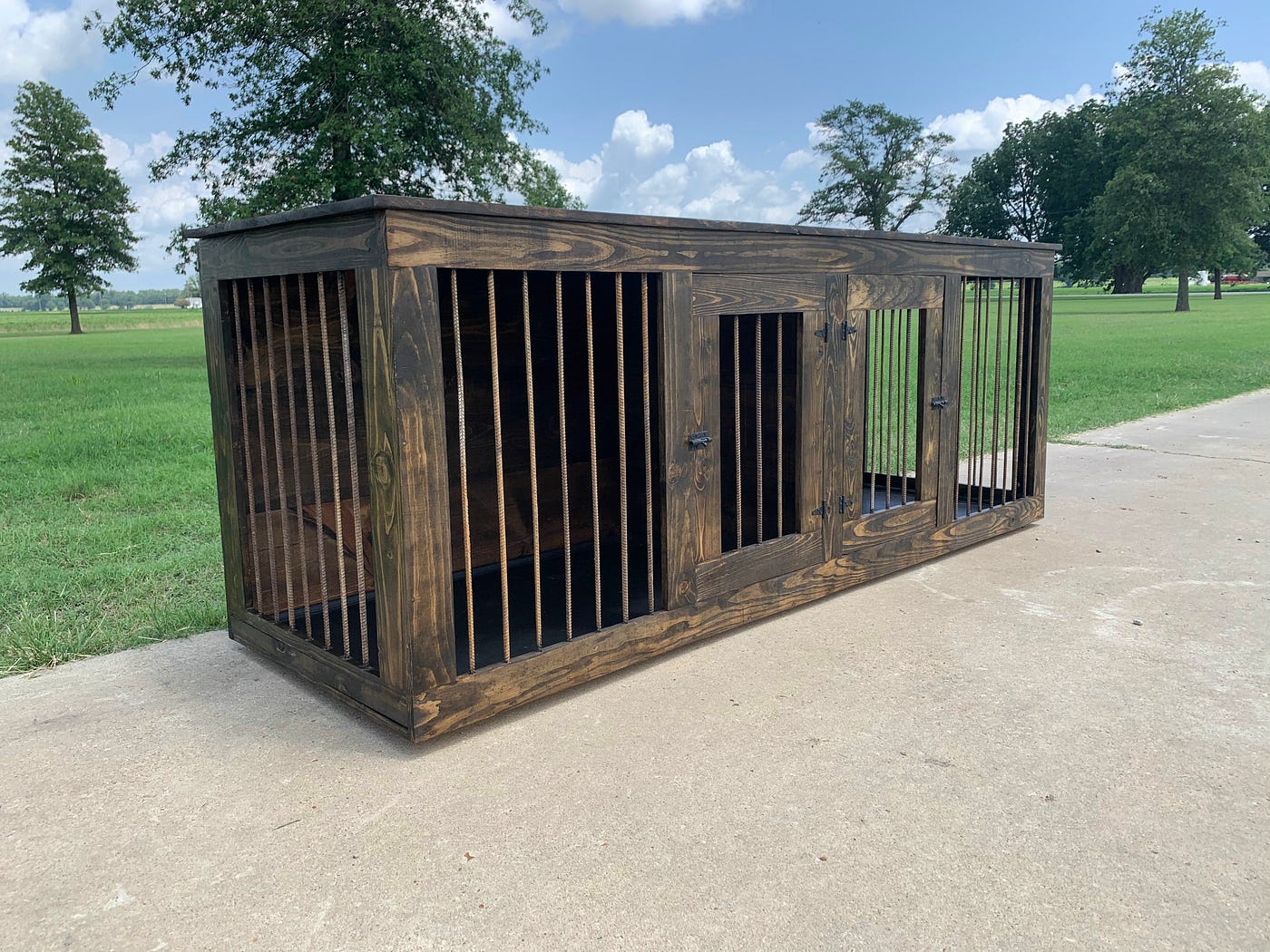
Credit: gagejohnson19.medium.com
Tips For Crate Training
Crate training helps your dog feel safe and secure. It also aids in house training and prevents destructive behavior. Patience and consistency are key for success. Here are some simple tips to make crate training easier for both you and your dog.
Introducing Your Dog To The Crate
Let your dog explore the crate without pressure. Leave the door open and place treats inside. Allow your dog to enter and exit freely. Praise your dog for any interest shown. Avoid forcing your dog inside the crate.
Making The Crate Inviting
Add soft bedding and a favorite toy inside the crate. Use a calm, quiet spot for the crate. Keep the crate clean and dry. Avoid using the crate for punishment. Make it a happy, comfortable space your dog wants to use.
Establishing A Routine
Set regular times for crate use, such as naps and bedtime. Use the crate before leaving the house. Give treats and praise when your dog enters the crate. Keep crate sessions short at first, then increase time gradually. Stick to the routine to build trust and comfort.

Credit: www.youtube.com
Frequently Asked Questions
How Do I Choose The Right Size For A Dog Crate?
Select a crate that allows your dog to stand, turn, and lie down comfortably. Measure your dog’s length and height for accuracy. Proper sizing ensures comfort and safety during crate use. Avoid crates that are too large or too small.
What Materials Are Best For Building A Dog Crate?
Wood and metal are common crate materials. Wood offers a sturdy, customizable option, while metal provides durability and ventilation. Choose materials that are safe, easy to clean, and suitable for your dog’s temperament and needs.
How Can I Ensure Proper Ventilation In A Dog Crate?
Design the crate with multiple openings or mesh panels to allow airflow. Good ventilation keeps your dog cool and comfortable. Avoid solid walls that restrict air circulation. Proper ventilation prevents overheating and promotes a healthy environment.
What Tools Do I Need To Build A Dog Crate?
Basic tools include a saw, drill, screws, measuring tape, and sandpaper. These tools help you cut, assemble, and finish the crate safely and accurately. Having the right tools ensures a sturdy and professional-looking crate.
Conclusion
Building a dog crate takes time and patience. Start with the right materials and tools. Follow clear steps to keep your pet safe and happy. Test the crate for comfort and sturdiness. Adjust as needed for your dog’s size and habits.
A well-made crate becomes a cozy space for your dog. Enjoy the process and the bond it creates. Your effort will show in your dog’s comfort and security. Simple, strong, and safe—that’s the goal.

Emily Barker is the founder of ChillDogLife.com, a space dedicated to helping pup parents discover the best dog products, lifestyle tips, and cozy ideas for happier homes.
A lifelong dog lover, Emily combines her passion for pets with a knack for research to share trusted recommendations on everything from toys and furniture to health and everyday care.
Her goal is simple: to make life easier, stylish, and more joyful for dogs and the people who love them.




