
Looking for a healthy and tasty breakfast option for your dog? You want something quick, nutritious, and easy to make.
Imagine starting your dog’s day with a cold nutritional breakfast bar that fuels their energy and supports their health. You’ll discover simple steps to create these delicious bars at home. Keep reading to learn how you can make a breakfast that your furry friend will love and benefit from every morning.
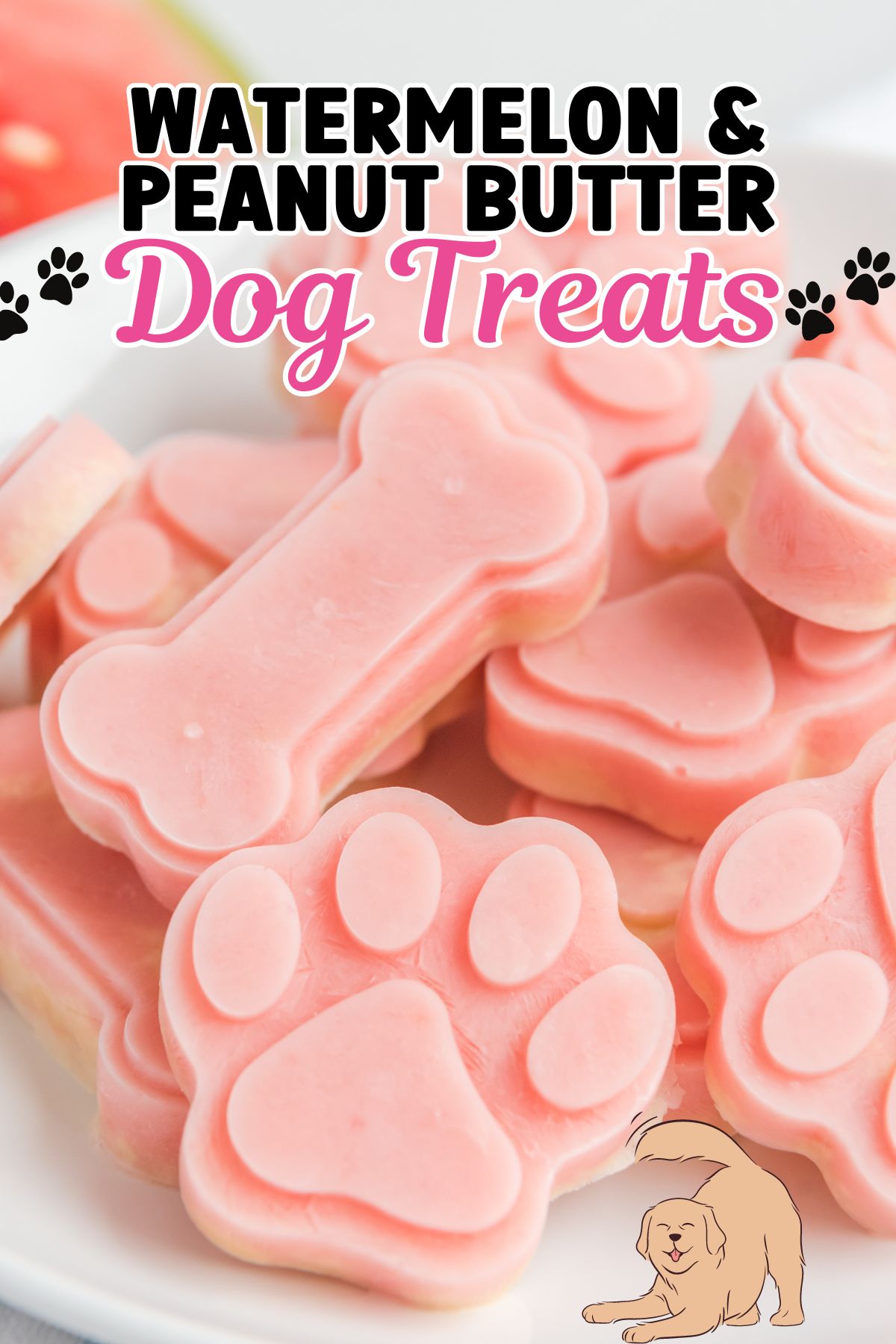
Credit: princesspinkygirl.com
Benefits Of Homemade Dog Bars
Making cold nutritional breakfast bars for your dog at home is a great idea. It gives you control over what your dog eats. You can ensure the bars are healthy and tasty.
Homemade dog bars can save money. They also help your dog get the right nutrients. Let’s look at the benefits in detail.
Nutritional Advantages
Homemade dog bars let you add balanced nutrients. You can use fresh ingredients full of vitamins and minerals. This helps your dog stay strong and healthy.
- Include proteins like chicken or fish for muscle health
- Add vegetables for fiber and vitamins
- Use healthy fats for energy and coat shine
- Avoid artificial additives and fillers
Control Over Ingredients
You decide what goes into the bars. This control means you can avoid allergens or harmful ingredients. It also lets you tailor the recipe to your dog’s tastes and needs.
| Ingredient | Benefit |
| Oats | Good source of fiber |
| Peanut Butter | Protein and healthy fats |
| Carrots | Rich in vitamins and antioxidants |
| Honey | Natural sweetener and energy |
Cost-effectiveness
Making dog bars at home costs less than buying store brands. You can buy ingredients in bulk and use leftovers. This lowers your spending over time.
- Buy raw ingredients from local markets
- Make large batches and store them
- Use simple recipes with few items
- Reduce waste by using leftover fruits or veggies
Essential Ingredients
Making a cold nutritional breakfast bar for your dog needs careful choice of ingredients. These ingredients provide energy and keep your dog healthy. Use fresh, natural items for the best results.
We will look at the main ingredient groups that make these bars nutritious. Each group offers unique benefits for your dog’s diet.
Protein Sources
Protein is important for muscle growth and repair. Choose lean and dog-safe proteins to keep your pet strong and active.
- Cooked chicken breast
- Lean turkey meat
- Eggs, boiled or scrambled
- Canned salmon, without bones
- Plain Greek yogurt
Healthy Fats
Fats give energy and support skin and coat health. Use natural sources that are safe and easy to digest.
| Fat Source | Benefit |
| Olive oil | Good for heart and skin |
| Coconut oil | Supports digestion and energy |
| Flaxseed oil | Rich in omega-3 fatty acids |
| Chia seeds | Provides fiber and omega-3 |
Fruits And Vegetables
Fruits and vegetables add vitamins, minerals, and fiber. Pick dog-safe options to avoid any stomach troubles.
- Carrots, chopped or shredded
- Green beans, steamed
- Blueberries, fresh or frozen
- Apples, peeled and chopped (no seeds)
- Spinach, lightly cooked
Binders And Supplements
Binders hold the bar ingredients together. Supplements add extra nutrition and help digestion.
| Binder/Supplement | Purpose |
| Oats | Bind ingredients and add fiber |
| Peanut butter (unsalted, no xylitol) | Add flavor and fat |
| Ground flaxseed | Provides omega-3 and fiber |
| Vitamin E | Supports skin and immune system |
| Probiotics | Helps healthy digestion |
Tools And Equipment Needed
Making a cold nutritional breakfast bar for your dog requires some basic tools. These tools help you mix ingredients and shape the bars easily.
Using the right equipment keeps the process clean and safe for your pet’s food preparation.
Mixing Bowls And Utensils
You need mixing bowls to combine all ingredients well. Choose bowls that are easy to clean and food-safe.
Utensils like spoons and spatulas help stir and spread the mixture evenly.
- Large mixing bowl made of stainless steel or glass
- Silicone or wooden spatula for mixing
- Measuring spoons for small ingredient amounts
- Mixing spoon or whisk for thorough blending
Measuring Tools
Accurate measuring tools ensure the right balance of nutrients. This helps keep your dog healthy.
Use measuring cups and spoons that are easy to read and clean.
- Measuring cups for dry and wet ingredients
- Measuring spoons for small portions
- Kitchen scale for precise weight measurements
Freezing Containers
Freezing containers keep your breakfast bars fresh. They also shape the bars while they freeze.
Choose containers that fit your freezer space and are easy to clean.
- Silicone molds in bar shapes
- Plastic or glass containers with lids
- Parchment paper to line containers if needed
Step-by-step Preparation
Making a cold nutritional breakfast bar for your dog is easy and fun. It helps provide energy and important nutrients.
This guide shows you how to prepare the bars in four simple steps. You will learn how to prepare ingredients, mix the base, shape the bars, and freeze them.
Preparing Ingredients
Start by gathering fresh and healthy ingredients. Use items that are safe and good for dogs.
- 1 cup oats
- 1/2 cup peanut butter (unsweetened)
- 1/2 cup plain yogurt
- 1/4 cup chopped carrots
- 1/4 cup blueberries
- 1 tablespoon honey
- 1 teaspoon coconut oil
Mixing The Base
Combine the ingredients in a large bowl. Mix well until the texture is sticky and holds together.
- Start with oats, peanut butter, and yogurt.
- Add honey and coconut oil for taste and energy.
- Fold in carrots and blueberries gently.
- Stir until all ingredients are evenly mixed.
Shaping The Bars
Press the mixture into a flat shape on a baking tray lined with parchment paper. Shape it evenly for good freezing.
- Use a spatula or your hands to spread the mix.
- Make the layer about 1 inch thick.
- Cut into small bars or squares.
- Keep size suitable for your dog’s bite.
Freezing And Storage
Place the tray in the freezer for at least 4 hours. This helps the bars stay firm and fresh.
Store the frozen bars in an airtight container or bag. Keep them in the freezer and take one out when needed.
- Freeze bars flat first to avoid sticking.
- Use freezer-safe containers or bags.
- Label with the date to track freshness.
- Use bars within 2 weeks for best quality.
Tips For Customizing Recipes
Making a cold nutritional breakfast bar for your dog can be fun and rewarding. You can customize the recipe to suit your dog’s needs and preferences.
With a few simple adjustments, you can create a treat that’s both delicious and healthy. Let’s explore some ways to tweak the recipe.
Adjusting For Allergies
Some dogs have allergies to certain ingredients. You can easily modify the recipe to avoid these allergens.
- Replace wheat with rice flour for gluten-sensitive dogs.
- Use almond butter instead of peanut butter to avoid nuts.
- Switch out dairy with coconut milk for lactose intolerant dogs.
Adding Supplements
Supplements can boost the nutritional value of your dog’s breakfast bar. Consider these options for a healthier treat.
| Supplement | Benefit |
| Fish Oil | Improves coat and skin health |
| Chia Seeds | Rich in omega-3 fatty acids |
| Turmeric | Reduces inflammation |
Flavor Variations
Keep your dog interested by changing up the flavors. You can add different ingredients to create new tastes.
Add pumpkin puree for a sweet and savory twist.
Mix in blueberries to provide antioxidants and flavor.
Try adding bacon bits for a savory surprise.
Serving Suggestions
Cold nutritional breakfast bars for dogs are a healthy and tasty treat. They provide good energy and nutrients to start the day.
Knowing how and when to serve these bars helps keep your dog happy and healthy. Use the right portions and timing for best results.
Portion Sizes
Portion size depends on your dog’s weight and activity level. Small dogs need smaller pieces, while big dogs need larger ones.
Start with a small piece to see how your dog reacts. Adjust the size based on their appetite and energy needs.
- Small dogs: 1 to 2 inches per serving
- Medium dogs: 2 to 4 inches per serving
- Large dogs: 4 to 6 inches per serving
When To Serve
Serve cold breakfast bars in the morning before your dog’s walk or playtime. This helps give them energy for the day.
You can also offer the bars as a midday snack or after exercise to help with recovery.
- Morning: Boost energy for active day
- Midday: Healthy snack between meals
- After exercise: Support muscle recovery
Combining With Regular Meals
Use the bars as a supplement, not a replacement, for your dog’s regular food. Balance is important for good health.
If your dog eats the bar, reduce the regular meal slightly to avoid overeating. Watch their weight and adjust as needed.
- Offer bars alongside regular meals in small amounts
- Lower meal size if the bar is given as a treat
- Keep track of total daily calories
Safety And Precautions
Making a cold nutritional breakfast bar for your dog can be fun and rewarding. It is crucial to ensure the safety and well-being of your furry friend while preparing these treats.
Always prioritize safety by following guidelines on ingredient selection and storage. Monitoring your dog’s reaction is also important.
Avoiding Harmful Ingredients
Some ingredients can be harmful to dogs. Make sure to avoid these when preparing your dog’s breakfast bar.
- Chocolate and caffeine are toxic to dogs.
- Grapes and raisins can cause kidney failure.
- Onions and garlic can lead to anemia.
- Macadamia nuts may cause muscle tremors.
Proper Storage
Storing your dog’s breakfast bars correctly ensures they remain fresh and safe to eat. Consider these storage tips to maintain quality.
| Storage Method | Duration |
| Room Temperature | Up to 3 days |
| Refrigerator | Up to 7 days |
| Freezer | Up to 2 months |
Monitoring Dog’s Reaction
After serving the breakfast bar, observe your dog’s reaction. This helps identify any allergies or dislikes.
Signs of a negative reaction include:
- Vomiting or diarrhea
- Excessive scratching or licking
- Swelling or hives
If you notice any of these signs, contact your vet immediately.
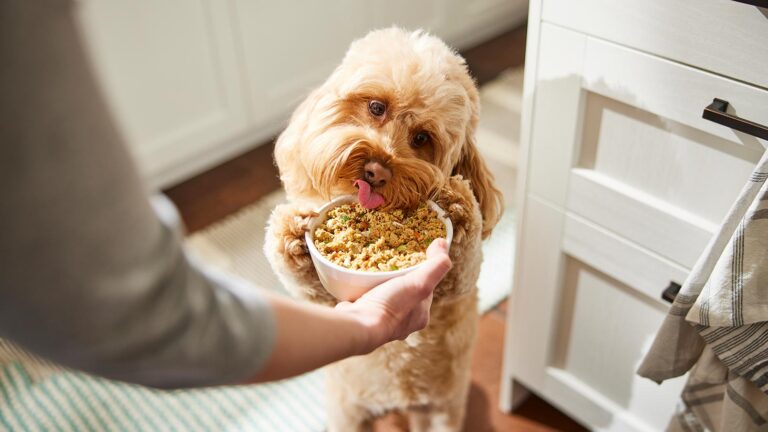
Credit: www.chewy.com
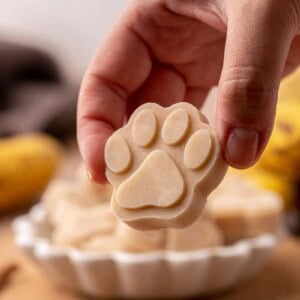
Credit: lifestyleofafoodie.com
Frequently Asked Questions
What Ingredients Are Best For A Cold Nutritional Dog Bar?
Use lean protein, oats, peanut butter, and dog-safe fruits. These provide balanced nutrition and energy for your dog.
How Long Should I Refrigerate The Dog Breakfast Bars?
Refrigerate the bars for at least 2-3 hours. This helps them set properly and maintain a firm texture.
Can I Customize Bars For My Dog’s Dietary Needs?
Yes, customize ingredients based on allergies or preferences. Consult your vet to ensure the bars meet your dog’s health needs.
How Often Should I Feed My Dog These Breakfast Bars?
Feed the bars as a treat or supplement 2-3 times a week. Avoid overfeeding to maintain a balanced diet.
Conclusion
Making a cold nutritional breakfast bar for your dog is simple and healthy. You control the ingredients and avoid unwanted additives. Your dog gets a tasty, balanced start to the day. These bars save time and keep your pet happy.
Try different ingredients to find what your dog loves most. Homemade treats show your care and support good health. Give your dog a fresh, nutritious breakfast with ease. Your furry friend will thank you for it!

Emily Barker is the founder of ChillDogLife.com, a space dedicated to helping pup parents discover the best dog products, lifestyle tips, and cozy ideas for happier homes.
A lifelong dog lover, Emily combines her passion for pets with a knack for research to share trusted recommendations on everything from toys and furniture to health and everyday care.
Her goal is simple: to make life easier, stylish, and more joyful for dogs and the people who love them.




