Are you wondering if your hamster can safely eat dog kibble? It’s a common question for pet owners who want to make sure their little friend gets the right food.
You might think dog food could be an easy snack or a quick solution, but is it really good for your hamster’s health? Keep reading to discover the surprising facts you need to know before sharing your dog’s kibble with your tiny pet.
Your hamster’s well-being depends on it!

Credit: www.reddit.com
Hamster Diet Basics
Hamsters need a balanced diet to stay healthy and active. Their food must provide energy and nutrients for growth, fur health, and daily activities. Understanding what makes a good hamster diet helps avoid feeding mistakes that might harm them.
Essential Nutrients For Hamsters
Hamsters require specific nutrients to thrive. These include:
- Proteins:Support muscle development and repair.
- Carbohydrates:Provide energy for movement and play.
- Fats:Important for energy storage and healthy skin.
- Vitamins:Help with immune function and overall health.
- Minerals:Needed for strong bones and teeth.
- Fiber:Aids digestion and prevents stomach issues.
Common Foods Safe For Hamsters
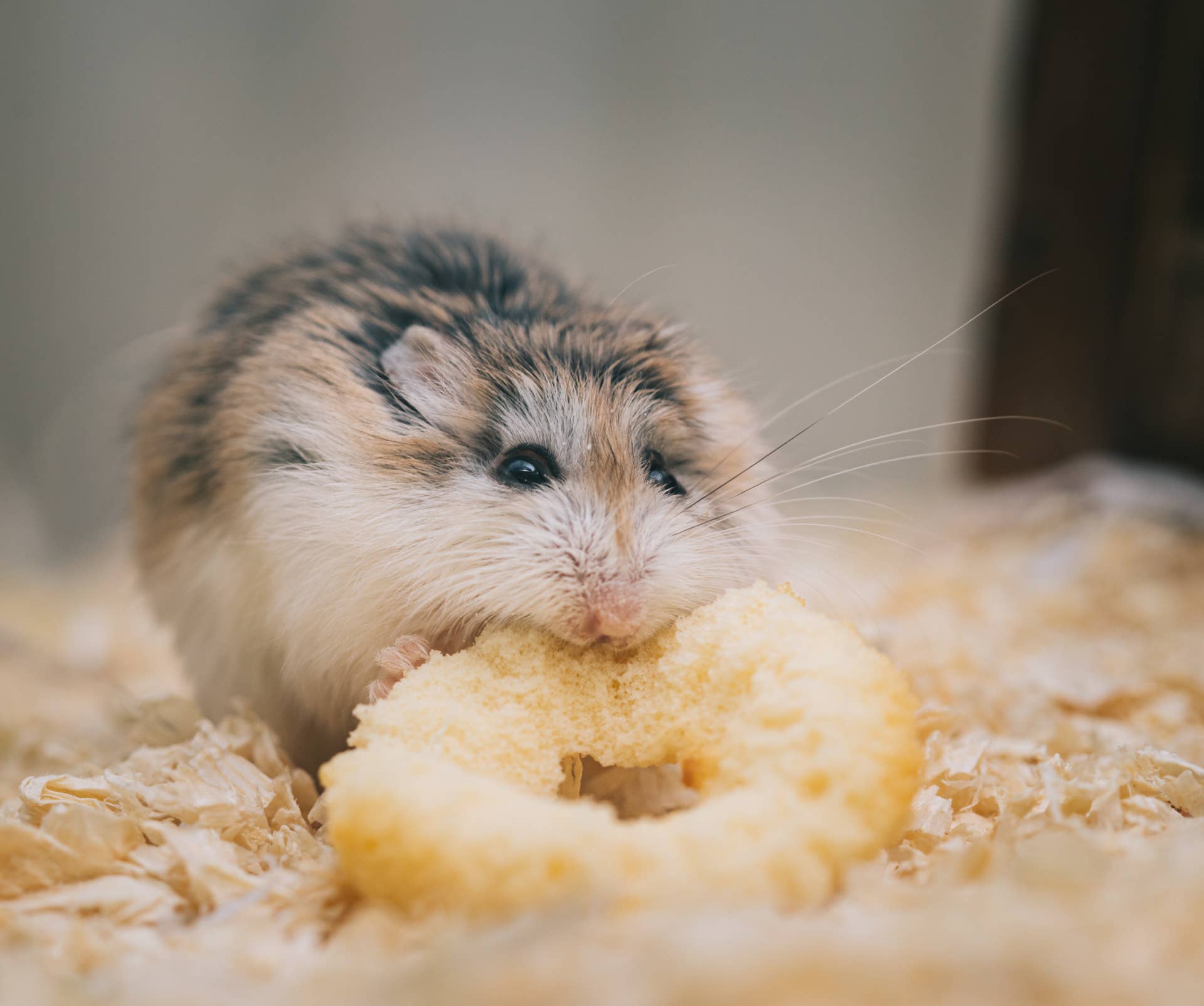
Hamsters enjoy a variety of safe foods. These options keep them happy and healthy:
- Commercial hamster pellets designed for their needs.
- Fresh vegetables like carrots, cucumbers, and broccoli.
- Small pieces of fresh fruit such as apples and berries.
- Seeds and grains like sunflower seeds and oats.
- Occasional treats like mealworms or boiled egg bits.
- Clean, fresh water should always be available.
Credit: pethelpful.com
What Is Dog Kibble Made Of
Understanding what dog kibble is made of can help you decide if it’s safe or suitable for your hamster. Dog food is designed to meet the dietary needs of dogs, which differ significantly from those of small rodents like hamsters. Let’s break down the typical ingredients and how their nutritional content compares to hamster food.
Typical Ingredients In Dog Food
Dog kibble usually contains a mix of proteins, grains, fats, vitamins, and minerals. Common protein sources include chicken, beef, lamb, or fish. These are often followed by fillers like corn, wheat, or rice to add carbohydrates.
Additional ingredients might include:
- Animal by-products (organs, bones)
- Vegetable oils and fats
- Added vitamins and minerals for balanced nutrition
- Preservatives and flavor enhancers
While these components serve dogs well, some ingredients can be hard for hamsters to digest or could even be harmful.
Nutritional Profile Compared To Hamster Food
Hamster food focuses on small seeds, grains, nuts, fruits, and vegetables, providing a high-fiber, low-fat diet. Dog kibble is richer in protein and fat, tailored for an animal much larger and more carnivorous than a hamster.
| Nutrient | Dog Kibble | Hamster Food |
|---|---|---|
| Protein | 20-30% | 12-18% |
| Fat | 8-15% | 3-7% |
| Fiber | 2-4% | 10-15% |
| Carbohydrates | 40-50% | 40-50% |
Notice the lower fiber and higher fat in dog kibble? This imbalance can upset your hamster’s digestive system. Have you ever wondered if feeding your hamster dog food could cause more harm than good?
Can Hamsters Eat Dog Kibble
Hamsters have specific dietary needs that differ greatly from dogs. Dog kibble is formulated for dogs’ nutritional requirements, not hamsters. Many pet owners wonder if hamsters can safely eat dog kibble. Understanding the effects of feeding dog kibble to hamsters is crucial for their health.
Potential Risks Of Feeding Dog Kibble
Dog kibble contains higher protein and fat levels than hamster food. Hamsters may have trouble digesting these ingredients. Some dog kibbles include additives and preservatives harmful to hamsters. These can cause stomach upset or allergic reactions. Over time, feeding dog kibble may lead to nutritional imbalances. Hamsters need fiber and nutrients found in their specific diet, which dog kibble lacks.
Short-term Vs Long-term Effects
Eating small amounts of dog kibble occasionally might not cause immediate harm. Hamsters may seem fine after tasting it once or twice. Long-term feeding of dog kibble poses serious health risks. Continuous consumption can cause obesity, digestive problems, and vitamin deficiencies. It also increases the risk of kidney and liver issues. Staying with hamster-specific food ensures their well-being over time.
Signs Of Digestive Issues
Hamsters have sensitive digestive systems. Feeding them dog kibble can cause stomach problems. Knowing the signs of digestive issues helps protect your pet’s health. Early detection allows quick care and prevents serious illness.
Symptoms To Watch For
- Loose or watery stools
- Loss of appetite
- Swollen or bloated belly
- Excessive drooling
- Frequent scratching or biting at the rear
- Lethargy or low energy
- Unusual weight loss
- Vomiting or gagging
When To Contact A Veterinarian
Seek veterinary help if symptoms last more than a day. Sudden changes in behavior need prompt attention. Persistent diarrhea or vomiting can cause dehydration. A vet can diagnose and treat underlying problems. Do not delay care for your hamster’s safety.
Safe Alternatives To Dog Kibble
Choosing the right food for your hamster is vital for its health. Dog kibble lacks the nutrients hamsters need. It may also contain ingredients harmful to small pets. Finding safe, nutritious alternatives supports your hamster’s growth and energy. These options provide balanced diets tailored to hamsters’ needs.
Recommended Hamster Foods
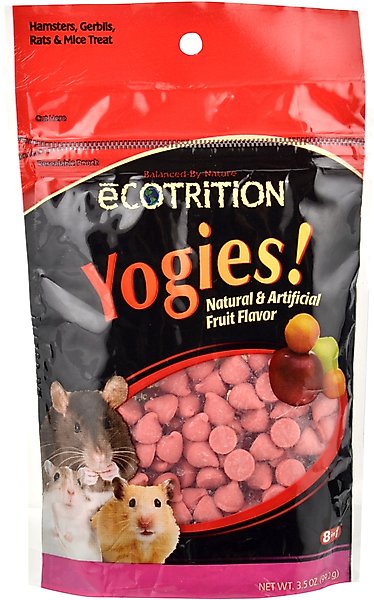
- Commercial hamster pellets – specially made for balanced nutrition
- Fresh vegetables – carrots, cucumber, and spinach in small amounts
- Seeds and grains – sunflower seeds, oats, and millet
- Fruits – apple slices, blueberries, and banana pieces (limit sugar)
- Cooked egg – a small protein source
Healthy Treat Options
- Unsalted nuts – almonds and walnuts in moderation
- Whole grain cereals – plain and low sugar
- Small pieces of cooked chicken – occasional protein boost
- Mealworms – rich in protein and loved by many hamsters
- Fresh herbs – parsley and basil for variety and vitamins
Tips For Feeding Hamsters Properly
Feeding your hamster properly is key to keeping it healthy and happy. Hamsters have tiny stomachs and specific dietary needs that differ a lot from dogs. Understanding the right portion size and which foods to avoid can make a big difference in your pet’s wellbeing.
Portion Control And Frequency
Hamsters don’t need large meals. Overfeeding can lead to obesity and digestive problems.
A good rule is to offer about a tablespoon of food daily. You can split this into two smaller portions—one in the morning and one in the evening. This mimics their natural feeding pattern and keeps them active.
Always remove any uneaten fresh food after a few hours to prevent spoilage. Have you noticed how your hamster reacts to different portion sizes? Adjust accordingly but keep it small and consistent.
Avoiding Harmful Foods
Not all human or pet foods are safe for hamsters. Dog kibble, for example, is designed for dogs and contains nutrients that might be too rich or harmful for your hamster.
Stay away from sugary, salty, or processed foods. Avoid citrus fruits, onions, and chocolate, as these can cause serious health issues.
Stick to hamster-safe veggies like carrots and cucumbers, and hamster pellets made specifically for their dietary needs. Have you ever accidentally fed your hamster something questionable? How did you find out it wasn’t safe?

Credit: www.amazon.com
Frequently Asked Questions
Can Hamsters Safely Eat Dog Kibble?
No, hamsters should not eat dog kibble. Dog kibble is formulated for dogs and lacks necessary nutrients for hamsters. It may also contain ingredients harmful to hamsters. Instead, provide your hamster with a balanced diet specifically designed for their needs, including hamster pellets, fresh fruits, and vegetables.
What Happens If Hamsters Eat Dog Kibble?
If a hamster eats dog kibble, it might experience digestive issues. Dog kibble can be too high in protein and fat for hamsters. Long-term consumption may lead to nutritional deficiencies or obesity. Always consult a veterinarian if your hamster ingests inappropriate foods.
Are There Any Safe Alternatives To Dog Kibble?
Yes, there are safe alternatives to dog kibble for hamsters. Provide hamster-specific pellets as the main diet. Supplement with small amounts of fresh fruits, vegetables, and occasional treats. Ensure fresh water is always available. These alternatives meet the nutritional needs of hamsters effectively.
Why Is Dog Kibble Unsuitable For Hamsters?
Dog kibble is unsuitable for hamsters due to its composition. It’s designed for dogs, not small rodents. It may contain ingredients that are toxic or harmful to hamsters. Additionally, it lacks essential nutrients and the right balance for a hamster’s diet, leading to health problems.
Conclusion
Hamsters need food made just for them. Dog kibble lacks the right nutrients. Feeding it can cause stomach problems. Always choose hamster-safe food for your pet. Keeping their diet healthy keeps hamsters happy. Small changes make a big difference in care.
Stay informed and give your hamster the best. Safe food means a longer, healthier life. Trust what experts say about hamster diets. Your pet’s health depends on smart food choices.

Emily Barker is the founder of ChillDogLife.com, a space dedicated to helping pup parents discover the best dog products, lifestyle tips, and cozy ideas for happier homes.
A lifelong dog lover, Emily combines her passion for pets with a knack for research to share trusted recommendations on everything from toys and furniture to health and everyday care.
Her goal is simple: to make life easier, stylish, and more joyful for dogs and the people who love them.




