
Switching your dog from raw food to kibble can feel overwhelming. You want to make sure your furry friend stays healthy and happy during the change.
But how do you do it without upsetting their stomach or causing stress? You’ll discover simple, effective steps to make the transition smooth and easy. By the end, you’ll feel confident that your dog is getting the nutrition they need in a way that works for both of you.
Keep reading to learn how to make this switch with care and confidence.
Benefits Of Switching To Kibble
Switching your dog from a raw diet to kibble can bring several advantages that benefit both you and your furry friend. While raw feeding has its merits, kibble offers unique strengths that might better suit your lifestyle and your dog’s health needs. Understanding these benefits can help you make a confident decision about your dog’s nutrition.
Nutritional Balance
Kibble is formulated to provide a complete and balanced diet. Each bag contains a precise mix of proteins, fats, vitamins, and minerals tailored to your dog’s specific life stage and health requirements.
This consistency ensures your dog gets all essential nutrients without you needing to measure or guess. Have you ever worried whether your dog’s homemade raw meal truly covers every vitamin? Kibble removes that uncertainty.
Convenience And Storage
Kibble is incredibly easy to store and serve. Unlike raw food, it doesn’t require refrigeration and has a longer shelf life, saving you frequent trips to the store.
Meal prep becomes faster—just scoop and serve. This convenience can make feeding time less stressful, especially on busy days or when traveling with your dog.
Dental Health Advantages
Chewing kibble can help reduce plaque and tartar buildup on your dog’s teeth. The crunchy texture acts like a mild abrasive, supporting healthier gums and fresher breath.
Have you noticed how dogs on raw diets sometimes develop different dental issues? Switching to kibble may provide a simple way to help maintain your dog’s oral hygiene without extra brushing routines.

Credit: www.houndsy.com
Signs Your Dog Is Ready For Change
Changing your dog’s diet from raw to kibble is a big step. Not every dog is ready to switch at the same time. Watching for signs helps ensure a smooth change. It protects your dog’s health and keeps mealtime stress low. Here are key signs your dog may be ready for this change.
Behavioral Cues
Dogs show many behaviors when they are ready for new food. They may seem less excited about raw meals. Sometimes, dogs sniff or push food away more than usual. A decrease in energy during feeding time can also indicate readiness. Watch for signs like:
- Lack of interest in raw food
- Begging or showing curiosity about kibble
- Changes in eating speed or patterns
Digestive Considerations
Digestive health plays a big role in switching diets. If your dog has stomach upset or loose stools on raw food, it might be time. A stable digestive system helps in adapting to new food types. Signs to check include:
- Regular bowel movements
- Absence of vomiting or diarrhea
- Good appetite without discomfort
Veterinarian Recommendations
Your vet knows best when it comes to diet changes. They can assess your dog’s health and nutritional needs. A vet visit before switching helps avoid risks. Ask your vet about:
- Health checks before diet change
- Proper kibble types for your dog
- Transition plans and timelines
Preparing For The Transition
Preparing your dog for the switch from raw food to kibble is important. The transition needs care to avoid stomach upset or refusal to eat. Preparation helps your dog adjust smoothly and stay healthy.
Start by understanding your dog’s needs. Different dogs require different types of kibble and feeding routines. Planning ahead sets a positive tone for the change.
Choosing The Right Kibble
Pick kibble that fits your dog’s size, age, and health. Look for high-quality ingredients with real meat as the first item. Avoid fillers like corn and wheat that offer little nutrition.
Consider special formulas if your dog has allergies or sensitive stomachs. Check the label for balanced protein, fat, and fiber levels. A good kibble supports your dog’s energy and digestion.
Gathering Supplies
Have everything ready before starting the change. This includes:
- Fresh kibble in an airtight container
- Measuring cups for portion control
- Separate bowls for food and water
- Cleaning supplies for any spills
Clean feeding areas help prevent infections and pests. Prepare small portions to avoid waste during the transition phase.
Setting A Feeding Schedule
Keep feeding times consistent daily. Dogs thrive on routine and predictability. Start by feeding smaller amounts of kibble mixed with raw food.
Gradually increase kibble while reducing raw food over days or weeks. Observe your dog’s appetite and digestion closely. Adjust the schedule to suit your dog’s comfort and health.
Step-by-step Switching Process
Switching your dog from a raw diet to kibble requires patience and attention. The goal is to make the transition smooth to avoid digestive issues and keep your dog happy. A slow, deliberate process helps your dog adjust without stress.
Mixing Raw And Kibble
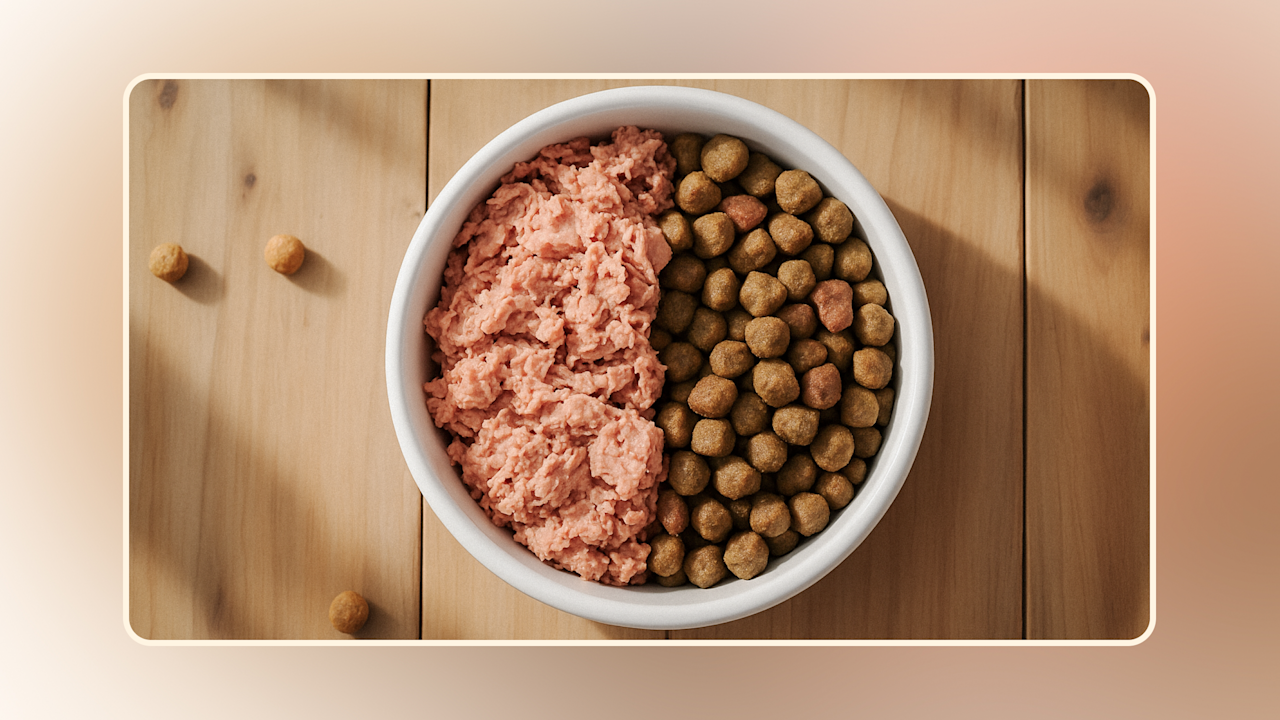
Start by mixing a small amount of kibble into your dog’s usual raw food. A good rule is to add about 10% kibble to 90% raw food at first. This way, your dog gets familiar with the new texture and taste without a sudden change.
Mix the food well so your dog doesn’t pick out the kibble. Watch how your dog reacts—are they eating eagerly or showing hesitation? If your dog seems hesitant, try adding a little warm water to soften the kibble and make it more appealing.
Gradually Increasing Kibble Ratio
Each few days, increase the kibble portion by 10-15%, while reducing the raw food accordingly. For example, move to 25% kibble and 75% raw after several days. This gradual increase helps your dog’s digestive system adapt.
Keep the feeding consistent and avoid skipping days. Sudden jumps in kibble amount can cause upset stomach or refusal to eat. Patience here pays off in the long run.
Monitoring Your Dog’s Response
Watch for changes in your dog’s behavior, appetite, and stool quality throughout the switch. Loose stools, vomiting, or lethargy are signs to slow down the transition. If everything seems fine, continue increasing kibble until your dog is fully switched.
Ask yourself: Is your dog eating happily? Are their energy levels steady? Tracking these signs helps you know if the new diet suits them. Remember, each dog is unique—what works for one might need tweaking for another.
Handling Common Challenges
Switching your dog from a raw diet to kibble can bring up several challenges. It’s normal for your furry friend to resist change or experience some discomfort. Handling these common issues with patience and smart strategies will help your dog adjust smoothly to the new food.
Dealing With Food Refusal
Dogs may refuse kibble because they are used to the texture and smell of raw food. Try mixing a small amount of kibble with their usual raw meal to ease the transition. Gradually increase the kibble portion while reducing raw food over several days or weeks.
If your dog still refuses, add a little warm water or low-sodium broth to the kibble to make it more appealing. Have you noticed your dog prefers certain flavors or textures? Use that to your advantage when choosing the kibble brand or formula.
Managing Digestive Upset
Switching diets can upset your dog’s stomach, causing diarrhea or constipation. Monitor their stool closely during the transition period and adjust the pace if needed. Adding a probiotic supplement may support gut health and reduce digestive issues.
If your dog shows persistent vomiting or severe diarrhea, pause the switch and consult your vet. Sometimes, a slower transition or a different kibble brand designed for sensitive digestion can make a big difference.
Adjusting Portions And Timing
Kibble and raw diets differ in calorie density and digestibility, so portion sizes need adjustment. Start by feeding your dog the recommended kibble amount based on their weight, then observe their energy and weight over the next few weeks.
Consider splitting meals into smaller, more frequent servings to help digestion and reduce hunger-driven refusals. Are you feeding your dog at consistent times? Regular meal timing can create a routine that encourages eating and makes the transition easier.
Credit: wefeedraw.com
Maintaining Health After The Switch
Switching your dog from a raw diet to kibble is a big change, and maintaining their health after the switch is just as important as the transition itself. Your dog’s body needs time to adjust, and your role in monitoring their well-being becomes crucial. Paying attention to their health ensures they continue thriving on their new diet.
Regular Vet Checkups
Schedule vet visits shortly after the switch and keep them regular. Your vet can spot any nutritional gaps or digestive issues early on. These checkups help catch subtle changes you might miss, like dull coat or changes in stool quality.
Ask your vet specific questions about how your dog’s new diet could affect their health long term. Don’t hesitate to bring up any odd behaviors or symptoms you notice. Your vet’s feedback is invaluable in guiding adjustments to the diet.
Supplementing Nutrients If Needed
Kibble often lacks certain nutrients found in raw diets, like omega-3 fatty acids or enzymes. Watch for signs like dry skin, low energy, or digestive upset that may indicate missing nutrients. Adding supplements like fish oil or probiotics can fill those gaps.
Always introduce supplements gradually and observe your dog’s response. Consult your vet before starting anything new to avoid over-supplementing. Sometimes a simple addition can make a big difference in your dog’s health and happiness.
Tracking Weight And Energy Levels
Keep a close eye on your dog’s weight and how active they are. Sudden weight loss or gain can signal issues with the new diet. Similarly, if your dog seems lethargic or less playful, it’s time to review what they’re eating.
Maintain a journal or use an app to track food intake, weight, and energy daily. This record helps identify patterns and provides data to share with your vet. Are you noticing enough energy in your dog to match their usual personality and lifestyle?

Credit: wefeedraw.com
Frequently Asked Questions
How Do I Transition My Dog To Kibble?
Transition your dog gradually over 7-10 days. Start with a mix of 75% raw and 25% kibble. Gradually increase kibble and decrease raw food every few days. Monitor your dog for any digestive issues and adjust the transition speed if necessary.
Patience is key for a smooth transition.
What Are The Benefits Of Switching To Kibble?
Kibble offers convenience and balanced nutrition. It’s easier to store and measure for portion control. Kibble can support dental health by reducing tartar buildup. It often contains added vitamins and minerals for a balanced diet. Ensure you choose high-quality kibble for optimal health benefits.
Can I Mix Raw And Kibble Together?
Yes, you can mix raw and kibble. Start with a small proportion of kibble and gradually increase. Mixing helps your dog adjust to the new texture and flavor. Ensure both foods are high-quality and balanced. Monitor your dog’s digestion and adjust the ratio as needed for a smooth transition.
How Do I Choose The Right Kibble?
Choose kibble based on your dog’s age, size, and dietary needs. Look for high-quality ingredients, including real meat and whole grains. Avoid artificial additives and fillers. Consult your vet for specific recommendations tailored to your dog’s health. Always introduce new kibble gradually to avoid digestive issues.
Conclusion
Switching your dog from raw to kibble takes time and patience. Start slow and watch your dog’s reaction closely. Mixing both foods helps your pet adjust better. Keep meals consistent and avoid sudden changes. Always offer fresh water alongside the new diet.
Consult your vet if you notice any issues. Your dog’s health and happiness come first. With care, your dog will accept the new food easily. Small steps lead to a smooth transition. Enjoy mealtime and bond with your furry friend.

Emily Barker is the founder of ChillDogLife.com, a space dedicated to helping pup parents discover the best dog products, lifestyle tips, and cozy ideas for happier homes.
A lifelong dog lover, Emily combines her passion for pets with a knack for research to share trusted recommendations on everything from toys and furniture to health and everyday care.
Her goal is simple: to make life easier, stylish, and more joyful for dogs and the people who love them.




