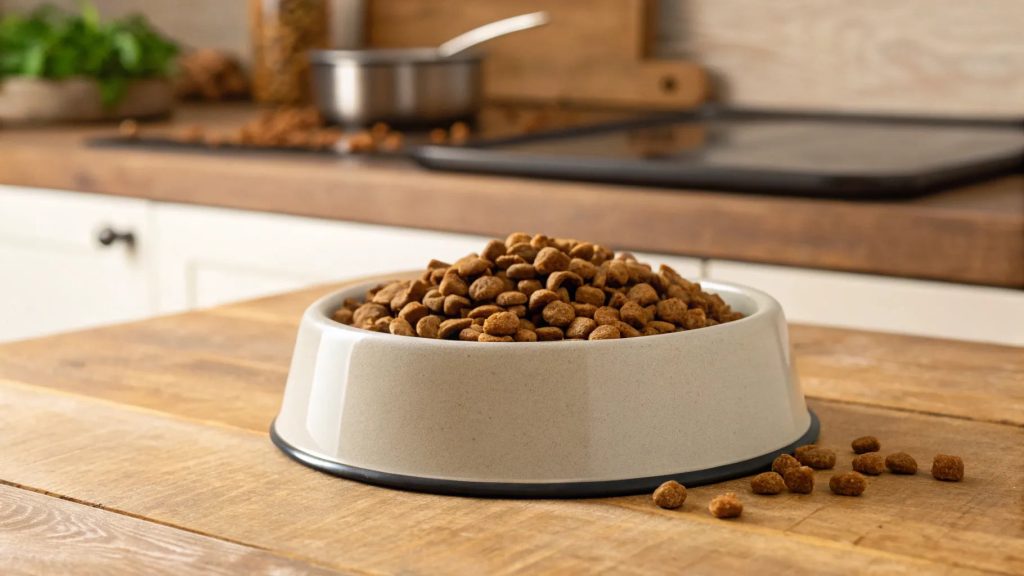
Have you ever opened a bag of dog kibble and wondered if it’s still good to serve to your furry friend? If you’re like most dog owners, you probably want to ensure your pet gets the freshest and most nutritious food possible.
But how can you tell if kibble has gone bad? You might be surprised to learn that, yes, dog kibble can indeed spoil, and feeding your dog old or rancid food could affect their health. In this post, we’ll dive into the signs of spoiled kibble, why it happens, and how you can keep your dog’s food fresh for longer.
Stick around to discover the secrets to ensuring your pet is always eating safe and tasty meals.

Credit: www.houndsy.com
Shelf Life Of Dog Kibble
Understanding the shelf life of dog kibble is essential to keep your furry friend healthy and happy. Over time, kibble can lose its nutritional value and even become unsafe to eat. Let’s dive into how long dog kibble typically lasts and what affects its freshness.
Typical Expiration Period
Most commercially packaged dog kibble comes with a best-by or expiration date stamped on the bag. Generally, unopened kibble lasts between 6 months to 1 yearwhen stored properly. Once opened, the shelf life usually shortens to about 4 to 6 weeks, depending on storage conditions.
Have you noticed a stale or rancid smell coming from your dog’s food? That’s a clear sign it’s past its prime. Feeding expired kibble can lead to digestive upset or reduced nutrient absorption.
Factors Affecting Freshness
Several factors impact how long kibble stays fresh, including:
- Storage environment:Exposure to heat, humidity, and air accelerates spoilage.
- Packaging:Resealable bags or airtight containers help maintain freshness.
- Quality of ingredients:High-fat content in some kibbles can cause faster rancidity.
- Handling:Frequent opening or contamination can introduce moisture and bacteria.
Think about where you keep your dog’s food. Is it in a cool, dry place? If not, you might be unknowingly shortening its shelf life. Switching to an airtight container could make a big difference.

Credit: www.houndsy.com
Signs Kibble Has Gone Bad
Knowing when your dog's kibble has gone bad is crucial for keeping your furry friend healthy. Spoiled kibble can cause digestive issues or even make your dog sick. Paying attention to subtle changes can save you from unnecessary trips to the vet and wasted money.
Changes In Smell And Appearance
Fresh kibble usually has a mild, meaty aroma. If you notice a sour, rancid, or overly strong smell, it’s a clear warning sign. Sometimes, the kibble might look dull or discolored compared to when you first opened the bag.
Check for any unusual spots, mold, or white powdery residue on the surface. These visual cues often mean the food has absorbed moisture or started to spoil. Have you ever opened a bag and thought, “That doesn’t look right”? Trust that gut feeling.
Texture And Taste Alterations
Kibble should feel dry and firm. If it feels soft, sticky, or crumbly, it might be past its prime. Dogs are usually picky eaters—if your dog suddenly refuses their usual food, it could be due to a change in texture or taste.
Sometimes, stale kibble tastes bitter or off, which your dog can easily detect. You might want to try tasting a small piece yourself (if it’s safe) to see if the flavor has changed. Would you eat something that smells and feels different from what you’re used to? Your dog thinks the same way.
Health Risks Of Spoiled Kibble
Feeding your dog spoiled kibble can cause serious health problems. Old or improperly stored kibble may develop harmful substances. These pose risks to your pet’s well-being. Understanding these dangers helps keep your dog safe and healthy.
Potential Digestive Issues
Spoiled kibble often leads to stomach upset in dogs. Symptoms include vomiting, diarrhea, and gas. Dogs may refuse to eat or lose appetite. Digestive discomfort lowers their energy and mood. Long-term exposure can cause more severe gut problems.
Toxic Mold And Bacteria
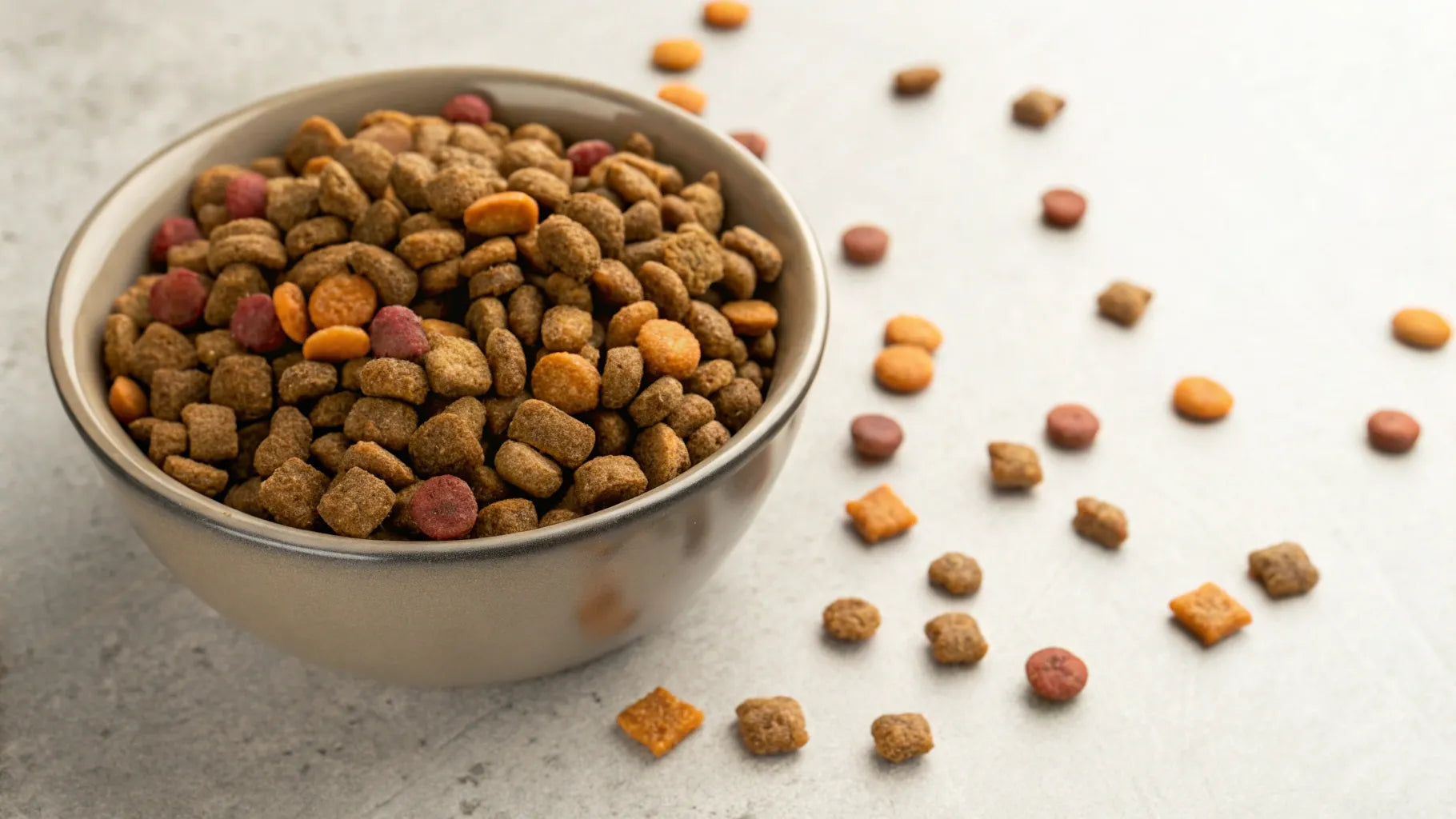
Mold grows easily on stale dog food. This mold produces dangerous toxins called mycotoxins. Bacteria also multiply in old or damp kibble. These microbes can cause infections and poisoning. Symptoms may show as weakness, seizures, or even death. Safe storage and regular checks prevent these risks.
Credit: www.houndsy.com
Proper Storage Methods
Proper storage is key to keeping dog kibble fresh and safe to eat. Poor storage can cause the food to spoil, lose nutrients, or attract pests. Storing kibble correctly helps preserve its flavor and quality for your dog’s health. Understanding the right containers and environment can make a big difference.
Ideal Containers And Environment
Use airtight containers to store dog kibble. Containers made of plastic, metal, or glass with tight-fitting lids work best. These keep out air, moisture, and bugs.
Keep the container clean and dry before adding new kibble. Avoid using the original bag unless it fits inside the container perfectly.
Store the container in a cool, dry place. A pantry or cupboard away from direct sunlight is ideal. Keep it off the floor to prevent pests.
Avoiding Moisture And Heat
Moisture causes kibble to spoil faster. It can lead to mold growth and bad smells. Always use dry scoops or spoons to serve the food.
Heat reduces the shelf life of dog kibble. Do not store it near ovens, heaters, or windows. Excessive heat breaks down nutrients and fats.
Check the storage area regularly for humidity or heat changes. Use dehumidifiers or fans if needed to keep the space dry and cool.
Tips To Extend Kibble Freshness
Keeping dog kibble fresh helps preserve its taste and nutrients. Fresh kibble encourages your dog to eat well and stay healthy. Proper storage prevents spoilage and waste. Here are simple tips to keep kibble fresh longer.
Buying In Small Quantities
Purchase kibble in amounts your dog can finish quickly. Large bags may sit open too long and lose freshness. Smaller bags reduce exposure to air and moisture. This keeps the food tasty and safe for your dog.
Sealing And Portioning
Store kibble in airtight containers after opening the bag. Use containers made of plastic or metal to block air and pests. Portion the food into daily servings to avoid repeated exposure. Keep the container in a cool, dry place away from sunlight.
When To Replace Your Dog’s Food
Knowing the right time to replace your dog’s food helps keep your pet healthy. Old or spoiled kibble can cause digestive problems or reduce nutrient value. Watch for signs that the food is no longer safe or fresh. Regular checks protect your dog from eating bad food.
Reading Expiration Dates
Check the expiration date printed on the bag or container. This date shows the last day the food stays fresh and safe. Never feed your dog kibble past this date. Expired food loses nutrients and may develop mold or bacteria.
Sometimes the date is hard to find. Look near the seams or bottom of the package. Write down the date when you open the bag. This helps track how long the food has been stored.
Monitoring Storage Conditions
Store kibble in a cool, dry place away from sunlight. Heat and moisture cause the food to spoil faster. Keep the bag sealed tightly to avoid air and pests.
Use airtight containers made for pet food. They keep the kibble fresh and prevent odors from escaping. Avoid storing food in damp or warm areas like near the stove or in the garage.
- Check for changes in smell or color.
- Look for clumping or mold growth.
- Discard food that smells rancid or looks unusual.
Frequently Asked Questions
Can Dog Kibble Expire Or Go Bad?
Yes, dog kibble can expire and go bad over time. Exposure to air, moisture, and heat accelerates spoilage. Always check the expiration date on the packaging and store kibble in a cool, dry place to maintain freshness and safety for your dog.
How To Tell If Dog Kibble Is Spoiled?
Spoiled dog kibble often smells rancid, looks discolored, or feels clumpy. It may also have mold or an unusual texture. If your dog refuses to eat it or shows digestive issues, discard the kibble immediately to avoid health risks.
What Happens If My Dog Eats Bad Kibble?
Eating bad kibble can cause vomiting, diarrhea, or stomach upset in dogs. In severe cases, it may lead to food poisoning. Monitor your pet closely and consult a vet if symptoms persist after consuming spoiled food.
How Long Does Opened Dog Kibble Last?
Once opened, dog kibble typically lasts 4 to 6 weeks if stored properly. Use airtight containers and keep it in a cool, dry area to extend shelf life and prevent contamination.
Conclusion
Dog kibble can go bad if stored wrongly or kept too long. Watch for changes in smell, color, or texture. Feeding spoiled kibble can make dogs sick. Always store kibble in a cool, dry place with a tight lid. Use the kibble before its expiration date for best quality.
Regularly check your dog’s food to keep it fresh. This helps your pet stay healthy and happy every day. Simple steps can protect your dog’s diet and well-being. Keep kibble fresh, and your dog will thank you.

Emily Barker is the founder of ChillDogLife.com, a space dedicated to helping pup parents discover the best dog products, lifestyle tips, and cozy ideas for happier homes.
A lifelong dog lover, Emily combines her passion for pets with a knack for research to share trusted recommendations on everything from toys and furniture to health and everyday care.
Her goal is simple: to make life easier, stylish, and more joyful for dogs and the people who love them.




