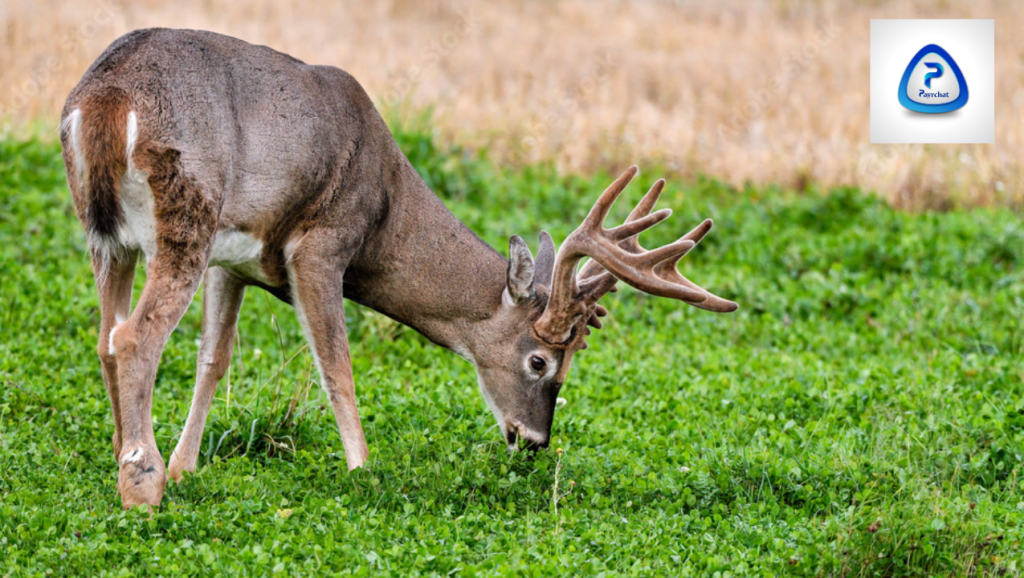
Have you ever wondered if deer can safely eat dog kibble? If you feed your dog outside or leave food in your yard, you might be curious about what happens when deer come across it.
Understanding whether dog food is good or harmful for deer is important—not just for the animals, but for your peace of mind too. Keep reading to discover the surprising facts about deer and dog kibble, so you know exactly what’s best for both your furry friend and the wild visitors stopping by.
Credit: zignature.com
Deer Diet Basics
Understanding what deer eat is important before offering any food to them. Deer have specific diets that suit their bodies and environments. Their natural diet helps them stay healthy and active. Knowing what deer normally eat can explain if dog kibble fits into their diet.
Natural Food Sources
Deer mainly eat plants. Their diet changes with seasons and availability. Common foods include:
- Leaves from trees and shrubs
- Grass and herbs
- Fruits like berries and apples
- Twigs and buds in winter
- Acorns and nuts
Deer spend a lot of time grazing and browsing. They prefer fresh, green plants but adapt to other foods if needed.
Nutritional Needs
Deer need a diet rich in fiber and low in fat. Their stomachs digest plants efficiently. Key nutrients for deer are:
- Carbohydrates for energy
- Protein for muscle growth and repair
- Vitamins and minerals for overall health
- Water to stay hydrated
Deer lack enzymes to digest certain processed foods. Their bodies rely on natural plant materials for proper nutrition.
Credit: zignature.com
Dog Kibble Ingredients
Dog kibble is specially made food designed to meet a dog’s dietary needs. It contains various ingredients that provide energy and nutrients. Understanding these ingredients helps explain whether deer can safely eat dog kibble.
Common Components
- Meat and animal by-products: primary protein sources
- Grains like corn, wheat, or rice for carbohydrates
- Vegetables and fruits for vitamins and fiber
- Fats and oils for energy and healthy skin
- Vitamins and minerals to support overall health
- Additives for flavor and preservation
Nutritional Value
Dog kibble offers a balanced mix of proteins, fats, and carbs. It supports a dog’s active lifestyle and muscle health. Nutrients like calcium and phosphorus help bone strength.
However, this balance suits dogs, not wild animals like deer. Nutrient levels may not match what deer need. Some ingredients could cause digestive problems for them.
Deer Eating Dog Kibble
Deer Eating Dog Kibble is an unusual but real behavior observed in some wildlife areas. Deer usually eat plants, leaves, and fruits. Yet, they sometimes try different food sources, including dog kibble. Understanding why deer eat dog kibble helps us learn about their habits and needs.
Why Deer Might Eat Kibble
Deer are curious animals and may sample new foods. Dog kibble has a strong smell that can attract deer. It contains proteins and fats that deer find appealing. During harsh seasons, when natural food is scarce, deer may eat kibble for extra energy. The crunchiness of kibble also satisfies their need to chew.
Sometimes, deer live near human homes or parks where dog kibble is easily available. This easy food source can tempt them. Deer might learn that kibble is a quick way to get calories without much effort.
Instances In The Wild
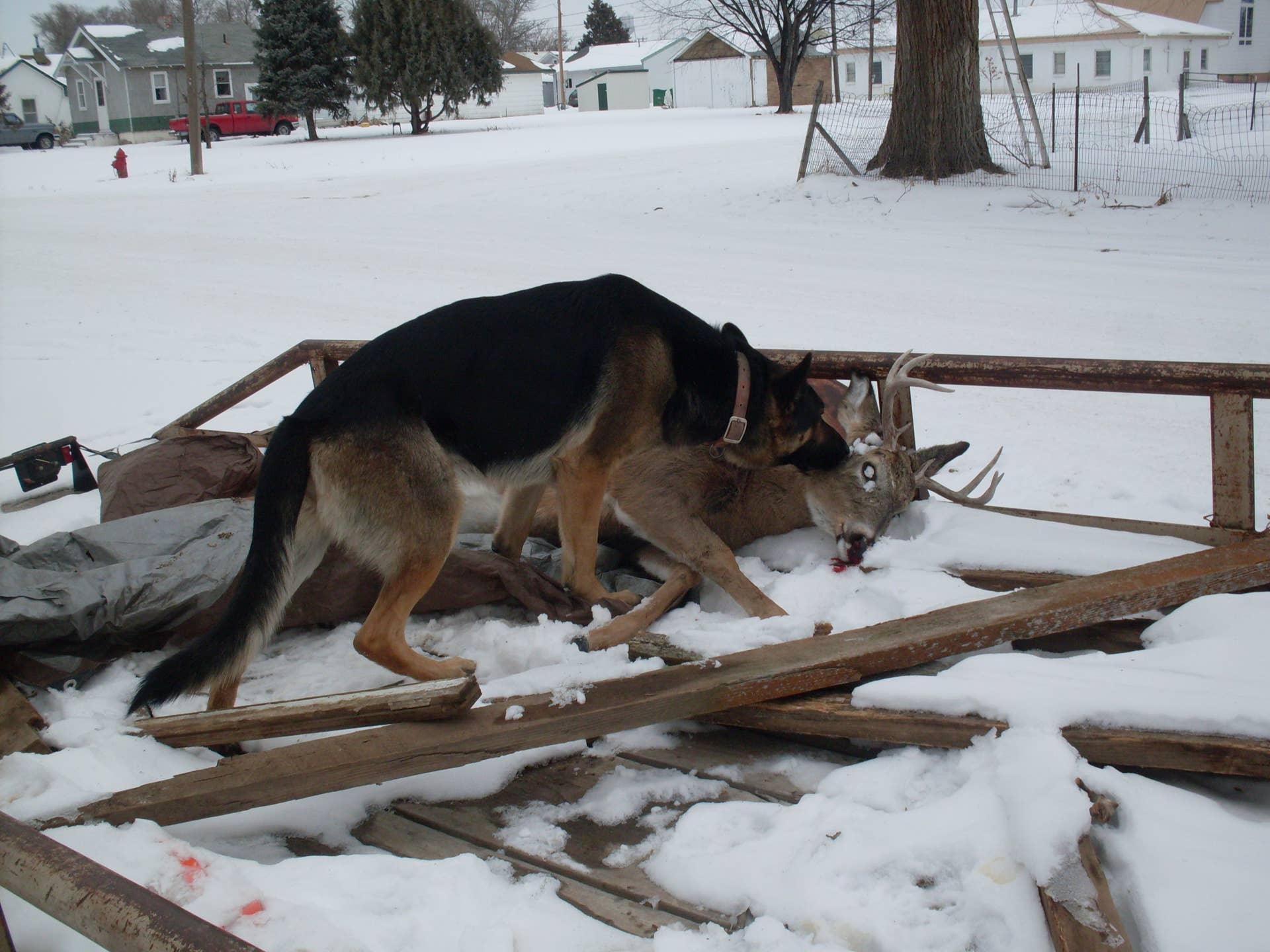
People have reported seeing deer eating dog kibble near trails and backyards. Wildlife cameras captured deer nibbling on spilled dog food. In some parks, deer visit pet feeding areas and eat leftover kibble. These instances show deer can adapt their diet based on what is around them.
Feeding deer dog kibble is not recommended. It can cause health problems for deer. Wild deer need natural food to stay healthy. Observing these behaviors helps us protect deer and keep their environment safe.
Health Risks For Deer
Deer eating dog kibble face several health risks that can harm their well-being. Dog food is not made for deer, and their bodies may react badly to it. This section explains the main health concerns for deer eating dog kibble.
Potential Harmful Effects
Dog kibble contains ingredients that may be toxic to deer. It often has high protein and fat levels that deer cannot process well. Some additives and preservatives in dog food can cause allergic reactions or poisoning in deer.
Eating dog kibble can change a deer’s natural diet. This may lead to nutritional imbalances. Deer need specific minerals and plants to stay healthy. Dog kibble lacks these essential nutrients, which can weaken their immune system and overall health.
Digestive Issues
Deer have sensitive digestive systems designed for plants and grasses. Dog kibble is hard for them to digest. This can cause stomach pain, diarrhea, or constipation. Long-term feeding on dog kibble may damage a deer’s gut bacteria.
Improper digestion can reduce nutrient absorption. Deer may lose weight and energy. Their body becomes more vulnerable to infections and diseases. Digestive problems can shorten the life span of deer that eat dog kibble regularly.
Impact On Ecosystem
Deer eating dog kibble can affect the ecosystem in many ways. This human food is not natural for deer. It may change how deer behave and impact the environment around them. Understanding these effects helps protect wildlife and nature.
Behavioral Changes
Deer may start depending on dog kibble for food. This makes them less likely to search for natural plants. They may lose their natural fear of humans. Feeding on dog food can cause deer to gather in large groups. This can increase disease spread among them.
Environmental Concerns
Dog kibble can pollute natural habitats. Leftover food attracts other animals like raccoons and rodents. This can disrupt the balance of local wildlife. Chemicals and preservatives in kibble may harm soil and water quality. These changes can affect plants and animals in the area.
Guidance For Pet Owners
As a pet owner, you might wonder if sharing dog kibble with local wildlife like deer is harmless or even helpful. While it may seem like a kind gesture, it’s important to understand the potential risks and responsibilities involved. Protecting your pets and the environment starts with clear and informed actions you can take right now.
Preventing Deer Access
Keeping deer away from your dog’s food is crucial. Deer are attracted to the smell and nutrients in dog kibble, but their digestive systems are not designed for it. This can lead to health problems for the deer and potential contamination of your pet’s food.
Here are some practical steps to prevent deer from reaching your dog’s food:
- Store dog food indoors or in sealed containers to block scent trails.
- Feed your dog at specific times and clean up leftover kibble immediately.
- Use fencing or natural barriers like dense shrubs to limit deer entry points.
Have you noticed deer lingering near your yard? Adjusting these habits can reduce unwanted visits and protect both your dog and wildlife.
Safe Feeding Practices
Feeding your dog safely means considering more than just taste and nutrition. If deer do access dog kibble, they might consume ingredients that upset their stomach or cause long-term harm.
To ensure safety for both pets and wildlife, follow these guidelines:
- Never intentionally feed dog kibble to deer or other wild animals.
- Choose pet food with natural ingredients and avoid additives that could be harmful if ingested by wildlife.
- Keep feeding areas clean and monitor for signs of wildlife interference regularly.
Think about how your daily feeding routine can impact not only your pet but also the environment around you. Could small changes make a big difference?
Credit: pethelpful.com
Frequently Asked Questions
Can Deer Safely Eat Dog Kibble?
Deer can eat dog kibble, but it’s not ideal for them. Dog kibble lacks the necessary nutrients deer need. It’s better to provide them with their natural diet, such as plants and foliage. Consuming kibble regularly can lead to nutritional imbalances for deer.
Why Might Deer Eat Dog Kibble?
Deer might eat dog kibble due to scarcity of natural food sources. During winter or droughts, they may resort to alternative food. While it’s not toxic, kibble doesn’t offer the nutrients deer require. Always prioritize providing deer with their natural diet whenever possible.
Is Dog Kibble Harmful To Deer?
Dog kibble isn’t inherently harmful to deer, but it’s not recommended. It lacks essential nutrients that deer need for health. Regular consumption can lead to nutritional deficiencies. It’s crucial to offer food that’s natural and suitable for their digestive system.
How Can I Stop Deer From Eating Dog Kibble?
To deter deer from eating dog kibble, store it securely in containers. Feed pets indoors or supervise outdoor feeding. You can also use deer repellents around feeding areas. Providing alternative natural food sources can also help keep deer away from pet food.
Conclusion
Deer may nibble on dog kibble out of curiosity. It is not a natural or healthy food for them. Their diet needs plants, leaves, and fruits for good health. Feeding deer dog food can cause digestive problems. It is best to let deer eat what nature provides.
Observing wildlife from a distance keeps animals safe and wild. Remember, caring for deer means respecting their natural habits. Avoid feeding them human or pet food to keep them healthy.

Emily Barker is the founder of ChillDogLife.com, a space dedicated to helping pup parents discover the best dog products, lifestyle tips, and cozy ideas for happier homes.
A lifelong dog lover, Emily combines her passion for pets with a knack for research to share trusted recommendations on everything from toys and furniture to health and everyday care.
Her goal is simple: to make life easier, stylish, and more joyful for dogs and the people who love them.




