
Have you ever found a wet spot on your bed and wondered, “Why does my dog wee on my bed?” It can be frustrating and confusing, especially when you love your furry friend and want to keep your space clean. But don’t worry—you’re not alone, and there are reasons behind this behavior that you can understand and address.
You’ll discover the surprising causes and simple solutions to stop your dog from turning your bed into their bathroom. Keep reading—because your peace of mind and your dog’s happiness matter.

Credit: rockykanaka.com
Common Causes Of Bed Urination
Understanding why your dog is urinating on your bed can be frustrating and confusing. There are several common causes behind this behavior, and identifying the right one is key to solving the problem. Let’s look at some of the main reasons your dog might be choosing your bed as their bathroom.
Medical Issues
Health problems can cause your dog to lose control over their bladder. Urinary tract infections, bladder stones, or kidney disease often lead to frequent or urgent urination. If your dog suddenly starts wetting your bed, a vet visit is essential to rule out medical causes.
Even older dogs may develop incontinence or other age-related issues that make it hard to hold their urine. Ignoring medical signs can worsen the problem, so timely diagnosis is important.
Behavioral Problems
Sometimes, your dog’s bed-wetting is related to behavior rather than health. Puppies may not have full bladder control yet, or your dog might not be fully house-trained. In some cases, a dog may urinate indoors due to confusion or a lack of clear boundaries.
Have you noticed if your dog is following a consistent bathroom routine? Inconsistent training or sudden changes in environment can trigger accidents on your bed.
Marking Territory
Dogs often use urination to mark their territory, especially if they feel their space is being threatened. This is common in multi-pet households or if there are new people or animals around. Your bed, smelling like you, can become a prime spot for your dog to leave their scent.
If your dog has started marking recently, think about any changes at home. Has a new pet arrived, or has someone unfamiliar been visiting?
Anxiety And Stress
Stress can cause dogs to urinate in places they normally wouldn’t. Separation anxiety, loud noises, or changes in routine can all trigger this behavior. Your bed might feel like a safe place, so your dog might urinate there when feeling anxious.
Does your dog seem nervous or restless before accidents? Helping your dog feel secure through calming techniques or professional support can reduce bed urination caused by stress.
Medical Conditions To Watch For
Dogs urinating on beds can signal health problems. Spotting medical issues early helps your dog feel better fast. Below are common medical conditions that may cause this behavior.
Urinary Tract Infections
Urinary tract infections cause frequent and painful urination. Dogs may not reach the bathroom in time. This often leads to accidents on soft surfaces like beds. Watch for licking of the genital area and signs of discomfort.
Bladder Stones
Bladder stones irritate the bladder lining and block urine flow. This causes sudden urges to pee and accidents. Stones can cause blood in the urine. A vet can diagnose and treat bladder stones effectively.
Incontinence
Incontinence means loss of bladder control. Older dogs often develop this problem. Incontinence causes leaking urine, especially during sleep. It may result from weak muscles or nerve issues. Special pads and vet care can help manage it.
Diabetes
Diabetes increases urine production and thirst. Dogs pee more often and in larger amounts. This can lead to accidents around the house, including beds. Early diagnosis and treatment improve your dog’s quality of life.
Behavioral Triggers
Behavioral triggers often cause dogs to urinate on beds. These triggers relate to how dogs think and feel. Understanding these reasons helps solve the problem.
Lack Of Proper Training
Some dogs do not learn where to urinate. Without clear rules, they may see the bed as okay. Training teaches dogs the right place to go. Consistency is key for success.
Attention-seeking Behavior
Dogs want attention from their owners. Sometimes, they pee on the bed to get noticed. Even negative attention works for them. This behavior shows they want more interaction.
Changes In Routine
Dogs like a steady daily routine. Sudden changes can confuse and stress them. This stress may cause accidents on the bed. Keeping routines stable helps prevent this.
Separation Anxiety
Separation anxiety makes dogs feel scared alone. They may pee on the bed as a comfort act. This behavior shows fear and stress. Helping dogs feel safe reduces this issue.
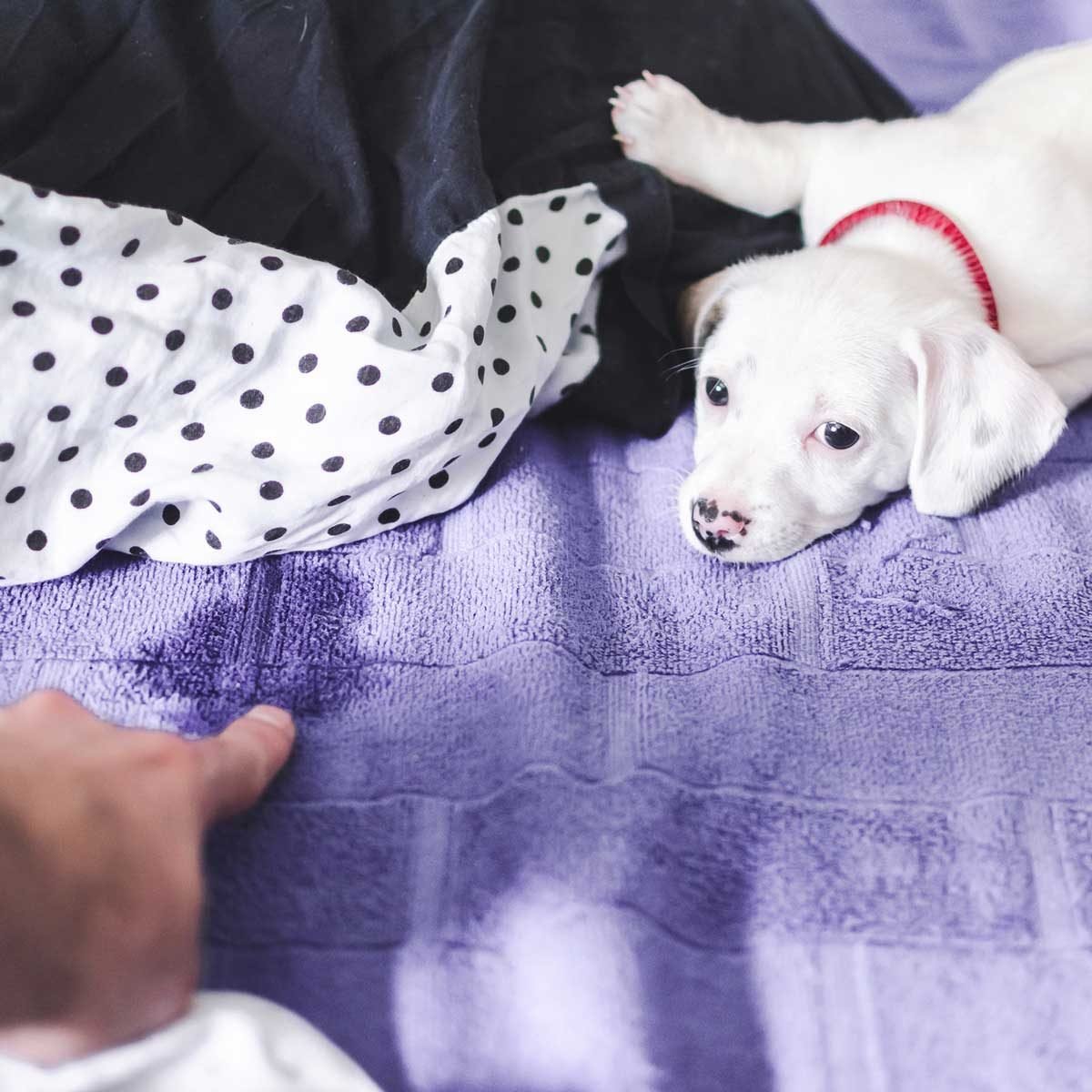
Credit: www.embassyofpakistanusa.org
How Territory Marking Works
Understanding how territory marking works can shed light on why your dog chooses your bed as a spot to wee. Dogs use marking to communicate with other animals and to feel secure in their environment. This behavior is deeply rooted in their instincts and serves several purposes beyond just claiming space.
Scent Marking Basics
Scent marking is your dog’s way of leaving a message in their environment. They use urine, glands, or even scratching to deposit their unique scent.
This scent acts like a signature, telling other dogs, “This is mine.” It’s a natural behavior seen in wild canines and domestic dogs alike.
Have you noticed your dog sniffing around before marking? They’re checking for other scents to decide if they need to reinforce their claim.
Triggers For Marking
Various factors can trigger your dog to mark territory, including new environments, the presence of other animals, or changes in the household.
Stress or anxiety often increase marking behavior, as your dog tries to regain a sense of control. This is why changes like moving furniture or guests visiting can lead to unexpected wee spots.
Even a simple scent left by a neighborhood dog on your bed can prompt your pet to respond with their own mark.
Male Vs Female Marking
Both male and female dogs mark territory, but their behavior can differ in frequency and style. Males often mark more frequently, especially unneutered ones, as a way to assert dominance.
Female dogs may mark in response to hormonal cycles or when they feel threatened. Neutering or spaying can reduce marking but doesn’t always eliminate it.
Have you noticed if your dog's marking behavior changes with their mood or health? Paying attention to these clues can help manage the issue effectively.
Stress And Anxiety Effects
Stress and anxiety can cause a dog to urinate on your bed. Dogs feel emotions deeply. When stressed, they may lose control of their bladder. This behavior is a way to express their discomfort or seek comfort.
Understanding the signs of stress is key to helping your dog. Knowing what triggers anxiety helps prevent accidents. Using calming methods can improve your dog’s well-being and stop unwanted urination.
Identifying Stress Signs
- Excessive panting or drooling
- Restlessness or pacing
- Whining or barking without reason
- Avoiding eye contact or hiding
- Changes in appetite or sleep
- Shaking or trembling
Common Anxiety Causes
- Changes in routine or environment
- Separation from family members
- Loud noises like thunder or fireworks
- New pets or people in the home
- Past trauma or negative experiences
- Lack of exercise or mental stimulation
Calming Techniques
- Provide a safe, quiet space for your dog
- Use gentle, consistent routines daily
- Offer toys and puzzles for mental play
- Practice slow petting and soothing voices
- Try calming scents or music designed for dogs
- Consider professional advice if anxiety persists

Credit: www.petscare.com
Preventing Bed Urination
Preventing your dog from urinating on your bed requires a combination of patience, observation, and practical steps. Understanding why it happens is just the start; the real challenge is changing the behavior. You can create a comfortable, clean space for your dog while protecting your bedding with the right approach.
Training Tips
Start by reinforcing where your dog is allowed to pee. Use clear commands and praise when they go in the right place. Consistency is key—take your dog outside frequently, especially after meals or naps.
Consider crate training if your dog feels secure there. Dogs usually avoid soiling their sleeping area, making this a natural deterrent. If your dog has accidents on the bed, gently redirect them to their designated spot without punishment.
Medical Treatments
Sometimes, bed urination signals a medical issue like a urinary tract infection or bladder problems. If your dog suddenly starts peeing on your bed, get a vet check-up promptly. Treatment could involve antibiotics or medication to control incontinence.
Discuss with your vet about any behavioral or hormonal treatments if the problem is linked to anxiety or age. Medication might help reduce accidents while you work on training and environmental changes.
Environmental Changes
Make your bed less accessible by closing doors or using baby gates. If your dog still manages to get on the bed, try placing a waterproof cover to protect your mattress. Create a cozy, appealing area for your dog with a comfortable bed and toys.
Sometimes, removing scents from previous accidents using enzymatic cleaners can prevent repeat behavior. Ask yourself, is your dog’s sleeping space inviting enough compared to your bed? Enhancing their own spot can reduce the temptation.
Using Deterrents
Deterrents can help discourage your dog from jumping on the bed. Use safe, pet-friendly sprays that dogs dislike but won’t harm them. You can also place objects like aluminum foil or double-sided tape temporarily on the bed to make it less appealing.
Remember, deterrents work best combined with positive reinforcement elsewhere. What small change could you make right now to keep your dog off your bed? Trying different deterrents might reveal what your dog responds to best.
Cleaning And Odor Removal
Cleaning up after your dog urinates on your bed is crucial not only for hygiene but also to prevent your pet from repeating the behavior. The key is to remove all traces of urine and odor completely. If any scent lingers, your dog might think the bed is still an acceptable spot to relieve itself.
Effective Cleaning Methods
Start by blotting the wet area with paper towels or a clean cloth to soak up as much urine as possible. Avoid rubbing, as this pushes the liquid deeper into the mattress or bedding.
Next, use cold water to rinse the affected spot. Warm or hot water can set the stain and odor, making it harder to remove.
After rinsing, apply a cleaning solution and let it sit for 10 to 15 minutes before blotting it out. This helps break down urine crystals and neutralizes the smell.
Products To Use
- Enzymatic Cleaners:These break down urine molecules and eliminate odors effectively. Brands like Nature’s Miracle or Rocco & Roxie are popular choices.
- White Vinegar Solution:Mix equal parts of white vinegar and water to neutralize urine odor naturally. It’s safe for most fabrics and bedding.
- Baking Soda:After cleaning, sprinkle baking soda on the area and leave it overnight to absorb odors. Vacuum it thoroughly the next day.
Preventing Recurrence
Have you thought about why your dog chooses your bed? Sometimes, it’s about marking territory or seeking comfort.
Ensure your dog has a clean, comfortable space of their own. Regular bathroom breaks and positive reinforcement when they pee outside can reduce accidents.
Lastly, keep your bed inaccessible when you’re not around. Closing doors or using pet gates can help break the habit before it starts again.
Frequently Asked Questions
Why Does My Dog Wee On My Bed?
Dogs may wee on your bed due to anxiety, marking territory, or needing more bathroom breaks. It could also be a sign of a medical issue like a urinary tract infection. Observing your dog’s behavior and consulting a vet can help address the problem effectively.
How Can I Stop My Dog From Doing This?
To stop your dog, ensure regular bathroom breaks and maintain a consistent routine. Clean the bed thoroughly to remove any scent marks. Consider using deterrents like pet-friendly sprays. Training and positive reinforcement can also discourage the behavior.
Is This Behavior A Sign Of Anxiety?
Yes, it can be a sign of anxiety. Dogs often display such behavior when stressed or feeling insecure. Identifying triggers and providing a calm environment can help. Consulting a veterinarian or a behaviorist can offer more tailored solutions.
Could Health Issues Cause This Behavior?
Yes, health issues like urinary tract infections or bladder problems can cause this behavior. If your dog suddenly starts this, consult a veterinarian. Early diagnosis and treatment can prevent complications and ensure your dog’s well-being.
Conclusion
Dogs sometimes wee on beds because of stress, health, or habit. Knowing why helps you fix the problem. Check your dog’s health first with a vet. Keep your dog’s bed clean and comfy. Train your dog gently to use the right place.
Patience and care make a big difference here. Your dog wants comfort and love, just like you. Understanding this behavior improves your bond every day. Keep trying, and you will see progress soon.

Emily Barker is the founder of ChillDogLife.com, a space dedicated to helping pup parents discover the best dog products, lifestyle tips, and cozy ideas for happier homes.
A lifelong dog lover, Emily combines her passion for pets with a knack for research to share trusted recommendations on everything from toys and furniture to health and everyday care.
Her goal is simple: to make life easier, stylish, and more joyful for dogs and the people who love them.




