Crate training your dog can feel like a big task, and you might be wondering, “How long will this take?” You want your furry friend to feel safe and comfortable, but you also want to see progress without frustration. The truth is, every dog is different, and the time it takes can vary.
But don’t worry—knowing what to expect can make the process smoother for both you and your dog. You’ll discover clear answers and practical tips to help you crate train your dog effectively and confidently. Keep reading to find out exactly how long it might take and how to make the most of every step.
Crate Training Basics
Crate training is a powerful tool to help your dog feel secure and learn good habits. It’s more than just putting your dog in a crate; it’s about making the crate a positive space. Understanding the basics sets the stage for a smooth training experience that respects your dog’s needs and personality.
Choosing The Right Crate
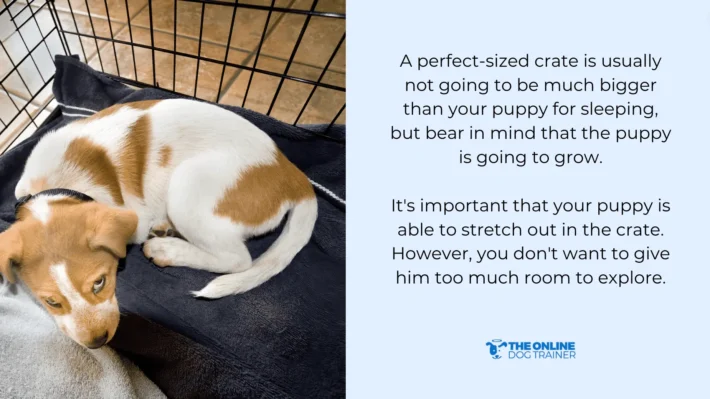
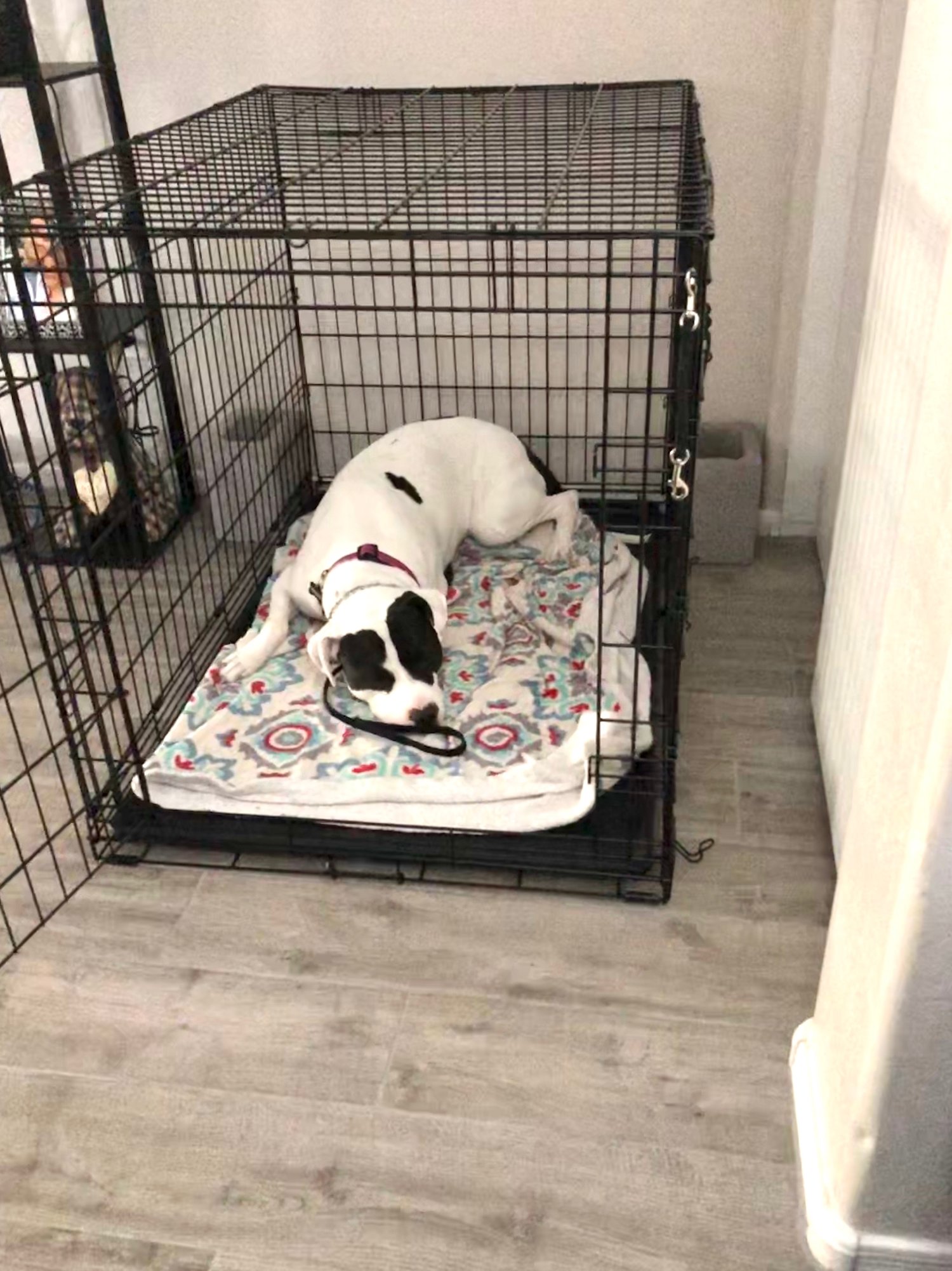
The crate should be just the right size—not too big, not too small. Your dog needs enough room to stand, turn around, and lie down comfortably.
Think about your dog’s breed and growth if you have a puppy. A crate with adjustable dividers can be a smart choice.
Materials matter too. Wire crates offer ventilation and visibility, while plastic crates provide coziness and privacy. Which would your dog prefer?
Setting Up The Crate
Make the crate inviting by adding soft bedding or a blanket. Avoid making it too plush, as dogs instinctively keep their sleeping area clean.
Place the crate in a spot where your family spends time, so your dog doesn’t feel isolated. A quiet corner with some activity nearby often works well.
Keep a few favorite toys inside to encourage your dog to enter willingly. Have you noticed how your dog reacts to certain toys or scents? Use those to your advantage.
Introducing Your Dog To The Crate
Start slow. Leave the door open and let your dog explore the crate at their own pace.
Use treats and praise when your dog shows interest in the crate. This builds positive associations without pressure.
Gradually increase the time your dog spends inside, always staying nearby to offer comfort. Have you observed your dog’s body language during these moments? Adjust your approach accordingly.
Credit: theonlinedogtrainer.com
Timeline For Crate Training
Crate training a dog takes time and patience. The timeline varies for each dog based on many factors. Understanding the typical stages and signs of progress helps set realistic expectations. This section breaks down the timeline for effective crate training.
Factors Affecting Training Duration
- Age of the dog: Puppies often learn faster than adult dogs.
- Breed traits: Some breeds adapt quickly; others need more time.
- Previous crate experience: Dogs familiar with crates adjust faster.
- Consistency: Daily, regular training speeds up progress.
- Owner’s patience: Calm and positive reinforcement helps training succeed.
- Dog’s temperament: Anxious dogs may take longer to feel safe.
Typical Training Stages
- Introduction: The dog explores the crate with treats and toys.
- Short stays: Gradually increase time the dog spends inside.
- Extended stays: The dog learns to stay calm for longer periods.
- Overnight stays: The dog sleeps comfortably in the crate.
- Independence: The dog enjoys the crate as a safe space.
Signs Of Progress
- The dog enters the crate without hesitation.
- Relaxed body language inside the crate.
- Quiet behavior during crate time.
- Ability to stay alone calmly for increasing durations.
- Sleeping or resting calmly in the crate overnight.
Daily Crate Training Routine
Creating a consistent daily crate training routine is key to helping your dog feel comfortable and secure. Your dog will learn faster when you stick to a clear plan that balances crate time with plenty of breaks and interaction. Let’s break down how to set up your daily routine for success.
Establishing A Schedule
Start by choosing specific times for crate sessions. Dogs thrive on routine, so try to crate your dog at similar times each day.
Plan crate times around your dog’s natural schedule—after meals, naps, and play sessions work well. This predictability reduces anxiety and confusion.
Have you noticed how your dog behaves differently depending on the time of day? Adjust your schedule to match their energy levels and needs for best results.
Duration Of Crate Time
Keep crate sessions short at first—about 15 to 30 minutes—and gradually increase the time as your dog gets comfortable. Avoid leaving your dog in the crate for more than a few hours at once, especially for puppies.
Remember, long stretches can cause stress or accidents. A good rule is to limit crate time to one hour per month of age, up to a maximum of about 4 hours.
Watch your dog’s reaction closely. If they’re whining or scratching to get out, it might be time to shorten sessions or add more frequent breaks.
Balancing Crate Time And Playtime
Your dog needs plenty of play and social interaction outside the crate. Use crate time as a calm break, not a punishment.
Mix crate sessions with active play, walks, and training to keep your dog happy and healthy. For example:
- After 30 minutes in the crate, reward your dog with a walk or a fun game.
- Use crate time for rest, then follow up with interactive play to burn energy.
How do you keep your dog balanced between rest and activity? Finding the right mix improves crate training success and builds trust between you and your pet.
Common Challenges
Crate training a dog can bring many benefits but also some common challenges. These challenges often test patience and consistency. Understanding these issues helps create a smoother training process. Addressing problems early can prevent bad habits from forming. Each dog is different, and some may face unique struggles.
Dealing With Whining And Barking
Whining and barking are common signs of discomfort or anxiety. Dogs may use these sounds to ask for attention or to signal they need a break. Ignoring this behavior is important to avoid reinforcing it. Responding too quickly can teach dogs that noise leads to freedom. Try to wait until the dog is calm before opening the crate.
Handling Resistance To The Crate
Some dogs resist entering the crate at first. This resistance can come from fear or past negative experiences. Making the crate inviting helps reduce fear. Use treats, toys, and soft bedding inside the crate. Let the dog explore the crate on their own terms. Patience is key. Never force a dog inside the crate.
Avoiding Negative Associations
Negative associations can make crate training difficult. If a dog links the crate with punishment, it will avoid it. Avoid using the crate as a time-out or punishment spot. Keep the crate a safe and happy space. Feed meals and give treats inside the crate. This builds positive feelings and trust. Consistency in this approach helps the dog relax.
Tips For Success
Success in crate training depends on the approach and daily habits. Using the right strategies helps your dog feel safe and happy. Training becomes easier and faster with simple, clear actions.
Positive Reinforcement Techniques
Reward your dog with praise and treats when it enters the crate. This builds a positive connection to the crate. Avoid punishment or scolding, as this creates fear. Use gentle words and petting to encourage good behavior.
Using Toys And Treats
Place favorite toys or chew items inside the crate. This keeps your dog busy and relaxed while inside. Use tasty treats to lure your dog in at first. Gradually, your dog will enjoy spending time in the crate alone.
Patience And Consistency
Train in short, regular sessions each day to avoid stress. Keep a routine so your dog knows what to expect. Do not rush the process; every dog learns at its own speed. Stay calm and steady for the best results.

Credit: www.skipperspetproducts.com
When To Seek Professional Help
Knowing when to seek professional help during crate training can save both you and your dog a lot of frustration. Sometimes, despite your best efforts, progress stalls or challenges arise that feel overwhelming. Recognizing these moments early lets you find the right support and keep your training on track.
Recognizing Training Plateaus
Have you noticed your dog’s progress slowing down or stopping altogether? This is a common sign of a training plateau. Your dog might stop entering the crate willingly or show signs of anxiety that don’t improve.
If you’ve tried adjusting your approach without success, it’s time to consider outside help. Plateaus can occur when your training techniques no longer match your dog’s needs or when underlying behavioral issues exist.
Finding A Trainer
Look for a trainer who specializes in positive reinforcement and crate training. Avoid trainers who use punishment-based methods, as these can worsen anxiety and resistance.
Ask about their experience with dogs similar to yours and request references or reviews. A good trainer will observe your dog’s behavior, tailor a plan, and teach you how to continue training confidently at home.
Additional Resources
- Online forums where you can ask questions and share experiences with other dog owners
- Books by certified dog trainers focusing on crate training techniques
- Local dog training classes that offer group or private sessions
- Behavioral specialists if anxiety or aggression is part of the problem
Have you considered what might be missing from your current training routine? Sometimes, a fresh perspective or new tools can make all the difference in helping your dog feel safe and happy in their crate.
Credit: www.sadiesrulesk9training.com
Frequently Asked Questions
How Long Does Crate Training Take?
Crate training duration varies for each dog, but it typically takes a few weeks. Consistency is key. Puppies might adapt faster, while older dogs could take longer. Patience and positive reinforcement are essential for success.
Can All Dog Breeds Be Crate Trained?
Yes, all dog breeds can be crate trained with patience and consistency. Each dog is unique, so the time required may vary. Some breeds may adapt faster, while others might need more time and encouragement.
What Age Should You Start Crate Training?
You can start crate training as early as 8 weeks old. Begin with short sessions and gradually increase the time. Early crate training helps puppies feel secure and comfortable, promoting positive behavior.
How Do You Make A Crate Comfortable?
To make a crate comfortable, use soft bedding and toys. Ensure proper ventilation and maintain a pleasant temperature. Familiar scents, like a blanket or clothing, can help your dog feel secure and relaxed.
Conclusion
Crate training takes time and patience from you and your dog. Each dog learns at its own speed. Consistency helps your dog feel safe and comfortable. Keep training sessions short and positive. Avoid rushing the process to prevent stress. Celebrate small wins along the way.
Soon, your dog will enjoy the crate as a cozy space. Remember, kindness and routine make crate training successful. Stay calm and keep trying every day. Your effort will pay off with a happy, well-trained dog.

Emily Barker is the founder of ChillDogLife.com, a space dedicated to helping pup parents discover the best dog products, lifestyle tips, and cozy ideas for happier homes.
A lifelong dog lover, Emily combines her passion for pets with a knack for research to share trusted recommendations on everything from toys and furniture to health and everyday care.
Her goal is simple: to make life easier, stylish, and more joyful for dogs and the people who love them.




