
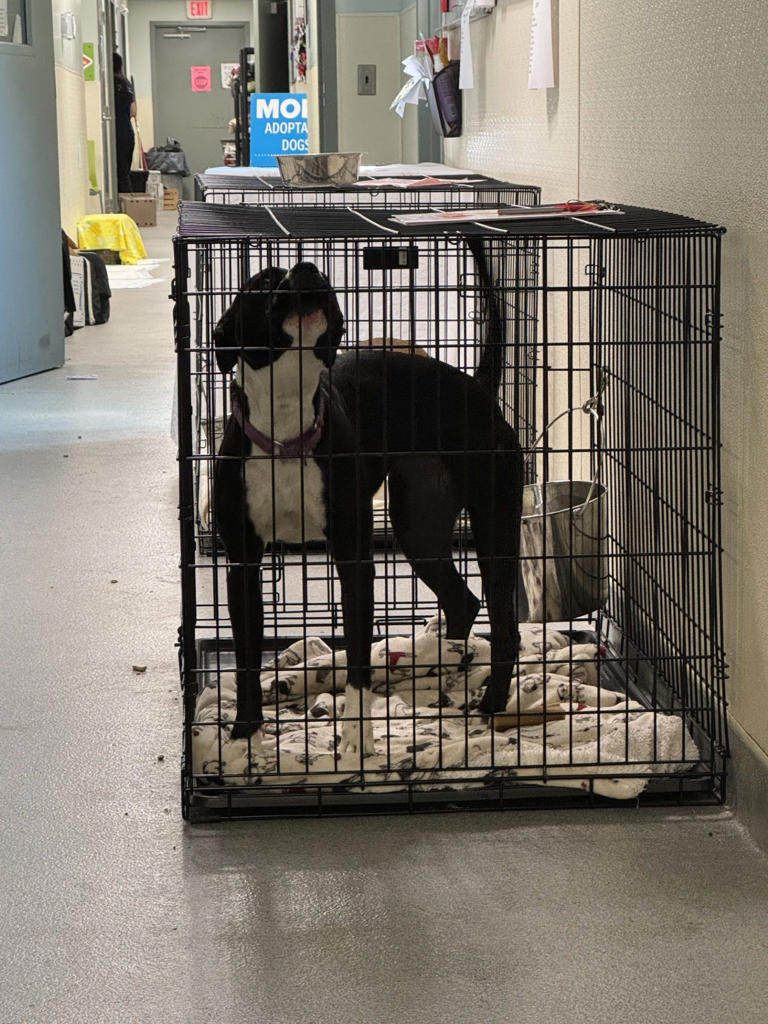
Is your dog constantly barking when inside their kennel? You’re not alone, and it can be frustrating to deal with the noise and stress.
But imagine a calm, quiet kennel where your dog feels safe and relaxed. You can get there faster than you think. You’ll discover simple, effective ways to help your dog stop barking in the kennel. By understanding why your dog barks and using easy techniques, you’ll create a peaceful space for both of you.
Keep reading—you’re just a few steps away from a quieter, happier kennel time.
Credit: www.msn.com
Reasons For Barking In Kennels
Understanding why your dog barks in the kennel is the first step to calming them down. Dogs use barking to communicate, but the reasons behind this behavior can vary widely. Pinpointing the cause helps you respond effectively and create a more peaceful environment for your pet.
Fear And Anxiety
Many dogs bark in kennels because they feel scared or anxious. The unfamiliar space and separation from you can trigger stress. Have you noticed your dog pacing or whining before the barking starts? These signs often point to fear.
Helping your dog feel safe can reduce barking. Try adding familiar blankets or toys to the kennel. Speaking softly or sitting nearby might also ease their anxiety.
Boredom And Loneliness
Barking can be a way your dog expresses boredom or loneliness while in the kennel. If your dog is used to constant activity or social interaction, the quiet kennel might feel isolating. Does your dog seem restless or overly excited when you return?
Providing chew toys or puzzle feeders can keep their mind busy. Shortening kennel time or offering regular breaks for play and attention can also help.
Territorial Behavior
Some dogs bark to protect what they see as their territory—even if it’s just the kennel. They may react to noises or movements outside the kennel by barking to warn off perceived intruders. Does your dog bark at every passerby or sound?
Training your dog to associate the kennel with positive experiences can reduce territorial barking. Practicing quiet commands and rewarding calm behavior helps your dog understand when barking is unnecessary.
Creating A Comfortable Environment
Getting your dog to stop barking in their kennel often starts with making the space feel safe and inviting. A comfortable environment helps reduce anxiety, which is a common cause of excessive barking. When your dog feels relaxed and secure, they are less likely to vocalize out of stress or boredom.
Appropriate Bedding And Toys
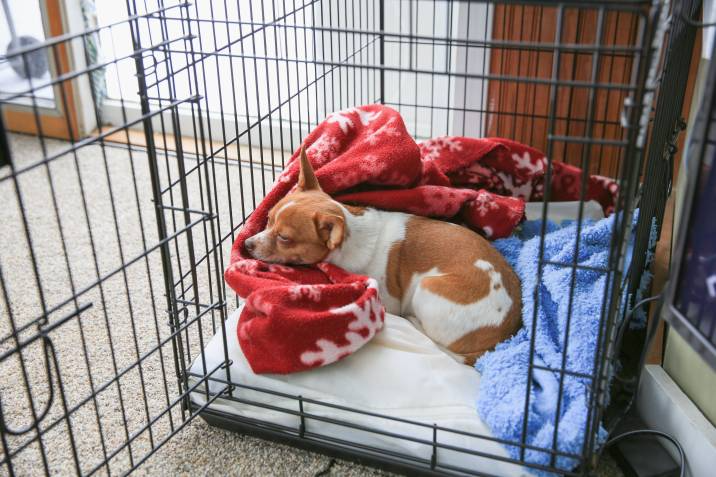
Soft, cozy bedding can make a big difference in how your dog perceives their kennel. Choose materials that are easy to clean but still provide warmth and comfort. Adding familiar toys or chew items can also keep your dog entertained and focused, reducing barking caused by restlessness.
Think about your dog’s preferences: do they like plush toys, or do they prefer something to chew on? Rotating toys regularly keeps things interesting and prevents boredom. Have you noticed how your dog reacts when you add a new toy to their kennel?
Temperature And Lighting Adjustments
Dogs are sensitive to their surroundings, especially temperature and light. Make sure the kennel is neither too hot nor too cold—extreme temperatures can make your dog uncomfortable and trigger barking. Providing shade or a blanket can help regulate temperature effectively.
Lighting also matters. Too bright or too dark can unsettle your dog. Try using soft, indirect lighting to create a calm atmosphere. Have you experimented with dimming lights or using a nightlight during kennel time?
Noise Reduction Techniques
Noise is a major trigger for barking, especially in kennels near busy areas. Using soundproofing materials or placing the kennel in a quieter part of your home can help. You might also consider white noise machines or calming music to mask disruptive sounds.
Have you ever noticed your dog barking more during certain noises, like sirens or traffic? Identifying specific triggers allows you to manage those sounds better. Reducing noise distractions helps your dog focus on resting rather than reacting.
Training Techniques
Training your dog to stop barking in the kennel takes patience and the right techniques. You need to focus on clear communication and rewarding good behavior. The goal is to help your dog feel calm and secure rather than anxious or ignored.
Positive Reinforcement
Reward your dog immediately when they stay quiet in the kennel. Use treats, praise, or a favorite toy as a reward. This helps your dog connect silence with positive outcomes.
Try to catch your dog in the act of being calm, not just when they stop barking after you ask. This encourages them to repeat the quiet behavior willingly. Have small, tasty treats ready to make the reward quick and effective.
Desensitization Strategies
Gradually get your dog used to the kennel environment and any triggers that cause barking. Start with short kennel stays and slowly increase the time as your dog becomes more comfortable. If your dog barks at noises or people passing by, expose them to these triggers at a low intensity first.
Use distractions like chew toys or puzzle feeders to keep your dog engaged while in the kennel. This shifts their focus away from barking and reduces anxiety. How can you make the kennel a place your dog wants to be rather than fears?
Consistency In Commands
Use the same commands each time you want your dog to stop barking, such as “quiet” or “enough.” Consistency helps your dog learn what you expect without confusion. Make sure everyone in the household uses the same words and tone.
Follow up the command with a reward when your dog listens. If they don’t, avoid yelling or punishment as it can increase stress and barking. Instead, calmly repeat the command and reward when they finally respond.
Calming Aids
Calming aids can make a big difference when your dog is barking in a kennel. These tools and remedies help reduce anxiety and create a sense of comfort. They work alongside training and patience to keep your furry friend calmer and quieter.
Natural Remedies
Some natural remedies can ease your dog's stress without side effects. Giving your dog a small dose of chamomile tea or valerian root can help soothe nerves. Always check with your vet before trying these to ensure they’re safe for your dog’s health.
Adding a few drops of CBD oil to your dog’s water or food is another option that many owners find effective. It’s important to monitor how your dog reacts and adjust accordingly. Have you noticed if your dog responds well to certain herbal supplements?
Use Of Calming Devices
Calming devices like pressure wraps or anxiety vests apply gentle pressure to your dog’s body. This mimics the feeling of being held, which can lower their stress levels. Many dogs feel more secure with these wraps, especially during kennel stays or travel.
White noise machines and soft music designed for dogs can also block out triggering sounds. These devices create a peaceful environment, reducing barking caused by sudden noises. Have you tried playing calming sounds while your dog is in the kennel?
Aromatherapy For Dogs
Aromatherapy uses scents to calm your dog’s mind. Lavender and chamomile oils are popular choices known for their relaxing effects. Use a diffuser safely placed away from your dog to spread the scent gently throughout the kennel area.
Be cautious with essential oils, as some can be harmful to dogs. Always use pet-safe products and avoid direct contact with your dog’s skin or nose. Have you considered how scents might change your dog’s behavior during kennel time?
Routine And Exercise
Establishing a solid routine and providing enough exercise helps reduce kennel barking. Dogs feel calmer and less anxious with a predictable schedule. Physical activity burns off excess energy that can cause noise. Mental challenges keep their minds busy and satisfied.
Scheduled Playtime
Set specific times each day for play sessions. Use toys like balls or tug ropes to engage your dog. Consistent playtime helps your dog expect and enjoy activity breaks. This lowers restlessness and barking in the kennel.
Regular Exercise Routines
Daily walks or runs are essential for energy release. Tailor exercise length to your dog’s age and breed. Exercise reduces boredom and promotes relaxation. A tired dog barks less and rests more comfortably.
Mental Stimulation Activities
Introduce puzzles and treat-dispensing toys. Training sessions with commands or tricks also stimulate the mind. Mental tasks keep dogs focused and calm. These activities reduce anxiety and curb excessive barking in the kennel.
Credit: www.airtasker.com
Professional Help
Getting professional help can make a big difference in stopping your dog from barking in the kennel. Experts understand dog behavior deeply. They provide clear advice and practical steps to calm your pet. Seeking help saves time and reduces stress for both you and your dog.
Consulting A Trainer
Dog trainers teach your pet how to behave well inside the kennel. They use positive methods to reward quiet behavior. Trainers show you ways to practice at home. Sessions focus on building trust and good habits. Trainers also help identify triggers that cause barking.
Behavioral Therapists
Behavioral therapists work with dogs that have strong anxiety or fear issues. They create special plans to address the root cause of barking. Therapists use gentle techniques to change your dog’s response. They guide you through exercises that reduce stress and improve comfort. Therapy can take time but leads to lasting change.
Veterinary Advice
Vets check if health problems cause your dog’s barking. Pain, illness, or hearing issues may increase noise. They suggest treatments or medicine if needed. Veterinarians also offer advice on diet and exercise. Healthy dogs tend to be calmer and bark less.
Credit: www.dogsavvylosangeles.com
Frequently Asked Questions
How Can I Stop My Dog Barking In Kennel At Night?
To stop nighttime barking, ensure your dog is well-exercised before bed. Use calming aids like soft music or pheromone sprays. Avoid sudden noises and provide a comfortable, familiar kennel environment to reduce anxiety and promote restful sleep.
Why Does My Dog Bark Excessively In The Kennel?
Excessive barking often indicates boredom, anxiety, or discomfort. Dogs bark to express stress or seek attention. Address these by increasing exercise, using positive reinforcement, and creating a cozy, secure kennel space to help your dog feel safe and calm.
What Training Methods Reduce Barking In A Dog’s Kennel?
Use positive reinforcement by rewarding quiet behavior. Teach the “quiet” command and practice it consistently. Avoid punishment, as it can increase anxiety. Gradual kennel acclimation and mental stimulation also help reduce barking over time.
Can Kennel Placement Affect My Dog’s Barking?
Yes, placing the kennel in a quiet, low-traffic area reduces barking triggers. Avoid noisy spots near doors or windows. A calm environment helps your dog feel secure, minimizing stress-induced barking in the kennel.
Conclusion
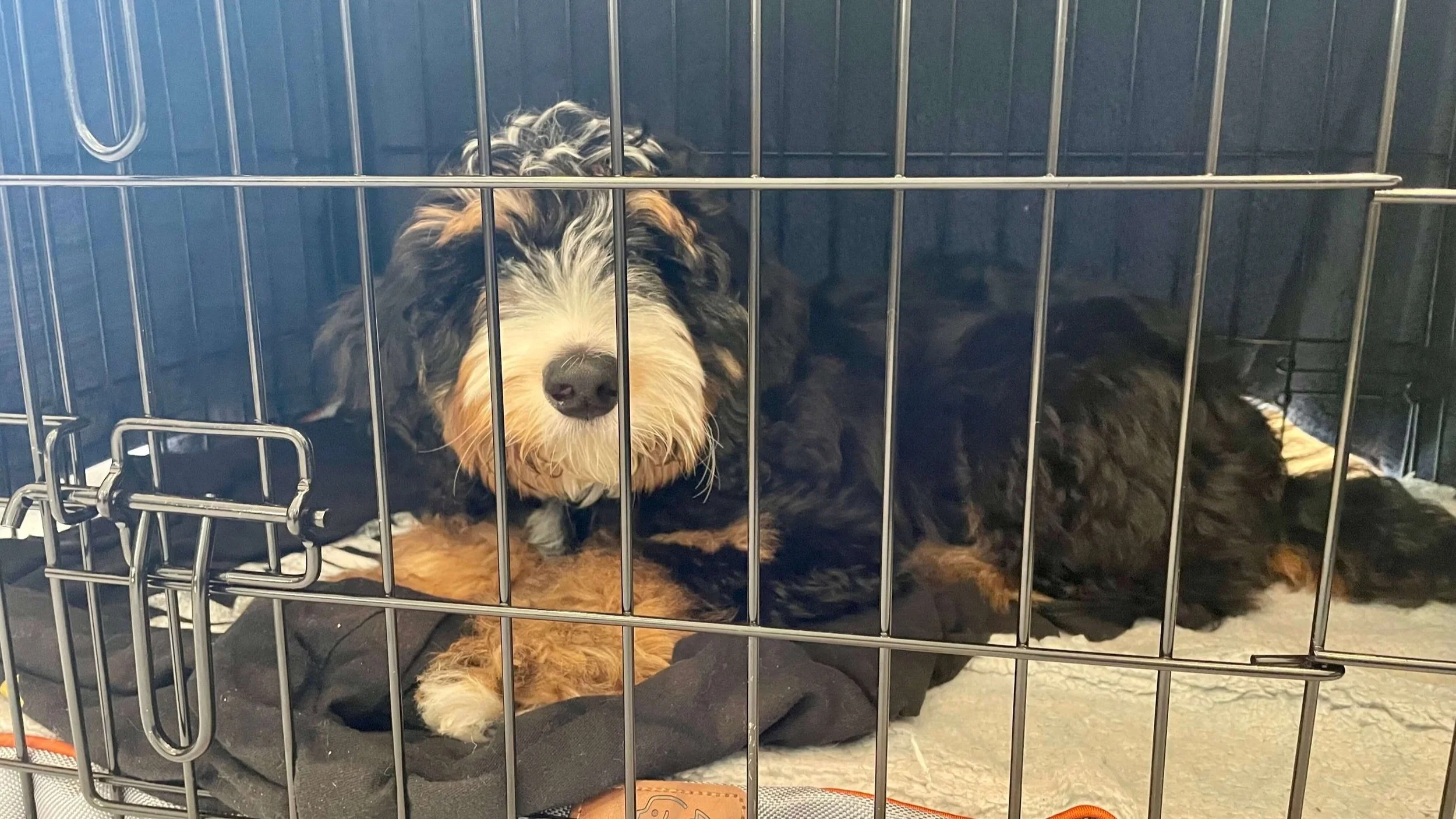
Stopping your dog from barking in the kennel takes time and patience. Use gentle training and rewards to help calm your dog. Keep the kennel comfortable and quiet to reduce stress. Remember, barking is natural, but you can teach your dog to be calm.
Consistency is key. Watch your dog’s behavior and adjust your approach as needed. With care and effort, your dog will learn to relax in the kennel. Small steps lead to big improvements. Keep trying and stay positive.

Emily Barker is the founder of ChillDogLife.com, a space dedicated to helping pup parents discover the best dog products, lifestyle tips, and cozy ideas for happier homes.
A lifelong dog lover, Emily combines her passion for pets with a knack for research to share trusted recommendations on everything from toys and furniture to health and everyday care.
Her goal is simple: to make life easier, stylish, and more joyful for dogs and the people who love them.




