
Have you ever spotted a dog wandering alone on the streets and wondered, “What is a stray dog?” You’re not alone. Stray dogs are more common than you might think, and understanding who they are can change the way you see them.
This isn’t just about animals without homes—it’s about survival, safety, and sometimes, a call for help. Keep reading, and you’ll discover what makes a dog stray, why they end up on the streets, and what you can do if you come across one.
Your new perspective might just save a life.
Stray Dog Basics
Stray dogs are a common sight in many places. They often roam streets without a home. Understanding stray dogs helps in addressing their challenges. Let’s explore the basics of stray dogs.
Definition And Types
Stray dogs are those without a permanent home. They live on streets or in public spaces. There are different types of stray dogs:
- Feral Dogs:These dogs have never had human contact. They are wild and avoid people.
- Lost Pets:These dogs once had homes. They may have wandered too far from home.
- Abandoned Dogs:These dogs were left by their owners. They struggle to survive on their own.
Common Causes Of Straying
Many factors cause dogs to stray. Some dogs get lost during walks. Others wander off if not watched closely. Sometimes, owners abandon dogs due to financial issues. Natural disasters also leave dogs homeless. They lose their homes and families in the chaos. Understanding these causes can help in finding solutions.

Credit: www.nytimes.com
Daily Life Of Stray Dogs
Stray dogs face many challenges every day. Their lives are filled with constant searching and adapting. They must find food, shelter, and safety without any help. Understanding their daily life helps us see their struggles clearly.
Survival And Food Sources
Stray dogs search for food in many places. They scavenge garbage bins, hunt small animals, and wait near markets. Food is often scarce and not nutritious. They eat whatever they find to survive. Hunger is a constant threat to their health.
Shelter And Safety
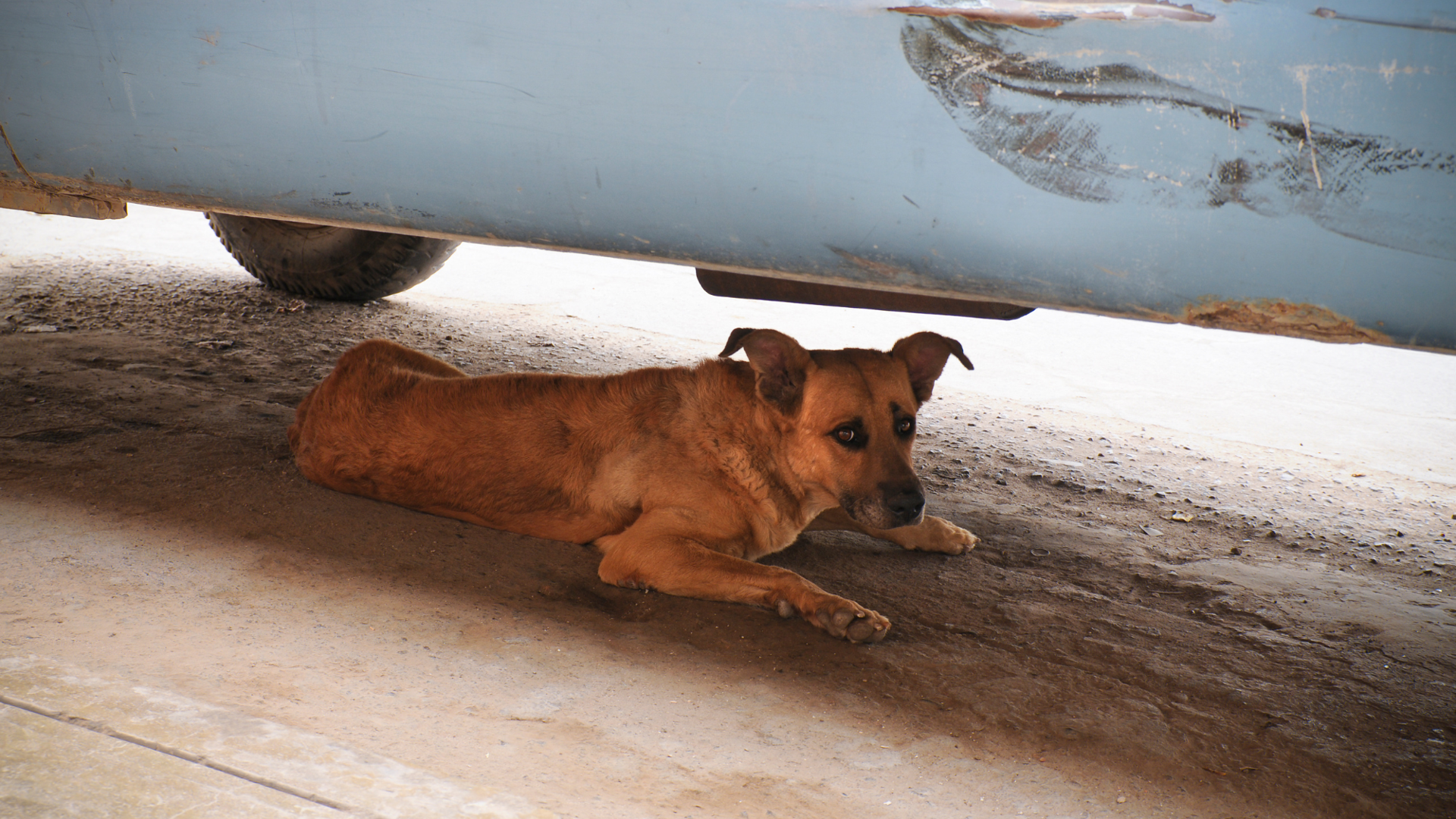
Finding shelter is vital for stray dogs. They hide under cars, in abandoned buildings, or thick bushes. Shelter protects them from weather and danger. Stray dogs avoid busy roads and loud noises. Safety is always a concern as other animals or humans may harm them.
Social Behavior And Interaction
Stray dogs often live in groups called packs. Packs provide protection and help in finding food. They communicate through barking, body language, and scent. Some dogs are friendly to humans, while others stay distant. Social bonds help them survive harsh conditions.
Challenges Faced By Stray Dogs
Stray dogs face many hardships daily. Their survival is a constant struggle without a home or care. These dogs often suffer from poor health, dangers in their environment, and challenges with humans. Understanding these difficulties helps raise awareness about their plight.
Health Risks And Diseases
Stray dogs rarely get proper food or clean water. They often suffer from malnutrition and dehydration. Many catch diseases like rabies, mange, and parasites. Without treatment, these illnesses worsen quickly. Injuries from fights or accidents also go untreated, causing pain and infections.
Environmental Dangers
The streets are full of risks for stray dogs. Traffic accidents are common and deadly. Extreme weather conditions such as cold, heat, and rain make survival tough. Lack of shelter exposes them to these harsh elements. They also face threats from other animals and unsafe places.
Human Interaction And Threats
Stray dogs often face fear and hostility from people. Some are chased, harmed, or abandoned again. Others suffer from neglect or abuse. Lack of social trust makes rescue difficult. Fear and misunderstanding prevent many from receiving help.
Credit: pethelpful.com
Impact On Communities
Stray dogs affect communities in many ways. Their presence creates challenges that impact health, economy, and animal care. Understanding these impacts helps communities find better solutions.
Public Health Concerns
Stray dogs can spread diseases like rabies and parasites. People may get bitten or scratched, leading to infections. These risks increase in crowded areas. Controlling stray dog populations helps reduce health hazards. Vaccination and awareness programs protect both dogs and humans.
Economic Effects
Stray dogs cause damage to property and trash bins. Cleaning up after them costs cities money. Injuries from dog bites add medical expenses. Some businesses lose customers due to fear of strays. Managing stray dogs requires funding for shelters and control programs.
Animal Welfare Issues
Stray dogs often face hunger, illness, and injury. Many suffer from lack of care and shelter. They struggle to find food and water daily. Harsh weather and accidents increase their risk. Humane treatment and rescue efforts improve their lives.
Efforts To Help Stray Dogs
Efforts to help stray dogs are essential to improve their quality of life and reduce the risks they face on the streets. These efforts focus on more than just rescuing animals; they aim to create lasting solutions that protect strays and foster community responsibility. Understanding these initiatives can inspire you to contribute or support local programs in meaningful ways.
Rescue And Rehabilitation
Rescue teams actively find stray dogs in distress and bring them to shelters or veterinary clinics. There, dogs receive medical care, food, and a safe environment to recover from injuries or illness. Rehabilitation often includes socializing shy or fearful dogs, helping them regain trust in humans.
Have you ever seen a stray dog transform after receiving love and care? It’s a powerful reminder of the impact rescue efforts have beyond just saving lives—they restore hope.
Spaying And Neutering Programs
Spaying and neutering are critical to controlling the stray dog population. These programs prevent unwanted litters, reducing the number of dogs left to survive on the streets. Many communities offer low-cost or free spay/neuter services to encourage pet owners and caretakers of strays to participate.
Imagine the difference you could make by simply supporting or volunteering for these programs in your area. They are one of the most effective ways to stop the cycle of overpopulation and neglect.
Community Awareness And Education
Educating people about responsible pet ownership and the challenges faced by stray dogs changes attitudes and behaviors. Awareness campaigns teach how to identify strays in need and the importance of not abandoning pets. Schools, local groups, and social media play vital roles in spreading these messages.
How would your neighborhood change if everyone understood the importance of caring for stray animals? Community involvement is key to creating safer streets for dogs and people alike.

Credit: www.ndtv.com
Frequently Asked Questions
What Defines A Stray Dog?
A stray dog is a dog living without a permanent home or owner. These dogs often scavenge for food and shelter. They may have been lost, abandoned, or born on the streets. Stray dogs are usually unsupervised and roam freely in urban or rural areas.
How Do Stray Dogs Survive Daily?
Stray dogs survive by scavenging food from garbage or begging from people. They find shelter in abandoned buildings or natural cover. They rely on their instincts and adapt to harsh conditions. Social groups sometimes form for protection and warmth.
Are Stray Dogs Dangerous To Humans?
Stray dogs can be unpredictable due to fear or hunger. They may bite if threatened or cornered. However, most stray dogs avoid human contact. Proper caution and humane handling reduce risks. Vaccinations and control programs help prevent disease transmission.
How Can Communities Help Stray Dogs?
Communities can support stray dogs through feeding programs and shelters. Vaccination and neutering reduce stray populations humanely. Public education encourages responsible pet ownership. Collaboration with animal welfare groups enhances rescue efforts and care for strays.
Conclusion
Stray dogs live without a home or regular care. They face many dangers every day. People can help by offering food or shelter. Communities should work together to protect these animals. Understanding stray dogs helps us treat them kindly. Small actions make a big difference in their lives.
Caring for strays shows our respect for all creatures. It is important to spread awareness about their needs. Together, we can create safer places for stray dogs. Every effort counts in giving them a better life.

Emily Barker is the founder of ChillDogLife.com, a space dedicated to helping pup parents discover the best dog products, lifestyle tips, and cozy ideas for happier homes.
A lifelong dog lover, Emily combines her passion for pets with a knack for research to share trusted recommendations on everything from toys and furniture to health and everyday care.
Her goal is simple: to make life easier, stylish, and more joyful for dogs and the people who love them.




