
Are you thinking about bringing a furry friend into your life but wondering, “How much does it cost to adopt a dog?” You’re not alone.
Knowing the expenses upfront can help you prepare and avoid surprises. From adoption fees to initial supplies and vet visits, there’s more to consider than just the price tag. Keep reading, and you’ll discover everything you need to budget wisely and give your new dog the best start possible.
Your perfect companion is waiting—let’s make sure you’re ready!
Adoption Fees
Adoption fees cover basic care like vaccinations, spaying, and microchipping. These costs usually range from $50 to $350 depending on the shelter and dog’s age. Fees help support animal care and rescue efforts.
Adopting a dog is one of the most rewarding decisions you can make. Yet, as with any commitment, it’s important to understand the costs involved. Adoption fees can vary widely depending on several factors, and knowing what these fees cover helps you make an informed choice.Typical Cost Range
Adoption fees typically range from $50 to $500. These fees help shelters cover the costs of caring for the animals and preparing them for adoption. Some shelters may offer discounts during special events or for adopting older dogs.What Fees Cover
Adoption fees often include a variety of services. These can encompass vaccinations, spaying or neutering, microchipping, and initial veterinary care. Essentially, they cover the essentials to ensure your new furry friend is healthy and ready to come home with you.Variations By Shelter And Breed
The cost can vary significantly based on the shelter or rescue organization. Some shelters charge more for puppies or purebred dogs due to higher demand. Others may adjust fees based on the dog's medical needs or length of stay at the shelter. When you adopt, you’re not just paying a fee; you’re investing in a lifelong companion. How do you feel about the value of the services included in these fees? It’s worth considering what a small price it is for a lifetime of love and companionship.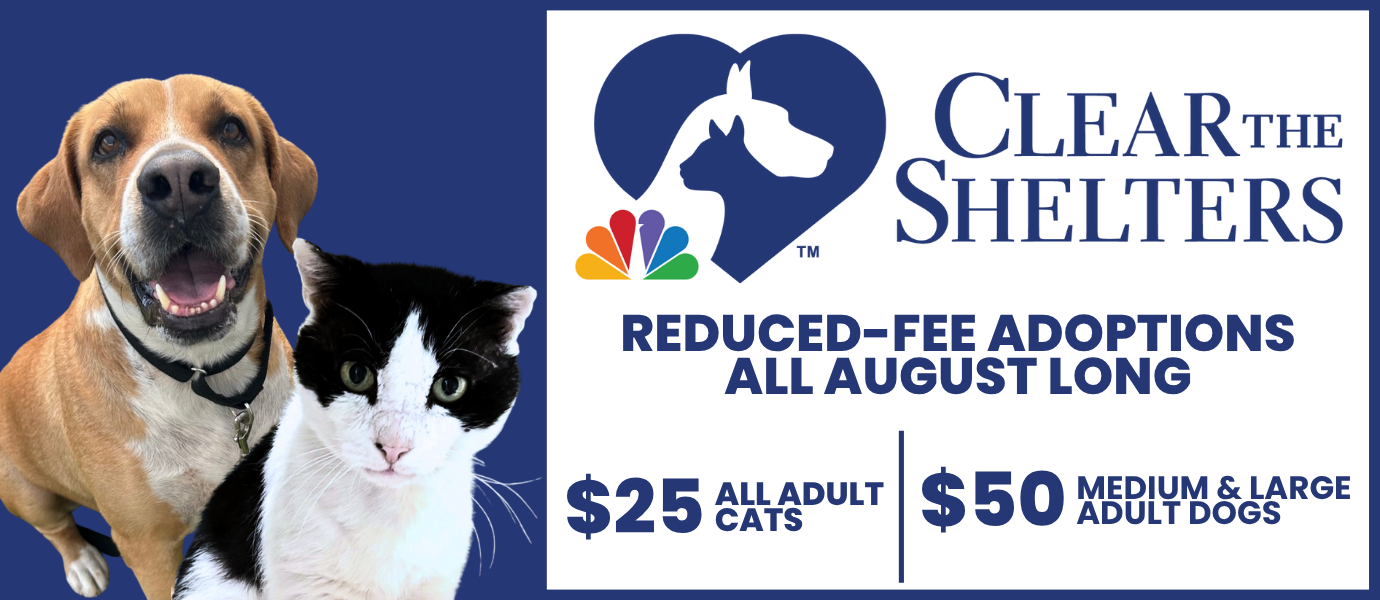
Credit: www.hssc.org
Initial Medical Expenses
Initial medical expenses form a key part of adopting a dog. These costs ensure your new pet stays healthy and safe. Budgeting for these expenses helps avoid surprises after adoption. Understanding the common medical needs prepares you for responsible pet care.
Vaccinations And Health Checks
Vaccinations protect dogs from serious diseases. Most shelters provide initial vaccines before adoption. You may need booster shots later. Health checks reveal any hidden illnesses. A vet will examine your dog thoroughly. Expect to pay for these essential services.
Spaying And Neutering
Spaying or neutering prevents unwanted litters. It also improves your dog’s behavior and health. Many shelters include this surgery in the adoption fee. If not, plan for the cost separately. The procedure requires a vet visit and recovery time.
Microchipping
Microchipping helps locate your dog if lost. It is a small, painless implant under the skin. Many shelters offer microchipping during adoption. If not, you can have it done at a vet. This low-cost procedure is a wise investment for safety.
Essential Supplies
Adopting a dog means more than just the adoption fee. Essential supplies help your new pet feel safe and cared for. These items also keep your dog healthy and happy. Budgeting for these supplies is important to avoid surprises.
Collars, Leashes, And Tags
Every dog needs a collar for ID and safety. Leashes control your dog during walks. Tags with your contact info help return your dog if lost. Costs vary:
- Basic collar: $10 – $20
- Sturdy leash: $15 – $30
- ID tags: $5 – $15
Choose adjustable collars and durable leashes for comfort and safety.
Food And Water Bowls
Bowls are necessary for feeding and hydration. Stainless steel bowls last longer and are easy to clean. Plastic bowls are cheaper but can wear out fast. Consider non-slip bases to prevent spills. Typical prices include:
- Single stainless steel bowl: $8 – $20
- Plastic bowl: $5 – $15
- Set of two bowls: $15 – $30
Beds And Crates
Beds give dogs a cozy place to rest. Crates offer a safe space and help with training. Sizes depend on your dog’s breed and weight. Expect these price ranges:
- Basic dog bed: $20 – $50
- Quality dog bed: $50 – $100
- Small crate: $30 – $60
- Large crate: $60 – $120
Choose comfortable beds and sturdy crates to suit your dog’s needs.

Credit: www.bideawee.org
Training And Socialization
Training and socialization are vital for a happy, well-behaved dog. They help your new pet adjust to home life and the outside world. Proper training prevents behavioral issues. Socialization builds confidence and reduces fear or aggression.
Both aspects require time, effort, and sometimes money. Knowing what to expect can help you plan better for your dog’s needs.
Puppy Classes
Puppy classes teach basic commands like sit, stay, and come. These classes often last 6 to 8 weeks. Group settings help puppies learn to interact with others. Costs usually range from $100 to $300. Many trainers include socialization in these classes.
Behavioral Training
Behavioral training targets specific problems such as barking or chewing. Sessions might be private or in small groups. Prices vary widely, from $30 to $100 per session. Consistent training improves your dog’s obedience and manners. Professional help may be needed for severe issues.
Socialization Activities
Socialization activities expose your dog to different environments, sounds, and people. These can include walks in parks, visits to pet-friendly stores, or playdates. Socializing helps prevent fear and aggression later. Costs depend on location and activity type. Some activities are free, while others may charge a small fee.
Ongoing Costs
Adopting a dog brings joy and companionship. It also brings ongoing expenses. These costs continue for the life of your pet. Planning for these expenses helps you provide the best care without surprises.
Food And Treats
Feeding your dog is a daily expense. Quality dog food supports health and energy. Prices vary by brand, size, and dietary needs. Treats are also part of the budget. Use them for training and rewards. Choose healthy options to avoid health problems later.
Routine Vet Visits
Regular vet visits keep dogs healthy. Annual check-ups and vaccinations prevent illnesses. Some dogs need flea, tick, and heartworm prevention. These visits also catch issues early. Budget for occasional emergency visits too. Preventive care saves money in the long run.
Grooming And Maintenance
Grooming needs depend on the dog’s breed and coat type. Some dogs require regular professional grooming. Others need basic brushing and bathing at home. Nail trimming and ear cleaning are important. Grooming keeps dogs comfortable and healthy. Set aside funds for grooming supplies or services.

Credit: eastbayspca.org
Unexpected Expenses
Adopting a dog comes with many unexpected expenses. These costs can add up quickly and catch new pet owners off guard. Planning for these surprises helps keep your dog happy and healthy. It also protects your wallet from sudden bills.
Emergency Vet Care
Emergency vet visits can be very expensive. Accidents and sudden illnesses happen without warning. Treatment may include X-rays, surgery, or medications. These costs often exceed regular vet check-ups. Setting aside a fund for emergencies is a smart idea.
Special Medical Needs
Some dogs need special medical care. Chronic conditions like allergies or arthritis require ongoing treatment. Prescription diets, medications, and therapy add to monthly expenses. Knowing your dog’s health needs before adoption saves money later.
Damage Repairs And Liability
Dogs can cause damage around the home. Chewed furniture, scratched floors, and broken items are common. Repairs and replacements cost money. Liability for injuries or accidents caused by your dog is another concern. Homeowner’s insurance might not cover all damages.
Financial Assistance And Discounts
Adopting a dog is a rewarding experience, but the costs can add up quickly. Luckily, there are financial assistance options and discounts that can help you bring your new furry friend home without breaking the bank. Understanding these resources can make the adoption process more affordable and less stressful.
Adoption Fee Waivers
Many shelters and rescue groups offer adoption fee waivers during special events or for certain groups of people, such as veterans, seniors, or foster families. Some organizations waive fees for pets that have been in their care for a long time or have special needs.
Check local shelter websites or social media for announcements about fee waiver days. Don’t hesitate to ask if there are any discounts available—you might be surprised at what they offer.
Veterinary Assistance Programs
After adoption, veterinary care is essential but can be expensive. Some shelters partner with clinics to provide discounted or free initial veterinary services, like vaccinations and spaying/neutering.
Programs such as Care Credit or local nonprofit funds can also help cover unexpected medical bills. Have you explored community resources that might reduce your pet’s health expenses?
Pet Insurance Options
Pet insurance can be a smart way to manage future veterinary costs. Plans vary widely in coverage and price, so it’s important to compare what’s included and what’s excluded.
Consider your dog’s breed, age, and health history when choosing a plan. Sometimes, investing in insurance early can save you significant money and stress down the road.
Budgeting Tips For New Dog Owners
Bringing a dog into your life is exciting, but budgeting carefully ensures you enjoy every moment without financial stress. Understanding where your money goes helps you prepare better and avoid surprises. Let’s break down how to plan your spending from day one and keep your finances steady as your new furry friend grows.
Planning For Initial Costs
The first few weeks with your dog come with many one-time expenses. Adoption fees, vaccinations, spaying or neutering, and buying essentials like a bed, leash, and food bowls add up quickly.
Think about setting aside a specific amount before you bring your dog home. For example, budgeting around $300 to $500 upfront can cover most initial needs without panic.
Have you checked local shelters for package deals? Some offer combined services that reduce the upfront cost and simplify your first shopping trip.
Managing Monthly Expenses
Monthly costs can surprise new dog owners if they aren’t tracked closely. Food, grooming, routine vet visits, and pet insurance are ongoing expenses that need your attention.
Create a simple monthly budget to keep these costs in check. For instance, plan for $50 to $100 monthly depending on your dog’s size and health needs.
Consider bulk buying food or scheduling grooming appointments quarterly to save money. How often do you review your budget? Regular checks can reveal easy savings.
Saving For Emergencies
Emergencies happen. Unexpected vet bills can quickly become costly, and having a fund specifically for these moments reduces stress.
Start building an emergency fund as soon as possible. Even $20 a month adds up over time and can cover sudden expenses like injuries or illnesses.
Ask yourself: Do you have a plan if your dog needs urgent care tomorrow? Preparing now means you can focus on your dog’s recovery, not your bank account.
Frequently Asked Questions
How Much Does Dog Adoption Usually Cost?
Dog adoption fees typically range from $50 to $350. This fee covers vaccinations, spaying/neutering, and basic care. Prices vary by shelter, dog breed, and location.
Are There Hidden Costs After Adopting A Dog?
Yes, expect costs for food, vet visits, toys, and training. These ongoing expenses add up and are essential for your dog’s health.
Does Dog Size Affect Adoption Fees?
Often, larger dogs may have slightly higher fees due to increased care costs. However, adoption fees mostly depend on shelter policies, not size alone.
Can I Adopt A Dog For Free?
Some shelters offer fee-waived adoption events or discounts. However, most adoptions require a fee to cover medical and care expenses.
Conclusion
Adopting a dog has many costs to consider. Fees cover vaccinations, spaying, and basic care. Some dogs may need extra medical help. Budget for food, toys, and regular vet visits. Remember, costs vary by shelter and dog size. The joy and love a dog brings are priceless.
Think carefully before adopting to prepare well. Caring for a dog is a big, rewarding job. Your new friend will thank you every day.

Emily Barker is the founder of ChillDogLife.com, a space dedicated to helping pup parents discover the best dog products, lifestyle tips, and cozy ideas for happier homes.
A lifelong dog lover, Emily combines her passion for pets with a knack for research to share trusted recommendations on everything from toys and furniture to health and everyday care.
Her goal is simple: to make life easier, stylish, and more joyful for dogs and the people who love them.




