
Is your dog whining in the crate and driving you crazy? You’re not alone.
Many dog owners struggle with this frustrating behavior. The good news is, you can teach your dog to feel calm and comfortable in their crate. Imagine peaceful crate time without the constant noise and stress. You’ll discover simple, effective steps to stop your dog’s whining for good.
Keep reading, and you’ll soon turn your crate into a safe, quiet space your dog loves.
Reasons Dogs Whine In Crates
Dogs often whine in crates due to boredom, fear, or needing bathroom breaks. Creating a calm, comfortable space helps reduce whining. Gradual crate training builds trust and eases their anxiety over time.
Understanding why your dog whines in their crate is the first step to addressing the problem effectively. Dogs, much like humans, express discomfort or distress through vocalizations. While it might be easy to dismiss whining as mere attention-seeking behavior, it’s essential to recognize the underlying reasons to provide the proper solution.Separation Anxiety
Separation anxiety is a common reason dogs whine in their crates. Dogs are social animals and being away from their human companions can cause them stress. If your dog whines when left alone, consider gradually increasing the time they spend in the crate while you’re home, to help them adjust.Need For Bathroom Break
Sometimes, the need for a bathroom break is as straightforward as it gets. Puppies and even adult dogs may not always be able to hold it in for long periods. If your dog is whining and hasn’t had a recent bathroom break, it’s a clear signal they need to go outside.Boredom And Lack Of Stimulation
Whining can also be a sign of boredom or lack of mental stimulation. Dogs need both physical and mental exercise to stay happy. Interactive toys or a simple chew toy can keep your dog entertained and reduce whining due to boredom.Discomfort Or Pain
A dog’s crate should be a comfortable space, not a source of discomfort or pain. If your dog is whining, it might be due to an uncomfortable crate setup or even a medical issue. Make sure the crate is appropriately sized, has a comfortable mat, and is free from any harmful objects. If discomfort persists, a visit to the vet may be necessary to rule out any underlying health concerns. In addressing each of these issues, always approach with patience and understanding. Have you ever considered what your dog’s whines might be trying to tell you? By tuning into their needs, you can create a more harmonious living environment for both you and your furry friend.
Credit: zigzag.dog
Preparing The Crate
Preparing the crate properly sets the foundation for your dog to feel safe and secure. A well-prepared crate can reduce whining by making the space inviting and comforting. Think of it as creating a small den where your dog wants to spend time, not just a cage they want to escape.
Choosing The Right Size
Your dog's crate size matters more than you might think. It should be big enough for your dog to stand up, turn around, and lie down comfortably. Too large, and your dog might use one corner as a bathroom, too small, and it feels cramped and stressful.
Consider your dog’s current size and potential growth if it’s a puppy. A crate that fits just right encourages your dog to stay inside calmly instead of whining to get out.
Making It Comfortable
Comfort inside the crate makes a big difference. Add soft bedding or a crate mat to cushion the floor. Avoid materials that slide or bunch up, as these can annoy your dog.
Including a few favorite toys can also keep your dog occupied and less likely to whine out of boredom. Remember, the goal is to make the crate a pleasant place, not just a containment area.
Adding Familiar Scents
Dogs rely heavily on scent to feel secure. Place an item with your scent, like an old T-shirt, inside the crate to soothe your dog. Familiar smells can reduce anxiety and make the crate feel like part of home.
You can also add a blanket or toy that smells like your dog’s favorite person or another pet. This small touch often helps dogs settle down faster and whine less.
Creating Positive Associations
Creating positive associations with the crate is key to helping your dog feel comfortable and stop whining. If your dog starts to see the crate as a safe and fun place, whining will naturally decrease. You want to build an environment where your dog looks forward to spending time in the crate rather than dreading it.
Using Treats And Toys
Offer your dog special treats or favorite toys only when they are inside the crate. This makes the crate a place where good things happen. You might try giving a long-lasting chew or a puzzle toy that keeps your dog busy and happy.
Have you noticed how your dog’s tail wags when they get a favorite treat? Use that excitement to your advantage by connecting it to crate time.
Feeding Meals In The Crate
Feed your dog their regular meals inside the crate to create a strong positive link. This simple step turns the crate into a pleasant spot associated with nourishment and comfort. Start by placing the food bowl just inside the crate’s door, and once your dog is comfortable, move it further inside.
Think about how your dog feels when they get dinner—calm, satisfied, and relaxed. Let that feeling become part of their crate experience.
Short, Frequent Crate Sessions
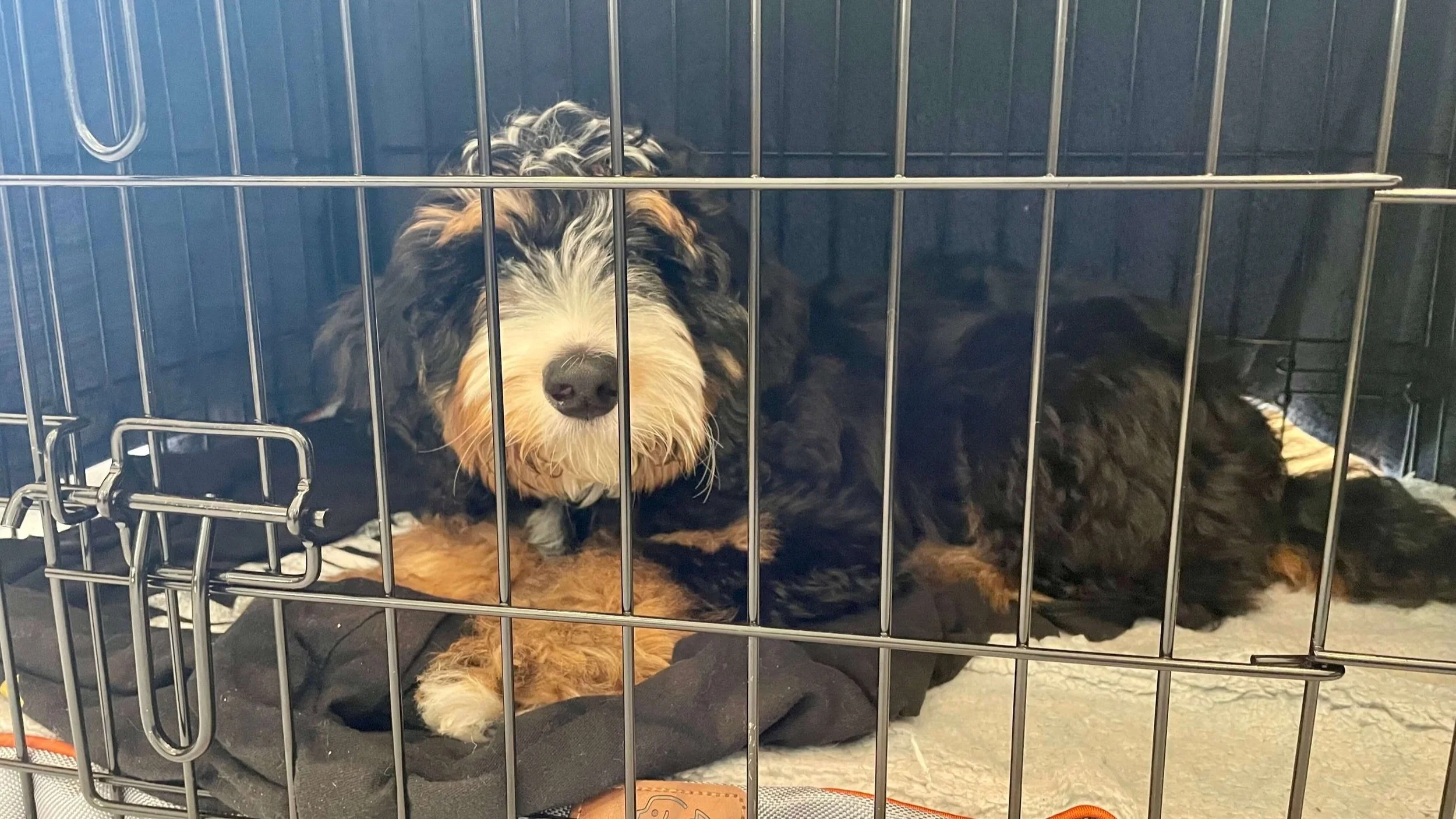
Keep crate sessions short and positive at first. Let your dog in and out several times a day to build trust and lessen anxiety. This approach helps your dog learn that the crate is a temporary, safe space, not a place of punishment or isolation.
What if your dog starts whining during these sessions? Try distracting them with a toy or treat, then praise quiet behavior immediately. This shows your dog that calmness inside the crate gets rewarded.
Credit: www.dogsavvylosangeles.com
Training Techniques To Reduce Whining
Training your dog to stop whining in the crate takes patience and the right techniques. Understanding how your dog learns and responds to different cues is key. Let’s explore some effective training techniques that can help reduce whining and make crate time a peaceful experience for both you and your dog.
Ignoring The Whining
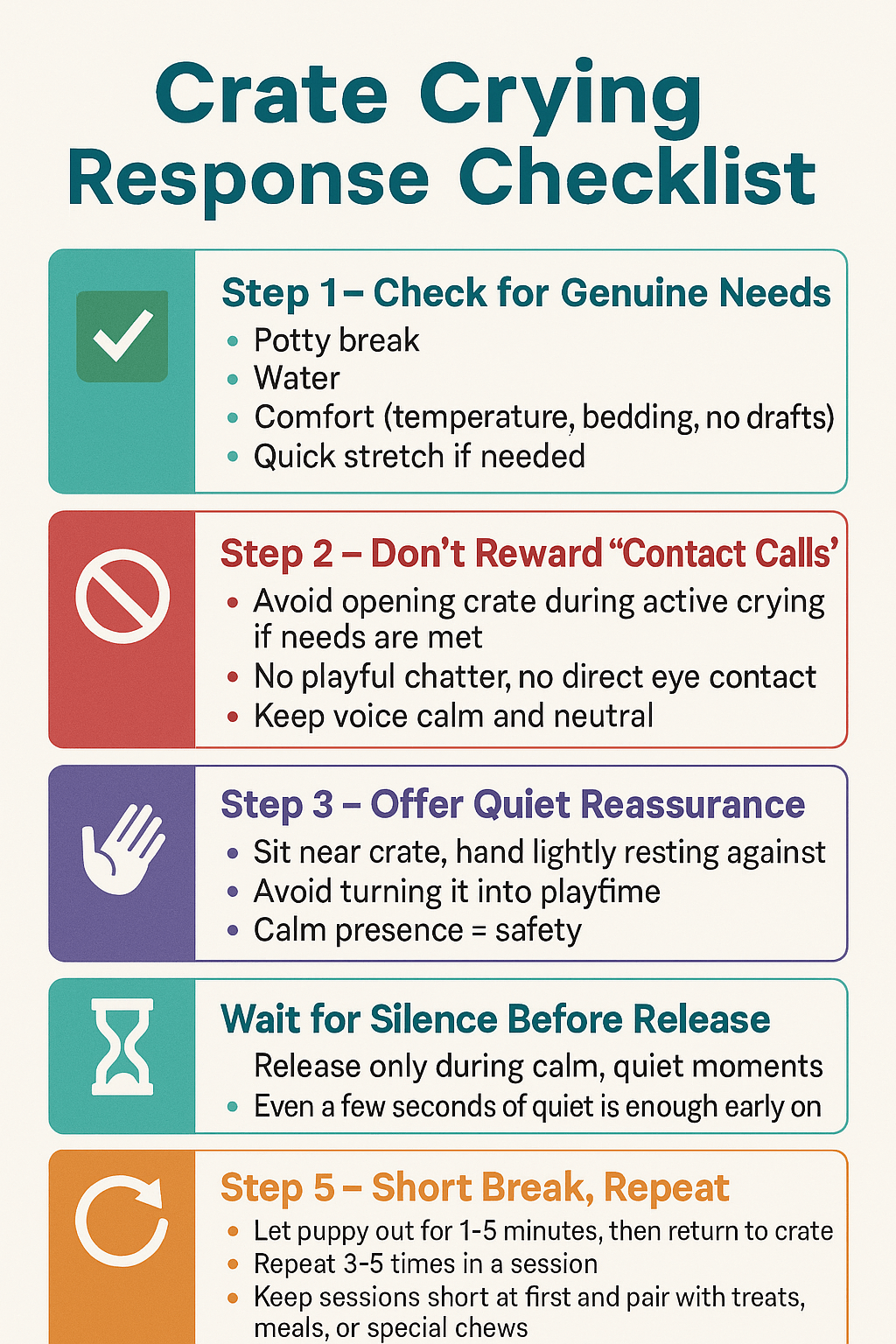
It’s natural to want to comfort your dog when they whine, but responding can actually encourage more whining. Your dog may see whining as a way to get your attention or be let out. Try staying calm and silent when your dog whines; this shows that whining won’t get a reward.
This approach requires consistency. Ignoring the whining can be tough, especially if you feel guilty. However, think about the long-term benefit: your dog will learn that quiet behavior is what gets noticed.
Rewarding Quiet Behavior
Rewarding your dog when they are quiet in the crate is a powerful way to reinforce calm behavior. Use treats, gentle praise, or a favorite toy to show your dog that silence brings positive attention. Timing is crucial—give the reward immediately when your dog is quiet.
You can also use a clicker or a specific word like “yes” to mark the quiet moment. This helps your dog understand exactly what behavior you want. Over time, your dog will choose to be quiet more often to earn these rewards.
Gradual Increase Of Crate Time
Start by keeping crate sessions short and comfortable, then slowly increase the duration. This helps your dog adjust without feeling trapped or anxious. For example, begin with five minutes, then add a few minutes each day as your dog becomes more relaxed.
Watch your dog’s body language closely during this process. If whining starts again, reduce the time slightly and proceed more slowly. This gradual approach builds trust and makes the crate a safe, familiar space rather than a place of stress.
Managing Bathroom Needs
Managing your dog’s bathroom needs is a key part of reducing whining in the crate. If your dog feels the urge to relieve itself but can’t, discomfort quickly turns into stress and noise. Addressing this need helps your dog stay calm and comfortable during crate time.
Regular Potty Breaks
Give your dog plenty of chances to go outside before crating. Take them out right before you close the crate door and again after letting them out. Dogs, especially puppies, have small bladders and can’t hold it long.
Watch for signs like sniffing or circling—these often mean your dog needs a bathroom break. Ignoring these signals can cause accidents, making your dog anxious and increasing whining. Have you noticed your dog trying to tell you when it’s time to go?
Establishing A Routine
Dogs thrive on consistency. Set specific times each day for bathroom breaks and crate sessions. A predictable schedule helps your dog understand when it’s time to go out and when it’s safe to rest in the crate.
Try to align potty breaks with meals and playtime. This rhythm reduces the chance of your dog needing to go while in the crate. How might a steady routine change your dog’s behavior during crate time?
Credit: www.dogsavvylosangeles.com
Addressing Anxiety And Stress
Whining in a crate often signals anxiety or stress in dogs. Understanding these feelings helps reduce your pet’s discomfort. Dogs feel trapped or lonely in crates, causing them to vocalize. Addressing their anxiety creates a calm, safe space for them. This lowers whining and improves crate training success.
Calming Aids And Supplements
Calming aids can ease your dog’s nerves. Products like pheromone sprays mimic natural calming scents. Supplements with ingredients like chamomile or valerian root soothe anxiety. Always check with a vet before giving supplements. Use these aids alongside training for best results.
Exercise Before Crate Time
Exercise helps release excess energy and reduces stress. A tired dog relaxes more easily in the crate. Activities like walking, fetch, or playtime work well. Aim for at least 20-30 minutes of exercise before crate time. This routine makes your dog more content and less likely to whine.
Using Calming Sounds
Soothing sounds can comfort your dog in the crate. White noise machines or soft music help mask outside noises. Sounds like gentle classical music or nature sounds work best. Keep the volume low to avoid startling your dog. These calming sounds create a peaceful environment that reduces anxiety.
When To Seek Professional Help
Knowing when to seek professional help is key to stopping your dog's whining in the crate. Some issues need expert care beyond basic training. Early help can prevent stress and improve your dog’s comfort. Watch your dog’s behavior closely and act if problems persist or worsen.
Persistent Whining Despite Training
Sometimes, whining continues even after consistent crate training. This could mean your dog is confused or stressed. Trainers or behaviorists can assess the situation. They offer tailored advice and techniques to reduce whining. Persistent whining might also signal a medical problem that vets should check.
Signs Of Severe Anxiety
Severe anxiety in dogs shows through more than just whining. Look for trembling, pacing, drooling, or attempts to escape the crate. These signs indicate distress that needs expert intervention. A professional can suggest calming methods or treatments. Early action helps your dog feel safe and relaxed in the crate.
Frequently Asked Questions
How Can I Stop My Dog Whining In The Crate?
To stop whining, ensure your dog feels safe and comfortable. Use positive reinforcement and gradually increase crate time. Avoid giving attention when whining, so they learn quiet behavior is rewarded.
Why Does My Dog Whine In The Crate At Night?
Dogs may whine at night due to anxiety, needing bathroom breaks, or discomfort. Establish a bedtime routine and limit water before sleep to reduce whining.
How Long Should A Dog Stay In A Crate?
Dogs should stay in a crate no longer than 3-4 hours during the day. Puppies need shorter periods. This prevents stress and encourages positive crate association.
Does Crate Training Reduce Whining Over Time?
Yes, consistent crate training helps dogs feel secure and reduces whining. Patience and regular practice build trust and crate comfort for your dog.
Conclusion
Stopping your dog’s whining in the crate takes time and patience. Be calm and consistent with training steps every day. Give your dog comfort and short breaks to feel safe. Reward quiet behavior to encourage good habits. Avoid rushing the process or giving in to whining.
Trust that your dog will learn to enjoy the crate. Keep practicing, and soon quiet crate time will come naturally. Small efforts lead to big changes in your dog’s behavior. Stay positive and patient throughout the journey.

Emily Barker is the founder of ChillDogLife.com, a space dedicated to helping pup parents discover the best dog products, lifestyle tips, and cozy ideas for happier homes.
A lifelong dog lover, Emily combines her passion for pets with a knack for research to share trusted recommendations on everything from toys and furniture to health and everyday care.
Her goal is simple: to make life easier, stylish, and more joyful for dogs and the people who love them.




