
If you have a dog that sometimes gets anxious or aggressive, making a muzzle can be a simple way to keep both your pet and others safe. You might think muzzles are hard to find or expensive, but what if you could create one yourself, tailored perfectly to your dog’s size and comfort?
In this guide, you’ll discover easy steps to make a dog muzzle at home using materials you probably already have. Keep reading, and you’ll learn how to protect your furry friend without stress or hassle.
Choosing The Right Muzzle Type
Choosing the right muzzle type depends on your dog’s size and behavior. Comfort and safety should guide your decision. A well-fitting muzzle ensures your dog can breathe and pant easily.
Choosing the Right Muzzle Type Selecting the perfect muzzle for your furry friend can be more than a practical decision; it’s a way to ensure their comfort and safety. Before settling on a muzzle, consider your dog’s size, behavior, and the situations in which they might need it. Different types of muzzles serve various purposes, and understanding them can make a significant difference.Basket Muzzles
Basket muzzles are one of the most popular choices for dog owners. They are usually made of durable materials like plastic or metal, providing a secure fit while allowing your dog to pant, drink, and even take treats. Ideal for longer wear, basket muzzles are perfect for trips to the vet or social outings. I once used a basket muzzle for my energetic Labrador during a long road trip. It offered peace of mind without restricting his ability to pant comfortably. If you need a muzzle for extended periods, this might be the right choice.Soft Muzzles
Soft muzzles, often crafted from nylon or mesh, offer a snug fit around your dog’s snout. They are typically used for short-term situations, like a quick vet visit or grooming session. While they provide less freedom for your dog to pant, they are easy to carry and put on. Consider a soft muzzle if your dog is generally calm but occasionally nervous in specific scenarios. Just remember, they’re not meant for long-term use as they can be more restrictive.Fabric Muzzles
Fabric muzzles blend comfort with functionality. Made from soft cloth materials, they are gentle on your dog’s skin and can be a great option for less intense situations. These muzzles are easy to wash and maintain, making them a convenient choice for casual use. A friend of mine swears by fabric muzzles for her small terrier during car rides. They’re simple to put on and remove, ensuring her dog remains calm and relaxed. If your dog tends to be less aggressive, a fabric muzzle might suit their needs just fine. When choosing a muzzle type, consider your dog’s unique personality and the specific situations they’ll encounter. Which muzzle type do you think would best suit your dog’s lifestyle?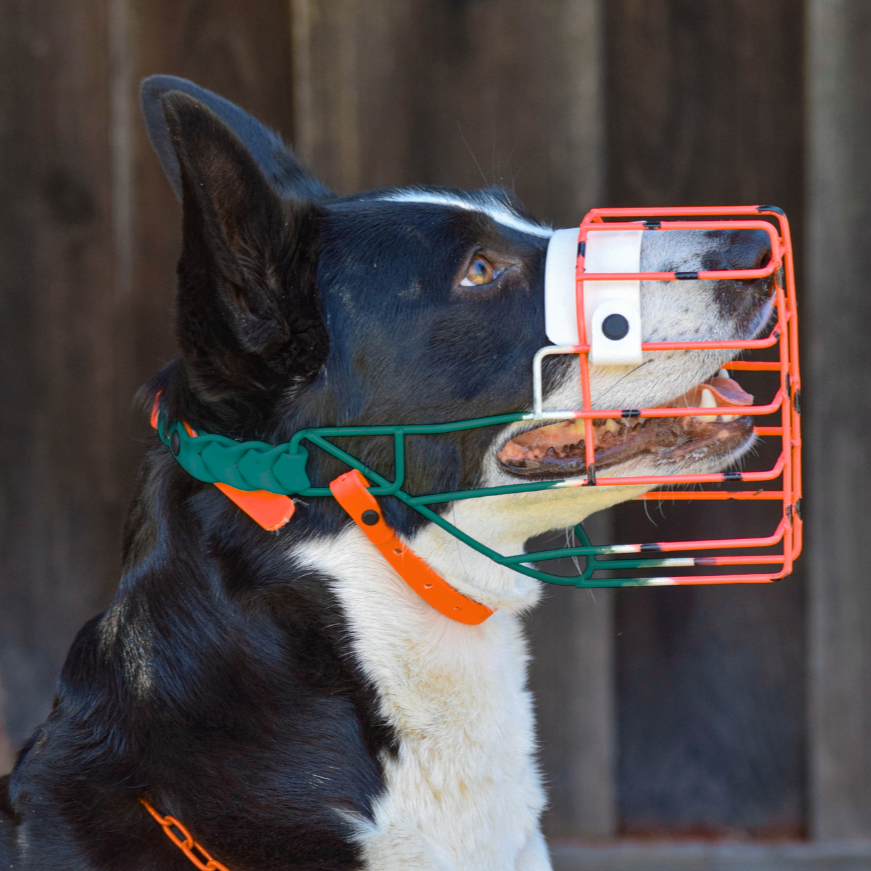
Credit: www.bigsnoofdoggear.com
Measuring Your Dog Accurately
Measuring your dog accurately is essential for a comfortable and safe muzzle. The right fit prevents slipping and ensures your dog can breathe and pant easily. Take your time and be gentle during the process. Use a soft measuring tape or a piece of string you can measure later.
Measuring Snout Length
Measure from the tip of your dog’s nose to where the snout meets the eyes. Keep the tape straight but not tight. This length helps create the muzzle’s main body.
Measuring Snout Circumference
Wrap the tape around the widest part of your dog’s snout, just below the eyes. Make sure it’s snug but not too tight. This measurement ensures the muzzle fits comfortably around the snout.
Checking Mouth Opening
Check how wide your dog can open its mouth. Use your fingers to gently open the mouth and note the distance between the upper and lower jaws. This allows space for panting and drinking.
Selecting Safe Materials
Choosing the right materials for a dog muzzle is crucial for your pet’s comfort and safety. The materials you pick affect how well your dog can breathe, move, and feel while wearing the muzzle. Pay close attention to fabrics, straps, and any components that touch your dog’s skin or mouth.
Breathable Fabrics
Breathability is a must-have in any muzzle fabric. Look for materials like mesh or lightweight cotton that allow air to flow freely. This keeps your dog cool and prevents overheating during walks or vet visits.
Think about how your dog reacts to heat. If your dog pants heavily, a tight synthetic fabric could trap moisture and cause discomfort. Choosing breathable fabrics can help avoid this problem and make wearing the muzzle less stressful.
Durable Straps
The straps hold the muzzle securely in place, so they need to be strong but gentle. Nylon webbing is a popular choice because it resists tearing but feels soft against your dog’s fur. Avoid rough or stiff straps that might chafe or irritate your dog’s skin.
Adjustability matters too. Straps with sturdy buckles or Velcro let you fit the muzzle perfectly without cutting off circulation. Have you ever struggled with a muzzle that slides off or digs into your dog’s face? Durable, well-designed straps solve that problem.
Non-toxic Components
Anything your dog might lick or chew on should be free from harmful chemicals. Use non-toxic adhesives, dyes, and plastics to avoid allergic reactions or poisoning. Even small amounts of toxins can cause big health issues over time.
Check labels for certifications or ask your supplier about safety standards. You want peace of mind knowing the muzzle won’t harm your dog’s health while keeping them safe in tricky situations.

Credit: www.bigsnoofdoggear.com
Step-by-step Muzzle Construction
Building a dog muzzle yourself ensures a perfect fit and lets you customize comfort and safety features. This step-by-step muzzle construction guide breaks down the process into manageable parts. You’ll see how simple tools and materials come together to create a reliable muzzle your dog can wear confidently.
Cutting The Fabric
Choose a sturdy, breathable fabric like nylon or canvas. Lay it flat and mark the shapes needed for the muzzle panels based on your dog’s snout measurements. Remember to add extra space for seams and comfort.
Cut carefully using sharp scissors to avoid frayed edges. Precision here makes sewing easier and results in a cleaner finish. Have you checked the fit by holding the cut pieces around your dog’s snout yet?
Sewing The Panels
Pin the cut fabric pieces together to hold the shape before sewing. Use a strong thread and a sewing machine for durable seams. Sew slowly to keep the edges aligned and create neat stitches.
Double-stitch stress points like the nose bridge area to prevent tearing. If you don’t have a sewing machine, hand stitching with a backstitch works well but takes more time. How confident are you in your sewing skills to keep the muzzle sturdy?
Attaching Straps
Measure and cut adjustable straps to secure the muzzle around your dog’s head comfortably. Use materials like nylon webbing or leather for strength. Attach the straps to the muzzle panels with reinforced stitching or rivets for extra durability.
Include buckles or Velcro to make putting on and taking off the muzzle easy. Test the straps on your dog to ensure they are snug but not too tight. What type of fastening do you think your dog will tolerate best?
Adding Padding
Add soft padding inside the muzzle at contact points, such as around the nose and under the straps. Use foam or fleece fabric to prevent chafing and enhance comfort. Secure the padding with stitches or fabric glue.
Padding not only protects your dog’s skin but also encourages them to wear the muzzle without resistance. Have you considered how small touches like padding can make a big difference in your dog’s acceptance of their new gear?
Ensuring A Comfortable Fit
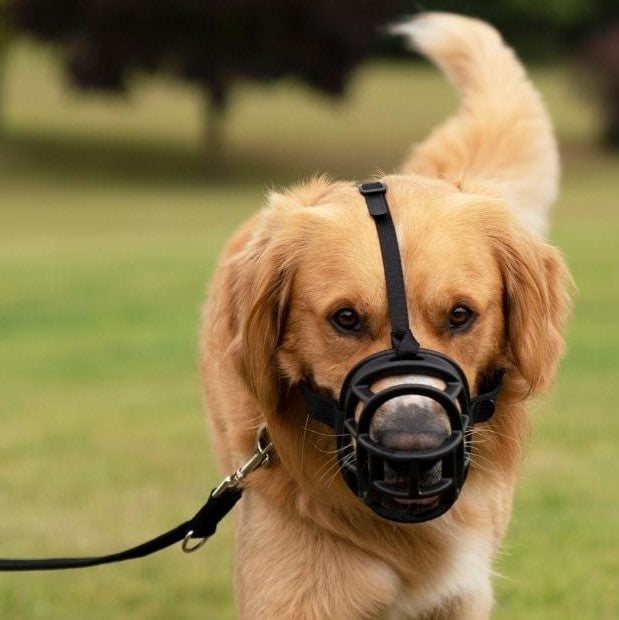
Ensuring a comfortable fit is key when making a dog muzzle. A well-fitted muzzle keeps your dog safe and calm. It also helps prevent rubbing and discomfort. Careful adjustments make the muzzle effective and gentle for daily use.
Adjusting Straps
Check the straps around the dog’s head and neck. They should be snug but not tight. Use adjustable buckles or Velcro to customize the fit. Straps that are too loose let the muzzle slip off. Too tight straps can cause pain or injury.
Focus on even tension on each strap. Make sure the muzzle stays in place without pinching the skin. The dog should breathe and pant easily.
Checking For Chafing
Look closely at the muzzle edges and straps for signs of chafing. Redness or hair loss means the muzzle rubs too much. Use soft padding or fabric covers on rough areas. Test the muzzle after short wear times and check again.
Change the material or shape if chafing occurs often. A smooth and cushioned surface reduces skin irritation. Comfort helps your dog accept the muzzle faster.
Testing Movement
Observe your dog wearing the muzzle during normal movements. The muzzle should stay secure when the dog moves its head or drinks water. Your dog should open its mouth slightly without strain.
- Allow small jaw movements for panting and licking lips.
- Watch for any signs of distress or attempts to remove the muzzle.
- Adjust straps if the muzzle shifts or feels loose.
Testing movement helps find the right balance between security and comfort. A good fit supports your dog's natural behavior safely.
Credit: www.weknowpets.com.au
Introducing The Muzzle To Your Dog
Introducing a muzzle to your dog needs care and patience. The goal is to make your dog feel safe and calm. This helps your dog accept the muzzle without stress. Start slowly and use kind actions to build trust. Keep sessions short and positive to help your dog learn. Let your dog get used to the muzzle step by step.
Positive Reinforcement
Use treats to make the muzzle a happy thing. Show the muzzle and give your dog a small treat. Let your dog sniff and explore the muzzle gently. Reward your dog every time it stays calm near the muzzle. Praise your dog with a soft voice and petting. This helps your dog link the muzzle with good feelings.
Short Initial Sessions
Put the muzzle on for only a few seconds at first. Watch your dog’s reaction closely. Take it off before your dog feels upset. Repeat this for several days. Keep the sessions short to avoid fear. This builds your dog’s comfort with the muzzle slowly.
Gradual Wear Time Increase
Slowly increase the time your dog wears the muzzle. Add a few seconds each time. Let your dog relax while wearing it. Give treats and praise during this time. Stop if your dog shows signs of stress. Gradual increase helps your dog accept the muzzle naturally.
Maintenance And Cleaning Tips
Keeping your dog’s muzzle clean and in good shape helps it last longer. Proper care prevents bad smells and skin problems. It also ensures your dog stays comfortable and safe while wearing the muzzle. Follow these simple steps to maintain and clean the muzzle regularly.
Regular Washing
Wash the muzzle after every use. Use warm water and mild soap. Avoid strong chemicals that can irritate your dog’s skin. Rinse well to remove all soap. Let it air dry completely before the next use. This keeps the muzzle fresh and hygienic.
Inspecting For Wear
Check the muzzle often for signs of damage. Look for cracks, tears, or loose parts. Pay attention to the straps and buckles. Damage can cause discomfort or failure. Catch problems early to avoid accidents.
Replacing Worn Parts
Replace any worn or broken parts quickly. Straps and buckles wear out over time. Use parts made for your muzzle type. Proper replacements keep the muzzle secure. This protects your dog and others around.
Safety Precautions And Tips
Using a dog muzzle safely is very important. It protects your dog and others around. Follow these safety tips to keep your dog calm and safe. Proper use helps avoid stress or injury. Always watch your dog closely while wearing a muzzle.
Never Leaving Dog Unattended
Do not leave your dog alone while wearing a muzzle. Dogs can panic or hurt themselves trying to remove it. Stay close and keep an eye on your dog at all times. This prevents accidents and ensures your dog feels secure.
Avoiding Over-tightening
Make sure the muzzle fits well but is not too tight. Over-tightening can cause pain and breathing problems. You should be able to fit one or two fingers between the muzzle and your dog’s snout. Comfort is key to safe use.
Recognizing Signs Of Discomfort
Watch for signs your dog feels uncomfortable or stressed. These include pawing at the muzzle, heavy panting, whining, or trying to escape. If you see these signs, remove the muzzle and give your dog a break. Always prioritize your dog’s well-being.
Frequently Asked Questions
How Do I Make A Dog Muzzle At Home?
To make a dog muzzle at home, use soft materials like nylon or leather strips. Measure your dog’s snout accurately. Ensure the muzzle fits snugly but allows breathing and panting. Secure it with adjustable straps for comfort and safety.
What Materials Are Best For Diy Dog Muzzles?
Best materials for DIY dog muzzles include soft leather, nylon, or breathable mesh. These materials ensure comfort and durability. Avoid hard or rigid materials that can hurt your dog. Use adjustable straps for a secure fit.
How To Measure My Dog For A Muzzle Correctly?
Measure your dog’s snout length from the nose tip to just below the eyes. Also, measure the snout circumference at the widest part. These dimensions help create a well-fitting muzzle that is comfortable and secure.
Can Homemade Muzzles Ensure Dog Safety?
Yes, homemade muzzles can ensure safety if made properly. Use soft, durable materials and ensure a snug but comfortable fit. Regularly check for wear and adjust straps. Always supervise your dog while wearing a muzzle.
Conclusion
Making a dog muzzle at home can be simple and cost-effective. Use safe materials to keep your dog comfortable. Always check the fit before use to avoid stress or injury. Practice patience while introducing the muzzle to your pet. Remember, a well-made muzzle helps with training and safety.
Keep your dog’s needs in mind throughout the process. This DIY project supports responsible pet care without extra expense. Try it step by step and watch your dog stay calm and secure.

Emily Barker is the founder of ChillDogLife.com, a space dedicated to helping pup parents discover the best dog products, lifestyle tips, and cozy ideas for happier homes.
A lifelong dog lover, Emily combines her passion for pets with a knack for research to share trusted recommendations on everything from toys and furniture to health and everyday care.
Her goal is simple: to make life easier, stylish, and more joyful for dogs and the people who love them.




