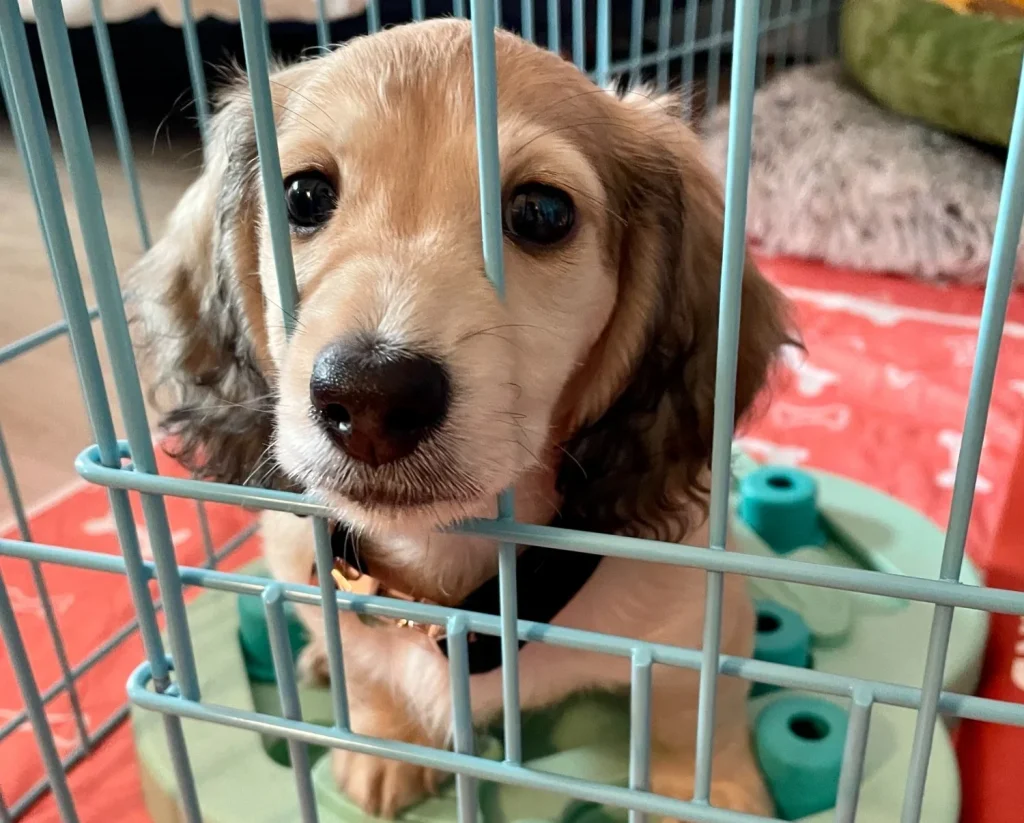
If your dog whines every time they’re in their crate, you know how stressful it can be for both of you. You want your furry friend to feel safe and calm, but the constant noise makes it hard to relax or focus.
Imagine having a peaceful home where your dog happily settles in their crate without fuss. You’ll discover simple and effective ways to stop your dog’s whining. By understanding why they whine and learning proven techniques, you can create a calm environment that your dog will love.
Keep reading, and you’ll soon enjoy quieter, happier moments with your pet.
Credit: www.dogsavvylosangeles.com
Reasons Dogs Whine In Crates
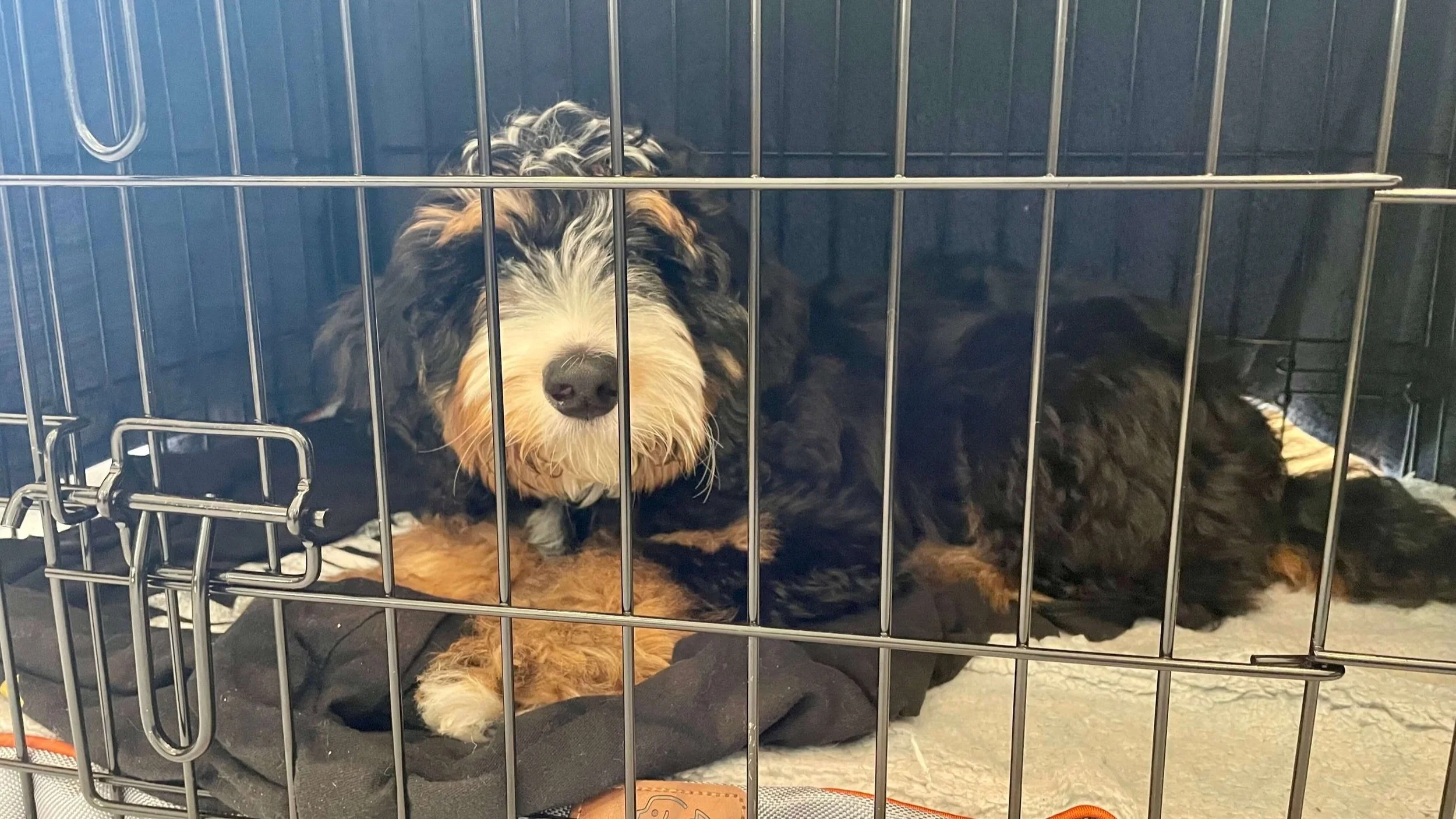
Dogs often whine in crates for several reasons. Understanding these causes helps address the behavior effectively. Whining can signal a need or discomfort that deserves attention. Recognizing the root cause is key to helping your dog feel safe and calm in the crate.
Separation Anxiety
Many dogs feel stressed when left alone. The crate can make them feel isolated. Whining is a way to express fear and anxiety. They want to be near their owners. This behavior shows their discomfort with separation.
Discomfort Or Pain
Crates can be uncomfortable if too small or hard. Dogs may whine if they are hurt or sick. Pain makes staying in the crate unpleasant. Whining calls attention to their discomfort. Check the crate size and your dog’s health.
Need To Eliminate
Dogs often whine when they need to go outside. The crate limits their movement and bathroom access. Whining is a way to ask for a break. Puppies especially need frequent bathroom trips. Pay attention to their signals.
Boredom And Loneliness
Dogs are social animals that need mental stimulation. A crate without toys or company feels dull. Whining shows they are bored or lonely. They want to play or be with others. Providing entertainment reduces crate whining.
Credit: www.dogsavvylosangeles.com
Preparing The Crate Environment
Creating a cozy and safe crate space helps reduce dog whining. Place soft bedding and familiar toys inside to comfort your dog. Keep the crate in a quiet area where your dog feels secure and calm.
Preparing the Crate Environment Creating a comfortable crate environment helps reduce a dog’s whining. Dogs need a space that feels safe and cozy. A well-prepared crate can make your dog feel at home. Let’s explore the key aspects to consider.Choosing The Right Crate Size
Select a crate that fits your dog's size. The crate should be large enough for your dog to stand, turn around, and lie down comfortably. A cramped space can cause anxiety and whining. Measure your dog and choose a crate that matches these dimensions.Adding Comfort And Familiar Scents
Place soft bedding inside the crate for comfort. Dogs love familiar scents. Add a blanket or shirt that smells like you. This can soothe your dog and reduce whining. The familiar scent reassures them when they’re alone.Using Toys And Chews
Introduce toys and chews inside the crate. This provides entertainment and keeps your dog busy. Chew toys are great for relieving stress. Choose safe and durable toys. Rotate them to keep your dog interested.Training Techniques To Reduce Whining
Reducing whining in your dog’s crate takes patience and the right training techniques. Understanding why your dog whines helps you apply the best approach. The goal is to make the crate a safe, comfortable space your dog wants to be in, not a place of stress.
Gradual Crate Introduction
Start by letting your dog explore the crate without closing the door. Place treats and toys inside to create a positive association. Slowly increase the time your dog spends inside with the door closed, starting with just a few seconds.
Have you noticed your dog’s excitement when discovering new toys? Use that energy to build positive crate experiences. This step-by-step exposure eases anxiety and reduces whining.
Positive Reinforcement
Reward your dog for calm behavior in the crate. Use treats, praise, or gentle petting to reinforce quiet moments. Avoid giving attention when your dog whines, as it may encourage more whining.
Think about the last time you rewarded your dog for something good. Did you see how quickly they learned? Positive reinforcement makes your dog want to repeat the behavior you like.
Ignoring Attention-seeking Whines
It’s tough, but sometimes you must ignore your dog’s whining if it’s to get your attention. Responding can teach your dog that whining works. Wait for a pause or quiet moment before opening the crate or giving affection.
Can you resist the urge to respond every time your dog whines? It’s a challenge, but holding firm helps your dog learn to be calm and quiet.
Establishing A Consistent Routine
Dogs thrive on routine, and a predictable schedule reduces anxiety. Feed, walk, and crate your dog at the same times daily. Consistency helps your dog know what to expect and lowers stress-related whining.
Have you tried sticking to a strict daily routine with your dog? It’s amazing how much it can improve their behavior and comfort level in the crate.

Credit: zigzag.dog
Managing Basic Needs Before Crate Time
Managing your dog’s basic needs before crate time helps reduce whining. A dog that feels comfortable and relaxed stays calm in the crate. Meeting their needs prevents discomfort and restlessness. This section explains how to prepare your dog properly.
Regular Potty Breaks
Take your dog outside for a potty break before crate time. A full bladder causes discomfort and makes dogs whine. Puppies need more frequent bathroom breaks than adult dogs. Watch for signs your dog needs to go. This prevents accidents and helps your dog settle.
Exercise And Playtime
Give your dog enough exercise before crating. Physical activity burns off energy and reduces anxiety. Playtime also improves your dog’s mood. A tired dog will rest quietly in the crate. Tailor the exercise to your dog’s age and breed.
Feeding Schedule Adjustments
Feed your dog well before crate time, but not too close to it. Eating right before crating can cause discomfort or digestive issues. Adjust feeding times so your dog has time to digest food. Avoid large meals before crate time to keep your dog calm.
Tools And Aids To Help Calm Dogs
Using the right tools can make crate training much easier for both dogs and owners. These aids help reduce anxiety and stop whining by creating a calm environment. Many dogs respond well to simple comforts and soothing scents. These tools support training and comfort your pet during crate time.
Calming Sprays And Diffusers
Calming sprays and diffusers release natural scents that relax dogs. Ingredients like lavender and chamomile are common. These products mimic pheromones dogs produce when they feel safe. Sprays can be applied inside the crate or on bedding. Diffusers spread calming scents in the room quietly and continuously. These scents help reduce stress and whining in many dogs.
Thundershirts And Wraps
Thundershirts and wraps provide gentle pressure to calm dogs. This pressure feels like a comforting hug or touch. Many dogs feel more secure wearing these wraps during crate time. The snug fit can reduce nervous energy and stop whining. These wraps are lightweight and easy to use. They work best when introduced gradually and combined with positive reinforcement.
Background Noise And Music
Background noise can mask outside sounds that trigger whining. Soft music, white noise, or nature sounds create a peaceful atmosphere. Music designed for dogs often contains calming rhythms and tones. Playing these sounds near the crate helps dogs feel less alone. This noise helps block distractions and soothes anxious dogs. Consistent use trains dogs to associate crate time with calmness.
When To Seek Professional Help
Knowing when to seek professional help can save your dog from ongoing stress. Persistent whining in the crate may signal deeper problems. Early intervention helps your dog feel safe and calm.
Recognizing Persistent Anxiety
Whining that lasts more than a few days needs attention. Signs like trembling, pacing, or destructive behavior show anxiety. Your dog may resist entering the crate or freeze inside. These behaviors point to stress beyond normal adjustment.
Chronic anxiety can harm your dog’s health. It reduces sleep and increases fear. Notice if your dog whines loudly and often, despite training. This indicates a need for expert advice.
Choosing A Trainer Or Behaviorist
Pick a professional with experience in dog anxiety and crate training. Look for certifications from recognized organizations. They should use positive reinforcement, not punishment.
Ask about their approach to crate whining. A good trainer explains steps clearly and involves you in training. Avoid trainers who promise quick fixes or harsh methods.
Consulting a behaviorist can help if anxiety is severe. They assess your dog’s mental state and tailor a plan. This support improves your dog’s comfort and your peace of mind.
Frequently Asked Questions
Why Does My Dog Whine In The Crate?
Dogs whine in crates due to anxiety, boredom, or needing bathroom breaks. It signals discomfort or desire for attention. Understanding the cause helps address whining effectively and improves crate training success.
How Can I Stop My Dog Whining At Night?
Create a calming environment with a comfy bed and toys. Establish a bedtime routine and avoid sudden crate departures. Gradually increase crate time to build comfort and reduce nighttime whining.
Is Crate Whining A Sign Of Separation Anxiety?
Yes, crate whining can indicate separation anxiety. Dogs feel stressed when left alone. Gradual training and positive reinforcement help ease anxiety and reduce whining behaviors in the crate.
What Are Effective Distractions To Reduce Crate Whining?
Providing chew toys, puzzle feeders, or safe treats keeps dogs engaged in the crate. Distractions reduce boredom and anxiety, minimizing whining and promoting positive crate experiences.
Conclusion
Stopping dog whining in the crate takes patience and care. Be calm and consistent with your training steps. Give your dog comfort, but avoid giving in to whining. Use treats and praise to encourage quiet behavior. Remember, dogs need time to feel safe and calm.
Keep sessions short and positive to build good habits. Soon, your dog will enjoy the crate without fuss. Trust the process and stay gentle with your furry friend. Quiet moments in the crate will come with love and practice.

Emily Barker is the founder of ChillDogLife.com, a space dedicated to helping pup parents discover the best dog products, lifestyle tips, and cozy ideas for happier homes.
A lifelong dog lover, Emily combines her passion for pets with a knack for research to share trusted recommendations on everything from toys and furniture to health and everyday care.
Her goal is simple: to make life easier, stylish, and more joyful for dogs and the people who love them.




