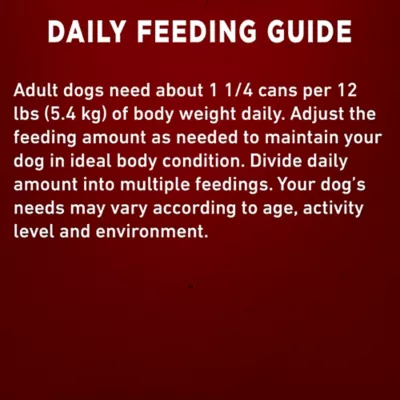
Are you wondering how much food your adult dog really needs each day? Feeding your dog the right amount is key to keeping them healthy, happy, and full of energy.
Too much food can lead to weight gain and health problems, while too little might leave them hungry and weak. You’ll discover simple, clear guidelines to help you find the perfect daily portion for your furry friend. Keep reading to learn how to make mealtime just right for your dog’s unique needs.
Daily Calorie Needs
Knowing how much food your adult dog needs depends on calories. Calories give energy for daily activities. Feeding the right amount helps keep your dog healthy.
Each dog has different calorie needs. These depend on many factors like size and activity level. Understanding these needs helps you feed your dog properly.
Factors Influencing Calorie Requirements
Several things change how many calories your dog needs each day. Age, weight, and activity affect this number. Also, health and breed play a role.
- Age:Puppies and young dogs need more calories to grow.
- Weight:Bigger dogs burn more calories than small dogs.
- Activity Level:Active dogs need more energy than lazy ones.
- Health:Sick or older dogs may require fewer calories.
- Breed:Some breeds have higher metabolism rates.
Calculating Your Dog’s Calorie Intake
To find the right calories, start with your dog’s ideal weight. Use a simple formula to estimate daily calorie needs. Then adjust based on activity and health.
Here is a basic way to calculate calories for an adult dog:
| Calculation | Description |
|---|---|
| Resting Energy Requirement (RER) | 70 x (weight in kg)0.75 |
| Daily Energy Requirement (DER) | RER x Activity Factor |
Activity factors vary: 1.2 for low activity, 1.6 for normal, 2.0 for very active dogs. Adjust calories if your dog is pregnant or nursing.
Portion Sizes By Dog Weight
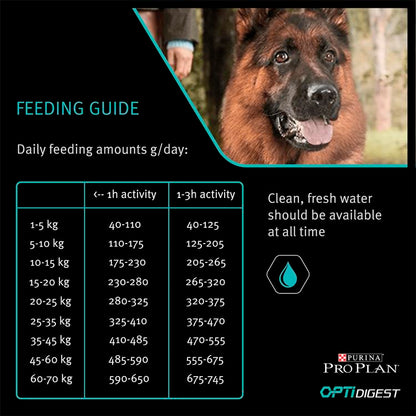
Feeding your dog the right amount of food is important for their health. Portion sizes depend on your dog’s weight and breed size.
Below are guidelines to help you decide how much food to give your dog each day based on their weight and breed group.
Small Breeds
Small breed dogs weigh between 5 and 20 pounds. They need less food than bigger dogs but require frequent meals to keep their energy.
Feed small breeds about 1/4 to 3/4 cups of high-quality dog food daily. Split this into two or three meals.
| Weight (lbs) | Daily Food Amount (cups) |
|---|---|
| 5 – 10 | 1/4 – 1/2 |
| 11 – 15 | 1/2 – 2/3 |
| 16 – 20 | 2/3 – 3/4 |
Medium Breeds
Medium breed dogs weigh between 21 and 50 pounds. They need more food to support their active lifestyle.
Feed medium breeds about 3/4 to 2 cups of food daily. Divide meals into two servings per day.
| Weight (lbs) | Daily Food Amount (cups) |
|---|---|
| 21 – 30 | 3/4 – 1 1/4 |
| 31 – 40 | 1 1/4 – 1 3/4 |
| 41 – 50 | 1 3/4 – 2 |
Large Breeds
Large breed dogs weigh over 50 pounds. They need a balanced diet to maintain strong muscles and joints.
Feed large breeds about 2 to 4 cups of food daily, split into two meals. Adjust based on activity and health.
| Weight (lbs) | Daily Food Amount (cups) |
|---|---|
| 51 – 70 | 2 – 2 1/2 |
| 71 – 90 | 2 1/2 – 3 1/2 |
| 91 and up | 3 1/2 – 4+ |
Types Of Dog Food
Feeding your dog the right amount of food is important. Different types of dog food offer various benefits. Understanding them helps you make the best choice for your pet.
Let’s explore the types of dog food available. We’ll look at dry kibble, wet food, and raw or homemade diets.
Dry Kibble
Dry kibble is a popular choice for many dog owners. It is convenient to store and usually less expensive than other types.
- Easy to measure for portion control
- Helps keep teeth clean
- Long shelf life
Wet Food
Wet food often comes in cans or pouches. It has a high moisture content, which helps keep your dog hydrated.
Raw And Homemade Diets
Raw and homemade diets involve preparing fresh meals for your dog. This type of diet can be tailored to meet specific nutritional needs.
| Diet Type | Benefits |
| Raw | Natural ingredients |
| Homemade | Customizable nutrition |
Feeding Frequency
Knowing how often to feed your adult dog helps keep it healthy. Feeding frequency depends on your dog’s needs and lifestyle.
Feeding your dog the right amount at the right times supports good digestion and energy levels.
Once Vs. Multiple Meals
Some owners feed their dogs once a day. Others split food into two or more meals. Each way has pros and cons.
One meal a day can be simple and saves time. It may work for some dogs with no health issues.
- Easy to manage for busy owners
- Dogs may feel very hungry before mealtime
- Less control over digestion throughout the day
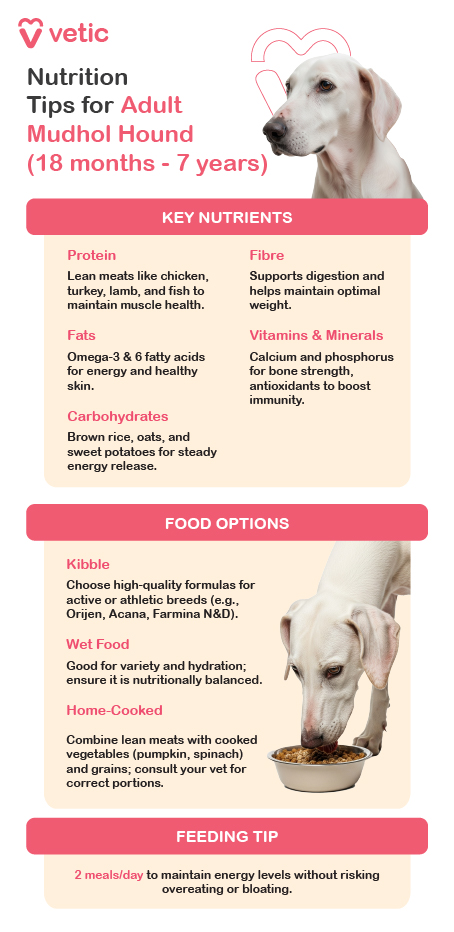
Multiple meals help keep blood sugar steady. It can prevent hunger and reduce the risk of bloat.
- Better for dogs with digestive problems
- Helps control portion size and weight
- Requires more effort and planning
Adjusting Feeding Schedule
Change your dog’s feeding schedule based on age, health, and activity. Watch how your dog reacts to meal times.
Keep feeding times consistent to avoid stomach issues. If you change food type, adjust amounts slowly.
- Feed less before and after exercise
- Increase food on very active days
- Consult a vet for health-related changes
Special Considerations
Feeding an adult dog the right amount of food depends on many factors. Some dogs need more or less food based on their body and life situations.
Understanding these special needs helps you keep your dog healthy and happy. Adjusting food amount is important for their well-being.
Age And Activity Level
Older dogs often need fewer calories because they move less. Younger adults with high energy need more food to stay strong.
Active dogs burn more energy. They need extra food to fuel their daily exercise and playtime.
- Senior dogs: lower calorie intake
- Active adults: higher calorie needs
- Less active dogs: smaller portions
Health Conditions
Some health problems change how much a dog should eat. Dogs with kidney issues may need less protein.
Dogs with obesity need fewer calories to lose weight safely. Dogs with diabetes may require special diets and meal timing.
- Kidney issues: lower protein
- Obesity: reduced calories
- Diabetes: controlled meals
Pregnant And Lactating Dogs
Pregnant dogs need more food to support their puppies. Their calorie needs rise as the pregnancy progresses.
Lactating dogs require even more calories to make enough milk. Feeding should increase gradually after birth.
- Pregnancy: increase food in last weeks
- Lactation: feed extra meals daily
- Use high-quality food for better nutrition
Credit: pet-supermarket.co.uk
Signs Of Overfeeding And Underfeeding
Feeding your adult dog the right amount of food is important for their health. Too much or too little food can cause problems.
Look for signs in your dog’s weight and behavior to know if you need to change their food amount.
Weight Changes
Weight changes are one of the clearest signs of feeding problems. Watch your dog’s body shape closely.
| Condition | Signs |
| Overfeeding | Rapid weight gain, difficulty feeling ribs, round belly |
| Underfeeding | Weight loss, visible ribs and spine, sunken belly |
Behavioral Indicators
Your dog’s behavior can also show if they get too much or too little food. Watch how they act around meal times.
- Signs of Overfeeding:Lethargy, less interest in exercise, frequent begging for food
- Signs of Underfeeding:Excessive hunger, restlessness, searching for food in the house
Tips For Proper Feeding
Feeding your adult dog the right amount of food is essential for their health. Proper feeding ensures they get the nutrition they need without overfeeding.
Understanding the correct feeding practices can help you maintain your dog’s weight and overall well-being. Let’s explore some tips to feed your dog correctly.
Measuring Food Accurately
Accurate measurement of your dog’s food is key to proper feeding. It helps prevent overfeeding or underfeeding, which can lead to health problems.
- Use a measuring cup for dry food.
- Follow the feeding guidelines on the food package.
- Adjust portions based on your dog’s activity level.
Avoiding Table Scraps
Feeding dogs table scraps can lead to unhealthy weight gain and nutritional imbalance. It is important to stick to their regular diet.
Consider this: One slice of breadto a dog is like us eating a whole hamburger.
Regular Vet Checkups
Regular checkups with a veterinarian are crucial for monitoring your dog’s health. Vets can provide guidance on diet and portion adjustments.
| Checkup Frequency | Recommendation |
| Every 6 months | For healthy adult dogs |
| Annually | For senior dogs |
Credit: vetic.in
Credit: www.petmd.com
Frequently Asked Questions
How Much Food Does An Adult Dog Need Daily?
An adult dog typically needs 2% to 3% of its body weight in food daily. This varies by breed, activity, and health. Consult your vet for exact amounts.
Does Dog Size Affect Daily Food Intake?
Yes, larger dogs require more food than smaller breeds. Size impacts calorie needs and portion sizes. Adjust feeding based on your dog’s weight and activity level.
How Often Should Adult Dogs Be Fed Each Day?
Most adult dogs should be fed twice daily. This helps regulate metabolism and prevents overeating. Some dogs may benefit from smaller, more frequent meals.
What Factors Influence Adult Dog Food Quantity?
Age, weight, activity, metabolism, and health condition affect food needs. Active dogs burn more calories and need more food. Always tailor portions to your dog’s lifestyle.
Conclusion
Feeding your adult dog the right amount keeps them healthy and happy. Check their weight and energy to guide food portions. Different dogs need different amounts, so watch their body closely. Regular meals help avoid overeating or hunger. Adjust food as your dog’s activity or health changes.
Always provide fresh water alongside meals. Small changes in food can make a big difference. Caring for your dog’s diet shows love and keeps them strong. Simple steps lead to a happier, healthier pet every day.

Emily Barker is the founder of ChillDogLife.com, a space dedicated to helping pup parents discover the best dog products, lifestyle tips, and cozy ideas for happier homes.
A lifelong dog lover, Emily combines her passion for pets with a knack for research to share trusted recommendations on everything from toys and furniture to health and everyday care.
Her goal is simple: to make life easier, stylish, and more joyful for dogs and the people who love them.




