Are you wondering when to switch your furry friend from puppy food to adult dog food? Choosing the right time is crucial for your dog’s health and happiness.
Feed them too early or too late, and you might affect their growth, energy, and overall well-being. You’ll discover the clear signs and expert advice on the perfect age to make this important change. Keep reading to ensure your dog gets the nutrition they truly need at every stage of life.

Credit: www.youtube.com
When To Switch To Adult Food
Knowing when to switch your dog to adult food is important. Feeding the right food supports healthy growth and energy.
Different dogs grow at different rates. Age and breed size help decide the best time to change their diet.
Age Guidelines By Breed Size
| Breed Size | Switch Age |
| Small Breeds (under 20 lbs) | 9 to 12 months |
| Medium Breeds (20-50 lbs) | 12 months |
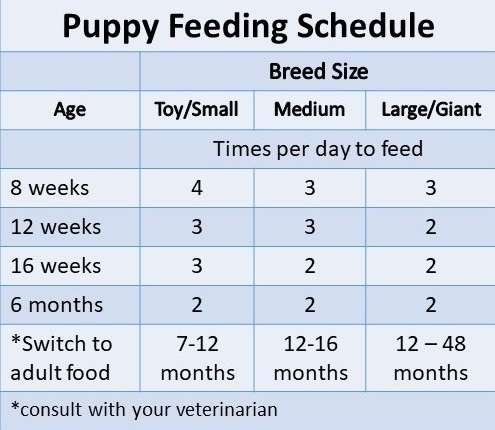
| Large Breeds (50-100 lbs) | 12 to 18 months |
| Giant Breeds (over 100 lbs) | 18 to 24 months |
Signs Your Dog Is Ready
- Dog has reached most adult height and weight.
- Energy levels are steady, not growing rapidly.
- Teeth are fully developed and strong.
- Coat looks healthy and shiny.
- Stops showing puppy-like behaviors often linked to growth.
Veterinarian Recommendations
Veterinarians suggest switching based on your dog’s health and growth. They check weight, activity, and development.
Tips from vets:
- Watch for steady growth, not too fast or slow.
- Use gradual food changes over 7 to 10 days.
- Ask about breed-specific nutritional needs.
- Regularly review diet during checkups.
Choosing The Right Adult Food
Feeding your dog the right food is important as they grow. Adult dog food meets their needs after puppyhood. Knowing when to switch helps your dog stay healthy.
This guide helps you choose the best adult food for your dog. Learn about nutrition, food types, and how to read labels.
Nutritional Needs Of Adult Dogs
Adult dogs need balanced nutrition to keep energy and health. Their diet should have the right amount of protein, fat, and carbohydrates.
Vitamins and minerals support strong bones and a good immune system. Fiber helps with digestion and healthy weight.
- Protein for muscle maintenance
- Fat for energy and skin health
- Carbohydrates for fuel
- Vitamins and minerals for overall health
- Fiber for digestion
Types Of Adult Dog Food
Adult dog food comes in dry, wet, and raw forms. Each type has pros and cons depending on your dog’s needs and preferences.
Dry food is easy to store and helps keep teeth clean. Wet food is tasty and adds moisture. Raw food aims to be close to a natural diet.
- Dry Food:Affordable, convenient, long shelf life
- Wet Food:More water, soft texture, can be more expensive
- Raw Food:Minimally processed, may require careful handling
Reading Dog Food Labels
Labels show ingredients and nutrition facts. Look for quality ingredients listed first and avoid foods with too many fillers.
Check for guaranteed analysis to see protein, fat, fiber, and moisture levels. Also, look for feeding guidelines to give the right amount.
- Ingredients are listed by weight from highest to lowest
- Protein and fat percentages show food quality
- Fiber and moisture affect digestion and hydration
- Feeding instructions help with portion control
Transitioning Your Dog’s Diet
Changing your dog’s food to adult dog food is important at the right age. This helps your dog stay healthy and happy.
Switching food too fast can upset your dog’s stomach. It is best to change the diet slowly and watch for any problems.
Gradual Food Change Process
Start by mixing a small amount of adult food with your dog’s current food. Increase the adult food amount each day.
This slow change helps your dog get used to the new taste and nutrients without stress.
- Day 1-3: 25% adult food, 75% old food
- Day 4-6: 50% adult food, 50% old food
- Day 7-9: 75% adult food, 25% old food
- Day 10: 100% adult food
Avoiding Digestive Issues
Sudden diet changes can cause diarrhea or vomiting. A slow change reduces these risks.
Keep fresh water available to help your dog digest the new food well.
- Do not skip steps in the food change process
- Watch for signs of upset stomach like vomiting
- Give your dog water to stay hydrated
- Contact a vet if problems last more than two days
Monitoring Your Dog’s Reaction
Watch how your dog reacts to the new food. Check for energy levels, coat shine, and stool quality.
If your dog shows signs of discomfort or stops eating, slow down the transition or ask a vet for advice.
- Check daily for changes in appetite
- Look for signs of allergy like itching
- Note any changes in bathroom habits
- Keep a food diary to track reactions
Credit: dogsauce.co
Common Mistakes To Avoid
Feeding your dog adult food at the right time is very important. Many dog owners make mistakes that can hurt their pet’s health.
Knowing what to avoid helps your dog grow strong and stay healthy. Read on to learn about common errors to watch out for.
Switching Too Early Or Late
Changing your dog to adult food too soon or too late can cause problems. Puppies need special nutrition to grow well. Adult food may not have the right nutrients for them.
- Switching too early can cause poor growth and digestion issues.
- Switching too late can lead to overweight and lack of energy.
- Check your dog’s age and size before switching foods.
Ignoring Breed-specific Needs
Different dog breeds have different food needs. Large breeds need food that supports joint health. Small breeds need more calories in smaller portions.
| Breed Size | Key Nutritional Needs | Risk of Ignoring Needs |
|---|---|---|
| Small Breeds | High calories, small kibbles | Low energy, poor digestion |
| Large Breeds | Joint support, balanced calcium | Joint problems, growth issues |
| Medium Breeds | Balanced nutrients, moderate calories | Weight gain, lack of energy |
Overfeeding During Transition
When moving to adult food, giving too much can cause weight gain. Dogs need time to adjust to new food. Overfeeding can also lead to stomach upset.
- Feed smaller portions for the first two weeks.
- Watch your dog’s weight and energy levels.
- Gradually increase food to normal adult amounts.
- Consult your vet if unsure about portion sizes.
Maintaining Adult Dog Health
Feeding your dog the right adult food is key to keeping them healthy. Choosing the correct age to switch helps support their body and energy.
Adult dog food has nutrients that meet their needs after puppyhood. This helps maintain strong muscles, a healthy coat, and good digestion.
Regular Vet Checkups
Visit the vet regularly to check your dog’s health. The vet can suggest the best food for their age and condition.
These checkups help spot any health issues early. Your vet may recommend food changes based on weight, activity, or illness.
Balanced Nutrition Tips
Adult dogs need a mix of protein, fat, and carbs to stay strong. Look for food with high-quality ingredients and added vitamins.
- Choose food with real meat as the first ingredient
- Include healthy fats for skin and coat health
- Provide fiber to support digestion
- Ensure vitamins and minerals meet daily needs
Adjusting Food As Your Dog Ages
As dogs get older, their food needs change. Senior dogs often need fewer calories but more joint support nutrients.
Watch your dog’s weight and energy. Adjust portions or switch to senior formulas to keep them healthy and active.
- Reduce calorie intake if activity drops
- Add foods with glucosamine for joint health
- Choose easy-to-digest ingredients
- Monitor water intake and hydration
Credit: www.vetsupply.com.au
Frequently Asked Questions
When Should I Switch My Dog To Adult Food?
Switch to adult dog food at one year old. Large breeds may need it between 12-18 months. This supports balanced nutrition and healthy growth.
Why Is Feeding Adult Dog Food Important?
Adult food meets your dog’s specific nutrient needs. It prevents obesity and supports energy levels. Proper nutrition ensures a longer, healthier life.
Can I Feed Puppy Food To Adult Dogs?
Feeding puppy food to adults can cause weight gain. Puppy food has more calories and nutrients than adults need. It’s best to switch to adult food timely.
How To Know If My Dog Is Ready For Adult Food?
Look for signs like full size and slowed growth. Your vet can confirm the best time. Age and breed both influence the switch timing.
Conclusion
Feeding your dog adult food at the right age supports their health well. Most dogs switch around one year old, but size and breed may change timing. Watch your dog’s behavior and energy to guide the switch. A smooth change helps avoid stomach problems.
Always choose good quality adult food for balanced nutrition. Taking care during this change keeps your dog happy and strong. Trust your pet’s needs and enjoy watching them grow healthy.

Emily Barker is the founder of ChillDogLife.com, a space dedicated to helping pup parents discover the best dog products, lifestyle tips, and cozy ideas for happier homes.
A lifelong dog lover, Emily combines her passion for pets with a knack for research to share trusted recommendations on everything from toys and furniture to health and everyday care.
Her goal is simple: to make life easier, stylish, and more joyful for dogs and the people who love them.




