Feeding your adult dog the right amount of food is more important than you might think. Too much can lead to weight gain and health problems, while too little might leave your furry friend hungry and weak.
You want to make sure your dog stays happy, healthy, and full of energy every day. But how do you know exactly how much to feed your adult dog? You’ll discover simple, clear answers that take the guesswork out of mealtime.
Keep reading to learn how to give your dog just the right portions for a long, vibrant life.
Factors Affecting Dog Food Portions
Feeding an adult dog the right amount is important for its health. Different factors change how much food your dog needs.
These factors include breed, age, health, and metabolism. Knowing them helps you feed your dog well.
Breed And Size
Dogs come in many sizes. Small breeds eat less food than large breeds. Size affects their daily calorie needs.
- Small breeds need less than 500 calories per day
- Medium breeds need about 700 to 1,200 calories per day
- Large breeds may need over 1,500 calories per day
Age And Activity Level
Older dogs usually need less food than young adults. Active dogs burn more energy and need more food.
| Age Group | Activity Level | Food Portion |
| Young Adult | High | Large |
| Adult | Moderate | Medium |
| Senior | Low | Small |
Health Conditions
Health issues like obesity or diabetes change food needs. Dogs with health problems may need special diets.
Common health conditions affecting food portions:
- Obesity requires fewer calories
- Diabetes needs balanced meals
- Kidney disease may limit protein
Metabolism Variations
Each dog’s metabolism is different. Some dogs burn energy fast and need more food. Others use energy slowly.
Types Of Dog Food
Choosing the right food for your adult dog is important. Different types of dog food provide different nutrients and benefits.
Understanding the types of dog food helps you feed your dog the right amount and keep them healthy.
Dry Kibble
Dry kibble is a common type of dog food. It is easy to store and serves as a convenient option for many dog owners.
It contains balanced nutrients and helps keep your dog’s teeth clean by reducing plaque buildup.
- Long shelf life
- Easy to measure and serve
- Variety of flavors and formulas
Wet Food
Wet food has more moisture than dry kibble. It is softer and often more appealing to dogs.
This type of food can help keep your dog hydrated and is good for dogs that have trouble chewing dry food.
- Higher water content
- Usually more expensive than kibble
- Good for picky eaters
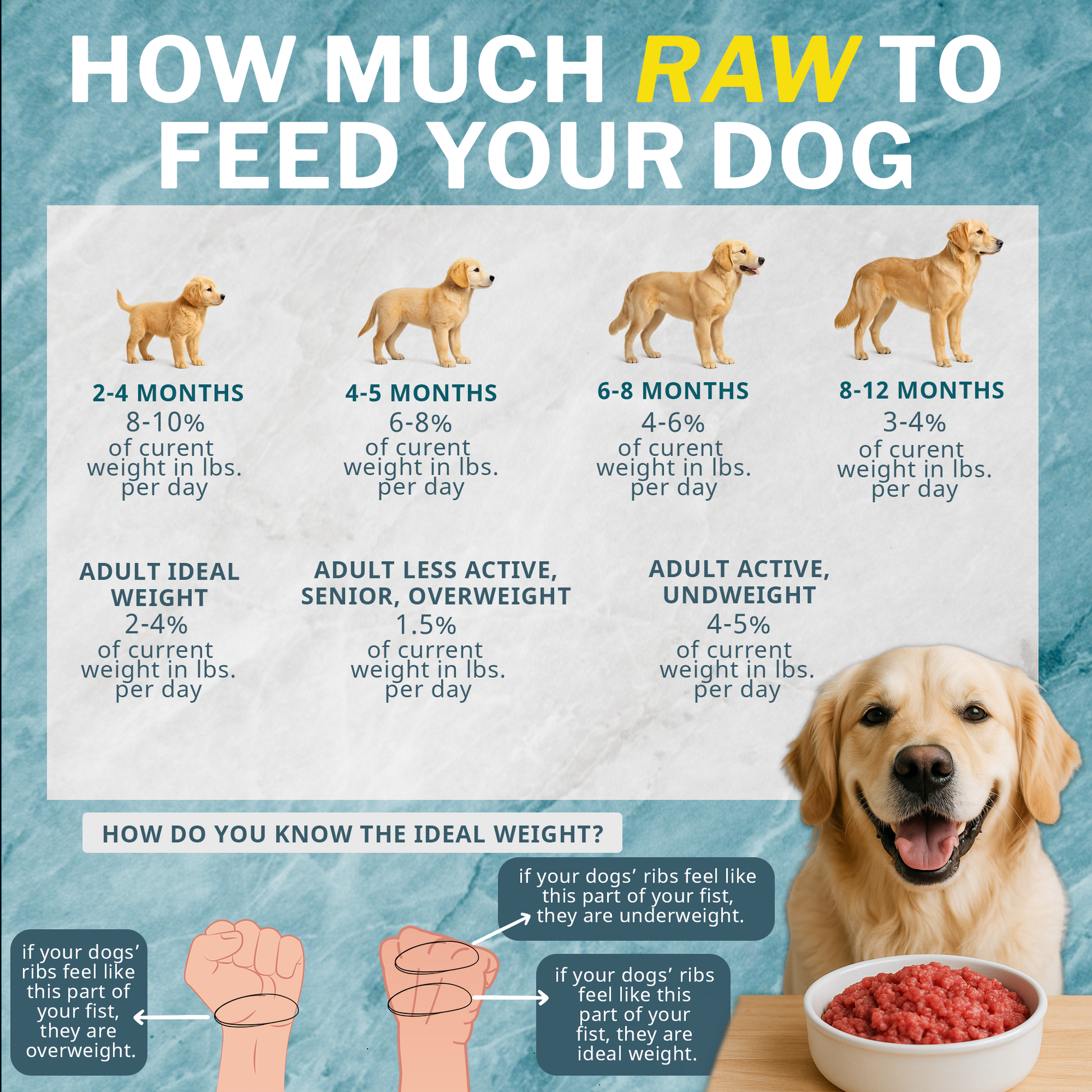
Raw Diet
A raw diet includes uncooked meat, bones, and organs. Some owners choose this to mimic a dog’s natural diet.
This diet can be healthy but needs careful preparation to avoid bacteria and nutrient imbalances.
- High in protein
- Requires safe handling
- May need supplements for balance
Homemade Meals
Homemade meals are cooked food made from fresh ingredients. You control what goes into your dog’s food.
It is important to include the right balance of protein, carbs, and fats for your dog’s health.
- Customizable to your dog’s needs
- Needs guidance from a vet or nutritionist
- Time-consuming to prepare
Calculating Daily Food Amounts
Feeding your adult dog the right amount of food keeps them healthy. You need to know how much to give each day. This depends on different factors like your dog’s size and activity.
Using simple methods helps you find the right daily food amount. This guide covers three key ways to calculate it for your dog.
Using Caloric Needs
Dogs need calories to stay active and healthy. The amount depends on weight, age, and activity level. Calculate your dog’s daily calorie need first.
- Find your dog’s weight in kilograms or pounds.
- Use a calorie calculator or chart for dogs.
- Multiply by activity factor: low, normal, or high.
- Adjust calories if your dog is pregnant or older.
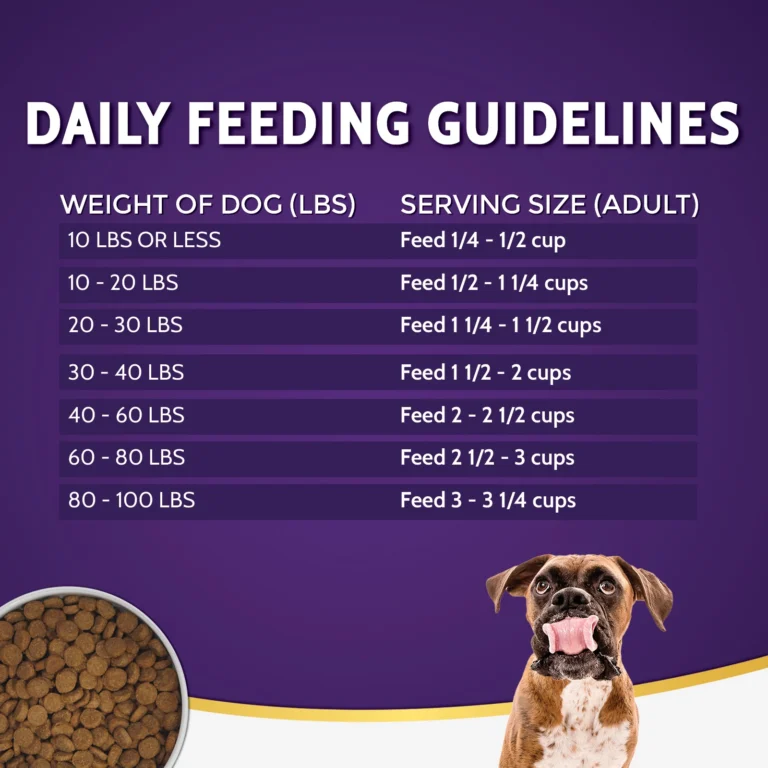
Reading Feeding Guidelines
Pet food packages have feeding guides. These tell you how much to feed based on your dog’s weight. Always read the label carefully.
| Dog Weight (lbs) | Daily Food Amount (cups) | Calories per Day |
| 10 | ½ – ¾ | 200 – 300 |
| 25 | 1 ½ – 2 | 600 – 700 |
| 50 | 3 – 3 ½ | 1,200 – 1,300 |
| 75 | 4 ½ – 5 | 1,700 – 1,800 |
Adjusting For Treats And Snacks
Treats add extra calories. Too many snacks can cause weight gain. Reduce meal amounts if you give treats often.
- Count daily treat calories.
- Subtract treat calories from main meal calories.
- Feed smaller meals to balance total calories.
- Choose low-calorie treats when possible.
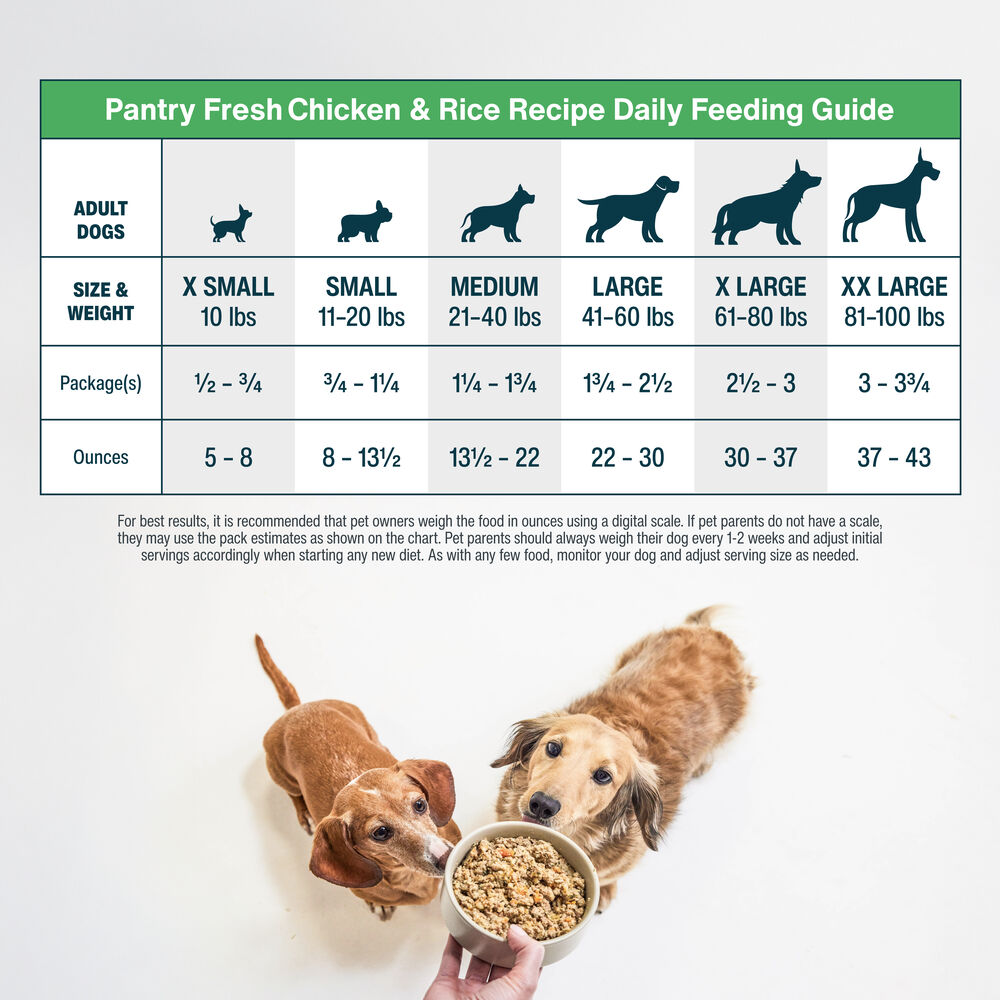
Portion Sizes For Different Dog Sizes
Feeding the right amount of food helps keep your dog healthy. Different dog sizes need different portion sizes.
Knowing how much to feed each size can prevent weight problems and keep your dog active.
Small Breeds
Small breeds weigh under 20 pounds. They need less food but more frequent meals.
Feed them about ⅓ to 1 cup of food daily, split into two meals.
- Examples: Chihuahua, Dachshund, Pomeranian
- Feed ⅓ to 1 cup per day
- Divide into two meals
Medium Breeds
Medium breeds weigh between 20 and 50 pounds. They need more food than small breeds.
Feed about 1 to 2.5 cups of food daily, split into two meals.
- Examples: Beagle, Cocker Spaniel, Border Collie
- Feed 1 to 2.5 cups per day
- Divide into two meals
Large Breeds
Large breeds weigh between 50 and 100 pounds. They need a lot of food to stay healthy.
Feed about 2.5 to 4.5 cups of food daily, split into two meals.
- Examples: Labrador Retriever, Golden Retriever, German Shepherd
- Feed 2.5 to 4.5 cups per day
- Divide into two meals
Giant Breeds
Giant breeds weigh over 100 pounds. They need careful feeding to avoid health issues.
Feed about 4.5 to 6 cups of food daily, split into two or three meals.
- Examples: Great Dane, Mastiff, Saint Bernard
- Feed 4.5 to 6 cups per day
- Divide into two or three meals
Feeding Schedules And Frequency
Feeding your adult dog the right amount of food is important. It ensures they stay healthy and energetic. Knowing how often to feed them is part of this balance.
Dogs have different needs based on age, size, and activity level. Creating a feeding schedule helps meet these needs effectively.
Once Vs. Multiple Meals
Some dogs eat once a day, while others need multiple meals. Feeding once a day is simple, but not always best for all dogs.
Multiple meals can help regulate energy levels and prevent hunger. It is often a better choice for active dogs.
- Once a day: Suitable for less active dogs
- Twice a day: Balances energy for most dogs
- Three times a day: Best for highly active dogs
Timing For Energy Levels
The time you feed your dog affects their energy. Morning meals give energy for the day, while evening meals help them sleep well.
Consider your dog’s activity schedule. Feed them before walks or playtime for best results.
| Morning | Boosts energy for the day |
| Afternoon | Sustains energy levels |
| Evening | Prepares for restful sleep |
Adapting Feeding Times
Adjust feeding times as your dog ages or activity changes. Older dogs may need less frequent meals.
Puppies transitioning to adult dogs need more frequent feedings. Monitor their health and energy to find the right schedule.
- Monitor weight changes
- Adjust meals based on activity
- Consult a vet for advice
Credit: www.justfoodfordogs.com
Signs Of Overfeeding And Underfeeding
Understanding how much food to give your adult dog is important. Too much or too little food can lead to health problems.
Feeding your dog the right amount ensures they stay healthy and active. Watch for signs of overfeeding and underfeeding to keep them well.
Weight Changes
Weight changes are a common sign of overfeeding or underfeeding. Monitor your dog’s weight regularly.
- Sudden weight gain may indicate overfeeding
- Weight loss can be a sign of underfeeding
- Maintain a consistent weight for a healthy dog
Behavioral Clues
Your dog’s behavior can show if they are eating the right amount. Watch their activity and mood.
- Lethargy or lack of energy might mean overfeeding
- Increased begging or scavenging can be a sign of hunger
- Healthy dogs are active and playful
Health Risks
Feeding the wrong amount can cause health issues. Be aware of potential risks.
- Overfeeding can lead to obesity and heart problems
- Underfeeding might cause nutrient deficiencies
- Balanced diet supports overall health
Tips To Maintain Ideal Weight
Keeping your adult dog at a healthy weight helps them live longer. Feeding the right amount is key. Small changes can make a big difference.
Watch your dog’s weight and activity. Adjust food and exercise to keep them fit and happy.
Measuring Food Accurately
Use a proper measuring cup or kitchen scale for dog food. Eyeballing portions can lead to overfeeding or underfeeding.
- Measure dry or wet food before feeding
- Check the feeding guide on the dog food package
- Adjust portions based on your dog’s activity and age
Monitoring Dog’s Weight
Track your dog’s weight regularly to spot changes early. Use a simple scale or visit the vet.
| Weight Range (lbs) | Ideal Daily Food Amount (cups) |
| 10 – 20 | ½ – 1 |
| 21 – 40 | 1 – 2 |
| 41 – 70 | 2 – 3 |
| 71 – 100 | 3 – 4 |
Note your dog’s weight trend. If they gain or lose weight, change the food amount slowly.
Regular Exercise
Exercise helps burn calories and keeps muscles strong. Find activities your dog enjoys.
- Daily walks help maintain weight
- Play fetch or tug-of-war for fun workouts
- Try swimming for low-impact exercise
- Keep sessions consistent and age-appropriate

Credit: truthaboutpetfood.com
When To Consult A Vet
Knowing how much food to give your adult dog is important for their health. Sometimes you might need help from a vet to get it right.
Your dog’s needs can change. A vet can guide you if you see problems or have questions about feeding.
Persistent Weight Issues
If your dog keeps gaining or losing weight, see a vet. Unusual weight changes can show health problems.
A vet will check for conditions like thyroid problems or diabetes. They help find the cause and suggest changes.
Dietary Adjustments
Your dog may need different food amounts if they become more or less active. A vet can advise on the right diet.
Special diets might be needed for age, breed, or health. A vet helps pick the best food and feeding schedule.
Special Health Needs
Dogs with health issues need specific feeding plans. Conditions like allergies or kidney disease require vet guidance.
Your vet can create a feeding plan that supports your dog’s health and avoids foods that cause problems.
Credit: ifeedraw.com
Frequently Asked Questions
How Much Food Should I Feed My Adult Dog Daily?
Feed your adult dog based on its weight, activity level, and food type. Typically, 2-3% of their body weight in food per day is ideal. Always check the pet food label and consult your vet to adjust portions for health and energy needs.
Does Dog Size Affect Daily Food Quantity?
Yes, larger dogs need more food than smaller breeds. Small dogs require fewer calories, while large breeds need more to maintain energy. Adjust portions according to your dog’s size, metabolism, and activity to keep them healthy and active.
How Often Should I Feed My Adult Dog?
Most adult dogs do well with two meals per day. Feeding twice helps regulate digestion and energy levels. Avoid free-feeding to prevent overeating and weight gain. Consistency in feeding times supports good behavior and health.
Can Exercise Change My Dog’s Food Needs?
Exercise increases your dog’s calorie needs. Active dogs burn more energy and require larger or more frequent meals. Adjust food portions after exercise changes to maintain a healthy weight and optimal nutrition.
Conclusion
Feeding your adult dog the right amount keeps them healthy and happy. Watch their weight and energy to adjust food as needed. Use the dog’s size, age, and activity to guide portions. Avoid overfeeding to prevent health problems. Regular meals help maintain a good routine.
Consult your vet for personalized advice. Small changes make a big difference in your dog’s life. Keep meals balanced, simple, and consistent. Your dog will thank you with love and good health.

Emily Barker is the founder of ChillDogLife.com, a space dedicated to helping pup parents discover the best dog products, lifestyle tips, and cozy ideas for happier homes.
A lifelong dog lover, Emily combines her passion for pets with a knack for research to share trusted recommendations on everything from toys and furniture to health and everyday care.
Her goal is simple: to make life easier, stylish, and more joyful for dogs and the people who love them.




