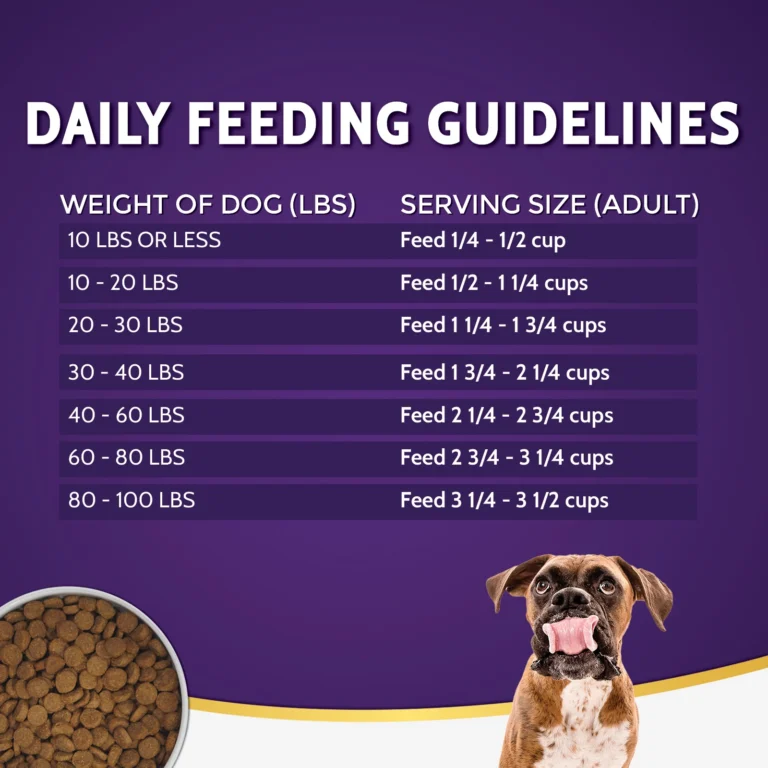
How many cups of food should your adult dog eat each day? It’s a question every dog owner wants to get right.
Feeding your furry friend the right amount keeps them healthy, happy, and full of energy. But with so many factors to consider—like size, breed, and activity level—it’s easy to feel confused. You’ll discover simple, practical advice to help you find the perfect portion size for your dog.
Keep reading to make sure you’re giving your loyal companion exactly what they need.
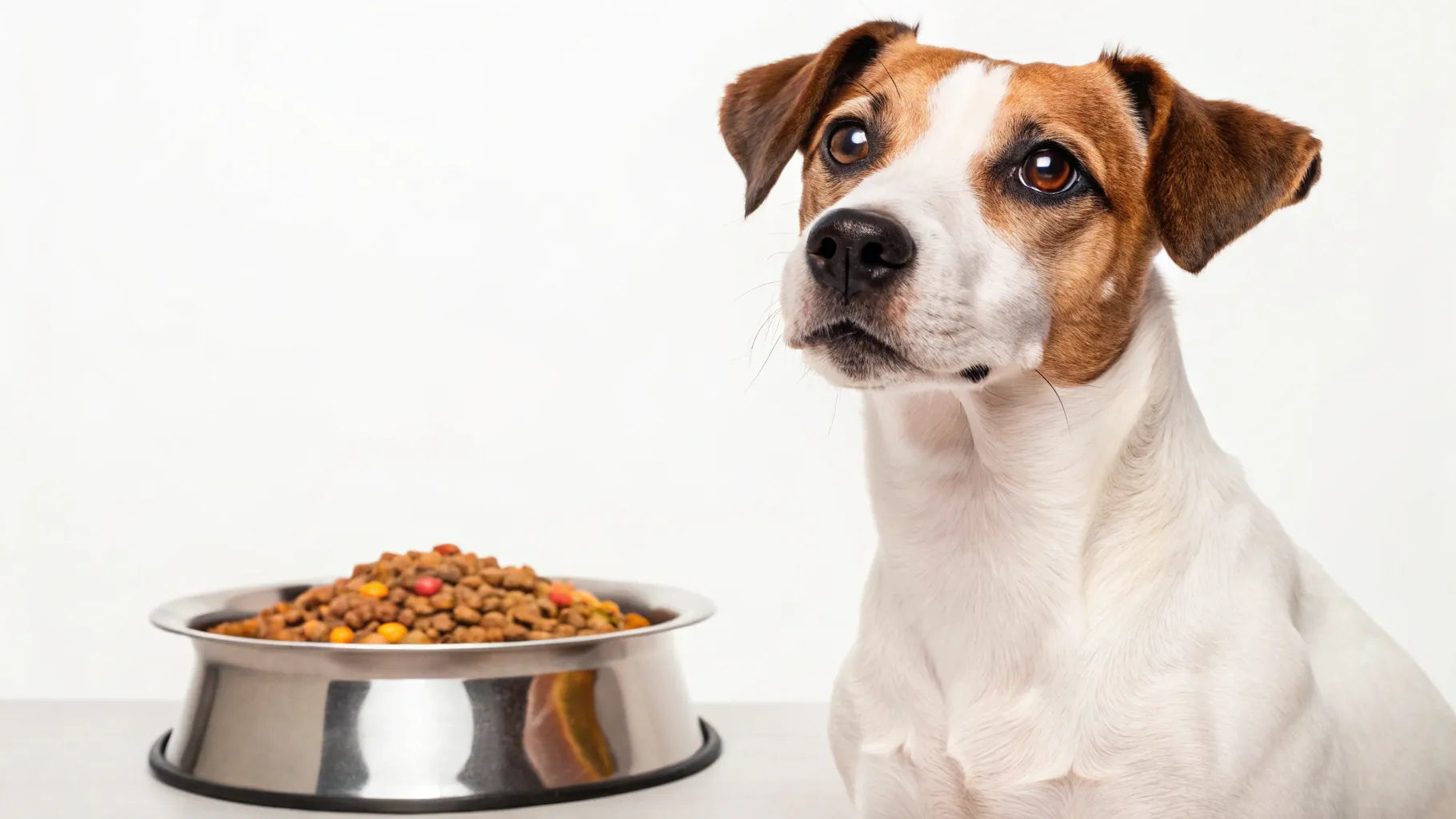
Credit: www.houndsy.com
Daily Food Needs
Knowing how much food your adult dog needs is important for health. Dogs need the right amount to stay active and fit.
Daily food depends on many factors like size and activity. Feeding the right portions helps avoid weight problems.
Calorie Requirements
Adult dogs need a certain number of calories each day. Calories give them energy to move and play.
The calorie amount depends on your dog’s weight and age. Too many calories cause weight gain. Too few cause weight loss.
- Small dogs need fewer calories than large dogs.
- Older dogs usually need fewer calories than young adults.
- Active dogs require more calories than less active ones.
Portion Sizes By Weight
Portion size depends on your dog’s weight. Heavier dogs eat more food each day.
Use the dog food package as a guide. It shows how many cups to feed based on weight.
| Dog Weight (lbs) | Daily Food Amount (cups) |
|---|---|
| 10-20 | 1 to 1.5 |
| 20-40 | 2 to 3 |
| 40-60 | 3 to 4 |
| 60-80 | 4 to 5 |
| 80+ | 5 or more |
Activity Level Impact
How active your dog is affects food needs. More active dogs burn more energy.
Less active dogs need fewer calories to avoid weight gain. Adjust food based on daily activity.
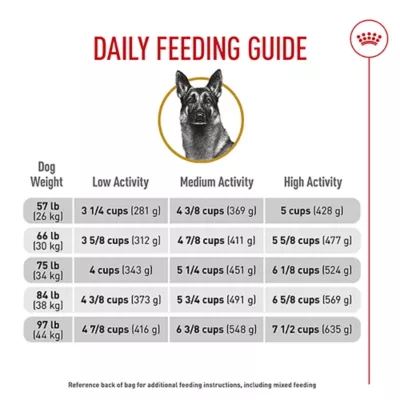
- High activity: Increase food by 10-20%
- Moderate activity: Feed normal portions
- Low activity: Decrease food by 10-15%
Choosing The Right Food
Feeding an adult dog the right amount depends on the type of food you choose. Choosing good food helps keep your dog healthy and happy.
Different foods have different nutrients and amounts. It is important to understand these to feed the right portions.
Dry Vs Wet Food
Dry food is easy to store and usually costs less. It also helps keep your dog’s teeth clean.
Wet food has more moisture, which can help dogs who do not drink enough water. It can be tastier but may spoil faster.
- Dry food is crunchy and lasts longer.
- Wet food contains more water and is softer.
- Mixing both can give variety and balance.
Nutritional Content
Look for food with balanced nutrients like proteins, fats, and carbohydrates. These keep your dog active and healthy.
Proteins help build muscles. Fats give energy. Carbohydrates support digestion. Vitamins and minerals are also important.
- Protein: supports muscle health
- Fats: provide energy
- Carbohydrates: aid digestion
- Vitamins and minerals: keep body functions strong
Quality Indicators
Good food uses real meat or fish as the first ingredient. Avoid foods with too many fillers like corn or wheat.
Check for clear labels. The food should meet standards set by pet health groups. This shows the food is safe and nutritious.
- First ingredient should be meat or fish
- Minimal fillers like corn or wheat
- Clear ingredient labels
- Meets pet health standards
Feeding Frequency
Feeding your adult dog the right amount of food is important for their health. How often you feed your dog can affect their digestion and energy.
This guide looks at the benefits of feeding your dog once or multiple times a day. It also explains why sticking to a feeding schedule helps.
Once Vs Multiple Times A Day
Some dog owners feed their pets once daily. Others divide the food into two or three smaller meals. Both ways have pros and cons.
Feeding once a day is easy and saves time. Dogs may feel full longer but could get hungry before the next meal.
Feeding multiple times a day helps keep energy steady. Smaller meals can reduce the risk of stomach upset.
- Once a day: simple, less cleanup
- Multiple times: better digestion, stable energy
- Multiple meals work well for active dogs
- Once a day may suit less active dogs
Benefits Of Scheduled Feeding
Feeding your dog at the same times daily helps regulate their digestion. It also creates a routine that dogs find comforting.
Scheduled feeding can prevent overeating. It lets you control portions and watch your dog’s weight more easily.
- Helps maintain healthy weight
- Reduces begging and food anxiety
- Improves digestion and nutrient absorption
- Supports training with consistent mealtimes
Credit: www.petsmart.com
Adjusting Portions
Feeding an adult dog the right amount of food is important for its health. The number of cups your dog needs can change based on many things.
Adjusting food portions helps keep your dog at a healthy weight and full of energy.
Age And Health Factors
Older dogs often need less food because they move less. Younger adults may need more energy from food. Dogs with health problems might need special portion sizes.
Talk to your vet about how age and health affect your dog’s food portions.
- Senior dogs usually eat smaller portions
- Active adult dogs may require more food
- Health issues can change food needs
Monitoring Weight Changes
Watch your dog’s weight to know if you should change food amounts. If your dog gains weight, give less food. If it loses weight, increase the portions.
Check your dog’s body shape often. A healthy dog has a visible waist and ribs you can feel but not see.
- Weigh your dog regularly
- Look for changes in body shape
- Adjust food based on weight trends
Special Dietary Needs
Some dogs need special diets due to allergies or medical conditions. These diets may require different portion sizes or types of food.
Work with your vet to find the right food and amount for your dog’s needs.
- Allergies may limit food choices
- Medical conditions can change nutrient needs
- Special diets need careful portion control
Common Feeding Mistakes
Feeding your adult dog the right amount is important for their health. Many dog owners make simple mistakes when deciding how much food to give.
These mistakes can cause problems like weight gain or poor nutrition. Let’s look at two common feeding mistakes to avoid.
Overfeeding Risks
Giving your dog too much food can lead to weight gain. Extra weight puts stress on their joints and heart.
Overfeeding can also cause digestive issues and reduce your dog’s energy. It is important to measure food portions carefully.
- Follow feeding guidelines on the dog food package
- Adjust food amounts based on your dog’s activity level
- Consult your vet if you are unsure about portions
Ignoring Treats And Extras
Treats and extra snacks add calories that many owners forget to count. These can quickly cause overfeeding without realizing it.
Ignoring these extras makes it hard to control your dog’s weight. Treats should be given in moderation and included in daily calorie limits.
- Limit treats to 10% of your dog’s daily calories
- Choose healthy treats with low calories
- Use treats for training, not just snacks
Tools For Measuring Food
Feeding your adult dog the right amount of food is important. Using the right tools helps ensure accuracy and health.
There are different tools you can use to measure your dog’s food. These tools help you give the right portion every time.
Using Measuring Cups
Measuring cups are common tools for portioning dog food. They are easy to use and find in most stores.
Choose a cup size that matches your dog’s feeding needs. This helps you avoid overfeeding or underfeeding.
- Use a standard measuring cup for consistency
- Level the food in the cup for accuracy
- Clean the cup regularly to prevent bacteria
Weighing Food For Accuracy
A kitchen scale is a precise tool for measuring dog food. It provides exact weight, ensuring your dog gets the right amount.
Digital scales are easy to read and use. They help you adjust portions based on your dog’s activity level.
- Calibrate your scale for best results
- Weigh food directly in your dog’s bowl
- Record weights to track feeding habits
Credit: www.petsmart.com
Frequently Asked Questions
How Many Cups Of Food Does An Adult Dog Need Daily?
Adult dogs typically need 2 to 3 cups of food per day. The amount depends on their size, activity, and metabolism. Always check your dog’s specific dietary needs and adjust portions accordingly to maintain a healthy weight.
Does Dog Food Cup Size Vary By Breed?
Yes, cup size varies by breed and size. Larger breeds need more food, often 3 to 4 cups daily. Smaller breeds require less, sometimes under 1 cup. Always tailor feeding to your dog’s breed and energy level.
How Often Should I Feed My Adult Dog Daily?
Most adult dogs do well with two meals per day. Feeding twice helps maintain energy and digestion. Avoid free-feeding to prevent overeating and obesity. Split the total daily cups into two balanced portions.
Can I Feed My Dog More If They Are Active?
Active dogs may need more food to support energy. Increase their daily cups slightly, depending on activity intensity. Consult your vet to avoid overfeeding and maintain proper nutrition for your dog’s lifestyle.
Conclusion
Feeding your adult dog the right amount is key. Each dog’s needs differ by size, age, and activity. Check your dog’s weight and health often. Adjust food portions to keep them fit and happy. Quality food and proper amounts help dogs live longer.
Trust your vet for specific feeding advice. Small changes make a big difference in your dog’s health. Careful feeding supports a joyful, energetic life for your pet.

Emily Barker is the founder of ChillDogLife.com, a space dedicated to helping pup parents discover the best dog products, lifestyle tips, and cozy ideas for happier homes.
A lifelong dog lover, Emily combines her passion for pets with a knack for research to share trusted recommendations on everything from toys and furniture to health and everyday care.
Her goal is simple: to make life easier, stylish, and more joyful for dogs and the people who love them.




