Have you ever wondered just how many dog breeds exist around the world? Whether you’re thinking about adding a furry friend to your family or simply curious about the variety of dogs out there, knowing the number of dog breeds can open your eyes to a whole new world.
You might be surprised by the incredible diversity, from tiny lap dogs to giant working breeds. Keep reading, and you’ll discover not only the total count but also what makes each breed unique—and how to find the perfect match for your lifestyle.
This is the guide you didn’t know you needed!
Global Dog Breed Estimates
People around the world have many types of dogs. These dogs come in many breeds. Each breed has unique traits.
Experts try to count how many dog breeds exist. The total number changes by source and region.
Variations In Breed Counts
Different groups list dog breeds differently. Some count many breeds, others fewer. This causes variations in numbers.
For example, the American Kennel Club recognizes about 200 breeds. The Fédération Cynologique Internationale lists over 340 breeds worldwide.
- Some breeds are new and not yet recognized.
- Others may be split into sub-breeds or combined.
- Local breeds may not be counted globally.
Factors Influencing Breed Numbers
Many factors change how many dog breeds exist. These include history, culture, and breeding goals.
Selective breeding creates new breeds. Some breeds become rare or extinct. Different countries may recognize breeds in unique ways.
- Human needs and uses for dogs
- Geographic isolation of dog populations
- Genetic research and breed classification
- Dog breed clubs and registration rules
Major Dog Breed Groups
Dogs come in many breeds, each with unique traits. These breeds fall into groups based on their jobs and features.
Understanding these groups helps to know the dog's behavior and care needs.
Sporting And Working Dogs
Sporting dogs are active and good at hunting or retrieving. Working dogs are strong and help with tasks like guarding or pulling.
- Labrador Retriever – friendly and smart
- Golden Retriever – gentle and good with families
- Siberian Husky – strong and energetic
- Boxer – protective and playful
- Doberman Pinscher – alert and loyal
Herding And Hound Breeds
Herding dogs help move livestock. Hounds are skilled at tracking scents or chasing prey.
| Breed | Group | Main Use |
| Border Collie | Herding | Herding sheep |
| German Shepherd | Herding | Police work and herding |
| Beagle | Hound | Tracking scents |
| Dachshund | Hound | Hunting small animals |
Toy And Non-sporting Categories
Toy dogs are small and make great companions. Non-sporting dogs vary in size and look but do not fit other groups.
- Chihuahua
- Pomeranian
- Yorkshire Terrier
- Dalmatians
- Bulldogs
- Poodles
Official Breed Registries
Dog breeds are officially recognized by several breed registries worldwide. These organizations list and register breeds to maintain standards. They help dog owners and breeders identify purebred dogs.
The number of recognized dog breeds varies by registry. Each registry has its own criteria and process for recognizing breeds. Let’s explore some of the main registries.
American Kennel Club (akc) Listings
The American Kennel Club is one of the largest dog breed registries in the United States. It recognizes many breeds and groups them by characteristics.
- The AKC currently recognizes 200 dog breeds.
- They group breeds into categories like Sporting, Working, and Toy.
- The AKC updates its breed list by adding new breeds after review.
Fédération Cynologique Internationale (fci) Recognition
The Fédération Cynologique Internationale is an international federation that recognizes dog breeds globally. It has a larger list than the AKC.
| Region | Number of Recognized Breeds |
| Europe | 350 |
| Asia | 100 |
| Americas | 150 |
| Africa | 50 |
The FCI recognizes around 360 breeds in total. It divides breeds into 10 groups based on traits and history.
Other International Registries
Besides AKC and FCI, other registries also recognize dog breeds. These include national and regional organizations.
Examples of other registries:
- United Kennel Club (UKC) – USA
- The Kennel Club (KC) – United Kingdom
- Canadian Kennel Club (CKC) – Canada
- Australian National Kennel Council (ANKC) – Australia
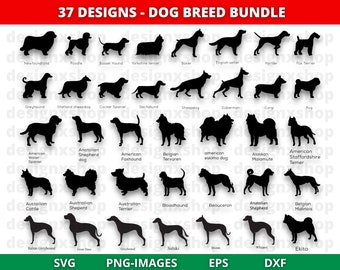
Each registry has its own number of recognized breeds. They sometimes overlap but also include unique breeds.
Credit: www.etsy.com
Rare And Emerging Breeds
There are many dog breeds around the world. Some are common, while others are rare or new. These rare and emerging breeds are gaining attention.
We will look at newly recognized breeds and those at risk of extinction. This helps us understand dog diversity better.
Newly Recognized Breeds
New dog breeds get official recognition as they become popular and their traits are well known. These breeds often come from crossbreeding or rediscovering old types.
- The Biewer Terrier: A small, tri-colored breed from Germany.
- The Russian Toy: A tiny breed similar to a Chihuahua.
- The Czechoslovakian Vlcak: A mix of German Shepherd and wolf.
- The Lagotto Romagnolo: A truffle hunting dog from Italy.
- The Nederlandse Kooikerhondje: A Dutch spaniel used for duck hunting.
Breeds At Risk Of Extinction
Many rare breeds face extinction due to fewer breeders and loss of habitat. Preserving them is important for genetic diversity and culture.
| Breed | Origin | Reason for Risk |
| Otterhound | England | Reduced hunting use |
| Azawakh | Mali | Changing lifestyles |
| Thai Ridgeback | Thailand | Limited breeding |
| Stabyhoun | Netherlands | Small population |
| Swedish Lapphund | Sweden | Modern dog choices |
How Breeds Are Classified
Dog breeds are groups of dogs that share similar traits. These traits help us understand their differences and similarities.
Experts use certain rules to classify dog breeds. These rules make it easier to study and care for dogs.
Physical Characteristics
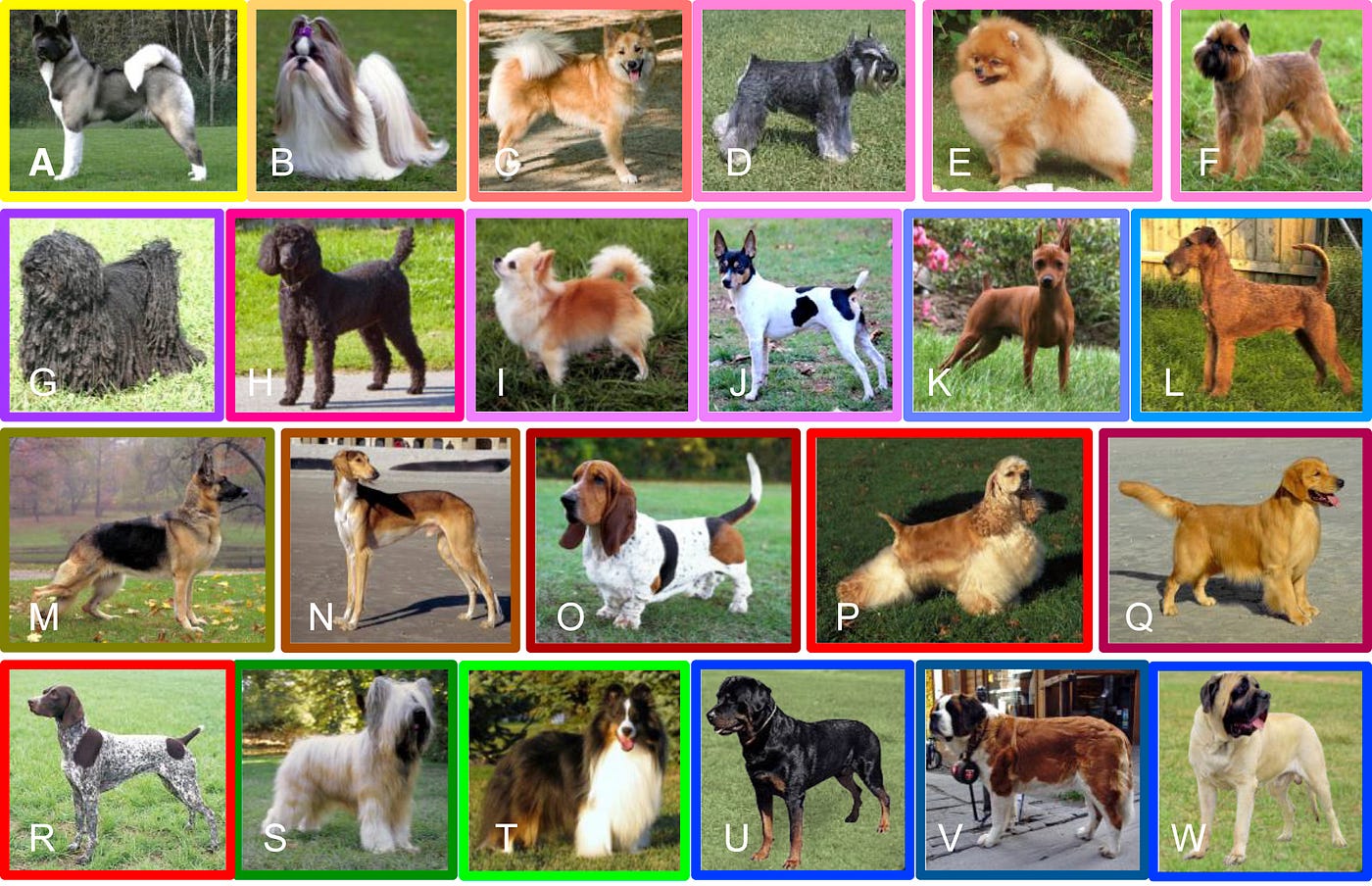
Physical features like size, shape, and coat type help classify dog breeds. These traits are easy to see and compare.
Some breeds have short hair, others have long or curly coats. Size can range from tiny to very large dogs.
- Coat type: short, long, curly, or wiry
- Size: small, medium, large, giant
- Body shape: stocky, slender, muscular
- Color patterns: solid, spotted, brindle
Purpose And Function
Many breeds are grouped by the jobs they were bred to do. This shows what dogs were trained for long ago.
Some dogs were made to hunt, others to guard or herd animals. These roles affect how dogs behave and look.
- Herding dogs help manage livestock
- Hunting dogs assist in finding game
- Guard dogs protect people and property
- Companion dogs mainly provide friendship
Genetic Lineage
Scientists study dog DNA to classify breeds by their family history. This shows how breeds are related.
Genetic tests reveal which breeds share common ancestors. This helps group dogs by origin and traits.
| Breed Group | Example Breeds | Origin |
|---|---|---|
| Working | Siberian Husky, Boxer | Various |
| Sporting | Labrador Retriever, Cocker Spaniel | Europe, North America |
| Terrier | Jack Russell, Bull Terrier | Europe |
| Hound | Beagle, Bloodhound | Worldwide |
Credit: namnguyenwrite.medium.com
The Future Of Dog Breeds
Dog breeds are evolving in fascinating ways. Breeders are exploring new possibilities and creating unique breeds.
These changes are driven by trends in society and advancements in genetics. Let’s look at where dog breeding is headed.
Trends In Breed Development
Breed development is seeing a shift towards healthier and more adaptable dogs. Breeders focus on traits that suit modern living.
- More emphasis on health over appearance
- Increased adaptability for urban environments
- Focus on hypoallergenic breeds
Impact Of Crossbreeding
Crossbreeding combines the best traits from different breeds. This can lead to healthier and more versatile dogs.
| Benefit | Explanation |
| Healthier Offspring | Reduced genetic disorders |
| Unique Traits | Combines desirable features |
| Adaptability | Better suited for various environments |
Credit: mrmrsenglish.com
Frequently Asked Questions
How Many Dog Breeds Exist Worldwide?
There are over 340 recognized dog breeds globally. This number varies slightly depending on kennel clubs and breed registries.
What Is The Most Popular Dog Breed Count?
The American Kennel Club recognizes 200+ breeds. Popularity depends on region and breed characteristics.
How Are Dog Breeds Officially Classified?
Breeds are classified by size, function, and ancestry. Kennel clubs set standards for each breed’s traits.
Do New Dog Breeds Get Recognized Often?
Yes, new breeds gain recognition regularly. This reflects breeding trends and genetic discoveries in dogs.
Conclusion
Dog breeds come in many shapes and sizes. Each breed has its own traits and needs. Knowing the number of breeds helps you understand dog diversity. Choosing the right breed means finding the best fit for you. Dogs bring joy and friendship to many homes.
Learning about breeds makes you a better pet owner. Every dog is special, no matter the breed count. Explore the world of dogs and enjoy the journey.

Emily Barker is the founder of ChillDogLife.com, a space dedicated to helping pup parents discover the best dog products, lifestyle tips, and cozy ideas for happier homes.
A lifelong dog lover, Emily combines her passion for pets with a knack for research to share trusted recommendations on everything from toys and furniture to health and everyday care.
Her goal is simple: to make life easier, stylish, and more joyful for dogs and the people who love them.




