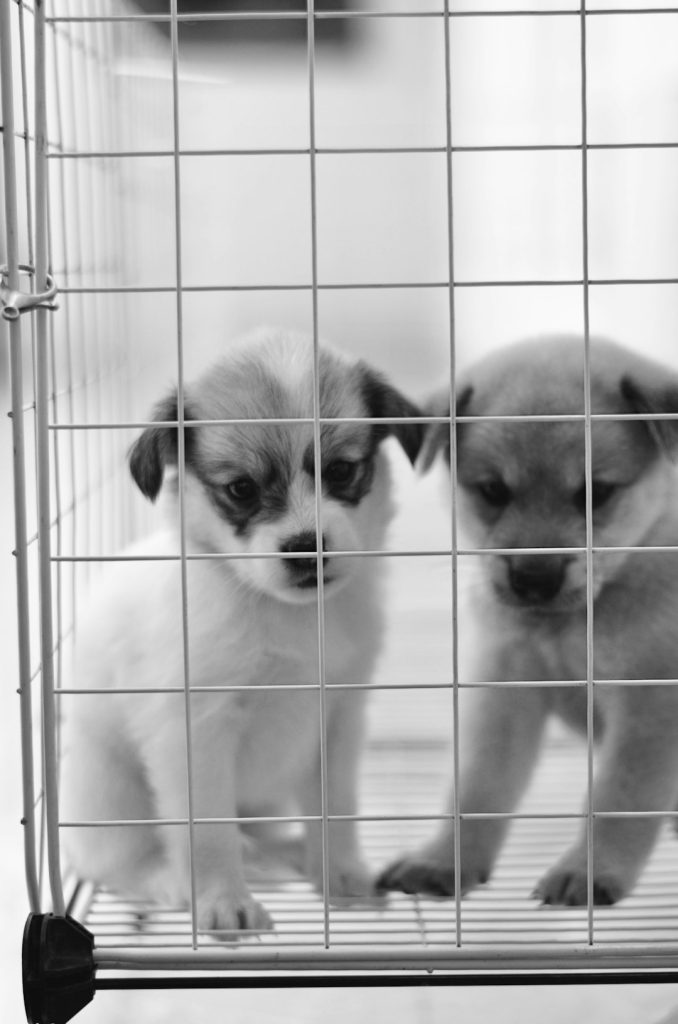
Are you passionate about dogs and dreaming of turning that love into a thriving business? Starting a dog breeding kennel can be rewarding, but it takes more than just caring for puppies.
You need the right knowledge, planning, and commitment to make your kennel successful and ethical. In this guide, you’ll discover clear steps to help you launch your dog breeding kennel business with confidence. Keep reading, and you’ll learn how to avoid common mistakes, attract happy customers, and create a healthy environment for your dogs.
Your journey to becoming a responsible dog breeder starts here.

Credit: medium.com
Choosing The Right Breed
Choosing the right breed is a key step in starting a dog breeding kennel business. The breed you select shapes your kennel’s identity and success. It affects the care, marketing, and demand for your puppies. Careful thought about breed traits and market needs helps create a strong foundation.
Popular Breeds For Breeding
Certain breeds are often preferred by breeders due to their popularity and traits. Here are some popular choices:
- Labrador Retriever – friendly and easy to train
- French Bulldog – small size and charming personality
- German Shepherd – intelligent and protective
- Golden Retriever – gentle and loyal
- Bulldog – calm and strong
These breeds attract many buyers, which can make selling puppies easier.
Matching Breed To Market Demand
Study the local market before choosing a breed. See which dogs people want most. Urban areas may prefer small or apartment-friendly breeds. Rural areas might want working or larger dogs. Consider trends but focus on steady demand breeds. This helps avoid overstock or slow sales.
Health And Temperament Considerations
Good breeders prioritize health and temperament. Some breeds have common health issues. Research breed-specific problems before deciding. Choose breeds with stable temperaments to ensure good family pets. Puppies with good behavior sell faster and bring better reputation. Healthy dogs reduce veterinary costs and improve your kennel’s success.
Legal And Licensing Requirements
Starting a dog breeding kennel business involves more than caring for dogs. Legal and licensing requirements protect your business and the animals. Understanding these rules helps avoid fines and legal trouble. It also builds trust with customers and the community.
Business Registration
Register your kennel as a legal business. Choose a business structure like sole proprietorship, partnership, or LLC. Register your business name with local authorities. Obtain an Employer Identification Number (EIN) for tax purposes. Keep all registration documents safe and updated.
Breeding Permits And Licenses
Check local and state laws for breeding permits. Some areas require special licenses to breed dogs. Apply for permits before starting your kennel. Renew permits on time to stay compliant. Display licenses prominently at your kennel location.
Animal Welfare Regulations
Follow laws that protect animal health and safety. Provide clean, safe housing for all dogs. Ensure proper food, water, and veterinary care. Avoid overcrowding and unsanitary conditions. Keep detailed records of health checks and treatments. Regular inspections may occur, so stay prepared.
Setting Up Your Kennel
Setting up your kennel is a vital part of starting your dog breeding business. The right setup ensures your dogs stay healthy and happy. It also helps you run your business smoothly and meet legal requirements. Attention to location, design, and cleanliness creates a safe and comfortable environment for dogs and workers alike.
Location And Space Needs
Choose a location with enough space for your dogs to move freely. A quiet area reduces stress for the animals. Check local laws about kennel placement and property use. Plan for outdoor play areas to give dogs fresh air and exercise. Make sure the space is easy to access for deliveries and vet visits.
Kennel Design And Facilities
Design your kennel with separate areas for breeding, resting, and playing. Use durable materials that are easy to clean and maintain. Provide proper ventilation and natural light to keep dogs comfortable. Include secure fencing to prevent escapes. Set up feeding and watering stations that are easy to reach.
Sanitation And Safety Measures
Keep the kennel clean to prevent diseases and infections. Establish a daily cleaning routine using safe disinfectants. Remove waste promptly and dispose of it properly. Install smoke detectors and fire extinguishers for emergencies. Train staff on handling dogs safely and responding to health issues quickly.
Credit: pro-business-plans.medium.com
Health Care And Nutrition
Maintaining excellent health care and nutrition is vital for a successful dog breeding kennel. Healthy dogs produce strong puppies with fewer health problems. Proper care reduces illness risks and improves breeding outcomes.
Nutrition supports a dog’s energy, growth, and reproductive health. Balanced feeding plans help dogs stay fit and recover quickly after birth. Understanding health and diet basics keeps your kennel thriving.
Routine Veterinary Care
Regular vet visits catch health issues early. Schedule check-ups at least twice a year. Monitor dogs for signs of illness like coughing or changes in behavior. Maintain dental care and parasite control. Keep detailed medical records for each dog.
Vaccinations And Preventative Treatments
Vaccinations protect dogs from common diseases. Follow your vet’s recommended vaccine schedule. Use flea, tick, and worm preventatives year-round. Preventative care lowers the chance of infections spreading in your kennel. Update vaccines before breeding or introducing new dogs.
Feeding Plans For Breeding Dogs And Puppies
Provide high-quality food suited to each dog’s life stage. Breeding dogs need extra nutrients to support pregnancy and nursing. Puppies require food rich in proteins and vitamins for healthy growth.
- Feed breeding females a diet with added calcium and energy.
- Wean puppies gradually onto solid food around 3-4 weeks old.
- Offer small, frequent meals to puppies during early development.
- Ensure clean water is always available.
Breeding Process And Management
Managing the breeding process well is key to a successful dog breeding kennel. It involves careful planning and daily attention to the dogs’ health and behavior. Every stage, from choosing pairs to caring for newborn puppies, must be handled with care and knowledge.
Selecting Breeding Pairs
Choose dogs with strong health, good temperament, and proper breed traits. Check their medical history and genetic tests to avoid hereditary diseases. Look for dogs that complement each other in physical and behavioral qualities. Aim to improve the breed standard with each pairing. Avoid breeding dogs that have health problems or poor temperaments.
Mating Techniques And Timing
Understand the female’s heat cycle to time mating correctly. Most females are fertile between 9 to 14 days after the start of heat. Observe signs like swelling and discharge to spot the best time. Allow natural mating or use artificial insemination if needed. Keep both dogs calm and stress-free during mating sessions. Repeat mating every two days during the fertile period for better chances.
Pregnancy And Whelping Care
Provide a balanced diet and regular vet check-ups during pregnancy. Monitor the female’s weight and behavior closely. Prepare a quiet, warm, and clean whelping area before delivery. Watch for signs of labor like restlessness and nesting behavior. Assist gently if complications arise but call a vet if needed. Keep newborn puppies warm and ensure they start nursing quickly.
Puppy Care And Socialization
Caring for puppies is the heartbeat of any successful dog breeding kennel business. How you handle their first days shapes their health, behavior, and readiness for loving homes. Focusing on proper care and socialization ensures puppies grow confident and well-adjusted, which benefits both you and future owners.
Neonatal Care
Newborn puppies need constant attention during their first two weeks. Keep their environment warm, clean, and quiet since they cannot regulate their body temperature yet.
Check their weight daily to track healthy growth. If a puppy isn’t gaining weight, it might need supplemental feeding or veterinary help.
Watch for signs of illness such as lethargy or trouble breathing. Early intervention can save lives.
Early Socialization Practices
Puppies begin learning about the world as early as three weeks old. Gentle handling by different people helps them get used to human touch and voices.
Introduce safe, new sounds and textures gradually. This reduces fear and builds confidence.
Playtime with littermates teaches bite inhibition and communication skills. You can guide these interactions to encourage positive behavior.
Preparing Puppies For Adoption
Before puppies leave your care, prepare them for new environments and families. Teach basic commands such as “sit” and “come” to make transition easier.
Encourage crate familiarity and car rides to reduce stress during travel. Share feeding routines and health records with adopters to maintain consistency.
Ask yourself: Have you provided enough experiences to help each puppy thrive in a new home? Your thoughtful preparation builds trust and satisfaction for everyone involved.
Marketing Your Kennel Business
Marketing your kennel business is essential to attract the right customers and build trust in your services. Without effective marketing, even the best breeders can struggle to find buyers. Focus on strategies that highlight your expertise, care, and commitment to quality dogs.
Building An Online Presence
Your website is often the first impression potential clients get. Make sure it is easy to navigate, visually appealing, and packed with useful information about your dogs, breeding practices, and available puppies.
Use social media platforms like Instagram and Facebook to share photos, videos, and updates. These channels let you connect directly with dog lovers and create a community around your kennel.
Consider adding a blog to your site where you share tips on dog care, training, and breed information. This builds credibility and encourages visitors to return regularly.
Networking With Veterinarians And Pet Stores
Building relationships with local vets and pet stores can open doors to referrals and collaborations. Vets meet many pet owners and can recommend your kennel when clients ask about reputable breeders.
Visit pet stores to introduce yourself and offer flyers or business cards. Some stores may even allow you to display information about upcoming litters or hold small events.
Ask these professionals for feedback on your marketing materials and business approach. Their insights can help you improve and reach a wider audience.
Creating A Strong Brand Identity
Your brand is more than just a logo—it reflects your kennel’s values and personality. Choose a name, logo, and color scheme that convey trust, care, and professionalism.
Think about what makes your kennel unique. Is it your dedication to health testing? Your experience with a rare breed? Highlight these points in all your marketing materials.
Consistency is key. Use the same tone, style, and visuals across your website, social media, and printed materials. This helps people recognize and remember your kennel easily.

Credit: www.amazon.com
Financial Planning And Management
Financial planning and management form the backbone of your dog breeding kennel business. Without a clear grasp of your finances, it’s easy to lose track of spending and miss opportunities for growth. Managing your budget wisely ensures you stay profitable and prepared for unexpected costs.
Startup Costs And Budgeting
Starting a kennel involves several upfront expenses. You need to budget for quality breeding stock, kennel facilities, veterinary care, and licensing fees. Don’t forget essentials like food, grooming supplies, and marketing efforts to attract customers.
Creating a detailed budget helps you avoid surprises. Break down costs into one-time purchases and ongoing expenses. It’s also smart to set aside an emergency fund for unexpected health issues or facility repairs.
Pricing Strategies
Setting the right price for your puppies is crucial. Consider factors like breed rarity, health guarantees, and your reputation. Are you offering exceptional care or specialized training? Highlighting these can justify higher prices.
Research competitors in your area to understand the market rates. You might start with a lower price to build a customer base, then gradually increase as your kennel gains recognition. Offering payment plans or discounts for repeat clients can also boost sales.
Tracking Expenses And Profits
Keeping accurate records of all your expenses and income is essential to measure success. Use simple tools like spreadsheets or accounting software to track purchases, veterinary bills, and sales.
Regularly reviewing your financial data helps you spot trends and adjust your budget or pricing. Have you checked recently if your expenses are growing faster than your profits? Catching this early can save your business from losses.
Personal experience taught me the value of detailed tracking. Once, I overlooked veterinary costs for a litter, which impacted my profits more than expected. Since then, I update my records weekly, making financial decisions with confidence.
Handling Ethical Breeding Practices
Handling ethical breeding practices is the cornerstone of a reputable dog breeding kennel business. It means putting the health and welfare of your dogs above profits. Ethical breeding not only protects the animals but also builds trust with future pet owners and the community.
Avoiding Overbreeding
Overbreeding can cause serious health issues and behavioral problems in dogs. You need to carefully plan each breeding cycle and give your dogs plenty of time to rest between litters. This helps maintain their physical and emotional well-being.
Ask yourself: Are you breeding for quantity or quality? Limiting the number of litters per female dog ensures she stays healthy and happy. Tracking each dog’s breeding history helps you avoid unintentional overbreeding.
Ensuring Genetic Diversity
Maintaining genetic diversity prevents inherited diseases and strengthens the overall health of your breeding lines. Avoid breeding dogs that are closely related.
Use tools like pedigree analysis and genetic testing to guide your choices. This helps you select pairs that complement each other’s strengths and minimize health risks.
Have you checked the genetic background of your dogs recently? Bringing new bloodlines into your kennel can improve traits and reduce the chances of genetic defects.
Promoting Responsible Pet Ownership
Ethical breeders do more than just sell puppies—they support buyers in raising healthy, well-adjusted pets. Provide clear information about care, training, and health needs to each new owner.
Stay connected with your puppy buyers. Follow up to offer advice and ensure your dogs live happy lives in loving homes.
Are you prepared to stand behind your puppies for their entire lives? Responsible pet ownership starts with you, the breeder, fostering a lifelong relationship with your dogs and their families.
Scaling And Expanding Your Business
Growing your dog breeding kennel business beyond its initial setup means making smart choices about where to invest your time and resources next. Scaling isn’t just about increasing numbers; it’s about building a sustainable operation that can handle more dogs, clients, and services without losing quality. How do you ensure your expansion strengthens your brand and keeps your dogs’ welfare at the core?
Hiring Staff
You can’t do everything yourself as your kennel grows. Bringing in reliable, skilled staff frees you to focus on bigger-picture tasks like marketing and client relations. Look for people who share your passion for dogs and understand responsible breeding practices.
Train your team thoroughly on daily care routines, health monitoring, and cleaning protocols. Clear communication and defined roles prevent mistakes that could harm your dogs or your reputation. Have you thought about which tasks you need to delegate first to make your workload manageable?
Adding New Breeds
Introducing new breeds can attract a broader range of customers and increase revenue. But don’t rush into adding breeds without researching their specific care needs and market demand. Some breeds require more space, different diets, or specialized health checks.
Start small with one additional breed and monitor how well you can maintain quality care. This cautious approach helps you avoid spreading yourself too thin. Which breed aligns with your kennel’s capabilities and your personal interest?
Exploring Additional Revenue Streams
Think beyond selling puppies. Additional income can come from services like grooming, training classes, or boarding for dogs. Offering these services builds stronger relationships with clients and stabilizes your cash flow during slower sales periods.
Consider partnering with local vets or pet supply stores to offer bundled services or discounts. What services do your customers ask for most often that you aren’t currently providing? Meeting those needs can set you apart in a competitive market.
Frequently Asked Questions
What Licenses Are Needed For A Dog Breeding Business?
To start a dog breeding kennel, you’ll need specific licenses. These typically include a kennel license and a business license. Requirements vary by location. Check with local government agencies to ensure compliance. Proper licensing ensures your business operates legally and ethically.
How Much Does It Cost To Start A Kennel?
Starting a dog breeding kennel can range from $10,000 to $50,000. Costs include licenses, facilities, and breeding stock. Initial expenses also cover marketing, veterinary care, and supplies. Budget carefully to manage expenses effectively. A well-planned budget is crucial for long-term success.
How To Choose The Right Dog Breeds To Breed?
Select breeds based on demand, temperament, and health. Research popular breeds and consult with experts. Consider the space and resources available. Breeding healthy and in-demand dogs increases your kennel’s success. Prioritize the well-being of the dogs you breed.
What Are The Legal Requirements For Dog Breeding?
Legal requirements include obtaining licenses, adhering to zoning laws, and ensuring animal welfare. Compliance with local and national regulations is crucial. Regular inspections might be required. Staying informed about legal obligations helps avoid fines and ensures ethical breeding practices.
Conclusion
Starting a dog breeding kennel takes careful planning and hard work. Choose healthy dogs and create a safe space. Follow local laws and keep good records. Build trust with buyers by being honest and kind. Keep learning about dog care and breeding.
Success grows with patience and love for dogs. This business can be rewarding if you stay dedicated. Take small steps and keep your goals clear. Your kennel can become a happy, healthy home for many dogs.

Emily Barker is the founder of ChillDogLife.com, a space dedicated to helping pup parents discover the best dog products, lifestyle tips, and cozy ideas for happier homes.
A lifelong dog lover, Emily combines her passion for pets with a knack for research to share trusted recommendations on everything from toys and furniture to health and everyday care.
Her goal is simple: to make life easier, stylish, and more joyful for dogs and the people who love them.




