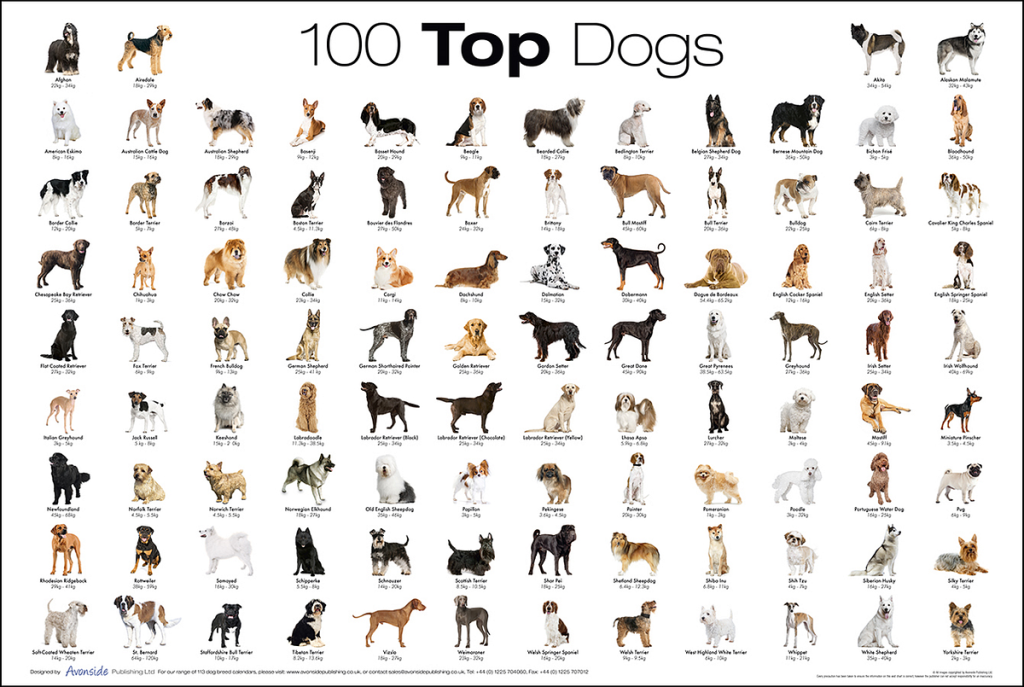
Are you a dog lover curious about the vast variety of dog breeds around the globe? Imagine a world where each wagging tail tells a different story, and every bark is a unique melody.
With so many breeds out there, each with its own charm and characteristics, it’s easy to feel overwhelmed. But what if you could discover the exact number of dog breeds and learn fascinating facts about them all? You’re about to dive into a captivating exploration that could change how you see these four-legged friends.
Keep reading, because this is more than just numbers—it’s about discovering the incredible diversity that makes dogs our beloved companions.

Credit: prwe.com
Global Dog Breed Diversity
Dogs are one of the most diverse animals on Earth. There are many different dog breeds worldwide.
Each breed has unique traits and history. People have bred dogs for different jobs and looks.
Breed Classification Systems
Different groups classify dog breeds in various ways. These systems help organize breeds by traits and purpose.
Major organizations use breed classification systems. They group breeds by size, function, and origin.
- The American Kennel Club (AKC) has seven groups.
- The Fédération Cynologique Internationale (FCI) recognizes ten groups.
- The United Kennel Club (UKC) sorts breeds by work and sport.
Major Dog Breed Groups
Dog breeds fall into major groups based on their roles or traits. These groups show breed diversity worldwide.
Common groups include working dogs, hounds, and toy breeds. Each group has many breeds inside it.
- Working Dogs:Used for guarding, pulling, and rescue.
- Hound Dogs:Bred for hunting and tracking scents.
- Sporting Dogs:Help with hunting and retrieving.
- Terriers:Known for hunting small animals.
- Toy Breeds:Small dogs for companionship.
- Herding Dogs:Used to control livestock.
- Non-Sporting Dogs:Diverse breeds with various jobs.

Credit: www.amazon.ca
Factors Influencing Breed Numbers
The number of dog breeds in the world changes based on many reasons. These reasons include history, culture, and how people use dogs.
Understanding these factors helps explain why there are so many different dog breeds today.
Historical Breed Development
Dog breeds developed over time as people bred dogs for certain jobs. Some dogs were bred for hunting, herding, or guarding.
Breeders selected traits that helped dogs do specific tasks. This created many unique breeds in different regions.
- Early humans bred dogs to help with hunting and protection.
- Different needs led to dogs with special skills and shapes.
- Breed numbers grew as people kept improving dogs for work.
Geographic And Cultural Impact
Where people live affects the types of dogs they breed. Climate and environment shape the dog's size and coat.
Cultures also influence which breeds are popular. Traditions, lifestyle, and local needs play a role in dog breeding.
- Cold places often have dogs with thick fur to stay warm.
- Farming cultures breed dogs that help with herding animals.
- Some cultures prefer small dogs for indoor living.
- Local customs can keep certain breeds alive or create new ones.
Recognized Dog Breed Counts
There are many dog breeds around the world. Different organizations recognize different numbers of breeds. This makes counting all dog breeds a bit tricky.
Knowing how many breeds exist depends on which kennel club or registry you ask. Each group has its own rules and lists.
International Kennel Club Listings
Several major international kennel clubs register dog breeds. They set breed standards and keep official lists. Here are some well-known clubs and their recognized breed counts:
| Kennel Club | Number of Recognized Breeds |
| American Kennel Club (AKC) | 200+ |
| United Kennel Club (UKC) | 300+ |
| Fédération Cynologique Internationale (FCI) | 340+ |
| The Kennel Club (UK) | 220+ |
Differences Among Breed Registries
Breed registries differ in what breeds they accept. Some clubs focus on traditional breeds. Others add new or rare breeds.
- Breed standards vary by registry.
- Some registries merge similar breeds.
- New breeds take time to get recognition.
- Some clubs accept crossbreeds; others do not.
These differences mean the total number of recognized dog breeds can change. It depends on the registry and its rules.
Rare And Emerging Breeds
There are hundreds of dog breeds worldwide. Some breeds are very rare or new. These breeds attract dog lovers who want something different.
Rare and emerging breeds have special traits. They may have unique looks or skills. Learning about them helps us appreciate dog diversity.
Newly Developed Breeds
Newly developed breeds come from recent crossbreeding. Breeders aim to mix traits from two or more breeds. These dogs often have fresh looks and temperaments.
Examples of newly developed breeds include the American Bully and the Czechoslovakian Wolfdog. These breeds often gain popularity quickly but remain rare overall.
- American Bully:Strong, muscular, friendly with families.
- Czechoslovakian Wolfdog:Looks like a wolf, very active and smart.
- Labradoodle:Mix of Labrador and Poodle, hypoallergenic coat.
- Pomsky:Small Husky mix, playful and cute.
Endangered And Extinct Breeds
Some dog breeds are endangered. Few dogs of these breeds remain. Loss of habitat and fewer breeders cause decline. Some breeds have become extinct.
Protecting endangered breeds helps keep dog history alive. Dog lovers and breeders work to save these rare breeds from disappearing.
- Otterhound:Rare hunting dog with a thick coat. Fewer than 1,000 remain worldwide.
- Norwegian Lundehund:Small dog with six toes. It was almost extinct in the 20th century.
- St. John’s Water Dog:Ancestor to the Labrador Retriever. Now extinct but important in dog history.
- Talbot Hound:Old hunting dog breed that no longer exists.
Challenges In Counting Breeds
There are many dog breeds worldwide, but counting them is not simple. Different groups recognize different breeds.
Some breeds look similar but have different names. Others are mixed, making the count harder.
Mixed Breeds And Hybrids
Mixed breeds come from two or more purebred dogs. They do not have a fixed breed standard.
Hybrids are crosses between two recognized breeds. They can have traits from both parents.
- Mixed breeds vary widely in appearance and size
- Hybrids often have new names combining parent breeds
- Neither mixed breeds nor hybrids are always counted as official breeds
Breed Standard Variations
Different kennel clubs set breed standards that describe ideal traits. These standards can differ by country.
Some breeds have multiple versions depending on the standard used. This causes confusion in counting.
- One breed may have different names in various countries
- Standards may focus on size, color, or coat type differences
- New breeds are sometimes created by changing standards
Future Trends In Dog Breeding
The world of dog breeding is changing fast. New science and global culture shape how people breed dogs. These changes affect dog breeds and their popularity around the world.
Understanding these trends helps us see what dog breeding might look like in the future. Two key areas are genetic research and breed popularity across countries.
Genetic Research And Breed Creation
Genetic research helps breeders learn about dog DNA. This knowledge allows them to create new breeds and improve health. Breeders can reduce inherited diseases and select traits more carefully.
- Scientists study dog genes to find health risks.
- New breeds can be created with specific traits.
- Genetic tests help choose healthy breeding pairs.
- Breeders focus on traits like size, coat, and behavior.
- Gene editing may become part of breeding in the future.
Impact Of Globalization On Breed Popularity
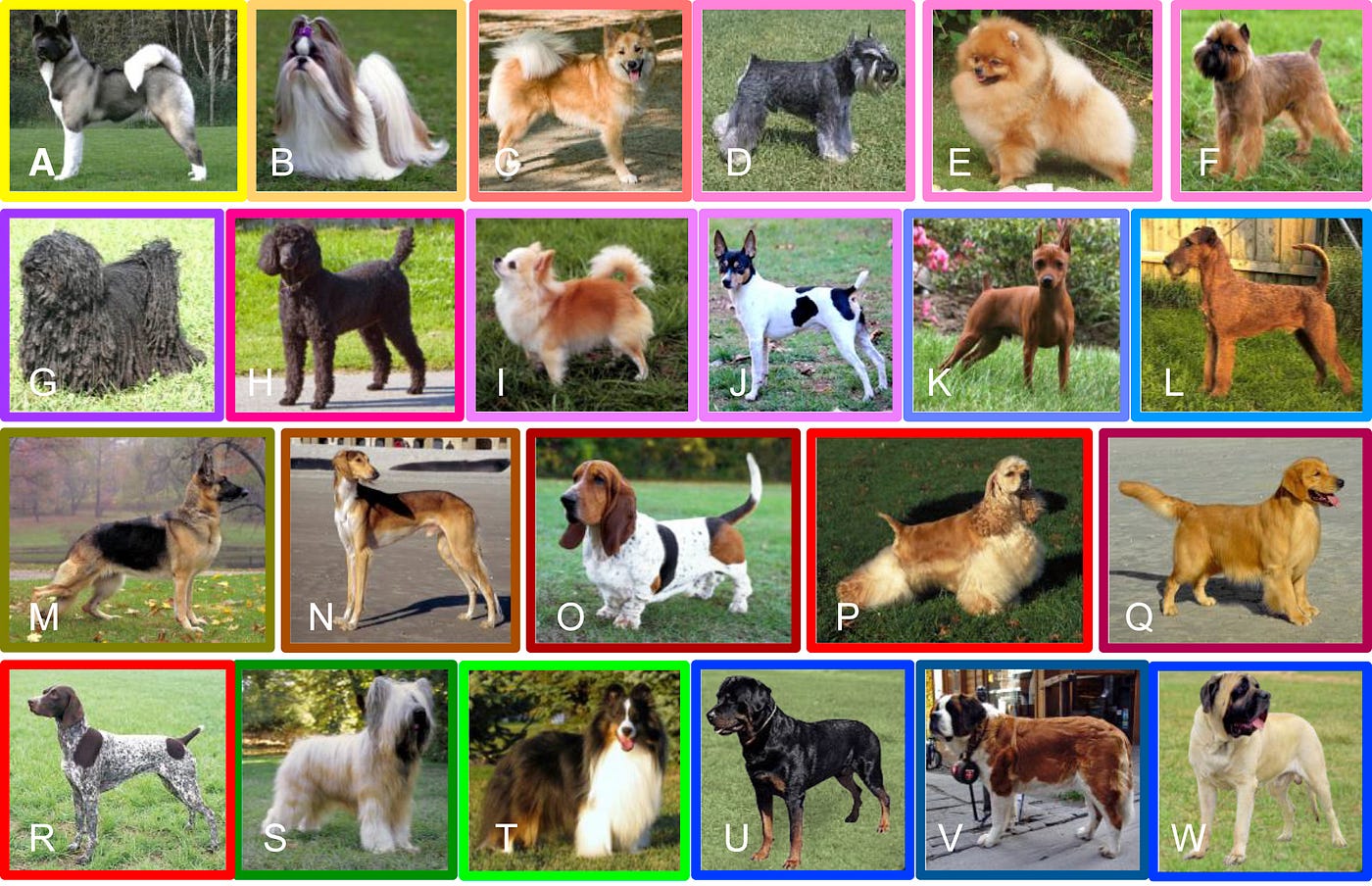
Globalization makes dog breeds popular in many countries. People learn about different breeds through the internet and travel. This changes which dogs are in demand.
| Breed | Origin Country | Popularity Trend |
| Shiba Inu | Japan | Rising worldwide |
| French Bulldog | France | Very popular in cities |
| German Shepherd | Germany | Stable global demand |
| Australian Shepherd | USA | Increasing interest abroad |
Credit: namnguyenwrite.medium.com
Frequently Asked Questions
How Many Dog Breeds Exist Worldwide?
There are over 340 recognized dog breeds worldwide. Different kennel clubs like FCI and AKC list various breeds. The number can vary due to new breeds and classifications. This diversity reflects dogs’ adaptability and human preferences across cultures.
Which Organization Recognizes The Most Dog Breeds?
The Fédération Cynologique Internationale (FCI) recognizes the most breeds. It lists about 360 dog breeds globally. The American Kennel Club (AKC) recognizes fewer breeds, around 200. Different organizations have unique standards and breed classifications.
What Factors Define A Dog Breed?
A dog breed is defined by specific physical traits, behavior, and lineage. Breed standards are set by kennel clubs to maintain consistency. Genetics and selective breeding ensure breeds have distinct characteristics. This helps preserve breed identity and purpose.
Are New Dog Breeds Still Being Developed?
Yes, new dog breeds continue to emerge through selective breeding. Breeders aim to enhance traits or create new combinations. Some breeds gain official recognition over time. This ongoing process reflects evolving human needs and preferences.
Conclusion
The world holds many dog breeds, each unique and special. Some are small, some large, but all bring joy. Knowing the number helps us appreciate their variety. Dogs have been companions for thousands of years. They come from many countries and backgrounds.
This diversity shows how much people love dogs. Whether for work or friendship, dogs fit many roles. Exploring breeds opens a window to culture and history. Every dog breed has a story worth learning. Dogs truly are wonderful friends for life.

Emily Barker is the founder of ChillDogLife.com, a space dedicated to helping pup parents discover the best dog products, lifestyle tips, and cozy ideas for happier homes.
A lifelong dog lover, Emily combines her passion for pets with a knack for research to share trusted recommendations on everything from toys and furniture to health and everyday care.
Her goal is simple: to make life easier, stylish, and more joyful for dogs and the people who love them.




