
Have you ever wondered just how many different dog breeds exist around the world? Whether you’re a dog lover, thinking about getting a furry friend, or simply curious, knowing the variety of breeds can open up a whole new world for you.
Each breed has its own unique traits, personality, and care needs. By the time you finish reading, you’ll have a clearer picture of the incredible diversity in the dog world—and maybe even discover the perfect breed for your lifestyle. Keep reading to uncover the surprising number and fascinating facts about dog breeds you might not know!
Global Dog Breed Count
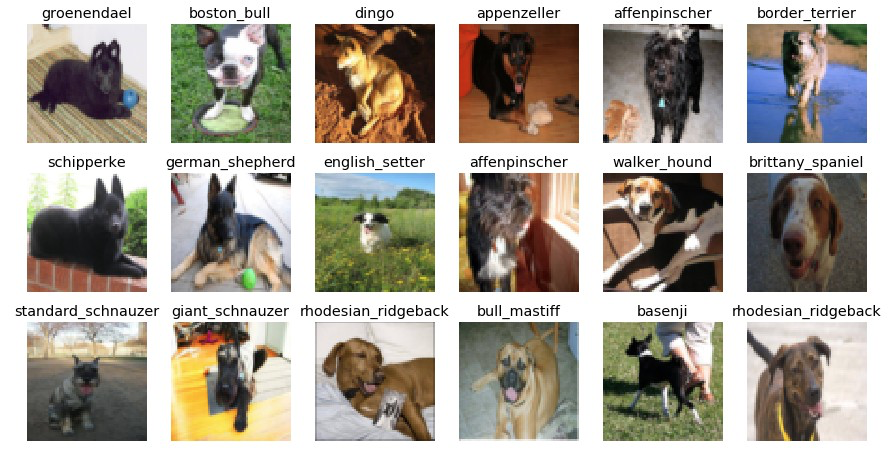
Dogs come in many shapes and sizes. People have bred dogs for different jobs and looks. This has created many dog breeds around the world.
Counting all dog breeds is not easy. Different groups recognize different breeds. The number of dog breeds varies by source.
Recognized Breeds Worldwide
There are about 340 dog breeds known worldwide. These breeds have unique traits and histories. Some breeds are very old, while others are new.
Many breeds come from working dogs, herding dogs, or companion dogs. Each breed serves a different purpose or shows a special look.
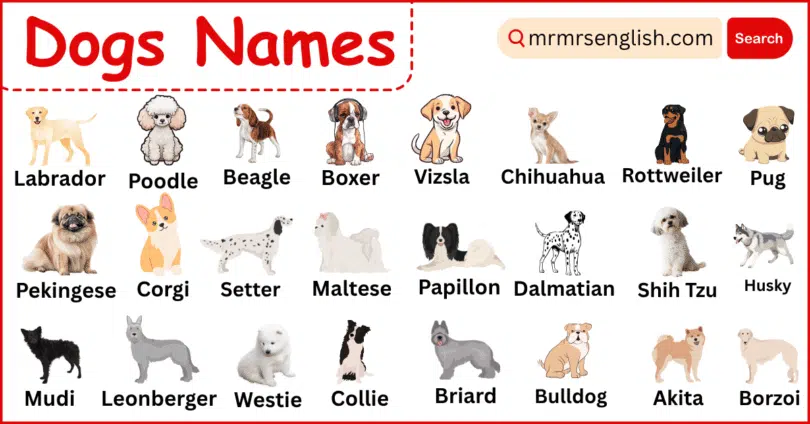
- Labrador Retriever
- German Shepherd
- Bulldog
- Beagle
- Poodle
- Chihuahua
- Siberian Husky
- Boxer
Variations Among Kennel Clubs
Different kennel clubs recognize different numbers of dog breeds. Each club has its own rules and standards for breeds.
The American Kennel Club (AKC) lists about 200 breeds. The Fédération Cynologique Internationale (FCI) recognizes over 340 breeds worldwide.
| Kennel Club | Number of Recognized Breeds |
|---|---|
| American Kennel Club (AKC) | About 200 |
| Fédération Cynologique Internationale (FCI) | Over 340 |
| The Kennel Club (UK) | About 220 |
These differences happen because some clubs split or group breeds differently. Some breeds may not be recognized by all clubs yet.
Credit: medium.com
Major Dog Breed Groups
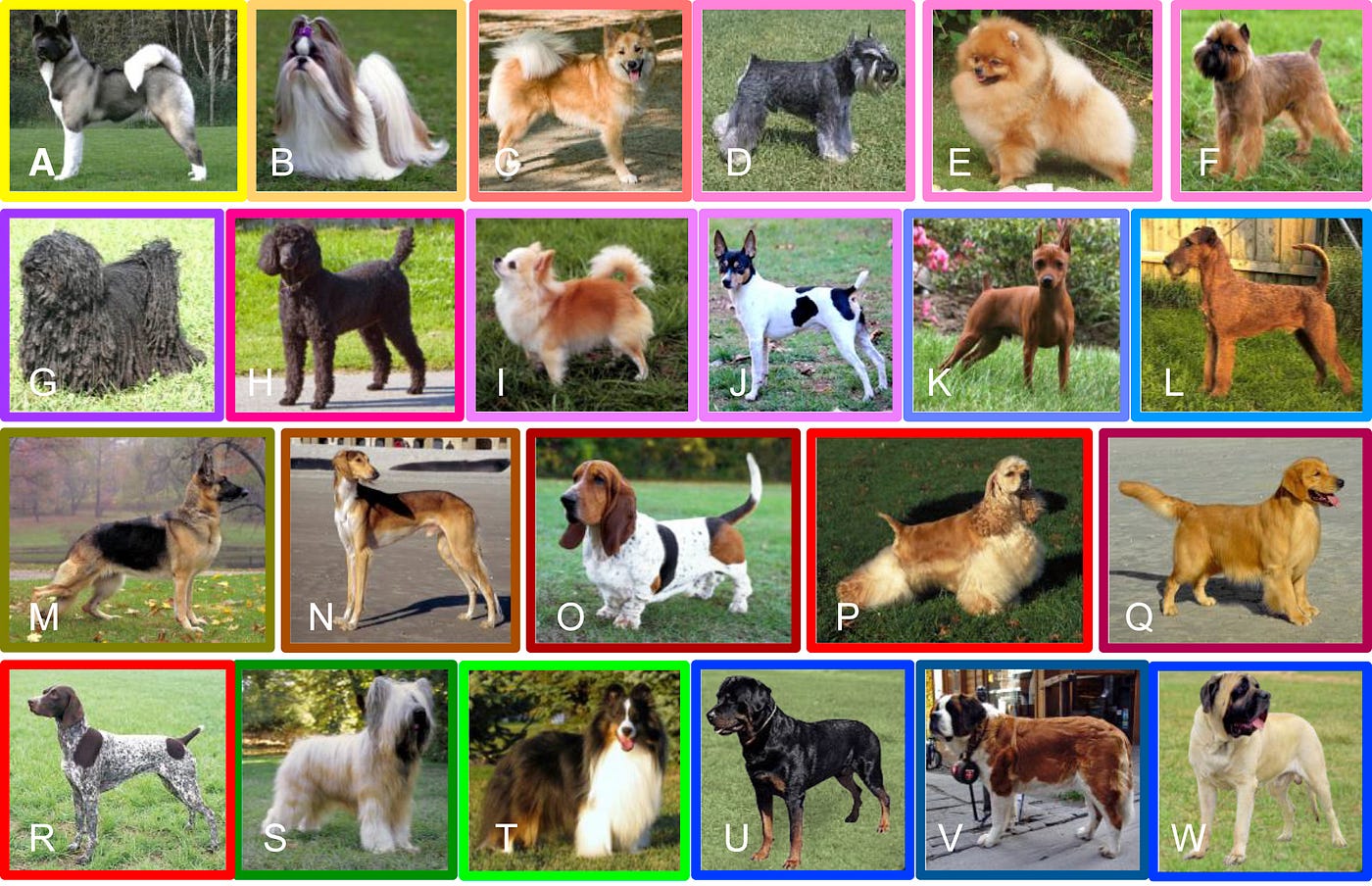
There are many types of dog breeds worldwide. Each breed fits into a group based on its traits and history. Understanding these groups helps to know their behavior and care needs.
We will look at some major dog breed groups. These include Sporting and Working Dogs, Terriers and Toy Breeds, and Hound and Herding Dogs.
Sporting And Working Dogs
Sporting dogs are active and enjoy water and field work. They help hunters by retrieving game and tracking scents. Working dogs are strong and smart. They do tasks like guarding, pulling sleds, and rescue work.
- Labrador Retriever
- Golden Retriever
- German Shorthaired Pointer
- Siberian Husky
- Saint Bernard
Terriers And Toy Breeds
Terriers are lively dogs that were bred to hunt and kill vermin. Toy breeds are small dogs made mainly for companionship. They are popular for their size and friendly nature.
| Breed Group | Example Breeds | Key Traits |
|---|---|---|
| Terriers | Jack Russell, Bull Terrier | Energetic, Feisty |
| Toy Breeds | Chihuahua, Pomeranian | Small, Affectionate |
Hound And Herding Dogs
Hounds are skilled hunters. They use sight or smell to track prey. Herding dogs help farmers control livestock. They are smart and quick to learn commands.
Common breeds in these groups include:
- Beagle (Hound)
- Bloodhound (Hound)
- Border Collie (Herding)
- Australian Shepherd (Herding)
Factors Affecting Breed Numbers
The number of dog breeds worldwide changes over time. Different factors affect how many breeds are recognized and counted.
Understanding these factors helps explain why breed numbers vary in different dog registries and countries.
Breed Recognition Criteria
Breed recognition depends on standards set by kennel clubs and dog organizations. Each group has its rules for what counts as a breed.
- Physical traits like size, coat, and color
- Behavior and temperament
- Genetic uniqueness and history
- Number of purebred individuals available
- Documentation and evidence of breed origin
Different clubs may accept or reject breeds based on these criteria. This causes variation in the total number of recognized breeds.
Emerging And Rare Breeds
New breeds appear as breeders develop dogs for specific traits or needs. Some breeds remain rare and not widely known.
| Type of Breed | Description | Recognition Status |
| Emerging Breeds | Newly developed breeds gaining attention | Often in provisional or experimental status |
| Rare Breeds | Breeds with very small populations | May not be recognized by all clubs |
| Established Breeds | Well-known with stable populations | Fully recognized by major registries |
Recognition of emerging and rare breeds affects the total count. Some may become official breeds in the future, raising breed numbers.
Credit: namnguyenwrite.medium.com
Popular Dog Breeds By Region
There are hundreds of dog breeds around the world. Each region has its favorite dogs based on culture and climate.
Knowing popular breeds by region helps us understand how people choose their pets. Let’s explore some favorites.
North America Favorites
In North America, families like friendly and smart dogs. Many choose breeds good with children and easy to train.
Popular breeds include some large and small dogs that fit city or country life.
- Labrador Retriever
- Golden Retriever
- French Bulldog
- German Shepherd
- Beagle
European Breed Trends
Europe has many old dog breeds. These dogs often have a long history in the region.
People in Europe like breeds that show strength, elegance, or unique looks.
- German Shepherd (Germany)
- French Bulldog (France)
- English Bulldog (England)
- Dachshund (Germany)
- Boxer (Germany)
Asian Breed Highlights
Asia has many native breeds that are less known worldwide. These dogs fit well with local lifestyles.
Many Asian breeds are small to medium size and have unique features.
- Shiba Inu (Japan)
- Chow Chow (China)
- Tibetan Mastiff (Tibet)
- Akita Inu (Japan)
- Korean Jindo (Korea)
How New Breeds Are Created
New dog breeds come from careful human decisions. Breeders choose dogs with traits they want.
This process can take many years. It needs patience and clear goals.
Selective Breeding Process
Selective breeding means picking parent dogs with the best traits. These traits may include size, color, or behavior.
- Choose dogs with desired traits.
- Breed them together.
- Pick the puppies that show the best traits.
- Repeat the process over many generations.
- Establish a stable breed with consistent traits.
Crossbreeds And Designer Dogs
Crossbreeds come from mating two different dog breeds. Designer dogs are popular crossbreeds with trendy names.
| Type | Definition | Example |
| Crossbreed | Mating two purebred dogs | Labradoodle (Labrador + Poodle) |
| Designer Dog | Crossbreed with a brand name | Goldendoodle (Golden Retriever + Poodle) |
Credit: mrmrsenglish.com
Breed Identification Tools
Dog lovers are curious about the many breeds of dogs. Identifying a dog’s breed can be exciting and helpful. Various tools can aid in recognizing different breeds.
These tools include DNA testing kits and breed registries. Each offers unique ways to learn about dog breeds.
Dna Testing Kits
DNA testing kits help identify a dog’s breed through its genetics. They are simple to use. Owners swab the dog’s cheek and send the sample for analysis.
The results can reveal the dog’s ancestry. They show the mix of breeds present in the dog’s lineage. This helps owners understand their pet’s background better.
- Easy to use with a simple cheek swab
- Provides detailed ancestry information
- Helps understand breed-specific traits
Breed Registries And Databases
Breed registries record information about purebred dogs. They maintain databases that list recognized dog breeds. These databases offer detailed breed standards and characteristics.
Owners can use these resources to verify a dog’s breed. Registries often include breed photos and descriptions. This makes it easier to identify and learn about different breeds.
- Official records of purebred dogs
- Provides breed standards and characteristics
- Includes photos for easy identification
Frequently Asked Questions
How Many Dog Breeds Exist Worldwide?
There are over 340 recognized dog breeds globally. Different kennel clubs may list varying numbers. This diversity reflects centuries of selective breeding.
Which Organization Classifies Dog Breeds Officially?
The Fédération Cynologique Internationale (FCI) is the primary global authority. It recognizes around 360 breeds and categorizes them by traits and origin.
Why Do Dog Breed Numbers Vary By Country?
Breed recognition depends on regional kennel clubs and standards. Some clubs accept local breeds not recognized internationally, causing number differences.
Are New Dog Breeds Still Being Created?
Yes, breeders continuously develop new breeds to meet specific traits. These breeds often require official recognition, which can take years.
Conclusion
Dogs come in many breeds, each with unique traits and looks. Over 300 breeds exist worldwide, loved by people everywhere. Choosing the right breed depends on lifestyle and personality. Every dog breed offers something special and different. Exploring breeds helps find the perfect furry friend.
The variety shows how diverse and wonderful dogs truly are. Keep learning about breeds to enjoy your dog journey fully.

Emily Barker is the founder of ChillDogLife.com, a space dedicated to helping pup parents discover the best dog products, lifestyle tips, and cozy ideas for happier homes.
A lifelong dog lover, Emily combines her passion for pets with a knack for research to share trusted recommendations on everything from toys and furniture to health and everyday care.
Her goal is simple: to make life easier, stylish, and more joyful for dogs and the people who love them.




