
If you’re a dog owner, you’ve probably wondered, “How long should my dog stay in a crate?” It’s a common question because you want what’s best for your furry friend. Too much time in a crate can make your dog feel lonely or anxious.
Too little time, and the crate might not serve its purpose. Finding the right balance is key to keeping your dog happy and healthy. You’ll discover simple guidelines that protect your dog’s well-being and make crate time stress-free for both of you.
Keep reading to learn how to make your dog’s crate a safe and comfortable space.

Credit: www.care.com
Ideal Crate Time For Dogs
Dogs should not stay in a crate for more than 4 to 6 hours at a time. Puppies need shorter periods, usually under 2 hours, to avoid stress. Breaks for exercise and bathroom visits keep dogs happy and healthy.
Understanding the ideal crate time for your dog is essential for their well-being and your peace of mind. Crates can be a haven of comfort and security for dogs when used correctly. However, balancing crate time with your dog’s need for exercise, socialization, and mental stimulation is crucial. Let’s explore how age, breed, size, and activity level can influence the perfect crate time for your furry friend.Age-based Crate Limits
Puppies have different crate needs than adult dogs. Puppies under six months shouldn’t be crated for more than three to four hours at a stretch. Their small bladders simply can’t hold it any longer, and they need frequent breaks. For adult dogs, the general rule is that they shouldn’t be crated for more than eight hours. However, this can vary depending on their personality and temperament. Older dogs might appreciate longer crate time if it provides a sense of security.Breed And Size Considerations
Breed and size also play a significant role in determining crate time. Smaller breeds often have higher energy levels and might require more frequent breaks. Larger breeds may be content with longer periods as long as they have enough space to move comfortably. Certain breeds, like working dogs, might find extended crate times frustrating due to their natural inclination for activity. Always tailor crate time to fit your dog’s breed-specific needs.Activity Level Impact
An active dog needs more freedom and less crate time. If your dog spends most of their day playing, running, or walking, they might handle crate time better. On the flip side, a less active dog could view the crate as a cozy retreat. Assess your dog’s daily activity and adjust crate time accordingly. Does your dog seem restless in the crate? It might be time to increase their playtime or introduce more mental stimulation. Finding the right balance can improve your dog’s quality of life and enhance your bond. Are you ready to make crate time a positive experience for both you and your dog?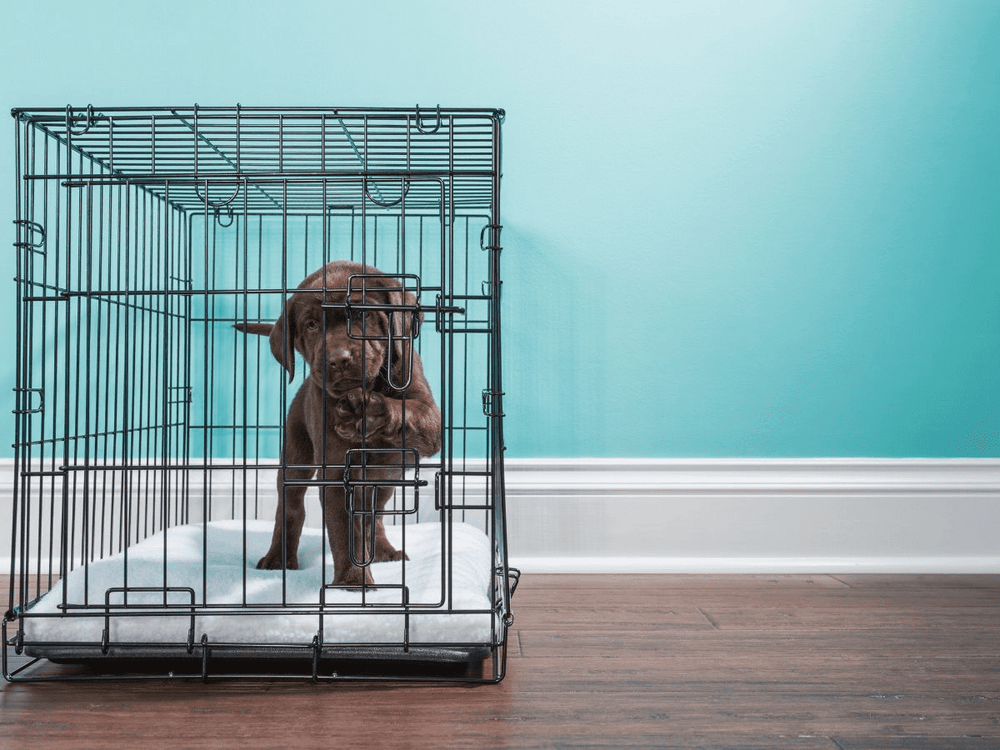
Credit: www.thalinepal.com
Signs Your Dog Needs A Break
Knowing when your dog needs a break from the crate is important. Dogs cannot stay in a crate for too long without feeling stressed or uncomfortable. Watching for signs helps you keep your dog happy and healthy. Both behavior and body language show when your dog wants out.
Behavioral Indicators
- Whining or barking persistently
- Pacing back and forth inside the crate
- Scratching or clawing at the crate door
- Trying to escape or push against the crate walls
- Excessive drooling or panting
- Restlessness or inability to settle down
Physical Discomfort Signals
- Shivering or trembling
- Yawning frequently without being tired
- Scratching at the body or ears
- Drooping ears or tail
- Signs of stiffness or difficulty moving
- Heavy breathing or coughing
Benefits Of Crate Training
Crate training offers many benefits for dogs and their owners. It creates a safe space for the dog and helps with behavior management. A well-trained dog feels calm and secure inside the crate. This training method supports both the dog’s well-being and the owner’s peace of mind.
Safety And Security
The crate acts as a personal den for the dog. It keeps the dog safe from household dangers when unsupervised. The enclosed space reduces anxiety by giving the dog a quiet retreat. Dogs naturally seek small, cozy spaces to feel protected. This makes the crate a comforting area during stressful times.
House Training Aid
Crate training speeds up housebreaking by teaching bladder control. Dogs avoid soiling their sleeping area, which helps them learn to hold it. Using a crate helps establish a routine for bathroom breaks. It also limits accidents inside the house. Consistent crate use supports cleaner homes and well-trained pets.
Risks Of Over-crating
Keeping a dog in a crate for too long can harm their well-being. Crates are helpful for training and safety but over-crating leads to serious problems. Dogs need exercise, social time, and mental stimulation to stay happy and healthy. Long hours in a crate can cause both emotional and physical issues. Understanding these risks helps protect your dog’s health and happiness.
Stress And Anxiety Issues
Dogs are social animals that need interaction and freedom. Too much time in a crate can cause stress and anxiety. They may bark, whine, or become destructive. Over-crating can also lead to separation anxiety. Dogs feel trapped and scared without enough time outside. This emotional distress affects their behavior and mood. Regular breaks and playtime help prevent these problems.
Physical Health Concerns
Crates limit a dog’s movement. Staying in a small space for hours can cause stiffness and muscle loss. Dogs need to walk, stretch, and run daily. Over-crating can also cause joint pain and poor circulation. Some dogs develop sores or skin problems from lying too long. Lack of bathroom breaks can lead to accidents and infections. Keep crate time short to protect your dog’s body.
Tips For Comfortable Crate Time
Creating a comfortable space inside the crate helps your dog feel safe and relaxed. A positive crate experience encourages your dog to spend time there happily. Simple changes can make a big difference in comfort and stress levels.
Choosing The Right Crate Size
Pick a crate that fits your dog well. It should be big enough to stand, turn, and lie down comfortably. Avoid crates that are too large, as dogs may use one end as a bathroom. A properly sized crate feels cozy and secure.
Making The Crate Inviting
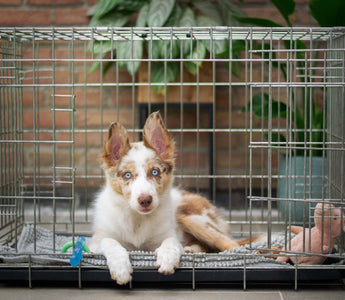
Place soft bedding or a blanket inside to add warmth. Add a favorite toy or chew to keep your dog entertained. Keep the crate clean and dry. Position it in a quiet, low-traffic area where your dog can rest peacefully.
Routine And Consistency
Set regular times for crate use throughout the day. Use the crate for short periods at first, then gradually increase the time. Always praise your dog for calm behavior inside the crate. Consistent routines help your dog understand crate time is safe and normal.
Alternatives To Extended Crating
Extended crating can cause stress and discomfort for dogs. Many dogs need more than just rest time in a crate. Providing other ways to keep dogs active and happy is important. These alternatives help dogs stay healthy and calm throughout the day.
Exercise And Play Breaks
Regular exercise breaks give dogs a chance to stretch and burn energy. Short play sessions with toys or running outside help reduce boredom. These breaks improve a dog’s mood and behavior. Even a few minutes of activity every hour can make a difference. Use a leash or a safe yard to keep dogs secure during playtime.
Using Dog Walkers Or Daycare
Dog walkers offer a great way to add exercise during busy days. They provide fresh air and mental stimulation. Daycare centers give dogs social time with other pets and people. These options reduce loneliness and anxiety. Many dogs return home tired and relaxed after a full day at daycare or a walk.
Credit: bullybeds.com
Frequently Asked Questions
How Long Can A Dog Stay In A Crate Daily?
Adult dogs should not stay in a crate longer than 4-6 hours daily. Puppies need shorter periods, about 1-3 hours, due to smaller bladders. Extended crating can cause stress and health issues, so breaks for exercise and bathroom are essential.
What Is The Ideal Crate Time For Puppies?
Puppies should stay in a crate for 1-3 hours at a time. Their small bladders require frequent bathroom breaks. Gradually increase crate time as they grow, ensuring they have enough play and social interaction outside.
Can Overnight Crating Harm My Dog?
Overnight crating is generally safe if it doesn’t exceed 8 hours. Make sure your dog has a comfortable space and can relieve itself before bedtime. Avoid using the crate as punishment to keep it a positive place.
How To Know If My Dog Is In A Crate Too Long?
Signs include excessive barking, chewing, anxiety, or accidents inside the crate. Restlessness and refusal to enter the crate also indicate overuse. Always monitor your dog’s behavior and adjust crate time accordingly.
Conclusion
Dogs need crate time that suits their age and health. Puppies require shorter periods to avoid stress or accidents. Adult dogs can stay longer but should have breaks for exercise and bathroom needs. Watch your dog’s behavior to know if the crate time feels right.
A happy dog makes crate time easier for both of you. Remember, crates are for safety and comfort, not punishment. Balance is key for a healthy, happy pet. Keep your dog’s needs in mind for the best crate experience.

Emily Barker is the founder of ChillDogLife.com, a space dedicated to helping pup parents discover the best dog products, lifestyle tips, and cozy ideas for happier homes.
A lifelong dog lover, Emily combines her passion for pets with a knack for research to share trusted recommendations on everything from toys and furniture to health and everyday care.
Her goal is simple: to make life easier, stylish, and more joyful for dogs and the people who love them.




