If you’re thinking about getting a muzzle for your dog, one of the most important steps is making sure it fits just right. A muzzle that’s too tight or too loose can be uncomfortable for your dog and won’t do its job properly.
But how do you measure your dog correctly to find the perfect muzzle size? In this guide, you’ll learn simple, clear steps to measure your dog easily at home. By the end, you’ll feel confident choosing a muzzle that keeps your furry friend safe and comfortable every time.
Keep reading to make muzzle shopping stress-free for both you and your dog.
Choosing The Right Muzzle Type
Choosing the right muzzle type is essential to ensure your dog feels safe and comfortable while wearing it. Different muzzles serve different purposes, and the fit can affect your dog's behavior and well-being. Understanding the options helps you pick a muzzle that fits your dog's needs perfectly.
Different Muzzle Styles
There are several styles of muzzles, each designed for specific uses and dog behaviors. Basket muzzles are open and allow your dog to pant, drink, and take treats, making them ideal for longer wear. Soft muzzles, made from fabric or mesh, are better for short-term use like vet visits or grooming but limit panting.
Another style is the cage muzzle, which provides sturdy protection for aggressive dogs during training. Knowing what style fits your dog’s temperament and activity level is key to making the right choice.
Materials And Comfort
The material of the muzzle affects both comfort and durability. Leather muzzles mold to your dog’s snout over time and offer a classic look but may require more maintenance. Nylon muzzles are lightweight and easy to clean but can irritate sensitive skin if worn too long.
Plastic and rubber basket muzzles provide rigidity and breathability but might feel heavy for some dogs. Consider your dog’s skin sensitivity and how long the muzzle will be worn when selecting the material.
Purpose Of The Muzzle
Think about why you need a muzzle before making a decision. Is it for safety during walks, vet visits, or training sessions? Some muzzles are designed to prevent biting, while others prevent licking wounds or eating things off the ground.
Choosing a muzzle that matches the purpose ensures you don’t compromise your dog’s comfort or your safety. Have you thought about how your dog will react to wearing the muzzle in different situations?

Credit: www.muzzletrainingandtips.com.au
Gathering Necessary Tools
Before you begin measuring your dog for a muzzle, it’s important to gather all the necessary tools. Having the right supplies at hand makes the process smoother and more accurate. You’ll avoid frustrating errors that could affect your dog’s comfort and safety.
Measuring Tape Essentials
A soft, flexible measuring tape is your best friend here. Unlike rigid rulers, it wraps easily around your dog’s snout and head, giving you precise measurements.
Look for a tape measure marked in both inches and centimeters. This dual scale helps you cross-check sizes, especially if you’re buying muzzles from different brands or countries. I once tried using a metal tape measure and it just didn’t conform well to my dog’s shape—making the numbers unreliable.
Keep the tape handy and practice gently wrapping it around your dog’s nose to get comfortable before taking actual measurements. The goal is to get snug but not tight readings.
Additional Supplies
Besides the measuring tape, having a few extra items can make the job easier and less stressful for your dog. You might need a notebook or your phone’s note app to jot down measurements immediately.
Consider having some treats ready. Positive reinforcement helps your dog stay calm while you measure. I’ve noticed that a calm dog gives more accurate measurements because they stay still.
A mirror can be surprisingly useful too. It lets you check the tape positioning if your dog won’t sit still or if you’re measuring alone. You can ensure the tape is straight and placed correctly without guessing.
- Soft, flexible measuring tape with inch and cm markings
- Notebook or phone for notes
- Dog treats for calming and rewarding
- Mirror for checking tape placement
Do you have these tools ready? Gathering them first saves you time and ensures your dog’s muzzle fits comfortably every time.
Measuring Your Dog’s Snout
Measuring your dog’s snout is essential for choosing the right muzzle size. A proper fit ensures comfort and safety. Take accurate measurements to avoid discomfort or slipping.
Use a soft tape measure for best results. Keep your dog calm and still during the process. Measure gently without pulling or squeezing the snout.
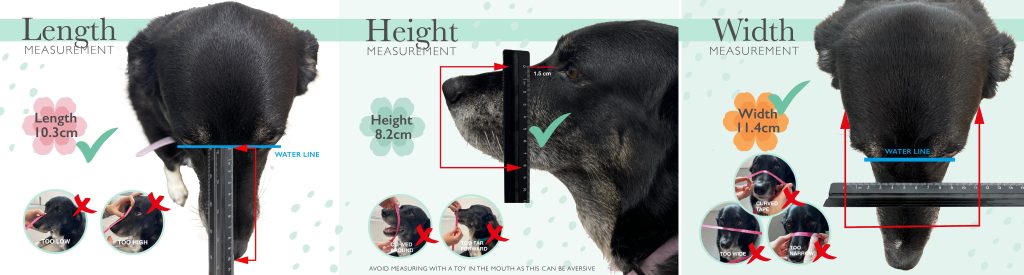
Length Measurement
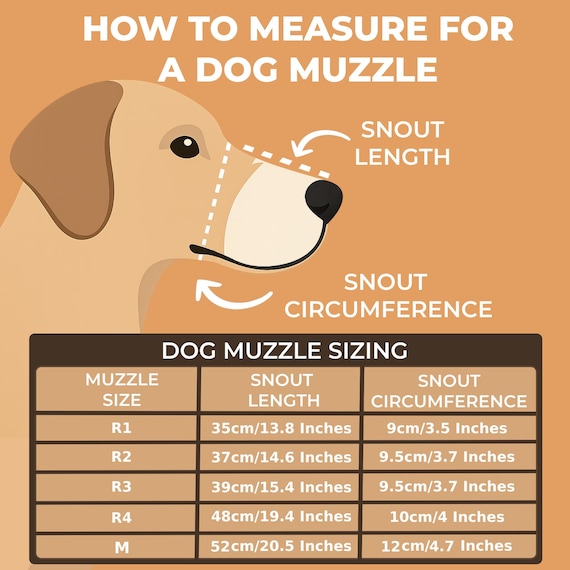
Measure from the tip of your dog’s nose to the point just below the eyes. This length determines how long the muzzle should be. Avoid including the eyes or forehead in the measurement.
Circumference Measurement
Wrap the tape measure around the widest part of the snout, just below the eyes. This helps find the muzzle’s girth size. The tape should be snug but not tight, allowing a little space for comfort.
Width Measurement
Measure the width of your dog’s snout at its widest point. This ensures the muzzle is wide enough for breathing and panting. Use the tape measure straight across, not around the snout.
Credit: www.etsy.com
Checking Fit And Comfort
Checking the fit and comfort of a muzzle is vital for your dog’s safety and well-being. A muzzle must sit snugly without causing pain or stress. Comfort ensures your dog stays calm and can wear the muzzle for the needed time. Careful adjustments help avoid injuries and make wearing the muzzle easier for your pet.
Ensuring Proper Tightness
The muzzle should fit firmly but not tightly. It must not slip off or move around. Use your fingers to check the space between the muzzle and the dog’s skin. There should be enough room for one or two fingers to fit comfortably. Too tight can hurt your dog; too loose can let the dog escape.
Allowing For Breathing And Panting
Dogs need to breathe and pant freely while wearing a muzzle. Leave enough space around the nose and mouth for airflow. Avoid muzzles that cover the nose tightly or block the mouth. Watch your dog pant and breathe normally during the fitting. Proper air circulation keeps your dog cool and stress-free.
Avoiding Chafing And Discomfort
Check areas where the muzzle touches the skin for rubbing or irritation. Soft padding can reduce chafing on sensitive spots like the nose and behind the ears. Adjust straps to prevent pressure points. Take breaks to inspect your dog’s skin if wearing the muzzle for long periods. Comfort helps your dog accept the muzzle easily.
Adjusting The Muzzle Size
Adjusting the muzzle size is key to your dog’s comfort and safety. A well-fitted muzzle should not be too tight or too loose. It must allow your dog to breathe, pant, and drink water easily. Proper adjustment prevents rubbing and chafing, which can cause discomfort or injury.
Check the fit often, especially with growing puppies or active dogs. Small changes in size can make a big difference in comfort. Adjust the muzzle every time you put it on, ensuring it sits snugly but gently on your dog’s snout.
Using Adjustable Straps
Most muzzles come with adjustable straps for a better fit. These straps help secure the muzzle without squeezing your dog’s nose. Adjust the straps slowly, testing the tightness by sliding one finger under the strap. It should fit comfortably, not too loose or tight.
Look for straps made from soft, flexible materials. They reduce the chance of irritation. Adjust both the nose and head straps evenly for balanced pressure. Always check the straps for wear and tear before use.
When To Consider A Custom Muzzle
Custom muzzles suit dogs with unusual snout shapes or sizes. They offer the best fit for breeds with flat faces or very long noses. A tailor-made muzzle ensures no pinching or slipping.
Consider custom options if your dog shows discomfort with standard muzzles. Custom muzzles often use soft materials and precise measurements. Your vet or a professional muzzle maker can help with measurements and fitting.
Training Your Dog To Wear A Muzzle
Training your dog to wear a muzzle requires patience and care. Dogs can feel stressed or scared when first introduced to a muzzle. Proper training helps your dog accept it calmly and safely. This section guides you through simple steps to make the process smooth and positive.
Introducing The Muzzle Gradually
Start by letting your dog see and sniff the muzzle. Do not force it on immediately. Let your dog explore it at their own pace. Next, gently touch the muzzle to your dog’s nose for a few seconds. Praise and reward your dog for staying calm. Increase the time the muzzle stays near or on your dog’s nose slowly. This helps build comfort and trust.
Positive Reinforcement Techniques
Use treats and praise to encourage your dog. Offer a favorite treat when your dog allows the muzzle near their face. Speak in a calm and happy voice. Reward your dog every time they keep the muzzle on. Keep training sessions short and fun. This creates a good experience linked to wearing the muzzle.
Monitoring Behavior Changes
Watch your dog’s reactions closely during training. Look for signs of stress like whining or pawing at the muzzle. If your dog seems upset, take a break and try again later. Notice if your dog starts accepting the muzzle more easily. Keep a record of progress to know what works best. Always end sessions on a positive note to build confidence.

Credit: www.themuzzlemovement.com
Frequently Asked Questions
How Do I Measure My Dog For A Muzzle?
To measure your dog, use a soft tape measure. Measure the circumference around the widest part of your dog’s snout. Ensure the tape is snug but not tight. Next, measure the length from the tip of the nose to the base of the eye.
These measurements help you find the right muzzle size.
Why Is Correct Muzzle Sizing Important?
Correct muzzle sizing ensures your dog’s comfort and safety. A well-fitted muzzle allows your dog to pant, drink, and breathe easily. An improperly fitted muzzle can cause discomfort or even harm. It may also not function properly, increasing the risk of escape or injury.
Can I Use A Homemade Tape Measure?
Yes, you can use a homemade tape measure. Use a piece of string to measure your dog’s snout. Then, lay the string flat against a ruler to get the measurement. Ensure the string is not too tight or too loose.
This method can provide an accurate measurement in the absence of a tape measure.
What Are Common Mistakes When Measuring For A Muzzle?
Common mistakes include measuring too tightly or loosely. Using a rigid tape measure can also lead to inaccuracies. Not considering the dog’s ability to pant or drink is another mistake. Double-check your measurements to ensure accuracy and compare them with the manufacturer’s sizing chart.
Conclusion
Measuring your dog for a muzzle takes a few simple steps. Start with a soft tape and measure the snout carefully. Check the length, width, and circumference for a good fit. A well-fitted muzzle keeps your dog safe and comfortable.
Always measure with your dog calm and relaxed. Remember, the right size helps prevent stress and injury. Taking time to measure shows you care about your dog’s well-being. Use these tips to find the perfect muzzle size easily. Your dog will thank you with happy, safe walks.

Emily Barker is the founder of ChillDogLife.com, a space dedicated to helping pup parents discover the best dog products, lifestyle tips, and cozy ideas for happier homes.
A lifelong dog lover, Emily combines her passion for pets with a knack for research to share trusted recommendations on everything from toys and furniture to health and everyday care.
Her goal is simple: to make life easier, stylish, and more joyful for dogs and the people who love them.




