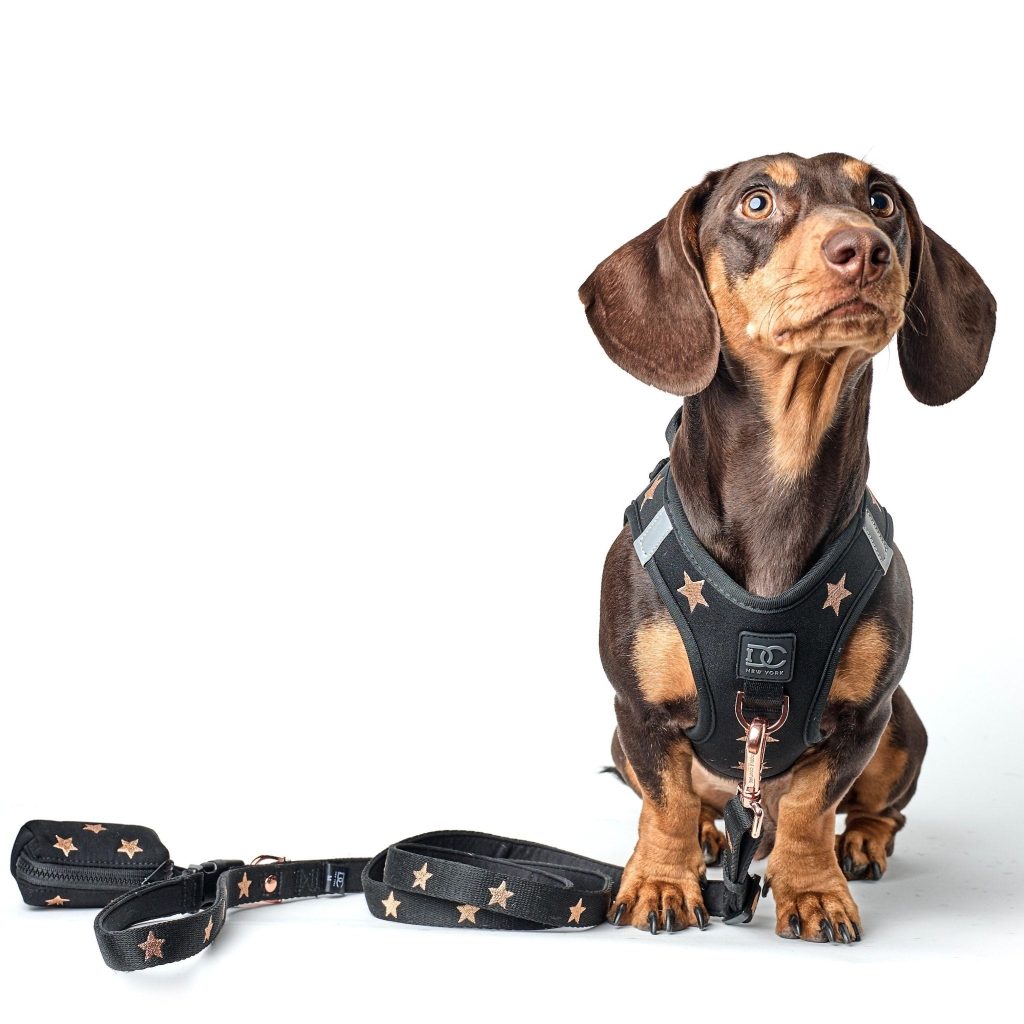
Are you tired of your dog pulling hard on the leash during walks? It can be frustrating and even dangerous for both of you.
No pull dog harnesses promise a simple solution, but how exactly do they work? Understanding how these harnesses control your dog’s pulling can help you choose the right one and make walks more enjoyable. Keep reading to discover the secrets behind no pull harnesses and how they can transform your daily strolls.
Credit: www.businessinsider.com
How No Pull Harnesses Stop Pulling
No pull dog harnesses work by gently discouraging your dog from pulling during walks. They use specific designs to redirect the dog’s movement and apply pressure in a way that feels uncomfortable when the dog pulls. This helps dogs learn to walk calmly beside their owners without tugging on the leash.
Design Features That Control Pulling
No pull harnesses have unique design elements that reduce pulling behavior. Many have a front leash attachment near the dog’s chest. When the dog pulls, the harness turns their body toward you. This change in direction stops forward pulling.
Some harnesses include adjustable straps for a snug fit. A secure fit helps prevent slipping and gives better control. Padding in key areas increases comfort, encouraging dogs to wear the harness longer.
Pressure Points And Their Role
These harnesses apply gentle pressure on certain points of the dog’s body. The chest, shoulders, and sometimes the neck area receive mild pressure when the dog pulls. This pressure is uncomfortable but safe.
The pressure signals the dog to stop pulling without hurting them. It acts as a reminder to walk calmly instead of lunging forward. This method trains dogs gradually to behave better on walks.
Types Of No Pull Harnesses
- Front-Clip Harness:Leash attaches on the chest, steering the dog toward you.
- Back-Clip Harness:Leash attaches on the back; less effective for no-pull training.
- Dual-Clip Harness:Offers both front and back leash attachments for versatility.
- Head Halter Harness:Fits around the dog’s muzzle and neck, guiding the head to control pulling.

Credit: www.wagtrendz.com
Choosing The Right Harness
No pull dog harnesses work by gently steering dogs away from pulling. They distribute pressure evenly, making walking easier and safer. This design helps dogs learn to walk calmly beside their owners without strain.
Choosing the right no-pull dog harness is crucial for both comfort and control. A well-fitted harness can prevent pulling and enhance your walking experience. Let’s explore the key factors in selecting the perfect harness for your furry friend.Sizing And Fit Considerations
A proper fit ensures the harness works effectively. Measure your dog’s chest and neck accurately. Use a flexible tape measure for the best results. Check the manufacturer’s sizing guide before purchasing. A harness should be snug but not tight. You should be able to fit two fingers under the harness. This ensures comfort and prevents chafing.Material And Comfort Factors
The material of the harness affects comfort and durability. Look for soft padding to prevent skin irritation. Breathable materials keep your dog cool during walks. Nylon and polyester are popular choices for durability. Consider water-resistant materials for outdoor adventures. Ensure the harness is easy to clean and maintain.Harness Styles For Different Dogs
Different harness styles suit different dogs. Front-clip harnesses are effective for pullers. They provide better control and discourage pulling. Back-clip harnesses are ideal for calm dogs. They offer comfort and easy use. Dual-clip harnesses provide versatility. They allow both front and back attachments. Choose a style that suits your dog’s behavior and needs.Training Techniques With No Pull Harnesses
No pull dog harnesses offer more than control; they support training too. Using these harnesses correctly helps dogs learn better walking habits. Training with no pull harnesses takes patience and consistency. The right techniques can make walks peaceful and enjoyable.
Teaching Loose Leash Walking
Loose leash walking means the dog walks beside you without pulling. Start in a quiet place with few distractions. Keep the leash short but loose. When the dog pulls, stop walking immediately. Wait until the leash relaxes before moving again. Reward the dog with praise or treats for staying close. Practice this often to build good habits.
Positive Reinforcement Strategies
Positive reinforcement uses rewards to encourage good behavior. Use treats, toys, or gentle praise as rewards. Give the reward right after the dog walks nicely without pulling. This helps the dog connect good behavior with rewards. Avoid punishment or harsh corrections. These can cause fear and damage training progress. Keep sessions short and fun for better results.
Handling Common Pulling Challenges
Some dogs pull out of excitement or fear. Identify why your dog pulls to address it properly. Stay calm and patient during walks. Use the no pull harness to gently guide your dog back. Change direction if the dog pulls ahead. This teaches the dog to pay attention to you. Practice regularly, and be consistent with rules. Over time, pulling will reduce and walking will improve.
Safety And Maintenance Tips
Safety and maintenance are key to using no pull dog harnesses effectively. Regular checks keep your dog comfortable and secure. Proper care helps the harness last longer and perform well. Knowing when to replace the harness avoids accidents and discomfort.
Checking Harness Fit Regularly
Check the fit every time before a walk. The harness should be snug but not tight. You must fit two fingers between the harness and your dog’s body. Watch for signs of rubbing or chafing on the skin. Adjust straps as your dog grows or gains weight. A loose harness can cause slipping or escape risks.
Cleaning And Care Instructions
Clean the harness to remove dirt, sweat, and odors. Use mild soap and warm water for hand washing. Avoid harsh chemicals that can damage fabric and buckles. Rinse thoroughly and air dry in a shaded area. Do not use a dryer or direct sunlight to dry. Regular cleaning prevents skin irritation and keeps the harness strong.
When To Replace Your Harness
Replace the harness if you see frayed straps or broken buckles. Look for any stretched out or weakened parts. If the harness no longer fits properly, get a new one. A worn harness can break or fail during a walk. Regular replacement ensures your dog’s safety and comfort.
Benefits Beyond Pulling Control
No pull dog harnesses offer much more than just stopping your dog from tugging on the leash. They change the entire walking experience for both you and your pet. When you look past the obvious benefit of pulling control, you’ll find improvements that make daily walks calmer, communication clearer, and training more effective over time.
Improved Dog Behavior On Walks
A no pull harness helps your dog learn to walk beside you without constant correction. This calm walking posture naturally reduces anxiety and frustration in dogs who tend to pull. You’ll notice fewer sudden lunges or attempts to chase distractions, making walks more enjoyable.
Dogs become more focused because the harness gently redirects their energy. Have you ever felt overwhelmed by your dog dragging you down the street? This tool can help keep things under control without harsh tugs or punishment.
Enhanced Owner-dog Communication
The design of a no pull harness allows you to guide your dog with subtle, clear signals. It encourages a gentle but firm way to communicate, which dogs quickly understand. This improves the bond between you and your dog because your cues become consistent and easy to follow.
Instead of a battle of strength, you work as a team. You might find that your dog responds faster to commands like “heel” or “stop” simply because the harness makes your intentions obvious. How much smoother would your walks be if your dog listened the first time?
Long-term Training Advantages
Using a no pull harness supports positive habits that last beyond the walk itself. It helps your dog get used to walking calmly without fear or discomfort. Over weeks and months, this consistent practice encourages better manners overall.
Many owners see fewer behavioral problems at home because their dogs feel more secure and less stressed on walks. The harness becomes a training aid that promotes patience and self-control, skills your dog carries into other parts of life.

Credit: www.wagtrendz.com
Frequently Asked Questions
What Is A No Pull Dog Harness?
A no pull dog harness is designed to discourage pulling. It gently redirects your dog’s movement when they pull. This helps improve walking control and safety. It often has a front clip for leash attachment to reduce pulling.
How Do No Pull Harnesses Prevent Pulling?
No pull harnesses use a front leash clip that steers the dog sideways. This redirects the dog’s attention back to the owner. The pressure is gentle, making pulling uncomfortable but not harmful. It trains dogs to walk calmly on a leash.
Are No Pull Harnesses Comfortable For Dogs?
Yes, most no pull harnesses are padded and adjustable. They distribute pressure evenly across the chest and shoulders. This prevents choking or neck strain compared to collars. Comfort varies by design, so proper fit is essential for your dog.
Can No Pull Harnesses Help With Training?
Absolutely. No pull harnesses provide immediate feedback to your dog. They encourage positive walking behavior by discouraging pulling. Combined with consistent training, they teach dogs to walk politely. They are an effective tool for leash training.
Conclusion
No pull dog harnesses help control your dog gently and safely. They work by redirecting your dog’s pulling force to reduce strain. This makes walks calmer and more pleasant for both of you. Choosing the right harness matters for comfort and effectiveness.
Regular use can teach your dog better walking habits. Remember, patience and consistency are key to success. A no pull harness supports a happy, stress-free walk every time.

Emily Barker is the founder of ChillDogLife.com, a space dedicated to helping pup parents discover the best dog products, lifestyle tips, and cozy ideas for happier homes.
A lifelong dog lover, Emily combines her passion for pets with a knack for research to share trusted recommendations on everything from toys and furniture to health and everyday care.
Her goal is simple: to make life easier, stylish, and more joyful for dogs and the people who love them.




