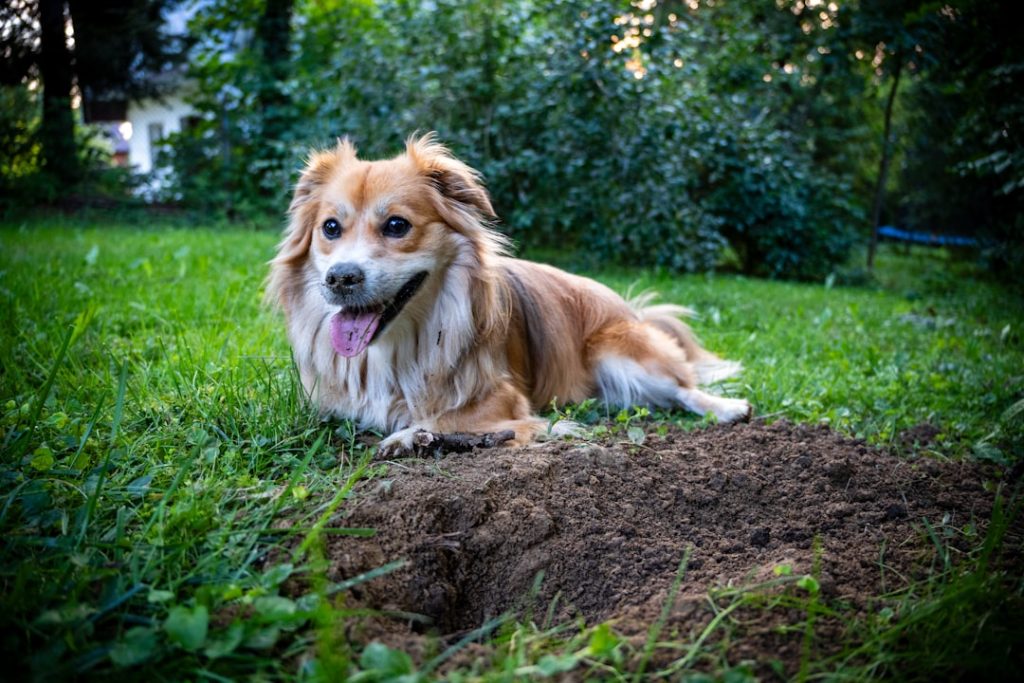
Losing a beloved dog is one of the hardest moments you’ll face. When it’s time to say goodbye, you want to honor your pet with a proper resting place.
But how deep should you dig a grave for your dog? Getting this right is important—not just for respect, but also for safety and peace of mind. You’ll learn exactly what depth works best and why. Keep reading to make sure you give your furry friend the farewell they deserve.
Choosing The Right Burial Spot
Choosing the right burial spot for your dog is more than just finding a quiet corner of your yard. It’s about respect, safety, and legality. The spot you pick ensures your pet rests peacefully without causing future issues for you or your neighbors.
Legal Restrictions And Local Regulations
Before you start digging, check your local laws. Many cities and towns have rules about burying pets on private property. Some areas require permits or have specific depth requirements to prevent health hazards.
Contact your local animal control or health department. They can provide clear guidelines that keep you out of trouble. Ignoring these rules might lead to fines or having to move your pet later.
Safe Distance From Water Sources
It’s important to keep the burial site away from wells, lakes, or streams. This protects local water from contamination as the body decomposes. A good rule of thumb is to stay at least 100 feet away from any water source.
Think about how rainwater flows in your yard. Avoid low spots where water pools or runs off. This helps prevent any leaching into groundwater or nearby bodies of water.
Avoiding Utility Lines And Structures
Digging near underground utility lines can be dangerous and costly. Call your local utility companies before digging to mark any hidden cables, pipes, or septic systems. This can save you from accidents and expensive repairs.
Also, steer clear of foundations, driveways, or other structures. Choose a spot that won’t interfere with your home’s stability or future landscaping plans. Have you ever thought about how your dog’s resting place might affect your yard’s layout years from now?
Credit: www.memorials.com
Ideal Grave Depth
Choosing the ideal grave depth for your dog is an important decision that respects both your pet and the environment. The right depth protects your dog’s remains and prevents any disruptions. It’s not just about digging a hole; it’s about ensuring peace and dignity for your beloved companion.
Minimum Depth Recommendations
The general rule is to dig at least 3 feet deep. This depth helps contain any odors and reduces the chance of animals digging up the grave. Some local regulations might require a deeper grave, so checking with authorities is a smart move.
For smaller dogs, 2.5 to 3 feet might be sufficient, but larger dogs need at least 3 to 4 feet. A deeper grave offers better protection and less chance of disturbance. Have you considered how deep your dog’s grave should be to ensure safety?
Factors Affecting Grave Depth
The soil type plays a big role—rocky or sandy soil may require extra depth or reinforcement. Weather conditions matter too; areas with heavy rain might cause the grave to erode if it’s too shallow.
Also, think about local wildlife. If you live where coyotes or raccoons roam, going deeper is safer. Your pet’s size, soil moisture, and even the season can all influence how deep you should dig.
Preventing Scavenger Disturbance
Scavengers can be a real concern. To prevent them from digging up the grave, you can lay a sturdy barrier like chicken wire or heavy stones above the burial site.
Adding a layer of soil mixed with rocks on top adds extra weight and security. Have you thought about combining these simple steps to keep your dog’s resting place safe?
Preparing The Burial Site
Preparing the burial site for your dog is a thoughtful process. It requires careful planning to ensure respect and safety. Choosing the right spot and preparing the ground helps the burial last peacefully.
Tools Needed For Digging
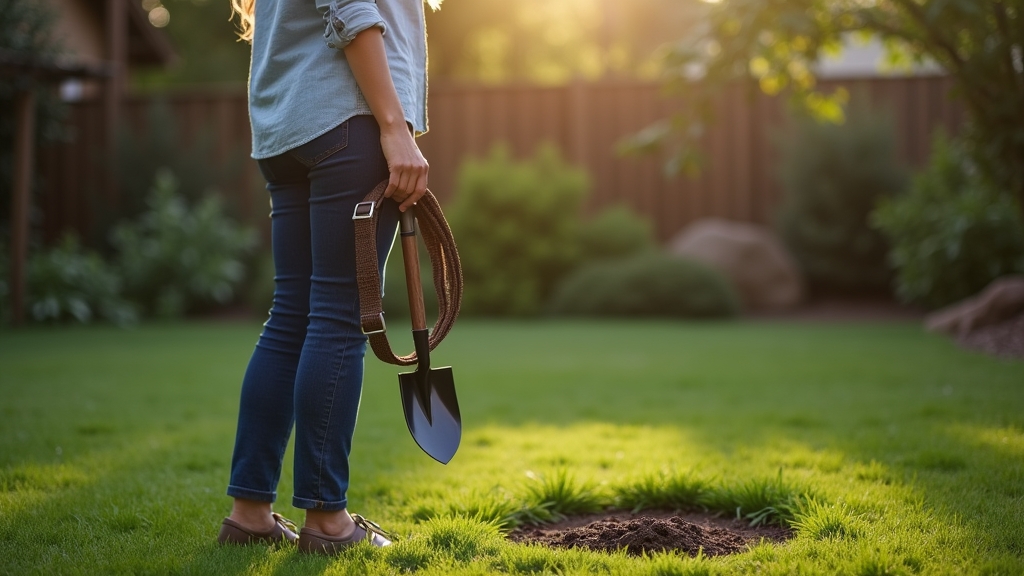
Gather the right tools before starting. A sturdy shovel is essential for digging. A spade helps with breaking tough soil. Gloves protect your hands from dirt and sharp objects. A bucket or tarp can hold removed soil. Having these tools ready makes digging easier and safer.
Marking The Grave Location
Pick a quiet, safe spot in your yard or garden. Avoid areas with underground utilities or tree roots. Mark the place clearly with a small flag or stone. This helps keep the spot visible while digging. A marked location prevents accidental damage later.
Soil Considerations And Drainage
Check the soil type before digging. Sandy soil drains well and is easier to dig. Clay soil can hold water and might need a deeper grave. Avoid low spots where water collects. Good drainage prevents water from pooling in the grave. This keeps the area clean and safe.
Digging The Grave
Digging a grave for your dog is a deeply personal task that requires care and precision. It’s not just about the depth but also about ensuring the process respects your pet’s memory and complies with safety guidelines. Let’s break down the key points that will help you dig the grave correctly and thoughtfully.
Step-by-step Digging Process
Start by choosing a quiet, shaded spot in your yard that won’t be disturbed. Use a sturdy shovel to loosen the soil, digging straight down to avoid collapsing walls. Remove the soil in manageable piles nearby, so you can easily refill the hole later.
Keep the hole wide enough so your dog can fit comfortably without being cramped. After the depth and width are set, smooth the sides to prevent any soil from falling back inside. This careful approach ensures a dignified resting place.
Handling Difficult Soil Conditions
If your soil is rocky or very hard, try watering the area a few hours before digging to soften it. For clay-heavy soil, using a pickaxe can help break up tough layers. You might also consider renting a small auger if the ground is exceptionally challenging.
Loose or sandy soil may require you to dig slightly deeper and wider to prevent collapse. Using wooden boards around the edges can support the walls during digging. Have you encountered stubborn soil before? Preparing tools ahead can save hours of frustration.
Ensuring Proper Dimensions
A good rule of thumb is to make the grave at least three feet deep. This depth keeps the remains safe from scavengers and natural elements. The length and width should be about two feet longer and wider than your dog’s body to allow for wrapping or a small coffin.
Measure your dog beforehand to avoid guesswork during digging. If your pet was particularly large, add extra space—not just in length but also width—to ensure comfort. Are you considering adding a marker or flowers? Leave enough space around the grave for those final touches.
After Burial Care
After you’ve laid your beloved dog to rest, the care you provide to the burial site is just as important as the depth of the grave itself. This helps preserve the memory of your pet and keeps the area safe and respectful. Taking thoughtful steps can also give you a peaceful place to visit and reflect on the special moments you shared.
Covering The Grave Securely
Make sure the grave is covered firmly with soil to prevent any animals from digging it up. You can add a layer of rocks or bricks on top of the soil for extra protection. This not only keeps the site secure but also helps the earth settle evenly over time.
Have you considered the type of soil around the grave? Well-drained soil reduces the chance of water pooling, which can disrupt the area. If the ground is soft or sandy, compacting the soil gently will keep the grave intact longer.
Adding Memorial Markers
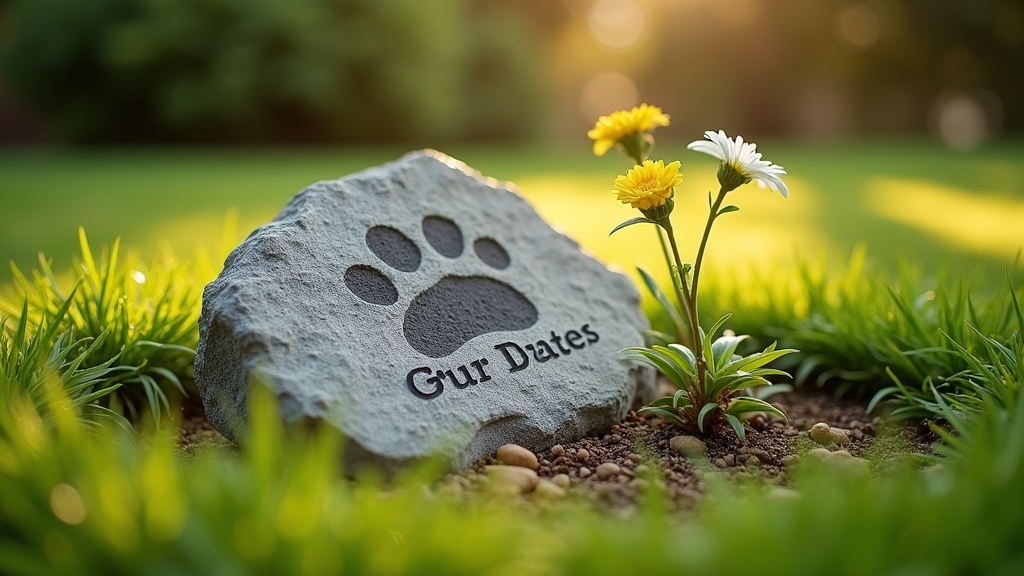
Memorial markers give you a special way to honor your dog’s memory. You can choose a simple stone, a planted flower, or a small plaque with your pet’s name. Personal touches make visits more meaningful and help you remember the joy your dog brought.
Think about something that reflects your pet’s personality. Maybe a favorite toy or a custom-made marker that tells a story. These details create a lasting tribute that feels just right for your companion.
Maintaining The Burial Site
Regular care keeps the area peaceful and tidy. Check the site for any signs of disturbance or settling soil every few weeks. Rake leaves, trim overgrown grass, and water any plants you’ve placed there to keep the spot inviting.
Do you visit your pet’s resting place often? Maintaining the site can be a healing ritual. It offers a quiet moment to connect and remember, turning a simple patch of earth into a cherished sanctuary.
Credit: www.memorials.com
Credit: www.memorials.com
Frequently Asked Questions
How Deep Should A Dog’s Grave Be?
A dog’s grave should be at least 3 feet deep. This depth ensures protection from scavengers and complies with legal requirements. Always check local regulations before digging. This depth also helps contain any potential odors.
Is It Legal To Bury A Dog In My Backyard?
Burying a dog in your backyard is generally legal, but regulations vary. Always check local laws and guidelines. Some areas require a specific depth or location. Ensuring compliance helps avoid potential legal issues.
What Tools Do I Need To Dig A Dog’s Grave?
To dig a dog’s grave, you’ll need a shovel and a pickaxe. These tools help break through tough soil efficiently. Additionally, wear gloves to protect your hands. A measuring tape ensures the grave is the correct depth.
Can I Bury My Dog In A Biodegradable Casket?
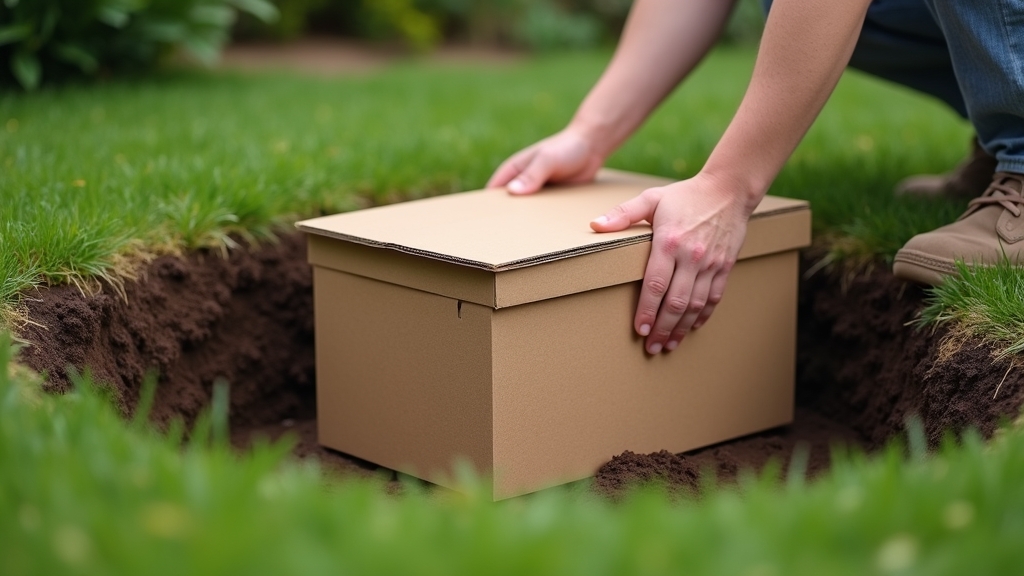
Yes, you can bury your dog in a biodegradable casket. These caskets are environmentally friendly and decompose naturally. They offer a respectful way to lay your pet to rest. Ensure the casket is within local burial regulations.
Conclusion
Digging the right depth honors your dog’s memory and respects the earth. A grave about three feet deep usually works well. It keeps your pet safe and prevents animals from digging. Choose a quiet, special spot for peace and comfort.
Take your time and dig carefully. This small act shows love and care for your loyal friend. Remember, a proper grave helps with healing and saying goodbye.

Emily Barker is the founder of ChillDogLife.com, a space dedicated to helping pup parents discover the best dog products, lifestyle tips, and cozy ideas for happier homes.
A lifelong dog lover, Emily combines her passion for pets with a knack for research to share trusted recommendations on everything from toys and furniture to health and everyday care.
Her goal is simple: to make life easier, stylish, and more joyful for dogs and the people who love them.




