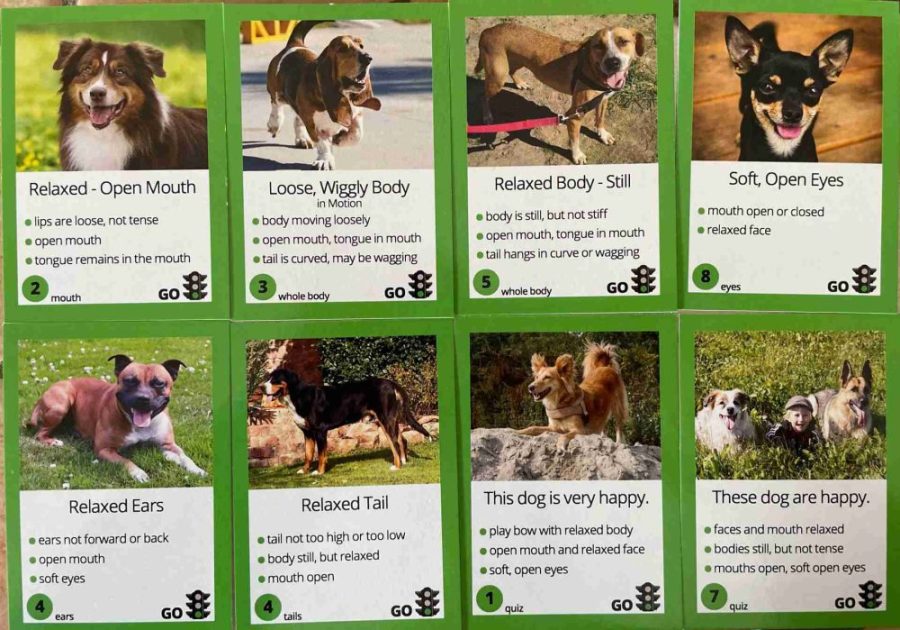
Have you ever wondered what your dog is really trying to tell you? Dogs don’t speak with words, but their bodies say a lot more than you might think.
Understanding your dog’s body behavior can help you build a stronger bond, avoid misunderstandings, and keep both of you safe and happy. You’ll discover simple signs and signals your dog uses every day—and learn how to read them like a pro.
Ready to unlock the secret language of your furry friend? Keep reading.
Tail Signals
Dogs use their tails to send messages without words. Tail signals help us understand how a dog feels.
Watching a dog’s tail can tell if it is happy, scared, or alert. It is an easy way to know their mood.
Wagging Patterns
Not all tail wags mean the same thing. The speed and direction of wagging show different emotions.
A slow wag can mean a relaxed dog. A fast wag often shows excitement or happiness.
- Wide, fast wagging means the dog is friendly and happy
- Slow wagging might show caution or insecurity
- Wagging with the tail held high means confidence
- Wagging with the tail low or tucked can show fear
Tail Position Meanings
The position of a dog’s tail says a lot about its feelings. Tail height and movement give clues.
Dogs hold their tails in different ways to show if they are calm, alert, or scared.
- Tail held high means the dog is confident or alert
- Tail in a neutral position shows a calm dog
- Tail low or between legs means fear or submission
- Tail stiff and raised can mean the dog is feeling aggressive

Credit: k9vitality.in
Ear Movements
Dogs use their ears to show how they feel. Watching ear movements helps you understand your dog’s mood.
Ear positions change depending on what the dog senses and thinks. They can show emotions and reactions.
Ear Positions And Emotions
When a dog’s ears stand up, it often means they are alert or curious. Ears that lie flat can show fear or submission.
Different ear positions tell you how your dog feels inside. Relaxed ears mean the dog is calm and happy.
- Upright ears: alert, interested
- Forward ears: curious, focused
- Ears back: scared, nervous
- Flat ears: submissive, worried
- Relaxed ears: calm, content
Reacting To Sounds
Dogs move their ears quickly to find where sounds come from. This helps them stay aware of their surroundings.
If a dog hears a loud or strange noise, their ears may perk up or swivel. This shows they are paying close attention.
- Ears point toward sound: focusing on noise
- Ears twitch: uncertain or curious
- Ears flatten: scared by sound
- Ears move quickly: tracking moving sounds
Eye Expressions
Dogs use their eyes to show feelings and thoughts. Watching their eye movements helps you understand them better.
Eye expressions can tell you if a dog feels happy, scared, or relaxed. Learning these signs improves your bond.
Eye Contact And Trust
Direct eye contact shows a dog trusts you. It means they feel safe and calm in your presence.
Some dogs avoid eye contact when they feel nervous. Respect this and give them space to feel secure.
Blinking And Squinting
Dogs blink slowly to show they are relaxed and friendly. It is a peaceful signal to other dogs and people.
Squinting can mean the dog is in pain or feeling unsure. Watch for other signs to understand their mood better.
- Slow blinking means calm and trust
- Rapid blinking may show stress
- Squinting can signal discomfort or fear
Credit: www.dwdogtraining.com
Posture Clues
Dogs use their body posture to show how they feel. Watching their stance helps you understand their mood.
Body language tells if a dog is calm, alert, or stressed. Learning these clues improves your bond with dogs.
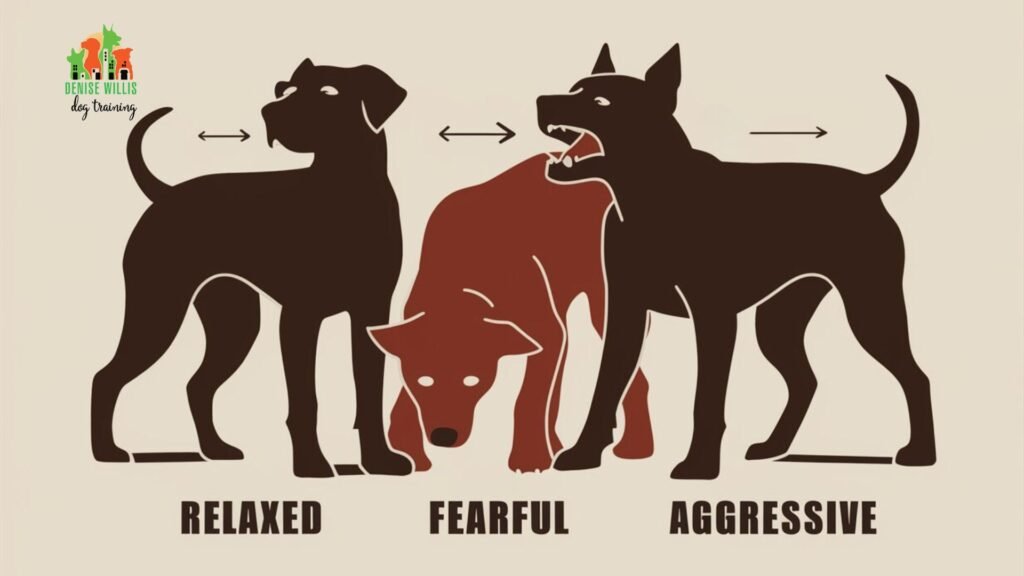
Relaxed Vs. Tense Stances
A relaxed dog stands with loose muscles and a soft gaze. A tense dog holds its body stiffly and may stare intensely.
- Relaxed:Tail wagging gently, ears in natural position, body loose
- Tense:Tail stiff or tucked, ears pinned back or forward, body rigid
- Relaxed:Mouth slightly open, tongue visible
- Tense:Mouth closed tight, lips pulled back
- Relaxed:Slow, calm breathing
- Tense:Fast, shallow breathing
Play Bow And Submission
The play bow is a dog’s way to invite fun. It shows the front legs stretched forward and the rear end raised.
| Behavior | Meaning |
|---|---|
| Play Bow | Signals friendly intent and desire to play |
| Submission Posture | Shows respect or fear, often with belly exposed or lowered body |
Submission can look like a dog lying on its back or lowering its head. It helps avoid fights and builds trust.
Mouth And Facial Cues
Dogs use their mouths and faces to show how they feel. Watching these signs helps us understand them better.
Different mouth and facial expressions can mean a dog is happy, nervous, or feeling threatened.
Lip Licking And Yawning
Lip licking often shows a dog is nervous or unsure. It can also mean they want to calm down a situation.
Yawning in dogs is not just about being tired. It can be a sign of stress or that they want to avoid trouble.
- Lip licking may appear before meeting new people
- Yawning can happen during tense moments
- Both signs help dogs reduce stress
Growling And Smiling
Growling is a warning. Dogs growl when they feel scared or want space. It is a clear sign to stop.
Smiling in dogs looks like a relaxed open mouth. It means the dog is happy and calm.
- Growling shows discomfort or fear
- Smiling shows friendliness and ease
- Both help dogs communicate their mood
Vocalizations
Dogs use sounds to express their feelings. Understanding these sounds helps us communicate better with them.
Each vocalization has a different meaning. Learning them can improve our bond with dogs.
Barking Types
Barking is a common way dogs communicate. Different barks mean different things.
Some barks signal excitement, while others show fear or alertness.
- Loud, rapid barks often mean alertness or warning.
- Short, high-pitched barks can show excitement.
- Low, continuous barking might indicate a threat.
Whining And Howling
Whining is usually a sign of discomfort or need. Dogs may whine when they want attention.
Howling is more common in some breeds. It can be a response to sounds or a way to communicate over distances.
| Vocalization | Possible Meaning |
| Whining | Discomfort, need for attention |
| Howling | Response to sounds, long-distance communication |
Behavioral Contexts
Understanding dog behavior helps in better communication. Dogs express feelings through body language.
Recognizing these signs is essential for their well-being. Let’s explore how dogs show stress and happiness.
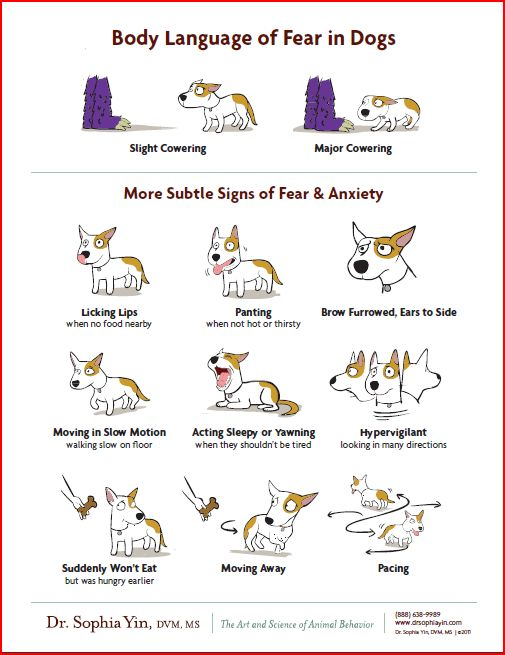
Stress And Anxiety Signs
Dogs display stress through various body signals. Recognizing these can help in reducing their anxiety.
- Panting and pacing
- Whining or barking
- Tucked tail and flattened ears
- Yawning excessively
- Avoiding eye contact
Happiness And Excitement Displays
Happy dogs show it through playful actions. Their excitement is often infectious and heartwarming.
Observe these signs to gauge a dog's happiness:
| Behavior | Description |
| Wagging Tail | Fast wagging shows joy |
| Play Bow | Invites playtime |
| Bouncing | Excited jumping |
| Relaxed Body | Loose and comfortable posture |
Credit: medium.com
Interpreting Mixed Signals
Dogs use body language to show how they feel. Sometimes, their signals can be mixed or unclear.
Learning to read these mixed signals helps you understand your dog better. It can prevent misunderstandings and build trust.
Conflicting Body Language
A dog may show signs that do not match each other. For example, wagging its tail but having tense muscles.
These mixed signals can mean the dog feels unsure or stressed. Watch for more clues to know what your dog feels.
- A relaxed mouth with stiff legs may show nervousness
- Tail wagging with lowered ears can mean uncertainty
- Raised hackles with a playful bow might mean excitement and caution
Reading Subtle Changes
Small changes in your dog’s body language tell a lot about their mood. These changes happen quickly and are easy to miss.
Pay close attention to eyes, ears, and tail movements. These details help you understand how your dog feels moment to moment.
- Eyes that glance away may show discomfort
- Ears that shift back often mean nervousness
- A tail that slows its wag can mean uncertainty
- Subtle lip licking can signal stress or appeasement
Frequently Asked Questions
What Does A Wagging Tail Really Mean In Dogs?
A wagging tail usually shows happiness or excitement. However, the speed and position of the tail also reveal emotions like anxiety or aggression. Observing the entire body helps interpret your dog’s true feelings.
How Do Dogs Use Ear Positions To Communicate?
Dogs move their ears to express emotions. Upright ears often show alertness, while flattened ears indicate fear or submission. Watching ear movements alongside other body signals improves understanding of a dog’s mood.
Why Do Dogs Show Their Belly To Humans?
Showing the belly is a sign of trust and submission in dogs. It means they feel safe and comfortable around you. Sometimes, it can also be a request for attention or a gentle play invitation.
What Does A Stiff Dog Body Indicate?
A stiff body in dogs often signals tension, fear, or aggression. It means the dog is uncomfortable or threatened. Approach carefully and observe other signals before interacting.
Conclusion
Understanding dog body language helps build a stronger bond. Dogs speak without words, using their bodies to show feelings. Watching tail wags, ear positions, and eye contact reveals their mood. Responding to these signs makes your dog feel safe and loved.
Every gesture tells a story worth noticing. Trust grows when you pay attention to these clues. Keep learning and observing for a happier, healthier relationship. Dogs appreciate when you understand their silent language. It’s a simple way to show care and respect every day.

Emily Barker is the founder of ChillDogLife.com, a space dedicated to helping pup parents discover the best dog products, lifestyle tips, and cozy ideas for happier homes.
A lifelong dog lover, Emily combines her passion for pets with a knack for research to share trusted recommendations on everything from toys and furniture to health and everyday care.
Her goal is simple: to make life easier, stylish, and more joyful for dogs and the people who love them.




