
Have you ever noticed your dog suddenly licking their lips, scratching, or turning away during a moment when nothing seems wrong? These small actions are called displacement behaviors, and they can reveal a lot about what your dog is feeling inside.
Understanding these subtle signals can help you connect better with your furry friend and prevent misunderstandings before they happen. Keep reading to discover what dog displacement behavior means, why it happens, and how you can respond to keep your dog happy and calm.

Credit: www.scentworku.com
What Is Displacement Behavior
Displacement behavior happens when a dog feels confused or stressed. The dog shows actions that seem out of place. These actions do not relate to the current situation.
Dogs use displacement behavior to calm themselves down. It is a way to avoid conflict or express inner tension. Understanding these behaviors helps owners read their dogs better.
Signs Of Displacement Behavior
Dogs show many signs when they use displacement behavior. These signs look like normal dog actions but happen at odd times.
- Yawning without being tired
- Scratching themselves repeatedly
- Sniffing the ground or air
- Licking their lips often
- Suddenly shaking their body
Why Dogs Use Displacement Behavior
Dogs feel stress or confusion in some situations. They use displacement behavior to reduce tension. It helps them avoid fights or scary moments.
This behavior works like a small break for the dog’s mind. It helps dogs stay calm and think clearly. Dogs may use it to communicate discomfort without showing aggression.
How To Recognize Displacement Behavior
Watch your dog carefully to spot displacement behaviors. Notice if they act strangely during stressful moments. These behaviors are often quick and easy to miss.
Look for repeated actions that do not match the situation. Your dog may yawn or scratch when meeting new dogs or people. These clues show your dog feels uneasy.
What To Do When You See Displacement Behavior
When you see displacement behavior, stay calm and gentle. Do not punish your dog for these signs. Instead, try to make the dog feel safe and relaxed.
Give your dog space or a quiet place to calm down. Use soft voices and slow movements. This helps your dog reduce stress and feel secure again.
Common Displacement Behaviors In Dogs
Dogs use displacement behaviors to handle stress or confusion. These actions help them calm down or avoid conflict.
Understanding these behaviors can improve how you read your dog’s feelings and reactions.
Yawning And Lip Licking
Yawning and lip licking often show that a dog feels uneasy or stressed. These signs help them reduce tension in tricky moments.
- Yawning can mean tiredness or nervousness.
- Lip licking shows discomfort or the need to calm down.
- Both behaviors may appear before a dog reacts to a situation.
Scratching And Sniffing
Dogs scratch or sniff the ground to distract themselves from stress. These acts give them a break from what makes them nervous.
| Behavior | Meaning |
| Scratching | Relieves stress, avoids tension |
| Sniffing | Focuses attention away from stress |
Pacing And Turning Away
Pacing shows a dog is nervous or unsure. Turning away avoids eye contact and helps calm the dog.
Signs to watch for:
- Pacing back and forth
- Looking away from a person or another dog
- Trying to leave the situation
Causes Behind Displacement Behaviors
Displacement behaviors in dogs happen when they feel unsure or stressed. These actions help dogs cope with feelings they cannot express directly.
Understanding the causes can help owners respond better and reduce these behaviors.
Stress And Anxiety
Dogs show displacement behaviors when they feel stress or anxiety. These feelings may come from loud noises, new places, or being left alone.
- Fear of unfamiliar sounds or people
- Separation from their owner
- Changes in routine or environment
- Overcrowded or busy spaces
Conflicting Signals
Sometimes dogs get mixed messages from other dogs or humans. This confusion causes them to perform behaviors like licking lips or scratching.
| Signal Type | Example | Possible Dog Reaction |
|---|---|---|
| Friendly but sudden | Fast approach | Lip licking, turning away |
| Mixed body language | Wagging tail but stiff posture | Yawning, scratching |
| Unclear commands | Conflicting voice and gestures | Sniffing ground, shifting weight |
Social Tension
When dogs face tension in social groups, they may show displacement behaviors. This helps reduce stress and avoid conflict.
- Meeting new dogs or people
- Competing for attention or food
- Feeling threatened by another animal
- Trying to calm a tense situation

Credit: sportypaws.com.au
Reading Your Dog’s Signals
Dogs use many signals to show how they feel. Understanding these signals helps you know what your dog needs. Displacement behaviors are small actions dogs do when they feel stressed or unsure.
These behaviors can be confusing. Learning to read them makes your bond stronger. It also helps prevent problems before they start.
Context Matters
Displacement behaviors depend on the situation. A dog may lick its lips because it is nervous or just finished eating. Watching what happens around your dog gives clues about its feelings.
- Look at the environment and people nearby.
- Notice if the dog is alone or with others.
- Think about what happened just before the behavior.
- Check if the dog is tired or hungry.
Body Language Cues
Dogs show stress and discomfort through body language. Watching their movements helps you spot displacement behaviors early.
| Behavior | Meaning |
| Yawning | Shows stress or calming effort |
| Licking lips | Indicates nervousness or uncertainty |
| Scratching | Can mean discomfort or tension |
| Looking away | Avoiding confrontation or stress |
| Shaking off | Trying to release tension |
Recognizing Early Signs
Early signs of displacement behavior warn you that your dog feels uneasy. Recognizing these signs helps you act before stress grows.
- Watch for small repetitive actions like paw lifting or sniffing the ground.
- Notice if your dog avoids eye contact or turns its head.
- See if your dog suddenly stops playing or moves away.
- Pay attention to changes in breathing or body stiffness.
How To Respond To Displacement Behaviors
Displacement behaviors in dogs are actions shown when they feel confused or stressed. These behaviors help dogs calm themselves.
Knowing how to respond to these behaviors helps your dog feel safe and reduces stress.
Calming Techniques
Use gentle actions to help calm your dog during displacement behaviors. Speak softly and avoid sudden moves.
- Offer a calm and quiet space for your dog.
- Use slow, soft petting to reassure them.
- Give your dog a favorite toy or chew item.
- Practice deep breathing to help your dog relax.
Avoiding Misinterpretation
Displacement behaviors can look like bad behavior but are signs of stress. Learn to read your dog’s body language carefully.
| Behavior | Possible Meaning |
| Yawning | Stress or discomfort |
| Excessive licking | Self-soothing |
| Sniffing the ground | Trying to avoid a situation |
| Turning away | Feeling unsure or scared |
When To Seek Professional Help
If displacement behaviors happen often or get worse, ask a dog trainer or vet for advice. They can find the cause and help your dog.
- Watch if behaviors increase in frequency or intensity.
- Look for signs of pain or illness.
- Check if your dog’s normal activities change.
- Consult a professional for a proper diagnosis.
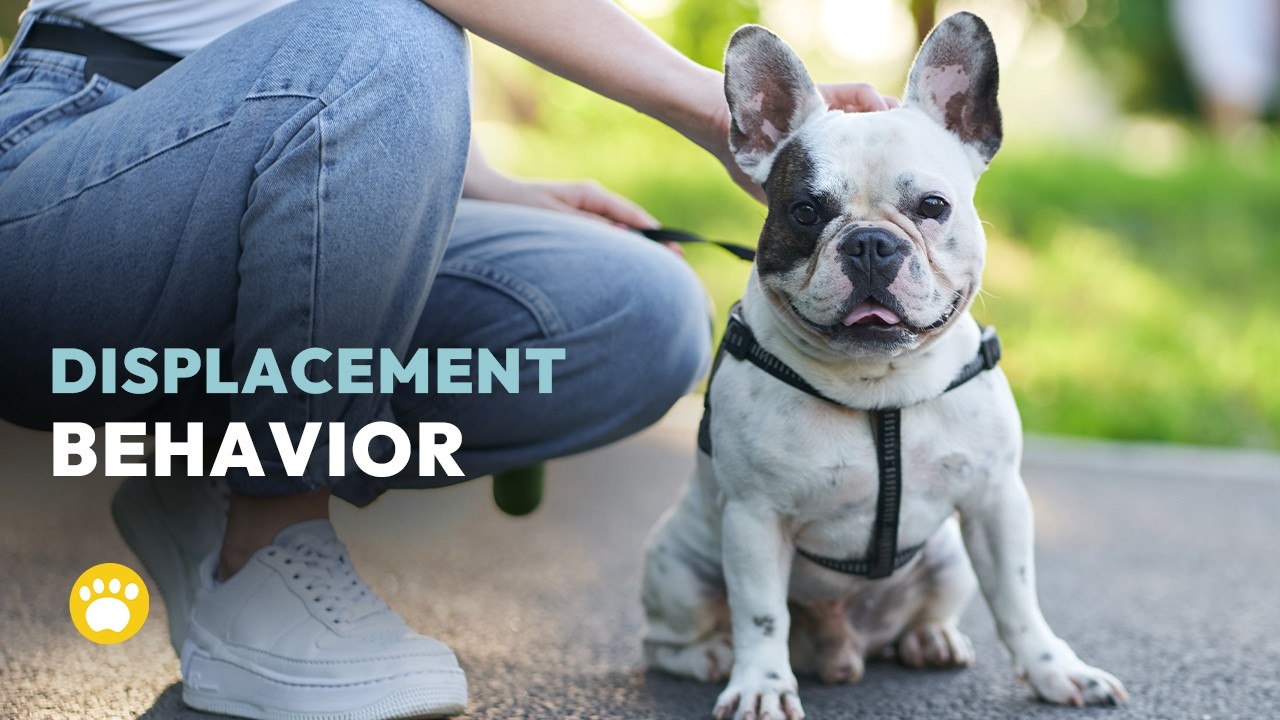
Credit: www.youtube.com
Preventing Stress And Displacement Behaviors
Dogs show displacement behaviors when they feel stressed. These behaviors are signs of anxiety and need attention.
Understanding and preventing stress can improve your dog’s well-being. Let’s explore ways to reduce these behaviors.
Creating A Safe Environment
Your dog’s environment affects their stress levels. A safe space helps them feel secure and calm.
Provide a quiet area where your dog can relax. This space should have familiar toys and bedding.
- Use soft lighting in their area
- Keep noise levels low
- Ensure regular access to fresh water
Consistent Training
Consistent training builds trust and reduces stress. It helps your dog understand what is expected of them.
Use positive reinforcement to encourage good behavior. Reward your dog with treats or praise when they follow commands.
- Practice commands daily
- Keep training sessions short
- Be patient and consistent
Regular Exercise And Mental Stimulation
Exercise and mental activities help reduce stress in dogs. They provide an outlet for energy and prevent boredom.
Take your dog for daily walks and play interactive games. Mental puzzles like treat-dispensing toys are also beneficial.
- Walk your dog twice a day
- Engage in fetch or tug-of-war
- Rotate toys to keep them interested
Frequently Asked Questions
What Is Dog Displacement Behavior?
Dog displacement behavior is when a dog shows unrelated actions. These behaviors often appear during stress or confusion. They help dogs manage conflicting emotions or social tension.
Why Do Dogs Exhibit Displacement Behaviors?
Dogs use displacement behaviors to relieve stress or uncertainty. It helps them avoid confrontation or express discomfort without aggression. These actions communicate their emotional state to others.
How Can I Identify Displacement Behaviors In Dogs?
Common signs include yawning, licking lips, scratching, or turning away. These actions occur suddenly and seem out of context. Observing these signals helps understand your dog’s feelings.
Are Displacement Behaviors Harmful To Dogs?
No, displacement behaviors are natural coping mechanisms. They help dogs manage emotional stress safely. However, frequent signs may indicate ongoing anxiety needing attention.
Conclusion
Dogs use displacement behavior to handle stress and confusion. These actions help them stay calm and avoid conflict. Watching for these signs can improve your bond with your dog. It also helps you understand what your dog feels inside. Paying attention to these behaviors keeps your dog happy and safe.
Small changes in your dog’s environment can reduce stress. Remember, patience and care make a big difference. Learning about displacement behavior helps you support your dog better every day.

Emily Barker is the founder of ChillDogLife.com, a space dedicated to helping pup parents discover the best dog products, lifestyle tips, and cozy ideas for happier homes.
A lifelong dog lover, Emily combines her passion for pets with a knack for research to share trusted recommendations on everything from toys and furniture to health and everyday care.
Her goal is simple: to make life easier, stylish, and more joyful for dogs and the people who love them.




