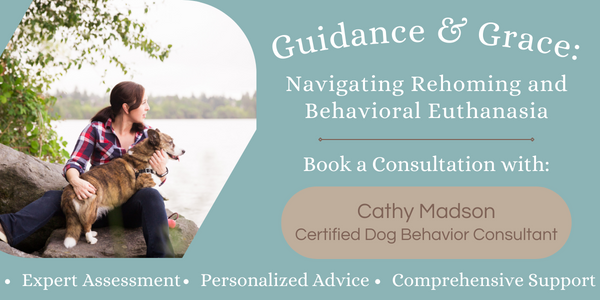
Facing the decision to say goodbye to your dog is never easy. You want to do what’s best for your furry friend, but how do you know when it’s truly time?
This Behavioral Euthanasia Checklist for Dogs will help you understand your dog’s signs and behaviors that show when their quality of life is declining. By using this guide, you can make a compassionate, informed choice that honors your dog’s well-being.
Keep reading—your dog’s comfort and happiness depend on it.
Recognizing Pain And Discomfort
Dogs cannot tell us when they hurt. We must watch their actions and habits to see pain. Recognizing signs early helps us give them comfort.
Behavior changes often show that a dog feels pain or discomfort. Paying close attention keeps them safe and cared for.
Changes In Activity Levels
A dog in pain often moves less than usual. They may avoid playing or walking. They can also seem tired or weak.
Look for sudden stops in running or jumping. Resting more than normal is a sign of discomfort too.
- Less interest in walks or playtime
- Reluctance to climb stairs or jump
- More time spent lying down or sleeping
- Slow or stiff movements
Signs Of Physical Distress
Physical signs can show if a dog is hurting. Watch for limping, shaking, or heavy breathing. These may mean they feel pain.
Changes in posture or frequent licking of one spot also point to discomfort. These signs need attention from a vet.
- Limping or favoring one leg
- Shaking or trembling
- Rapid or heavy breathing
- Hunched or tense posture
- Repeated licking or biting one area
Altered Eating And Drinking Habits
Pain can make dogs eat or drink less. They may skip meals or drink less water. This change can lead to more health problems.
Sometimes dogs eat more or drink more if they feel uneasy. Watch for any big changes in their habits.
- Refusing food or treats
- Eating less than usual
- Drinking less water
- Eating or drinking more than normal

Credit: rescuedbytraining.com
Behavioral Changes To Watch
Dogs may show changes in behavior when they are stressed or unwell. Observing these changes can help in making informed decisions about their care.
Some behaviors may indicate serious issues that need attention. It’s important to monitor these changes closely.
Increased Aggression Or Irritability
Dogs may become more aggressive if they are in pain or discomfort. This can include growling, snapping, or biting more often.
Pay attention if your dog reacts negatively to touch or new situations. These changes can signal that something is wrong.
- Snapping at people or other animals
- Growling when approached
- Biting without warning
Withdrawal And Hiding
Dogs that withdraw from family or hide may be feeling unwell or scared. This behavior is a sign that your dog may need help.
If a dog stops seeking attention or play, it could mean they are experiencing stress or pain.
- Hiding under furniture
- Avoiding eye contact
- Not responding to calls
Restlessness And Anxiety
Restlessness or anxiety can show as pacing or inability to settle. These signs can indicate your dog is uncomfortable or anxious.
Watch for behaviors like whining or excessive panting. These can be signs of anxiety or distress.
- Pacing around the room
- Whining or barking excessively
- Excessive panting or drooling
Assessing Quality Of Life
Deciding when it is time to say goodbye to a dog is very hard. Using a checklist helps evaluate their quality of life. This guide looks at key behaviors to watch for in dogs.
Caregivers can use this information to understand how their dog feels and make thoughtful choices. Focus on changes in daily life and happiness.
Mobility And Physical Function
Check how well your dog moves around. Notice if they struggle to walk, stand, or climb stairs. Problems with mobility may show pain or weakness.
Look for changes in balance and muscle strength. Dogs that cannot move comfortably often lose quality of life. Keep track of these signs over time.
- Difficulty getting up or lying down
- Reluctance to walk or run
- Wobbly or unsteady gait
- Signs of pain while moving
- Inability to jump or climb stairs
Enjoyment Of Favorite Activities
Notice if your dog still enjoys playing or going on walks. Loss of interest in favorite activities can mean they feel unwell or sad. This is a key quality of life indicator.
Observe how often your dog wants to engage with toys, games, or outdoor time. Decreased enthusiasm can show discomfort or fatigue.
- Playing with toys less than usual
- Less excited about walks
- Avoiding activities they used to love
- More time spent resting or sleeping
Interaction With Family Members
Watch how your dog interacts with people at home. A happy dog usually seeks attention and affection. A drop in social behavior may signal distress.
Notice if your dog avoids family members or shows signs of anxiety. This change can affect their emotional well-being and overall life quality.
- Seeking less petting or hugs
- Hiding or avoiding family members
- Less tail wagging or eye contact
- Signs of anxiety or restlessness
Emotional And Cognitive Indicators
When caring for a dog with serious health issues, watching for emotional and cognitive changes is important. These signs help decide if euthanasia is the kind choice.
Dogs may show changes in how they think or feel as they age or get sick. Noticing these signs early helps owners make informed decisions.
Confusion And Disorientation
Dogs may seem lost in familiar places or forget basic commands. They might pace or get stuck in corners.
This behavior shows their brain is not working well. It can cause stress and fear for the dog.
- Forgets where they are
- Wanders aimlessly
- Fails to recognize family members
- Gets stuck in small spaces
Loss Of Interest In Environment
Dogs may stop reacting to sounds, smells, or sights around them. They might not want to play or go outside.
This lack of interest shows emotional withdrawal. It can mean the dog feels pain or sadness.
- No longer excited by toys
- Ignores family members
- Refuses walks or outdoor time
- Does not respond to favorite activities
Changes In Sleep Patterns
Dogs may sleep much more or less than usual. They might wake up confused or restless during the night.
Sleep changes affect their mood and health. It can be a sign of discomfort or illness.
- Sleeping too much during the day
- Restless or agitated at night
- Difficulty falling asleep
- Waking up confused or anxious
When To Consult A Veterinarian
Deciding on euthanasia for your dog is very hard. Knowing when to ask a vet for advice can help.
Veterinarians offer guidance and support during this emotional time. They can explain your dog’s health and needs.
Critical Signs Requiring Immediate Attention
Some signs in your dog mean you need to see a vet right away. These signs show severe pain or illness.
- Sudden loss of appetite and refusal to drink water
- Difficulty breathing or gasping for air
- Uncontrolled bleeding or severe wounds
- Seizures or loss of consciousness
- Extreme weakness or inability to move
- Persistent vomiting or diarrhea lasting more than 24 hours
Discussing Euthanasia Options
Talking to your vet about euthanasia helps you understand what to expect. Your vet can explain the process and choices.
| Option | Description |
| In-Clinic Euthanasia | Done by a vet in a calm and controlled setting |
| At-Home Euthanasia | Vet visits your home for a peaceful experience |
| Palliative Care | Focus on comfort and pain relief before deciding |
Preparing For The Decision
Before making the final choice, gather all needed information. Talk with family and your vet to feel sure.
- Write down your dog's symptoms and behavior changes
- Ask your vet about pain management and quality of life
- Consider your dog’s age and past health problems
- Think about your feelings and readiness to say goodbye
- Plan who will be with your dog during euthanasia

Credit: rescuedbytraining.com

Credit: zoeta-dogsoul.com
Frequently Asked Questions
What Is A Behavioral Euthanasia Checklist For Dogs?
A behavioral euthanasia checklist helps evaluate a dog’s quality of life based on behavior. It guides owners in making compassionate decisions about euthanasia.
When Should I Consider Euthanasia For My Dog’s Behavior?
Consider euthanasia when behavioral issues cause severe distress or harm. Persistent aggression, anxiety, or pain despite treatment may indicate it’s time.
How Does Behavior Impact Euthanasia Decisions For Dogs?
Behavior shows a dog’s well-being and suffering level. Poor behavior can signal pain or distress, influencing euthanasia timing and necessity.
Can A Behavioral Checklist Prevent Premature Euthanasia?
Yes, it ensures decisions are based on clear signs of suffering. It helps avoid premature euthanasia by assessing behavior objectively.
Conclusion
Deciding on euthanasia is never easy for dog owners. This checklist helps you make a clear choice. Watch your dog’s behavior closely and note any changes. Think about their comfort and quality of life daily. Talk openly with your vet about what you observe.
Your dog’s well-being should always guide your decisions. Trust your feelings and take time to decide. Caring for your dog means making tough but loving choices. This guide supports you through a hard but necessary moment.

Emily Barker is the founder of ChillDogLife.com, a space dedicated to helping pup parents discover the best dog products, lifestyle tips, and cozy ideas for happier homes.
A lifelong dog lover, Emily combines her passion for pets with a knack for research to share trusted recommendations on everything from toys and furniture to health and everyday care.
Her goal is simple: to make life easier, stylish, and more joyful for dogs and the people who love them.




