If you have a female dog, you might notice some changes when she goes into heat. These behavior shifts can surprise you and sometimes even confuse you.
Understanding what’s happening with your dog during this time is key to keeping her comfortable and happy. You’ll discover the common signs and behaviors your dog may show, why they happen, and what you can do to help her through this phase.
Keep reading to learn how to recognize and handle these changes with confidence.
Signs Of Heat Cycle
Dogs go through a heat cycle every few months. This is when they can become pregnant. It is important to notice the signs so you can care for your dog well.
Signs of heat include changes in the body and behavior. These changes help you know when your dog is in heat.
Physical Symptoms
Physical signs of heat are easy to spot. The dog’s body shows clear changes during this time.
One of the first signs is swelling of the vulva. You may also see a bloody discharge. This discharge can change in color and amount over the weeks.
- Swollen vulva that looks larger than usual
- Bloody or pink discharge from the genital area
- Increased licking of the genital area
- More frequent urination than normal
Behavioral Shifts
Behavior changes happen when a dog is in heat. These shifts show how your dog feels inside.
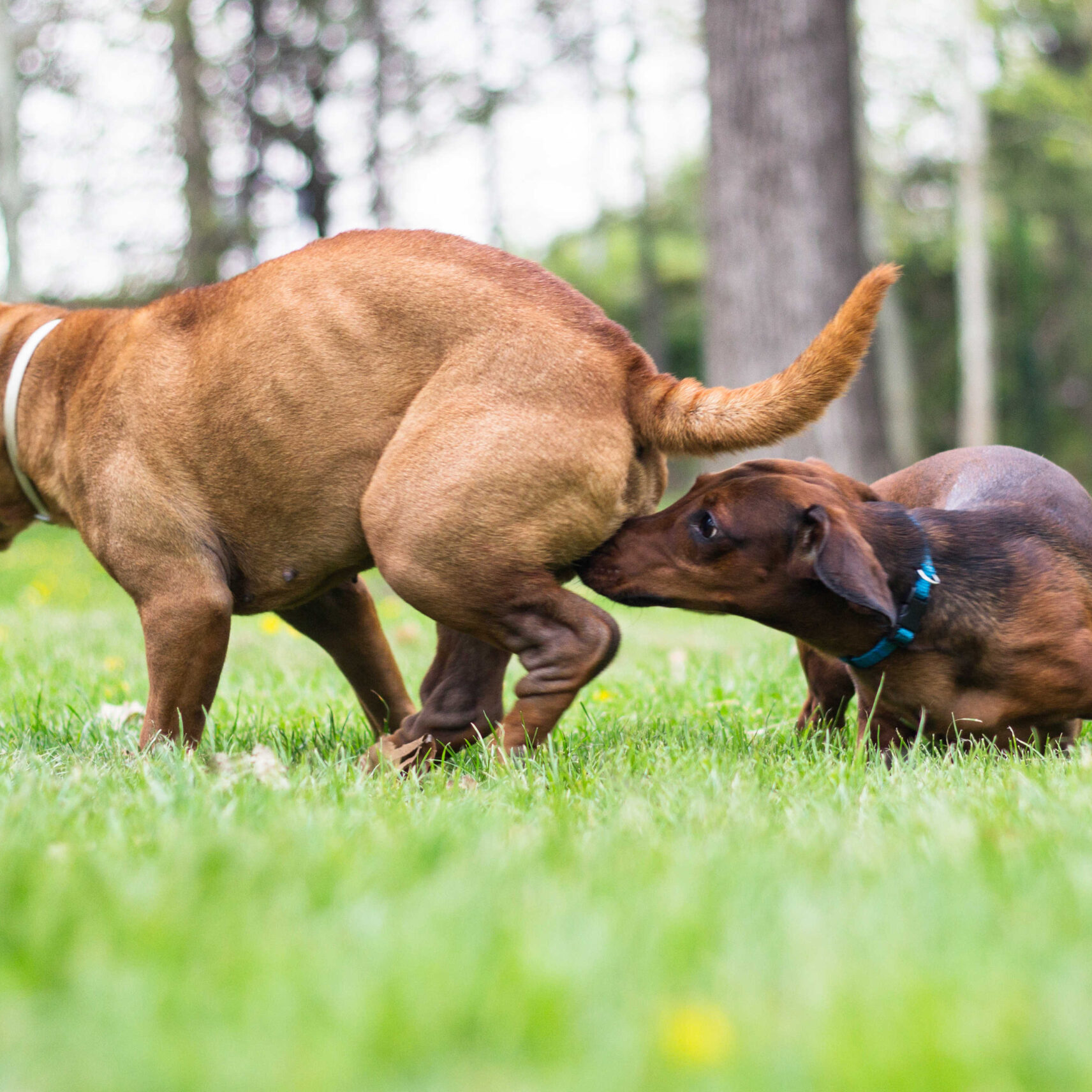
Your dog may become more restless or nervous. She might also want more attention and act more affectionate. Some dogs try to escape to find mates.
- Increased restlessness or pacing
- More affectionate or clingy behavior
- Frequent attempts to escape the house or yard
- Marking territory with urine more often
Credit: seniortailwaggers.com
Common Behavioral Changes
When dogs are in heat, they experience several behavioral changes. These changes are natural and part of their reproductive cycle.
Understanding these behaviors can help pet owners provide better care during this time.
Increased Affection
Dogs in heat often show more affection. They may seek more attention from their owners and other dogs.
- Frequent cuddling
- Following you around the house
- Rubbing against furniture
Restlessness And Agitation
Restlessness is another common change. Dogs may seem anxious or unable to settle down.
Marking And Urination
Dogs in heat may start marking their territory more. This includes increased urination inside and outside.
| Behavior | Frequency |
| Marking | High |
| Urination | Increased |
Vocalization Patterns
During heat, dogs can become more vocal. They might whine, bark, or howl more than usual.
This vocalization is a way to communicate their needs and attract potential mates.
Duration And Frequency
Dogs in heat show behavior changes that last for several weeks. The timing and how often these changes happen depend on the dog’s cycle.
Understanding the duration and frequency helps pet owners manage their dogs better during this period.
Heat Cycle Timeline
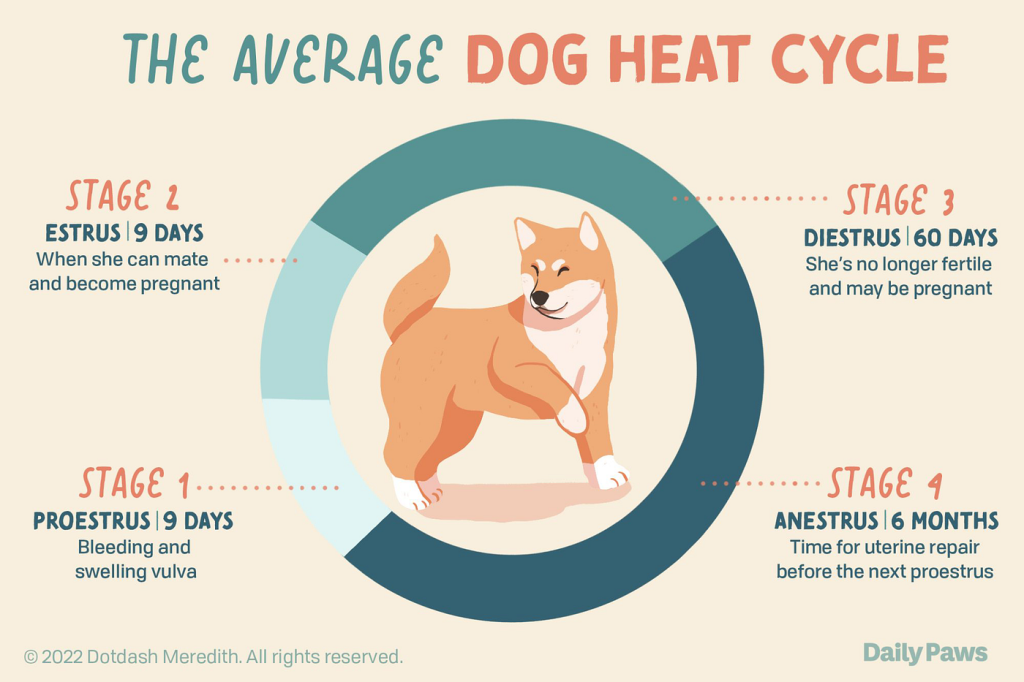
A typical heat cycle lasts about 2 to 4 weeks. It has four main stages: proestrus, estrus, diestrus, and anestrus.
- Proestrus:Lasts 7 to 10 days. The dog may show swelling and bleeding.
- Estrus:Lasts 5 to 10 days. This is when the dog accepts males and may have behavior changes like restlessness.
- Diestrus:Lasts about 60 days. The dog’s body returns to normal, and behaviors calm down.
- Anestrus:This is the resting phase lasting 3 to 5 months before the cycle starts again.
Variations By Breed And Age
| Factor | Effect on Heat Cycle | Behavior Impact |
|---|---|---|
| Breed Size | Small breeds cycle every 4-6 months; large breeds every 6-12 months | Small breeds show more frequent behavior changes |
| Age | Younger dogs have irregular cycles; older dogs have more regular cycles | Young dogs may have unpredictable behavior changes |
| Health | Illness can delay or alter cycles | Behavior may be subdued or more erratic |

Credit: www.barkandwhiskers.com
Managing Behavior During Heat
Dogs in heat show many behavior changes. These changes can be hard for owners to manage. Understanding how to care for your dog helps keep her calm and safe.
Adjusting comfort and exercise routines supports your dog’s wellbeing during this time. This guide offers practical tips to help you manage her behavior.
Comfort And Care Tips
Comfort is key when your dog is in heat. She may feel restless or anxious. Provide a quiet, soft space for rest. Keep her clean with gentle wipes to reduce irritation.
- Offer fresh water often to keep her hydrated
- Use absorbent pads or dog diapers to manage discharge
- Keep her away from male dogs to avoid stress and unwanted mating
- Give extra attention and gentle petting to soothe her
- Monitor for signs of discomfort or infection and contact a vet if needed
Exercise And Activity Adjustments
Exercise needs change during heat. Your dog may tire faster or seem less interested in walks. Adjust her activity to avoid stress and injury.
| Activity | Recommended Change |
| Long walks | Shorten duration and avoid crowded places |
| Playtime | Choose calm, gentle games indoors |
| Outdoor time | Supervise closely to prevent escapes |
| Training sessions | Keep sessions short and reward calm behavior |
When To Consult A Vet
Dogs in heat show many behavior changes. Some are normal, but others may signal health problems. Knowing when to see a vet can help your dog stay safe and healthy.
This guide covers signs of health issues and behavioral concerns. Watch your dog closely and seek vet care if needed.
Signs Of Health Issues
Some health problems need quick vet attention. Check for unusual signs during your dog’s heat cycle.
- Heavy bleeding or bleeding that lasts more than three weeks
- Foul smell or discharge with pus
- Swelling or redness around the vulva
- Fever or lethargy
- Loss of appetite or vomiting
- Signs of pain, such as whining or restlessness
- Difficulty urinating or excessive licking of the genital area
Behavioral Concerns
Behavior changes can be normal, but some may need a vet’s advice. Watch your dog’s mood and actions closely.
| Behavior | When to Consult a Vet |
|---|---|
| Extreme aggression or irritability | If it risks harm to others or lasts beyond heat cycle |
| Severe anxiety or restlessness | If your dog cannot settle or shows panic |
| Refusal to eat or drink | If it lasts more than 24 hours |
| Excessive vocalization or howling | If it is nonstop and distressing |
| Destructive behavior | If it damages property or causes injury |
Credit: southeastoakvillevet.ca
Frequently Asked Questions
What Are Common Behavior Changes In Dogs In Heat?
Dogs in heat often show restlessness, increased vocalization, and frequent urination. They may also seek more attention and display mood swings. These behaviors are driven by hormonal changes during their reproductive cycle.
How Long Do Behavior Changes Last In A Dog’s Heat?
Behavior changes typically last about 2 to 3 weeks. This corresponds with the entire heat cycle, which includes proestrus, estrus, and diestrus phases. Each dog may experience variations in duration and intensity.
Why Do Dogs In Heat Become More Aggressive Or Anxious?
Hormonal fluctuations cause mood swings, leading to aggression or anxiety. Dogs may feel vulnerable or protective during this time. Stress and discomfort contribute to these temporary behavioral shifts.
Can Behavior Changes In Heat Affect A Dog’s Training?
Yes, dogs in heat may be distracted and less responsive to commands. Hormonal changes impact focus and obedience. Patience and gentle reinforcement are essential during this period.
Conclusion
Dogs in heat show clear behavior changes you can notice. They may act restless, seek more attention, or seem nervous. Understanding these signs helps you care for your dog better. Patience and gentle handling make this time easier for both of you.
Watching your dog closely lets you spot any unusual problems early. Every dog reacts a bit differently, so stay calm and observant. This knowledge helps build a stronger bond with your pet. Caring well during heat keeps your dog happy and healthy.
Simple care and love go a long way.

Emily Barker is the founder of ChillDogLife.com, a space dedicated to helping pup parents discover the best dog products, lifestyle tips, and cozy ideas for happier homes.
A lifelong dog lover, Emily combines her passion for pets with a knack for research to share trusted recommendations on everything from toys and furniture to health and everyday care.
Her goal is simple: to make life easier, stylish, and more joyful for dogs and the people who love them.




