Are you struggling with your dog’s sudden changes in behavior? Maybe your furry friend is chewing everything in sight, barking nonstop, or acting anxious for no clear reason.
These behavioral dog issues can be frustrating and stressful for both you and your pet. But don’t worry—understanding why your dog acts this way is the first step to finding a solution. You’ll discover practical tips and insights that can help you improve your dog’s behavior and strengthen the bond you share.
Keep reading to unlock the secrets to a happier, healthier relationship with your canine companion.

Credit: www.positivepetsboise.com
Aggression In Dogs
Aggression in dogs can be a serious issue for owners. It affects the safety of people and other animals. Understanding why dogs act aggressively is important to manage their behavior.
This article covers common causes of aggression, ways to manage it, and signs that show when professional help is needed.
Causes Of Aggression
Aggression in dogs often comes from different reasons. Some causes are natural, while others develop over time.
- Fear or anxiety
- Protecting territory or possessions
- Pain or illness
- Lack of socialization
- Frustration or stress
- Genetic or breed tendencies
Managing Aggressive Behavior
Managing aggression requires patience and careful actions. Consistent training and creating a safe environment help reduce aggressive acts.
| Method | Description |
| Positive Reinforcement | Reward good behavior to encourage it. |
| Avoid Triggers | Keep dog away from situations that cause aggression. |
| Socialization | Expose dog to people and animals calmly. |
| Exercise | Provide regular physical activity to reduce stress. |
| Obedience Training | Teach commands to control behavior. |
When To Seek Professional Help
Some aggressive behaviors need expert attention. A dog trainer or a veterinary behaviorist can help with severe cases.
- If the dog bites or attacks people or pets.
- If aggression starts suddenly without clear cause.
- If the dog shows constant growling or snapping.
- If managing aggression at home does not work.
- If the dog’s aggression causes fear or anxiety in the family.

Credit: www.dwdogtraining.com
Separation Anxiety
Separation anxiety is common in dogs left alone. It causes stress and unwanted behavior.
Understanding signs and calming techniques helps your dog feel safe and relaxed.
Signs Of Anxiety
Dogs with separation anxiety show many signs. Watch for these behaviors to help your dog.
- Excessive barking or howling
- Destructive chewing or digging
- Pacing back and forth
- Drooling or panting heavily
- Trying to escape from rooms or crates
- Urinating or defecating indoors
Techniques To Calm Your Dog
Use these methods to help calm your dog during alone time.
- Give plenty of exercise before leaving
- Provide favorite toys or treats
- Practice short departures and returns
- Use calming music or white noise
- Try gentle massage or petting
- Consult a veterinarian if needed
Creating A Safe Environment
A safe space helps reduce anxiety. Set up a calm area for your dog.
| Area | How to Make It Safe |
|---|---|
| Quiet Room | Choose a low-traffic room away from noise |
| Comfort Items | Place bed, blankets, and favorite toys |
| Water & Food | Keep fresh water and some treats nearby |
| Temperature | Keep room warm or cool as needed |
| Lighting | Use soft lighting or natural light |
Excessive Barking
Excessive barking can be a big problem for dog owners. It can cause stress for both the dog and the family. Understanding why dogs bark is the first step to managing this behavior.
Dogs use barking to communicate many things. Not all barking is bad. But too much barking can be a sign of trouble.
Reasons Behind Barking
Dogs bark for many reasons. Some reasons are natural, while others need attention. Here are common causes of excessive barking.
- Fear or anxiety
- Boredom or loneliness
- Attention seeking
- Response to noises or sights
- Territorial behavior
- Medical issues or pain
Training To Reduce Noise
Training helps teach dogs when to stop barking. Consistency and patience are key. Start by rewarding quiet behavior.
- Recognize the bark trigger
- Use commands like “quiet” or “stop”
- Reward the dog when it stops barking
- Give enough exercise and playtime
- Practice regularly in different settings
Tools To Control Barking
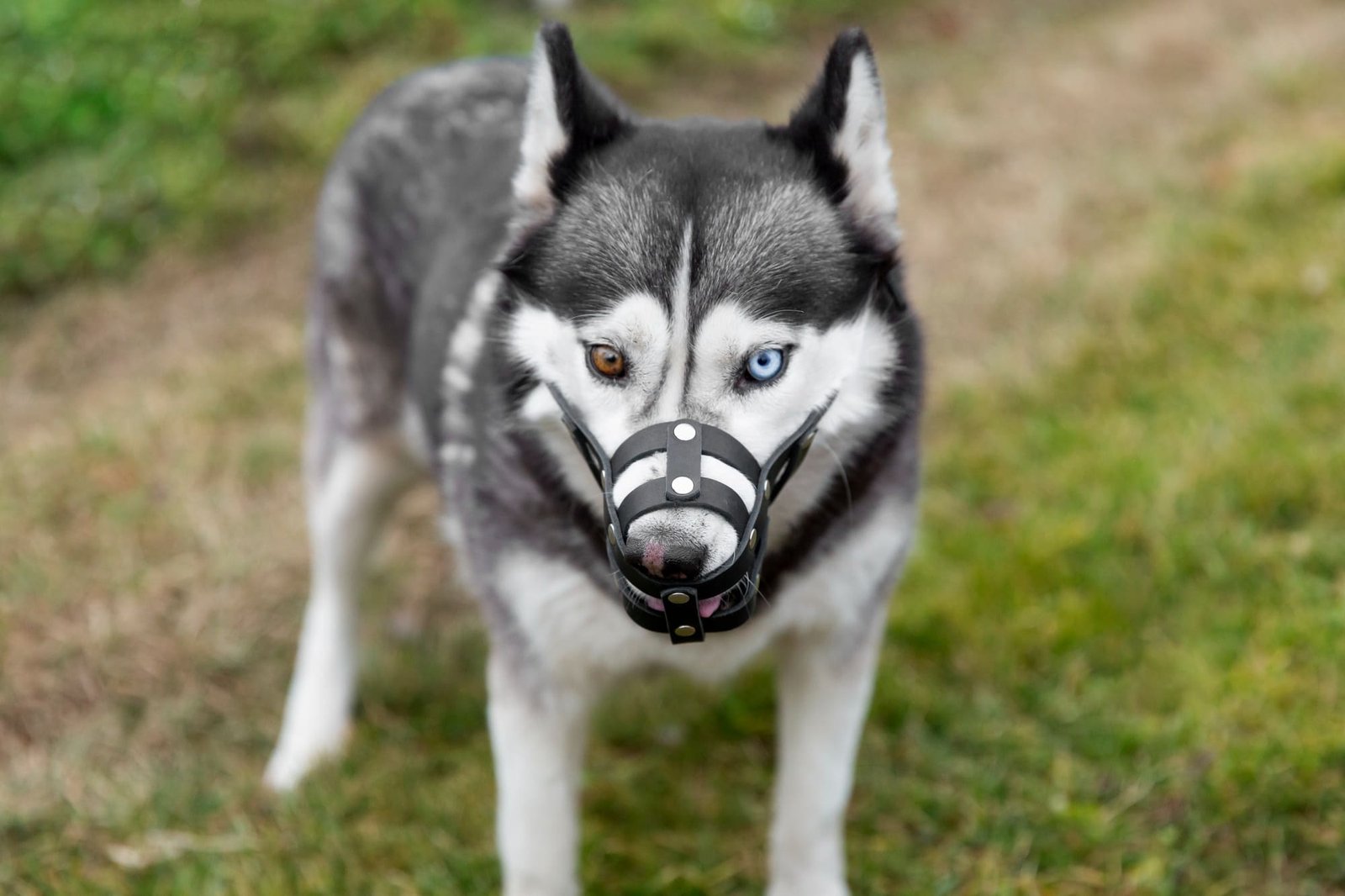
Some tools can help control barking. Choose tools that are safe and humane. Always combine tools with training.
| Tool | Description | Use |
|---|---|---|
| Anti-bark collar | Vibrates or emits sound when dog barks | Discourages barking without pain |
| Ultrasonic device | Emits high-pitched sound to distract dog | Used from a distance |
| Distraction toys | Keeps dog busy and focused | Reduces boredom barking |
| Crate training | Creates a safe space for the dog | Helps reduce anxiety barking |
Credit: hellopetsinc.com
Chewing And Destructive Habits
Chewing is a natural behavior for dogs. It helps them explore the world and relieve stress. Sometimes, chewing can become destructive and damage your home.
Understanding why dogs chew can help you manage their habits. This guide explains the reasons and offers ways to protect your belongings.
Why Dogs Chew
Dogs chew for many reasons. Puppies chew to ease teething pain. Adult dogs chew to keep their teeth clean and strong. Chewing also helps dogs relax and fight boredom.
Sometimes, dogs chew because they feel anxious or lonely. They may also chew to get attention from their owners.
Redirecting Chewing Behavior
Give your dog safe items to chew on. Toys made for chewing help satisfy their need. Praise your dog when they chew the right things.
Remove items you don’t want chewed. Offer plenty of exercise and playtime. This reduces boredom and stops destructive chewing.
- Provide chew toys like rubber or nylon bones
- Replace damaged toys often
- Use taste deterrents on furniture
- Keep shoes and valuables out of reach
- Spend time walking and playing daily
Protecting Your Home
Block access to rooms or items you want safe. Use baby gates or closed doors. Store valuables in cabinets or high places.
Use covers or sprays to protect furniture. Choose sprays with safe ingredients for dogs. Clean up spills or food crumbs quickly to avoid inviting chewing.
House Training Challenges
House training a dog can be tough for new owners. Dogs need time and patience to learn where to go.
Many dogs face challenges during potty training. Understanding these helps improve the process.
Common Pitfalls
One common mistake is not keeping a consistent schedule. Dogs learn best with routine.
Another pitfall is punishing accidents. This can confuse and scare the dog.
- Inconsistent potty times
- Lack of supervision
- Ignoring signs the dog needs to go
- Using punishment instead of rewards
Effective Potty Training Methods
Start by taking your dog outside frequently. This helps them learn where to go.
Use praise and treats when the dog goes in the right place. Positive rewards encourage good habits.
- Set regular outdoor times
- Watch for signs like sniffing or circling
- Take the dog to the same spot outside
- Give treats and praise immediately after success
Dealing With Setbacks
Setbacks happen and do not mean failure. Stay calm and keep training consistent.
Clean accidents well to remove smells. This stops the dog from returning to that spot.
- Do not punish accidents
- Keep a regular schedule
- Use enzyme cleaners for accidents
- Be patient and keep encouraging
Jumping On People
Dogs often jump on people to show excitement. This behavior can be annoying or even dangerous.
Understanding why dogs jump is the first step in teaching them better ways to greet people.
Understanding The Behavior
Jumping is a natural canine behavior. Dogs jump to get attention or to greet someone face-to-face.
- Dogs seek attention from humans.
- They express excitement through jumping.
- Jumping is often unintentionally rewarded by people.
Teaching Alternative Greetings
To change jumping behavior, teach your dog alternative ways to greet people.
| Alternative Greeting | Training Tip |
| Sit Command | Ask your dog to sit when meeting someone. |
| Paw Shake | Encourage paw shaking as a greeting. |
| Stay Command | Train your dog to stay calm in place. |
Consistency In Training
Consistency is key for effective dog training. Ensure all family members follow the same rules.
Pulling On The Leash
Many dogs pull on the leash during walks. This can make walks stressful for owners and pets.
Understanding why dogs pull helps in addressing the behavior effectively. Proper training and equipment are key.
Reasons For Pulling
Dogs pull for various reasons. They are excited and eager to explore their environment.
- Curiosity about surroundings
- Desire to reach a destination
- Lack of proper training
- High energy levels
Leash Training Techniques
Training techniques help in managing leash pulling. Consistency and patience are vital.
- Stop walking when the dog pulls
- Reward when the leash is loose
- Practice in a quiet area first
- Gradually introduce distractions
Using Proper Equipment
The right equipment makes a big difference. Choose tools that aid in training and comfort.
| Equipment | Benefits |
| No-pull harness | Reduces strain on neck |
| Standard leash | Provides better control |
| Training collar | Offers corrective feedback |
Fear And Phobias
Many dogs experience fear and phobias. These feelings can cause stress and unusual behavior.
Understanding what triggers fear helps owners support their dogs better. Some fears may need careful management.
Common Triggers
Dogs can fear many things in their environment. Loud noises often scare them.
Other triggers include unfamiliar people, strange places, and certain objects.
- Thunder and fireworks
- Vacuum cleaners and other machines
- New people or strangers
- Car rides or travel
- Other animals, especially larger dogs
Desensitization Strategies
Desensitization helps dogs get used to what scares them. It uses slow and gentle exposure to triggers.
Start with the trigger at a low level. Gradually increase the exposure as the dog stays calm.
- Use recordings of sounds at low volume
- Show pictures of scary objects first
- Reward calm behavior with treats
- Keep sessions short and positive
- Repeat often to build tolerance
Building Confidence
Confident dogs handle fears better. Training and play boost a dog’s self-esteem.
Positive experiences help dogs trust themselves and their owners.
- Teach simple commands like sit and stay
- Use praise and treats for good behavior
- Allow safe exploration of new places
- Provide regular exercise and mental games
- Stay calm and patient during training
Frequently Asked Questions
What Are Common Behavioral Dog Issues?
Common behavioral dog issues include aggression, excessive barking, chewing, separation anxiety, and house soiling. These problems often stem from fear, boredom, or lack of training. Identifying the root cause is key to effective behavior modification and ensuring a happy, well-adjusted pet.
How Can I Stop My Dog’s Excessive Barking?
To stop excessive barking, identify triggers and remove them if possible. Use positive reinforcement to reward quiet behavior. Consistent training, mental stimulation, and exercise reduce boredom and anxiety, which often cause barking. Avoid punishment as it can increase stress and worsen the behavior.
Why Does My Dog Show Aggression?
Dog aggression can result from fear, territorial instincts, pain, or lack of socialization. Understanding the cause helps address the behavior safely. Consulting a professional trainer or veterinarian is advised for severe aggression to prevent harm and improve your dog’s behavior.
How To Manage Separation Anxiety In Dogs?
Separation anxiety can be managed by gradually increasing alone time, providing toys, and using calming aids. Establish a consistent routine to reduce stress. Avoid dramatic departures and arrivals to help your dog feel secure and relaxed when alone.
Conclusion
Behavioral dog issues can be challenging but are often manageable. Consistent training and patience help dogs learn better habits. Understanding your dog’s needs reduces stress for both of you. Small changes in routine can improve behavior over time. Seek advice from professionals when problems persist or worsen.
Your effort makes a big difference in your dog’s happiness. Keep calm and stay committed to positive changes. Every dog deserves a loving and peaceful home.

Emily Barker is the founder of ChillDogLife.com, a space dedicated to helping pup parents discover the best dog products, lifestyle tips, and cozy ideas for happier homes.
A lifelong dog lover, Emily combines her passion for pets with a knack for research to share trusted recommendations on everything from toys and furniture to health and everyday care.
Her goal is simple: to make life easier, stylish, and more joyful for dogs and the people who love them.




