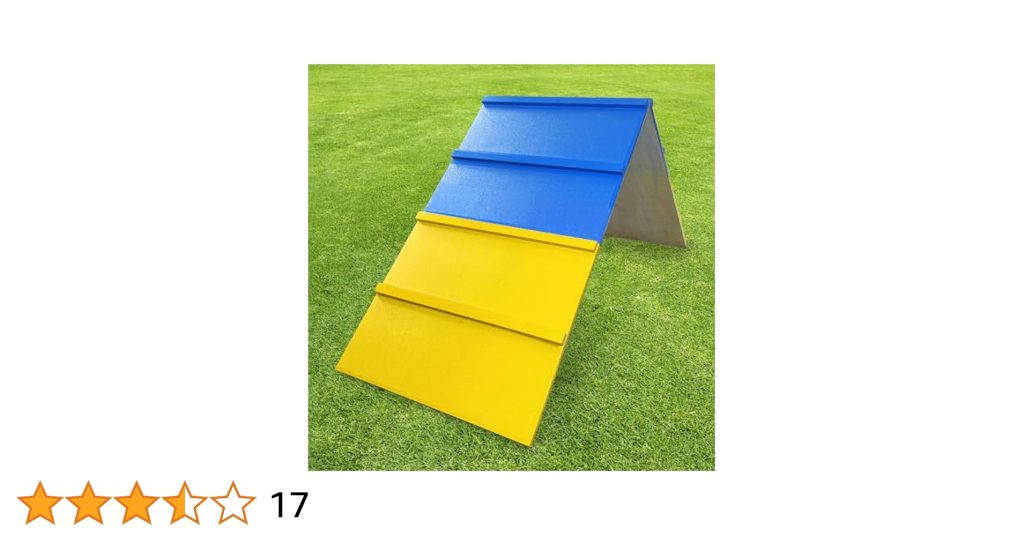
If you want to boost your dog’s confidence and keep them active, the A Frame in dog agility is a must-try. This simple yet exciting obstacle challenges your furry friend to climb up and down a steep ramp.
It’s not just fun—it improves balance, strength, and focus. Whether you’re new to agility training or looking to sharpen your dog’s skills, understanding how to use the A Frame effectively will make a big difference. Ready to discover how this obstacle can transform your dog’s agility game?
Keep reading!
What Is A Frame Dog Agility
A Frame Dog Agility is a popular obstacle in dog agility courses that challenges your dog’s balance, coordination, and confidence. It consists of two wide ramps joined at the top, forming an A shape, which your dog must climb up and down smoothly. This obstacle tests not only physical ability but also your dog’s trust in your guidance.
What Does The A Frame Look Like?
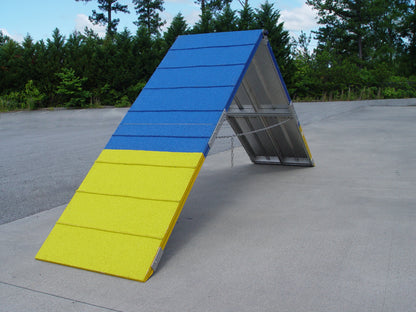
The A Frame is made of two large panels hinged together at the top, creating a steep, triangular shape.
Each panel is usually covered with a non-slip surface to help your dog grip as they climb.
The height and angle can vary but are designed to be challenging yet safe for dogs of all sizes.
How Does Your Dog Navigate The A Frame?
Your dog starts at the bottom of one ramp, climbs to the peak, and then descends the other side.
Dogs need to touch the contact zones at the bottom of each side to avoid penalties in competitions.
This exercise demands focus and balance, as your dog must adjust their stride and speed while moving up and down.
Why Is The A Frame Important In Agility Training?
- Builds confidence:Successfully climbing and descending the A Frame helps dogs overcome fear of heights or steep surfaces.
- Improves coordination:The incline forces dogs to use different muscles and adjust their body posture.
- Enhances teamwork:Your guidance is crucial, so it strengthens the bond between you and your dog.
After training my own dog on the A Frame, I noticed a big boost in her self-assurance and trust during other agility tasks.
What Should You Watch For When Training Your Dog On The A Frame?
Start slow and use positive reinforcement to encourage your dog.
Watch for signs of hesitation or fear, and never force your dog to climb if they seem uncomfortable.
Safety is key—ensure the surface is secure and avoid training when your dog is tired or distracted.
Benefits Of A Frame Training
Training your dog on the A Frame offers many benefits beyond just agility skills. It helps build confidence and physical strength. Dogs learn to navigate steep climbs and descents safely. The A Frame also improves coordination and balance, which are essential for agility courses.
This training encourages trust between you and your dog. It also provides mental stimulation, keeping your dog engaged and happy. Regular A Frame practice helps reduce fear of heights or new obstacles. The challenge is fun and rewarding for both dogs and handlers.
Improves Physical Fitness And Strength
The A Frame requires dogs to use multiple muscle groups. Climbing up builds leg strength and endurance. Descending carefully develops control and balance. This exercise supports overall physical health and agility.
Builds Confidence And Reduces Fear
Facing the height of the A Frame helps dogs overcome fear. They learn to trust their own abilities and your guidance. Confidence gained here transfers to other agility obstacles and daily life.
Enhances Coordination And Balance
Dogs must coordinate paws and body to climb the A Frame. This training sharpens their motor skills. Improved balance helps dogs move more smoothly and avoid injuries.
Strengthens Bond Between Dog And Handler
Working together on the A Frame builds trust. Clear commands and encouragement create better communication. This teamwork deepens the connection and makes training more effective.
Provides Mental Stimulation And Focus
Learning how to climb and descend the A Frame keeps dogs mentally alert. It requires focus and problem-solving skills. This mental workout helps prevent boredom and destructive behaviors.
Choosing The Right A Frame Equipment
Choosing the right A Frame equipment is essential for a fun and safe dog agility experience. The A Frame must fit your dog’s size and skill level. It should also be made from materials that last and provide good grip. Safety is the top priority to prevent injuries during training or competitions.
Material Options
Most A Frames use wood or aluminum for the frame. Wood offers a natural feel and good traction. Aluminum is lightweight and resists weather damage. The surface should have a non-slip coating or special strips. This helps dogs climb and descend without slipping. Avoid smooth or shiny surfaces that can cause falls.
Size And Height Considerations
The size of the A Frame depends on your dog’s height and skill. Taller dogs need a higher A Frame to challenge their agility. Smaller dogs require lower heights to avoid strain. Standard competition A Frames are usually 5 to 6 feet tall. Beginners or small breeds should use smaller frames for safety.
Safety Features
- Non-slip surfaces for secure footing
- Rounded edges to prevent cuts or scrapes
- Sturdy construction to avoid wobbling
- Proper angle to reduce joint stress
- Easy assembly and stable base
Safety features reduce accidents and keep your dog confident. Check the equipment regularly for wear and damage. A reliable A Frame helps your dog enjoy training with less risk.
Step-by-step Training Guide
Training your dog to confidently run the A Frame obstacle takes patience and clear steps. This guide breaks down the process into simple parts. Each part helps your dog understand and enjoy the challenge. Follow along to build skill and trust in your dog’s agility journey.
Introducing Your Dog To The A Frame
Start by letting your dog see the A Frame up close. Allow sniffing and gentle exploration without pressure. Use treats and praise to create a positive feeling. Walk around the base with your dog, encouraging calm behavior. Keep sessions short and fun to maintain interest.
Building Confidence And Motivation
Encourage your dog to climb partway up the A Frame. Use a leash for safety and gentle guidance. Reward every small step with treats or toys. Repeat this often to build your dog’s comfort. Celebrate progress to keep your dog eager to try more.
Practicing Proper Climbing Technique
Teach your dog to place paws carefully on the surface. Show the correct path by guiding with your voice or hand signals. Practice going up and down slowly at first. Avoid rushing to prevent fear or mistakes. Use a clear release command to mark success.
Improving Speed And Accuracy
Gradually increase the climbing speed while maintaining control. Use timed runs to make training exciting. Focus on smooth, steady movements rather than rushing. Reward precise foot placement and steady balance. Track improvements to celebrate your dog’s growing agility skills.
Common Challenges And Fixes
Training your dog on the A Frame can be rewarding, but it often comes with a few hurdles. Understanding common challenges helps you prepare and respond effectively. Here are some typical issues you might face and practical solutions to keep your dog confident and safe on this agility obstacle.
Fear Of Heights
Many dogs hesitate or freeze when they see the height of the A Frame. This fear can slow down your training progress and cause stress for your dog.
Start by encouraging your dog to explore the obstacle at ground level. Place treats or toys on the lower part of the frame to build positive associations. Gradually increase the height as your dog becomes more comfortable.
Using a leash for gentle guidance helps your dog feel secure without forcing them. Have you noticed if your dog reacts more calmly when you stay close or when you give verbal encouragement from a distance?
Slipping Issues
Slipping is a safety risk and can make your dog hesitant to climb the frame. The surface of the A Frame might be too smooth or worn out.
Adding textured grip tape or rubber mats can provide better traction. Regularly check the surface for wear and replace or repair it as needed.
Encourage your dog by rewarding steady, confident steps rather than speed. Have you tried using different types of footwear or paw protection to improve grip?
Lack Of Focus
Distractions around the training area can easily divert your dog’s attention from the task. This makes completing the A Frame challenging and slows learning.
Train in a quiet, controlled environment at first. Gradually introduce distractions as your dog improves to build focus under pressure.
Use short, frequent training sessions to keep your dog engaged without causing frustration. What cues or rewards seem to keep your dog’s attention the longest during training?
Credit: www.dogagilityusa.com
Advanced Techniques For Competition
Mastering the A Frame in dog agility competitions requires more than basic skills. To stand out, you need advanced techniques that enhance speed, precision, and flow. These skills push both you and your dog to perform seamlessly under pressure.
Increasing Pace
Speed on the A Frame is crucial but must be balanced with control. Encourage your dog to trust their footing by practicing short bursts of quick climbs and descents. Use a target or toy at the top to motivate faster movement.
Try timing your runs and gradually challenge your dog to beat previous records. Have you noticed how a slight change in your voice tone can boost your dog’s enthusiasm? Experiment with cues to find what speeds up your dog’s pace without sacrificing accuracy.
Combining With Other Obstacles
The A Frame rarely stands alone in a course. Connecting it smoothly with tunnels, jumps, or weave poles can make or break your run. Practice sequences that start or end on the A Frame to build fluid transitions.
Focus on your dog’s line of sight and body positioning to avoid hesitation. For instance, after your dog finishes the A Frame, guide them with clear signals toward the next obstacle to keep momentum. Could your timing on these transitions be sharper?
Handling Tight Turns
Tight turns near or on the A Frame challenge your dog’s agility and your handling skills. Work on precise leash or verbal commands to steer your dog quickly without losing balance. Teaching your dog to pivot efficiently on the A Frame’s slope can save valuable seconds.
Practice drills that require sharp directional changes right after the A Frame descent. Notice how your dog responds to your body language during these moments—are you clear enough? Small tweaks in your positioning can make tight turns smoother and faster.
Maintaining Your A Frame
Maintaining your A Frame ensures safety and prolongs its life. Regular care keeps it strong and reliable for your dog’s agility training. Simple steps help avoid damage and accidents. Consistent upkeep makes every training session smooth and fun.
Regular Inspection
Check the A Frame for loose screws or bolts. Look for cracks or splinters on the wood. Make sure the surface grip is intact and not worn out. Tighten any loose parts immediately. Inspect the hinges and joints for rust or weakness.
Cleaning Tips
Wipe down the A Frame after each use. Use a mild soap and water to remove dirt. Avoid harsh chemicals that can damage the surface. Dry the frame completely to prevent mold and mildew. Clean grip areas gently to keep traction strong.
Storage Advice
Store the A Frame in a dry, shaded area. Avoid direct sunlight to prevent fading and warping. Keep it off the ground to stop moisture damage. Use a cover to protect it from dust and rain. Store parts separately if the frame is foldable.

Credit: www.amazon.com

Credit: www.nayloragility.co.uk
Frequently Asked Questions
What Is A Frame In Dog Agility?
The A Frame is a key obstacle in dog agility. It consists of two ramps forming an “A” shape. Dogs must ascend one side and descend the other. This obstacle tests a dog’s speed and balance. It is essential for developing a dog’s confidence and agility skills.
How High Is The A Frame For Dogs?
The height of the A Frame varies based on competition regulations. Typically, it ranges from 5 to 6. 5 feet. The height ensures a challenging yet safe obstacle for dogs. Adjustments can be made for different dog sizes and skill levels.
Why Is A Frame Important In Dog Training?
The A Frame is crucial for building a dog’s agility and confidence. It helps improve coordination and physical strength. Training on the A Frame prepares dogs for competitive agility courses. It also enhances the bond between the dog and handler through effective communication.
How Do You Train A Dog On A Frame?
Start with positive reinforcement and gradual exposure. Use treats and praise to encourage your dog. Begin with a lowered frame and increase height as confidence grows. Consistent practice and patience are key. Always ensure your dog’s safety during training sessions.
Conclusion
A Frame Dog Agility helps dogs stay active and healthy. It builds their confidence and strengthens their muscles. Training on the A Frame improves balance and coordination. Dogs enjoy the challenge and feel proud when they succeed. This agility obstacle is great for fun and exercise.
Try adding the A Frame to your dog’s routine. It creates a strong bond between you and your dog. Keep sessions short and positive for best results. Watch your dog grow stronger and happier every day.

Emily Barker is the founder of ChillDogLife.com, a space dedicated to helping pup parents discover the best dog products, lifestyle tips, and cozy ideas for happier homes.
A lifelong dog lover, Emily combines her passion for pets with a knack for research to share trusted recommendations on everything from toys and furniture to health and everyday care.
Her goal is simple: to make life easier, stylish, and more joyful for dogs and the people who love them.




