
Your dog’s toys are more than just playthings—they’re a key part of their happiness and health. But have you ever stopped to think about how clean those toys really are?
Dirty toys can hide germs and bacteria that might make your furry friend sick. If you want to keep your dog safe and their toys fresh, learning how to clean dog toys properly is essential. You’ll discover simple, effective ways to clean every type of toy, so your pup can enjoy playtime without any risks.
Keep reading to find out how easy it is to protect your best friend with just a few cleaning tips!
Importance Of Cleaning Dog Toys
Cleaning dog toys is essential for your pet’s health. Dirty toys can hold bacteria, dirt, and germs. These can cause infections or illnesses in your dog. Regular cleaning keeps toys safe and fresh. It also helps maintain your dog’s interest in playing.
Dogs chew and lick their toys often. This spreads saliva and food particles on the toys. Over time, these build up and create a breeding ground for germs. Cleaning stops this buildup and protects your dog from harm.
Prevents Bacterial And Fungal Growth
Dog toys can easily collect bacteria and fungi. These microbes thrive in moist and dirty conditions. Cleaning removes these harmful organisms. This lowers the risk of infections and skin problems for your dog.
Maintains Toy Durability
Regular cleaning extends the life of dog toys. Dirt and grime can wear down the material. Clean toys last longer and stay safe for chewing. This saves money and reduces waste.
Improves Dog’s Health And Comfort
Clean toys reduce bad odors and dirt on your dog’s mouth. This keeps your dog comfortable and happy. Healthy toys support better hygiene and overall well-being.
Encourages Better Playtime
Dogs prefer clean toys that smell fresh. Dirty toys can turn dogs away from play. Clean toys keep your dog engaged and active. Playtime becomes more enjoyable and safe.
Types Of Dog Toys
Dog toys come in many shapes and materials, each requiring different cleaning methods. Knowing the types of toys your dog plays with helps you keep them safe and hygienic. Let’s look at the main categories of dog toys and what makes them unique.
Soft Plush Toys
Plush toys are often your dog’s cuddle buddies. They are made of fabric and stuffed with soft material, which can trap dirt, saliva, and bacteria easily. Washing these regularly is important, but you should check if they have any squeakers or electronic parts before cleaning.
Machine-washing on a gentle cycle usually works well. If you’ve ever found your dog’s favorite plush toy smelling funky, you know the value of a thorough clean.
Rubber And Plastic Toys
These toys are durable and great for chewing. They don’t absorb moisture like plush toys, but they can still harbor germs in cracks and grooves. Cleaning them with hot, soapy water or even putting them in the dishwasher can help.
Have you noticed how your dog’s rubber ball changes color or texture over time? That’s a sign it’s time for a deep clean or replacement to avoid health risks.
Rope Toys
Rope toys are fantastic for tugging and chewing, but they soak up saliva and can trap dirt between the fibers. They can also be a breeding ground for bacteria if left unwashed. You can hand wash rope toys with warm water and mild detergent, then air dry completely.
If your dog loves a particular rope toy, cleaning it regularly will keep playtime safe and fun.
Interactive Toys
These are designed to challenge your dog mentally and physically. They often combine materials like plastic, rubber, and fabric. Because they have moving parts or compartments, cleaning can be tricky but essential to prevent mold and bacteria buildup.
Try disassembling the toy if possible and clean each part thoroughly. Have you ever missed a hidden nook where dirt gathers? Taking time to clean interactive toys properly keeps your dog engaged and healthy.
Signs It’s Time To Clean
Knowing when to clean dog toys helps keep your pet healthy and happy. Dirty toys can carry germs and bacteria that cause illness. Regular cleaning prevents bad smells and keeps toys looking new. Watch for clear signs your dog’s toys need a wash. Early cleaning avoids bigger problems later.
Visible Dirt And Grime
Check for mud, saliva, or food stuck on the toy’s surface. Toys used outdoors often gather dirt quickly. If you see dust or stains, it’s time to clean. A dirty toy can spread germs to your dog’s mouth.
Unpleasant Odor
Smell the toy closely. A strong, bad smell means bacteria growth. Toys with a foul odor should be cleaned immediately. This keeps your dog’s toys fresh and safe to chew.
Sticky Or Slimy Texture
If the toy feels sticky or slimy, it holds bacteria. These textures show that dirt and saliva build up. Clean toys regularly to avoid this uncomfortable feeling for your dog.
Visible Wear And Tear
Look for cracks, tears, or loose parts on the toy. Damaged toys can trap dirt inside. They may also break easily and harm your dog. Cleaning helps spot damage early and keeps toys safe.
After Illness Or Outdoor Play
Clean toys after your dog is sick to kill germs. Also, wash toys used during outdoor play. This removes dirt and harmful bacteria your dog might bring home.
Gathering Cleaning Supplies
Before you start cleaning your dog’s toys, having the right supplies on hand makes the process smoother and more effective. Choosing the right products ensures that your pet’s toys are not only clean but also safe to use. Let’s look at the essential items you should gather for this task.
Non-toxic Detergents
Opt for detergents that are free from harsh chemicals and fragrances. Your dog’s toys come into contact with their mouth, so using a gentle, non-toxic detergent protects them from harmful residues.
Look for labels that mention “pet-safe” or “biodegradable.” If you’re unsure, simple dish soap without additives often works well and rinses off easily.
Brushes And Sponges
A good brush or sponge helps remove dirt and grime stuck in toy crevices. Choose soft-bristle brushes for delicate toys and firmer ones for tougher materials like rubber.
Using a sponge with a textured side can also reach spots that are hard to scrub with your hands. Do you have old toothbrushes lying around? They’re perfect for cleaning small, detailed areas.
Disinfectants And Sanitizers
To kill germs and bacteria, you need a safe disinfectant suitable for pet items. Avoid products with bleach or strong chemicals that could irritate your dog’s skin or stomach.
Natural options like vinegar diluted with water can disinfect without harsh effects. You might also find pet-specific sanitizers at pet stores that balance effectiveness and safety.
Cleaning Methods For Different Toys
Different types of dog toys require different cleaning approaches to keep them safe and hygienic for your furry friend. Understanding the right method for each toy type saves you time and protects the toy’s material. Let’s break down the best cleaning techniques based on what your dog loves to chew or cuddle with.
Machine Washing Plush Toys
Plush toys are often the softest and most cuddly, but they can easily trap dirt and germs. Most plush toys can go into the washing machine, but check for any squeakers or electronic parts first. Use a gentle cycle with cold water and a mild detergent to avoid damaging the fabric.
Put the plush toys in a pillowcase or laundry bag to prevent tearing during the wash. After washing, air-dry them completely before giving them back to your dog. Have you noticed your dog prefers a specific plush toy? Keeping it fresh might extend its life and your dog’s affection for it.
Hand Washing Rubber And Plastic
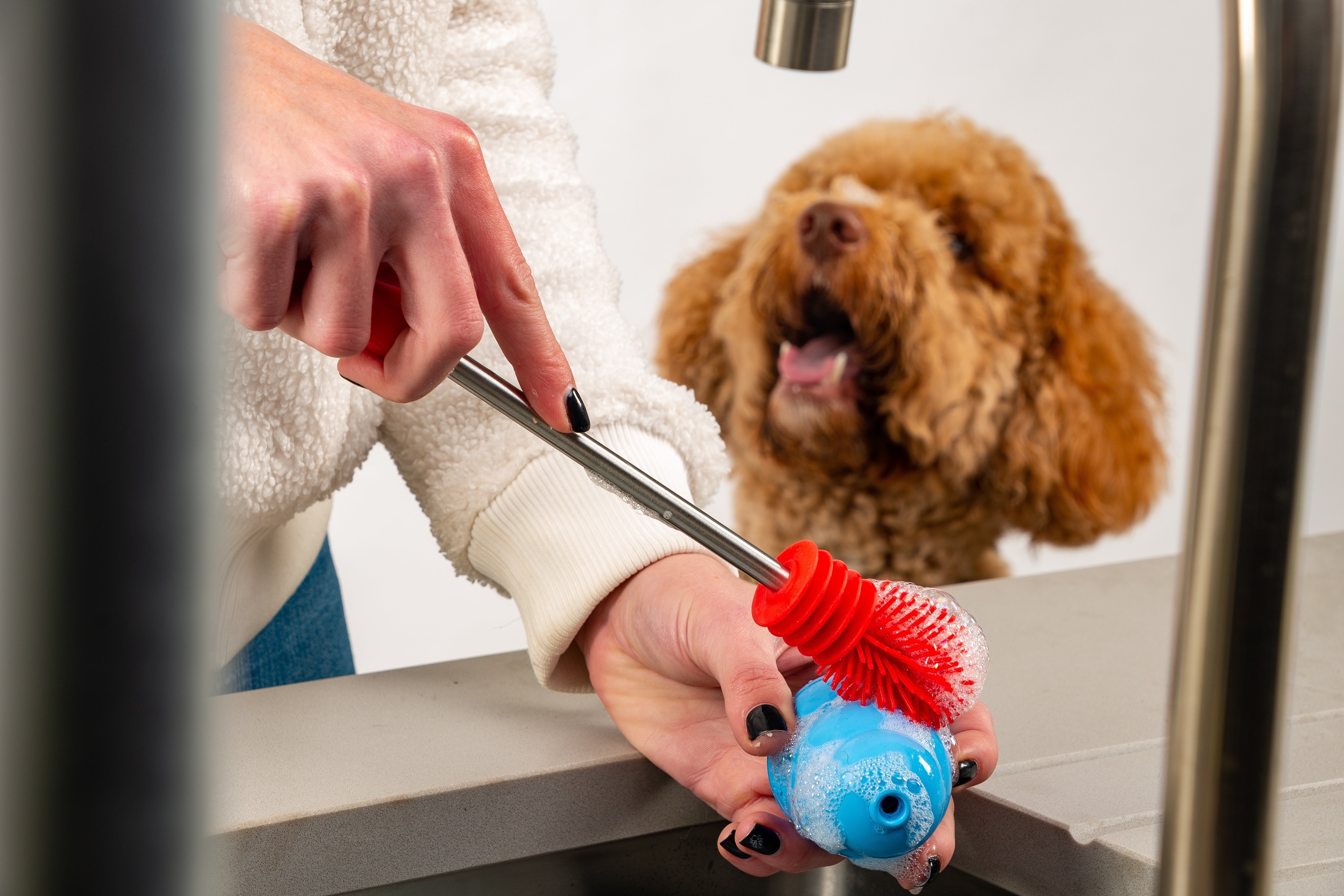
Rubber and plastic toys are durable but can develop a slimy coating or harbor bacteria in small crevices. Hand washing these toys allows you to scrub away grime effectively. Use warm water, a bit of dish soap, and a brush to clean every nook.
Rinse thoroughly to remove all soap residue, which can irritate your dog’s mouth. If your dog tends to chew these toys outside, you might want to clean them more frequently. Does your dog prefer a particular texture? Rubber toys often need more frequent cleaning than plastic ones.
Sanitizing Rope Toys
Rope toys can trap dirt and saliva deep inside their fibers, making them a hotspot for bacteria. To sanitize, soak them in a solution of equal parts white vinegar and water for about 30 minutes. Vinegar kills many germs without harsh chemicals.
After soaking, rinse the rope toys well and let them air dry completely in the sun if possible. Sunlight also helps reduce bacteria naturally. If your dog loves tug-of-war, keeping these toys clean ensures you both stay healthy during playtime.
Cleaning Electronic And Interactive Toys
Electronic and interactive toys need extra care to avoid water damage. Start by wiping the surface with a damp cloth and mild soap, avoiding openings or battery compartments. Use cotton swabs to reach small crevices without soaking the electronics.
Remove batteries before cleaning and make sure everything is dry before putting them back together. Have you ever had an electronic toy stop working after cleaning? Taking these precautions can save you from that frustration and keep your dog entertained safely.

Credit: www.amazon.com
Drying And Maintenance Tips
Proper drying and maintenance of your dog’s toys play a crucial role in keeping them safe and long-lasting. After cleaning, how you dry the toys can affect their durability and hygiene. Plus, regular upkeep prevents buildup of dirt and germs that could harm your pet.
Air Drying Vs. Machine Drying
Air drying is gentle and helps preserve the shape and texture of your dog’s toys, especially those made of rubber or fabric. Placing toys in a well-ventilated area or under sunlight ensures they dry thoroughly without damage.
Machine drying might seem faster but can cause wear or shrinkage. If you decide to use a dryer, opt for a low heat setting and check the toy’s label first. Have you noticed any changes in your dog’s toys after machine drying them?
Regular Maintenance Practices
Maintaining your dog’s toys regularly can save you from tough cleaning sessions later. Wiping toys with a damp cloth after each use removes saliva and dirt that accumulate quickly.
Inspect toys weekly for cracks, tears, or loose parts. Damaged toys can be a choking hazard, so replace them promptly. Keeping a rotation of toys also gives each one time to dry and rest, reducing bacterial buildup.
Preventing Future Contamination
Keeping your dog’s toys clean is only half the battle. Preventing future contamination ensures those toys stay safe and enjoyable for your furry friend over time. By setting up smart storage and sticking to a cleaning routine, you reduce bacteria buildup and keep your dog healthier.
Storage Solutions
Where you keep your dog’s toys can make a big difference. Avoid leaving them scattered on the floor, especially in damp or dusty areas. Instead, use a dedicated bin or basket that’s easy to clean and ventilated.
Plastic containers with lids work well because they keep dirt and pests out. Mesh bags or open bins allow airflow, preventing mold and mildew. Think about spots away from your dog’s food and water bowls to avoid cross-contamination.
Ask yourself: Are your current storage spots helping or harming your dog’s toy hygiene?
Regular Cleaning Schedule
Consistency is key when it comes to toy cleanliness. Set a weekly or biweekly cleaning schedule based on how often your dog plays with the toys. More play means more dirt, so adjust accordingly.
Use this schedule as a reminder to wash toys with pet-safe cleaners or simple solutions like diluted vinegar. Don’t forget to check for damage during each cleaning—broken toys can harbor germs and pose choking risks.
Keeping this routine can save you headaches and vet visits. What’s stopping you from making this a habit starting today?
Credit: www.nofussfill.com

Credit: anji888.en.made-in-china.com
Frequently Asked Questions
How Often Should I Clean My Dog’s Toys?
Clean your dog’s toys weekly to remove dirt and bacteria. Frequent cleaning prevents germs and keeps toys safe and fresh for play.
What Is The Best Way To Clean Rubber Dog Toys?
Use warm water and mild soap to clean rubber toys. Scrub gently, rinse well, and air dry to avoid damage.
Can I Wash Dog Toys In The Dishwasher?
Yes, dishwasher-safe dog toys can be cleaned on the top rack. Use a gentle cycle without detergent for best results.
Are Homemade Cleaning Solutions Safe For Dog Toys?
Homemade solutions with vinegar and water are safe and effective. Avoid harsh chemicals that can harm your dog or damage toys.
Conclusion
Cleaning dog toys keeps your pet healthy and happy. Regular washing removes dirt and germs easily. Use safe cleaning methods to protect your dog's toys. Dry toys completely before giving them back. Clean toys often to prevent bad smells and bacteria.
A clean toy lasts longer and stays fun. Simple steps can make a big difference daily. Keep your dog’s playtime safe and fresh always.

Emily Barker is the founder of ChillDogLife.com, a space dedicated to helping pup parents discover the best dog products, lifestyle tips, and cozy ideas for happier homes.
A lifelong dog lover, Emily combines her passion for pets with a knack for research to share trusted recommendations on everything from toys and furniture to health and everyday care.
Her goal is simple: to make life easier, stylish, and more joyful for dogs and the people who love them.




