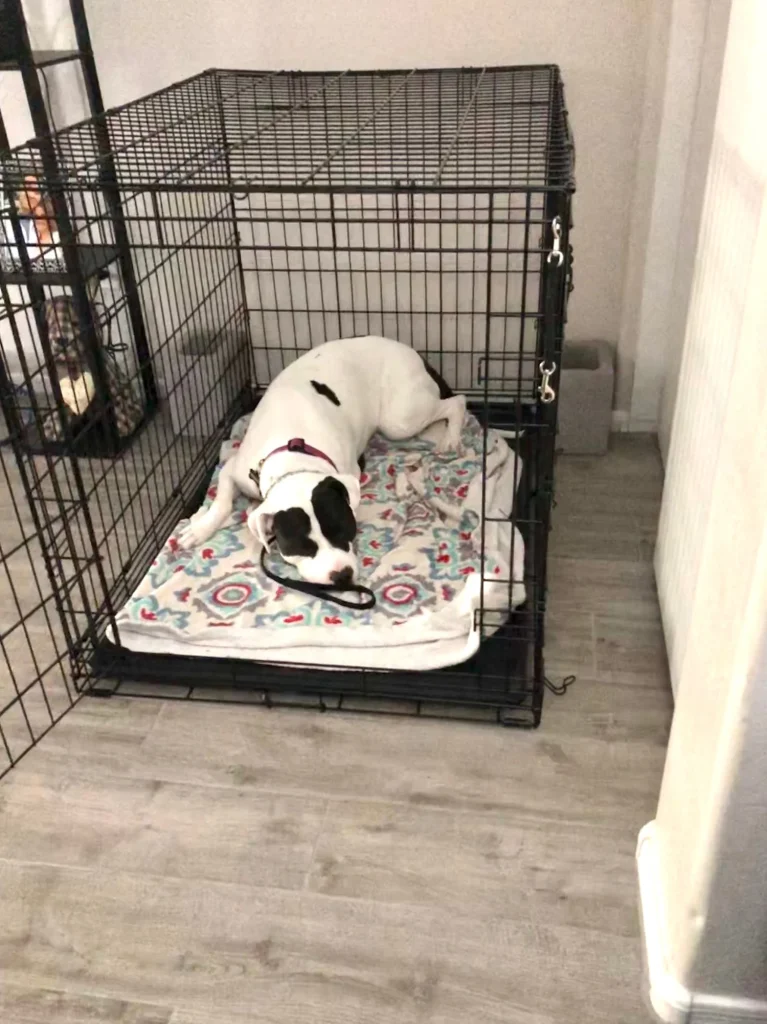
Are you wondering how long you should crate your dog without causing stress or discomfort? Finding the right balance is key to keeping your furry friend happy and safe.
Too little time in the crate might not provide the security they need, while too much can lead to anxiety or restlessness. You’ll discover practical tips and expert advice to help you determine the perfect crate time for your dog’s age, breed, and lifestyle.
Keep reading to learn how to make crate time a positive experience for both you and your dog.

Credit: www.care.com
Benefits Of Crate Training
Crate training offers many benefits for both dogs and their owners. It helps dogs feel secure and comfortable in a controlled space. The crate acts as a personal den, which satisfies a dog’s natural instinct to have a safe place. This training also supports good behavior and eases daily routines.
Creating A Safe Space
A crate becomes a cozy and secure spot for your dog. It limits exposure to hazards and helps prevent destructive behavior. Dogs often use their crate as a quiet retreat from noise and stress. This safe space gives them a sense of control and calm.
Aiding House Training
Crate training is a powerful tool for teaching bathroom habits. Dogs usually avoid soiling their sleeping area. This instinct helps speed up house training. Using a crate encourages regular bathroom breaks and reduces accidents inside the home.
Reducing Anxiety
Crates provide comfort during stressful situations like travel or loud noises. Being in a familiar space helps lower fear and restlessness. Over time, crate training can ease separation anxiety. It builds confidence by giving dogs a secure place to relax.
Factors Influencing Crate Time
Understanding how long to crate a dog depends on several factors. These factors help ensure your pet’s comfort and well-being. Let’s explore them in detail.
Dog’s Age And Breed
Puppies have small bladders and need frequent breaks. Older dogs can stay in crates longer. Large breeds may require more space. Small breeds might feel cozier in smaller crates. Consider your dog’s age and breed when deciding crate time. It ensures their comfort and health.
Health And Activity Level
Active dogs need more time outside the crate. They require exercise to stay healthy. Health issues may limit crate time. Dogs with illnesses might need frequent care and attention. Always consider your dog’s health and activity needs. It helps maintain their happiness.
Training Goals
Crate training helps with housebreaking and reducing anxiety. Shorter crate times are good for training puppies. Longer periods can help with separation anxiety. Set clear training goals for your dog. Adjust crate time to meet these goals. This ensures effective training and a happier dog.
Recommended Crate Durations
Knowing how long to crate your dog is key to their comfort and well-being. Crate time should match their age, energy, and bathroom needs. Setting the right limits helps prevent anxiety and keeps your dog happy inside their safe space.
Puppies’ Crate Limits
Puppies have tiny bladders and need frequent breaks. A good rule is one hour of crate time per month of age, up to about four hours max during the day. For example, a 3-month-old puppy shouldn’t stay crated more than three hours at once.
Too long in the crate can lead to accidents or stress. Make sure to schedule bathroom breaks and playtime regularly. Have you noticed your puppy whining after a certain time? That’s a sign they’ve hit their crate limit.
Adult Dogs’ Crate Time
Adult dogs generally tolerate longer crate periods since they can hold their bladder better. Most can handle 4 to 6 hours comfortably during the day. However, this depends on your dog’s personality and health.
If your dog shows signs of restlessness or stress, reduce crate time or add breaks. Some dogs prefer shorter stints with more frequent exercise. What has worked best for your adult dog’s crate schedule?
Adjusting For Senior Dogs
Senior dogs often need more frequent bathroom breaks and gentle care. Their crate time should be shorter, around 2 to 4 hours, especially if they have arthritis or cognitive decline. Comfort and accessibility inside the crate become essential.
Observe your older dog’s behavior closely. If they seem uncomfortable or confused, try easing crate duration and increasing companionship. Could adjusting crate time improve your senior dog’s quality of life?

Credit: pupford.com
Signs Of Crate Stress
Dogs can feel stressed when kept in a crate too long. Recognizing signs of crate stress helps keep your dog happy and healthy. Stress can show in behavior and physical health. Early detection prevents bigger problems.
Behavioral Indicators
- Excessive barking or whining
- Trying to escape or scratch the crate
- Restlessness or pacing inside the crate
- Refusal to enter the crate
- Destructive behavior around the crate area
- Loss of appetite after crate time
- Increased anxiety or fearfulness
Physical Symptoms
- Panting or drooling more than usual
- Trembling or shaking
- Yawning or lip licking often
- Frequent urination or accidents inside
- Visible signs of injury from scratching
- Lethargy or lack of energy
- Changes in coat condition or skin irritation
Tips For Safe Crate Use
Using a crate safely helps your dog feel secure and happy. It is important to use the crate the right way. This keeps your dog calm and prevents stress or injury. Follow these tips to make crate time a positive experience.
Gradual Crate Introduction
Start by letting your dog explore the crate freely. Leave the door open so they can enter and exit. Offer treats inside to create a positive feeling. Increase the time your dog stays inside slowly. Never force your dog into the crate. Be patient and calm to build trust.
Providing Comfort And Entertainment
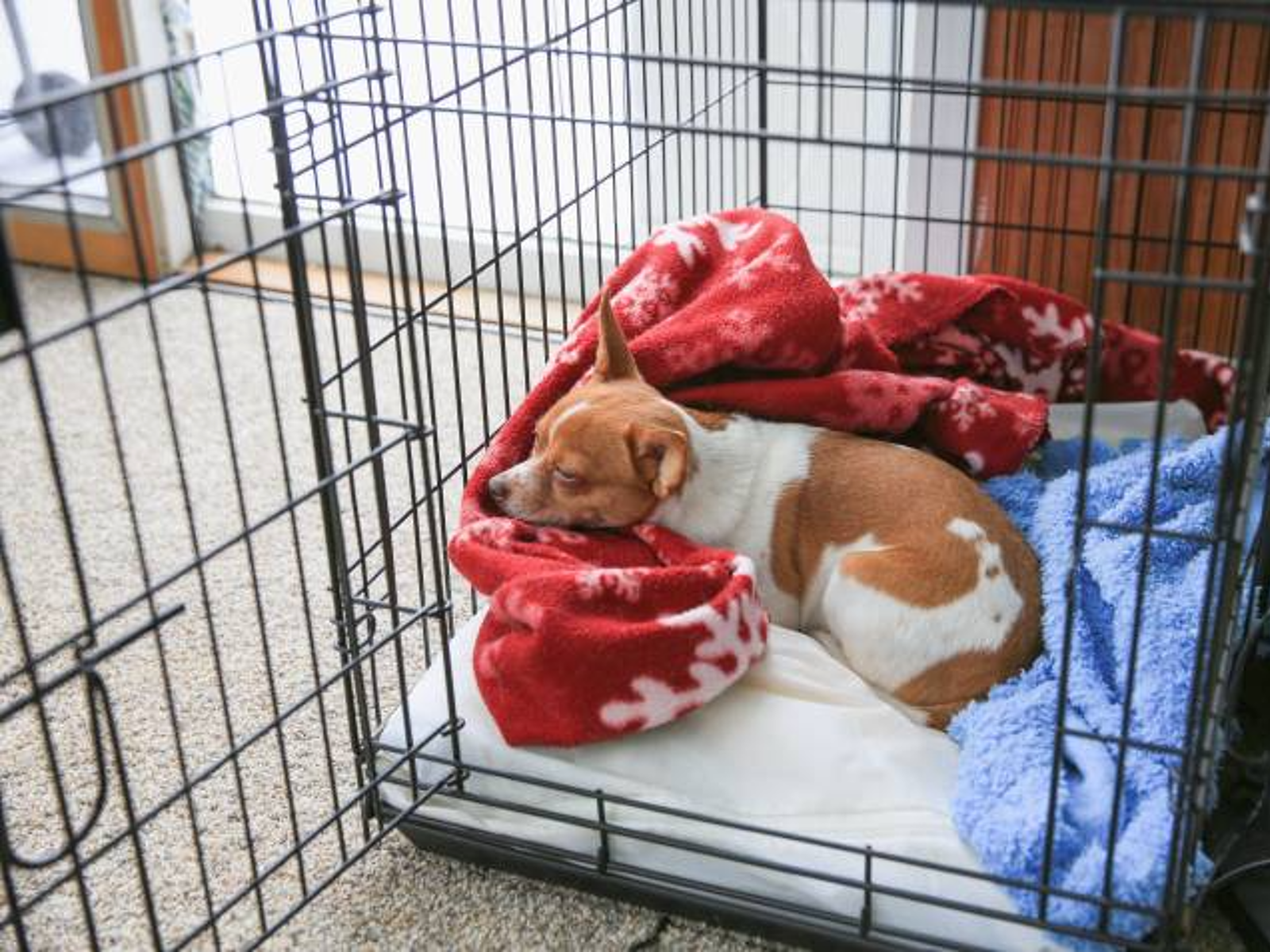
Add a soft blanket or dog bed inside the crate. This makes the space cozy and inviting. Include favorite toys or chew items to keep your dog busy. Avoid items that can break or cause choking. Keep the crate clean and dry for comfort.
Scheduling Regular Breaks
Do not leave your dog in the crate too long. Puppies need breaks every 1-2 hours. Adult dogs can stay longer but not over 4 hours. Take your dog outside for bathroom and exercise often. Use breaks to play and bond. This helps prevent anxiety and discomfort.
Credit: www.airtasker.com
Alternatives To Extended Crate Time
Keeping your dog in a crate for long periods can be stressful for both of you. It’s important to find other ways to keep your dog safe, happy, and engaged without relying too much on extended crate time. There are several alternatives that provide comfort and mental stimulation while protecting your home and your dog’s well-being.
Exercise And Playtime
Regular exercise is key to reducing your dog’s need for long crate sessions. A tired dog is less likely to feel anxious or bored when left alone. Try short walks, fetch games, or even hide-and-seek to burn off energy.
Think about your dog’s breed and energy level. High-energy dogs may need more playtime than others. Can you set aside at least 30 minutes daily for active play? This simple habit can make crate time easier and shorter.
Safe Indoor Spaces
Instead of confining your dog to a crate, create a safe indoor area where they can roam freely without getting into trouble. Use baby gates or pet playpens to section off a comfortable part of your home. Add toys, water, and a cozy bed to make it inviting.
This setup gives your dog more freedom while keeping them secure. Have you noticed how dogs relax more when they have space to move around? It’s a gentle way to reduce stress during your absence.
Professional Dog Care Options
If you need to be away for long hours, consider professional help. Doggy daycare centers offer socialization and supervision, keeping your dog active and entertained. Dog walkers can break up the day with a mid-afternoon stroll.
These services can be a game-changer, especially for busy owners. Have you tried hiring a dog walker or enrolling your dog in daycare? It could be the relief both you and your dog need from extended crate time.
Frequently Asked Questions
How Long Can A Dog Stay In A Crate Safely?
Dogs should not be crated for more than 4-6 hours during the day. Puppies need shorter periods of 1-2 hours. Overnight crating up to 8 hours is acceptable for adult dogs. Long crating can cause stress and health issues.
What Factors Affect Crate Time For Dogs?
Age, breed, health, and training level influence crate duration. Puppies require frequent breaks for potty and play. Older dogs tolerate longer crating. Active breeds need more exercise outside the crate. Adjust crate time based on your dog’s needs.
Can Crating Too Long Harm A Dog’s Health?
Yes, extended crating can cause anxiety, muscle loss, and urinary issues. Dogs need regular exercise and social interaction. Limit crate time to prevent physical and mental problems. Always provide water and comfort inside the crate.
How To Gradually Increase Crate Time For Dogs?
Start with short sessions of 10-15 minutes and reward calm behavior. Slowly add 5-10 minutes daily as your dog adjusts. Use positive reinforcement and avoid forcing. Monitor your dog’s stress signs and comfort level throughout training.
Conclusion
Crating a dog helps with training and safety. Keep crate time short for puppies and adult dogs. Avoid leaving your dog in the crate for many hours. Watch your dog’s behavior for signs of stress or discomfort. Use the crate as a positive space, not a punishment.
Proper crate use builds trust and good habits. Remember, every dog is different and needs care. Patience and consistency make crate training successful. Your dog will feel safe and happy with the right routine.

Emily Barker is the founder of ChillDogLife.com, a space dedicated to helping pup parents discover the best dog products, lifestyle tips, and cozy ideas for happier homes.
A lifelong dog lover, Emily combines her passion for pets with a knack for research to share trusted recommendations on everything from toys and furniture to health and everyday care.
Her goal is simple: to make life easier, stylish, and more joyful for dogs and the people who love them.




