
Have you ever wondered if your dog’s behavior will change after neutering? You’re not alone.
Many pet owners worry about what to expect once their furry friend undergoes this common procedure. Will your playful pup become calmer? Or could there be unexpected changes that catch you off guard? Understanding how neutering affects your dog’s behavior can help you prepare and strengthen the bond you share.
Keep reading to discover the real impact neutering can have on your dog’s personality and what it means for you both moving forward.
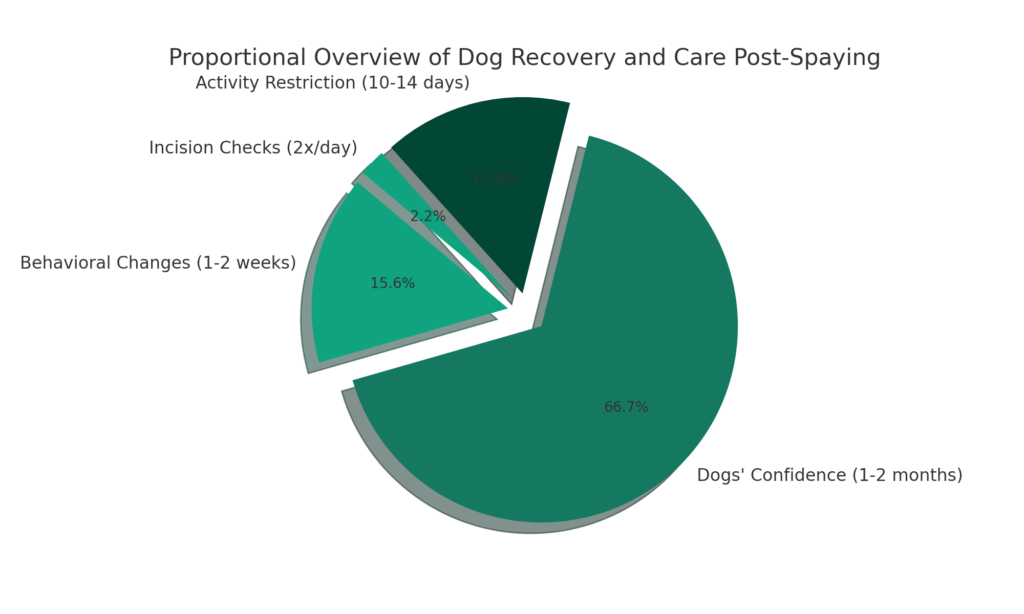
Credit: www.dwdogtraining.com
Behavioral Changes After Neutering
Neutering is a common procedure for dogs. Many owners wonder how it affects their dog’s behavior. This topic is important for those deciding to neuter their pets.
Behavior may change after neutering, but the effects vary. It depends on the dog’s age, personality, and environment.
Common Myths Vs Reality
Some people think neutering will fix all behavior problems. This is not always true. Neutering can help, but it is not a cure-all.
Myths often say dogs become lazy or lose their personality after neutering. In reality, most dogs stay active and happy.
- Myth: Neutering makes dogs lazy. Reality: Activity level may stay the same.
- Myth: Neutering changes personality completely. Reality: Core personality stays the same.
- Myth: Neutering stops all bad behavior. Reality: Some behaviors may improve, others not.
Immediate Effects
Right after neutering, dogs may feel tired or sore. This is normal and should pass in a few days. Dogs might also be less active during recovery.
Some dogs may show small behavior changes like less marking or roaming right after surgery. These changes usually start slowly.
- Lower energy for 1-3 days
- Less interest in mating behaviors
- Possible mood changes due to discomfort
Long-term Behavior Shifts
Over time, neutering can reduce some behaviors linked to hormones. Aggression and territorial marking often decrease. Dogs may become calmer as well.
Some dogs may gain weight if their activity drops. Owners should watch diet and exercise closely. Training and care still shape behavior after neutering.
- Less aggression and dominance
- Reduced roaming and marking
- Possible weight gain without exercise
- Calmer and more focused behavior

Credit: askavet.com
Aggression And Neutering
Neutering is a common procedure to prevent dogs from reproducing. Many owners wonder if it changes their dog's behavior. Aggression is one concern that often comes up.
This article looks at how neutering affects aggression, territory guarding, and social behavior in dogs.
Impact On Male Aggression
Neutering can lower some types of male aggression. It reduces testosterone, which often drives aggressive acts. Some dogs become less hostile to other dogs and people.
- Reduced dominance aggression
- Less fighting with other males
- Lower chances of biting or snarling
- Calmer behavior in stressful situations
Changes In Territorial Behavior
Neutering may affect how dogs protect their space. Some dogs show less need to guard their home or yard. They may bark less at strangers or passing animals.
| Behavior | Before Neutering | After Neutering |
| Barking at strangers | Often | Sometimes |
| Marking territory | Frequent | Reduced |
| Defending yard | High | Moderate |
Effect On Social Interactions
Neutered dogs may behave differently with other dogs and people. They often become more relaxed and friendly. This change can help with training and socializing.
Key social changes include:
- Less aggression in play
- More tolerance of other dogs
- Calmer around new people
- Improved response to training
Activity Levels And Energy
Neutering can change a dog's behavior and energy. Many owners notice shifts in how active their pets are after the surgery. These changes affect daily routines and exercise needs.
Understanding these shifts helps owners keep their dogs healthy and happy. Activity levels may drop, but every dog reacts differently.
Calmness Vs Hyperactivity
After neutering, many dogs show more calm behavior. They tend to be less restless and more relaxed. This is because hormone levels drop, which affects energy.
- Some dogs become quieter and less likely to jump or run wildly.
- Others may still have bursts of energy and playfulness.
- Changes depend on age, breed, and personality.
- Neutered dogs usually show less aggression and roaming urges.
Exercise Needs Post-neutering
Neutering often lowers a dog’s need for exercise. Owners should adjust activity to keep dogs fit but avoid weight gain. Regular exercise is still important.
| Activity Type | Before Neutering | After Neutering |
| Daily Walks | 30-60 minutes | 20-45 minutes |
| Playtime | High energy games often | Moderate energy games |
| Training Sessions | Long and frequent | Shorter and focused |
| Rest | Less frequent | More frequent |
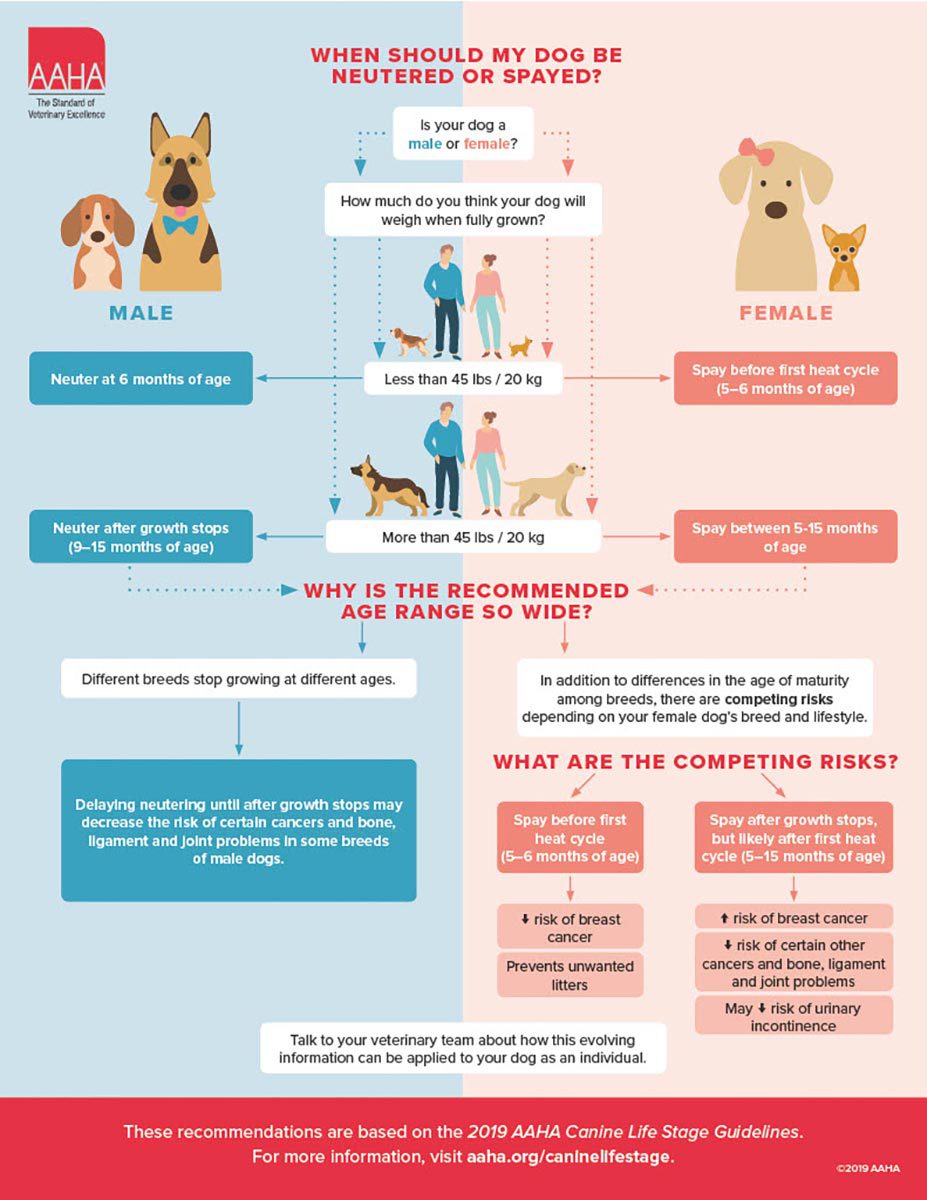
Credit: southeastoakvillevet.ca
Training And Obedience
Neutering can affect a dog’s behavior in ways that influence training and obedience. Understanding these changes helps owners guide their pets better.
Some dogs show shifts in focus and energy after neutering. These shifts can make training easier or sometimes more challenging.
Improvement In Focus
Neutered dogs often become calmer and less distracted. This calmness can help them pay more attention during training sessions.
- Reduced roaming leads to better recall training
- Less aggression improves social obedience
- Lower hormonal drive aids impulse control
- Improved patience helps learning new commands
Challenges After Neutering
Some dogs may face new challenges after neutering. These can affect how well they respond to training.
| Challenge | Effect on Training | Tips for Owners |
| Weight Gain | Less active, harder to exercise | Adjust diet and increase playtime |
| Temporary Mood Swings | Short-term irritability or anxiety | Use gentle, consistent commands |
| Lower Energy | Reduced motivation for tasks | Keep training sessions short and fun |
Health Benefits Influencing Behavior
Neutering dogs can change how they act. These changes often come from health benefits.
Understanding these health effects helps explain behavior shifts after neutering.
Reduced Risk Of Certain Diseases
Neutering lowers chances of some serious diseases in dogs. This can make dogs feel better.
Dogs that are healthy often show calmer and more stable behavior.
- Lower risk of testicular cancer
- Reduced chance of prostate problems
- Less likely to get certain infections
Hormonal Changes And Mood
Neutering changes hormone levels in dogs. This affects their mood and behavior.
Lower hormone levels can reduce aggression and roaming habits.
- Less marking of territory
- Reduced aggressive behavior
- Calmer and more relaxed mood
Factors Affecting Behavior Changes
Neutering can change a dog's behavior. These changes depend on several factors. Understanding them helps pet owners prepare for adjustments.
Some dogs become calmer after neutering. Others may show little change. The factors below explain why reactions vary.
Age At Neutering
The age when a dog is neutered affects behavior changes. Younger dogs may adapt more quickly. They often show more noticeable changes.
Older dogs might take longer to adjust. Their behavior patterns are more established. Neutering at a younger age can lead to a smoother transition.
Breed Differences
Different breeds react differently to neutering. Some breeds are naturally more energetic. Neutering might calm them down.
Other breeds may not show much change. Knowing your dog’s breed helps predict possible behavior shifts.
- Terriers may remain active but less aggressive
- Labradors might become more focused
- Herding breeds could show reduced roaming
Individual Personality
Each dog has a unique personality. This individuality influences how they react to neutering. Some dogs are naturally more adaptable.
Others may need more time to adjust. Observing your dog’s behavior before neutering helps anticipate changes.
Owner Expectations And Care
After neutering, you might notice changes in your dog’s behavior. These changes can vary, but knowing what to expect can help.
Understanding these behavior shifts and providing proper care is crucial. Your role as an owner is to be prepared and supportive.
Preparing For Behavior Shifts
Dogs may become calmer and less aggressive after neutering. These changes are often gradual but can be noticeable.
- Reduced marking behavior indoors
- Lower aggression towards other dogs
- Decreased roaming tendencies
Post-surgery Support Tips
Post-surgery care is vital for a smooth recovery. Pay attention to your dog’s needs and comfort during this time.
| Care Tip | Details |
| Rest and Recovery | Ensure your dog has a quiet place to rest. |
| Monitor Incision | Check the incision for signs of infection. |
| Controlled Activity | Limit physical activity for a few days. |
Frequently Asked Questions
Does Neutering Affect A Dog’s Aggression Levels?
Neutering can reduce aggression in many dogs by lowering testosterone. However, behavior changes vary by individual and environment. Training and socialization remain crucial for managing aggression regardless of neutering status.
How Soon Do Dogs’ Behaviors Change After Neutering?
Behavioral changes may appear within weeks but often take several months. Some dogs show immediate calmness; others change gradually. Patience is key during this adjustment period.
Can Neutering Reduce A Dog’s Roaming Tendencies?
Yes, neutering often decreases roaming driven by mating instincts. Neutered dogs usually show less desire to escape or wander, enhancing their safety and your peace of mind.
Does Neutering Impact A Dog’s Activity And Energy?
Neutering may slightly reduce energy levels, making dogs calmer. However, proper exercise and stimulation are essential to maintain a healthy, active lifestyle post-neutering.
Conclusion
Neutering can change a dog’s behavior in many ways. Some dogs become calmer and less aggressive. Others may show less roaming or marking habits. Still, every dog reacts differently to the surgery. Patience and care help your dog adjust after neutering.
Watch your dog’s mood and activity closely. Talk to your vet if you notice big changes. Understanding your dog’s new behavior helps you give better care. Neutering often improves health and behavior in the long run. Your dog’s happiness matters most.

Emily Barker is the founder of ChillDogLife.com, a space dedicated to helping pup parents discover the best dog products, lifestyle tips, and cozy ideas for happier homes.
A lifelong dog lover, Emily combines her passion for pets with a knack for research to share trusted recommendations on everything from toys and furniture to health and everyday care.
Her goal is simple: to make life easier, stylish, and more joyful for dogs and the people who love them.




