Are you struggling to understand why your dog acts out or behaves in ways that frustrate you? You’re not alone.
Many dog owners face challenges like barking, aggression, or anxiety that seem hard to fix. But what if there was a way to change those behaviors and bring peace back to your home? Dog behavior modification programs are designed to help you do just that.
They offer practical, proven methods tailored to your dog’s needs, so you can enjoy a happier, healthier relationship with your furry friend. Keep reading to discover how these programs can transform your dog’s behavior—and your life.
Credit: www.allstagecaninedevelopment.com
Common Dog Behavior Issues
Dogs can show behaviors that worry their owners. These behaviors often come from stress or confusion.
Understanding common issues helps in managing and improving your dog’s actions.
Aggression And Fear
Aggression and fear can cause dogs to act out. Fear might make a dog growl or snap.
Common causes include poor socialization or past trauma. Calm, consistent training helps reduce these behaviors.
Separation Anxiety
Separation anxiety happens when dogs feel stressed being alone. They might bark, whine, or destroy items.
- Signs include pacing and drooling
- Leaving toys helps comfort dogs
- Short absences can build tolerance
- Professional help may be needed
Excessive Barking
Barking is normal but too much can be a problem. Dogs bark to alert, seek attention, or express boredom.
| Cause | Solution |
| Alert barking | Teach quiet commands |
| Attention seeking | Ignore and reward quiet |
| Boredom | Provide toys and exercise |
Destructive Chewing
Chewing is natural but can damage things. Puppies chew to explore and relieve teething pain.
Tips to reduce destructive chewing:
- Provide chew toys
- Keep valuables out of reach
- Use taste deterrents on furniture
- Give enough exercise and attention
Assessing Your Dog’s Behavior
Understanding your dog’s behavior is the first step in helping them improve. Careful assessment helps you know what causes problems.
Watching your dog closely lets you see patterns. This knowledge guides you in making better choices for training.
Identifying Triggers
Triggers are things that make your dog act up. These can be sounds, places, or people your dog fears or dislikes.
Knowing these triggers helps you avoid or manage them during training. It also helps your dog feel safer.
- Strange noises like thunder or fireworks
- Other animals or certain people
- New environments or crowded places
- Specific objects or situations
Observing Body Language
Your dog shows feelings through body language. Watching their posture and movements tells you how they feel.
Signs like tail position, ear movement, and eye contact show if your dog is happy, scared, or stressed.
- Tail wagging means excitement or friendliness
- Tucked tail shows fear or anxiety
- Raised hackles mean alert or aggression
- Avoiding eye contact can show stress
Consulting Professionals
Sometimes you need help from experts to understand your dog better. Trainers and vets can give advice and support.
These professionals use tests and experience to find the best ways to help your dog behave well.
- Certified dog trainers teach proper behavior
- Veterinarians check for health issues
- Behaviorists analyze complex problems
- Professional help speeds up progress
Setting Realistic Goals
Changing a dog’s behavior takes time and patience. Setting clear and realistic goals helps both you and your dog succeed.
It is important to understand what can be achieved quickly and what needs more time. This approach keeps training positive and effective.
Short-term Vs Long-term Goals
Short-term goals focus on small, easy changes. These build confidence and create good habits in your dog.
Long-term goals aim for lasting behavior changes. These take more time and steady work to reach.
- Short-term: Stop jumping on guests
- Short-term: Respond to name call
- Long-term: Walk calmly on a leash
- Long-term: Overcome fear of strangers
Measurable Progress
Tracking progress helps see what works and what needs change. Use clear signs to measure your dog’s behavior.
Examples include counting how often a behavior happens or noting how long your dog can stay calm.
- Count how many times the dog obeys a command
- Note how long the dog stays in a calm state
- Record any improvements or setbacks
Adjusting Expectations
Dogs learn at different speeds. Sometimes progress is slower than expected. Adjust your goals to fit your dog’s pace.
Being flexible helps reduce frustration and keeps training positive. Celebrate small wins along the way.
- Lower goals if progress slows
- Give more time for difficult tasks
- Stay patient and consistent
Credit: taketheleadk9training.com
Positive Reinforcement Techniques
Positive reinforcement helps change dog behavior in a gentle way. It rewards good actions to encourage them more.
This approach builds trust between dogs and owners. It uses rewards like treats and praise to teach new habits.
Reward-based Training
Reward-based training focuses on giving dogs a reward after they do something right. This makes dogs want to repeat the good behavior.
Rewards can be treats, toys, or kind words. This method helps dogs learn quickly without fear or stress.
Timing And Consistency
Giving rewards at the right time is very important. Dogs must connect the reward with the action they just did.
Consistency means using the same commands and rewards every time. This helps dogs understand what you want from them.
- Reward immediately after the good behavior
- Use the same command words each time
- Practice regularly to reinforce learning
Using Treats And Praise
Treats are a powerful way to motivate dogs. Choose small, tasty treats that dogs love and can eat quickly.
Praise with a happy voice and petting also encourages dogs. It shows them they did something good without food.
- Use treats to reward new or hard behaviors
- Praise often to build a strong bond
- Reduce treats gradually as dogs learn
Behavioral Conditioning Methods
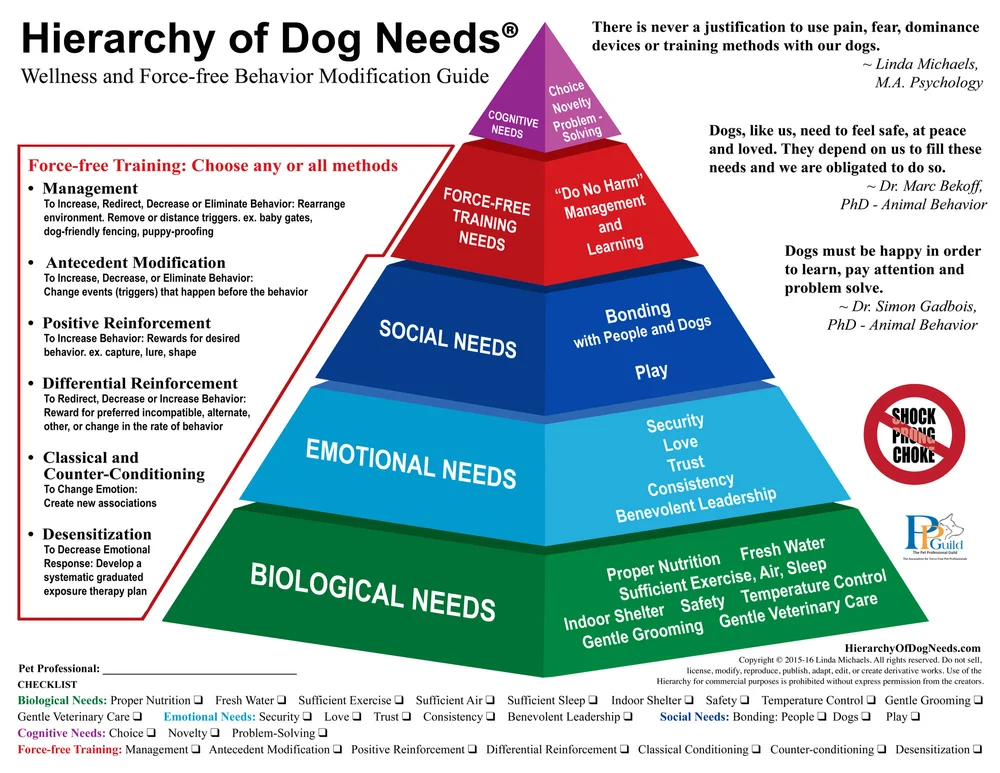
Behavioral conditioning helps dogs learn new habits and reduce fears. Trainers use specific methods to change a dog’s response to different situations.
These methods focus on teaching dogs through controlled experiences and rewards. They aim to improve behavior in a positive way.
Desensitization
Desensitization reduces a dog’s fear by slowly exposing it to a trigger. The exposure starts at a low level that does not cause stress.
Over time, the trigger’s intensity increases as the dog stays calm. This helps the dog get used to the trigger without reacting badly.
Counter-conditioning
Counter-conditioning changes a dog’s emotional response to a trigger. It pairs the trigger with something positive, like treats or play.
- Identify the trigger that causes the unwanted behavior
- Introduce the trigger at a low level
- Give the dog a treat or reward immediately
- Repeat the process until the dog reacts calmly
- Gradually increase the trigger’s intensity
Clicker Training
Clicker training uses a sound to mark good behavior. The click is followed by a reward like a treat or praise.
| Step | Action |
| 1 | Make the click sound when the dog does the right thing |
| 2 | Give a treat immediately after the click |
| 3 | Repeat until the dog associates the click with a reward |
| 4 | Use the click to guide the dog’s learning |
Creating A Structured Routine
Establishing a structured routine is vital for modifying dog behavior. It provides consistency and helps your dog feel secure. Let’s explore the key elements to create a balanced schedule for your furry friend.
A well-structured routine includes exercise, feeding, and consistent commands. These elements help in building a healthy environment for your dog to thrive.
Daily Exercise And Play
Exercise and play are crucial for your dog’s physical and mental health. Regular activity reduces stress and prevents unwanted behaviors.
- Morning walks to start the day actively
- Interactive play sessions with toys
- Evening strolls to wind down
Feeding Schedules
A consistent feeding schedule is important for your dog’s well-being. It helps regulate their digestion and energy levels.
| Meal | Time |
| Breakfast | 7:00 AM |
| Lunch | 12:00 PM |
| Dinner | 6:00 PM |
Consistent Commands
Using consistent commands helps your dog understand what is expected. It builds trust and improves communication between you and your dog.
Managing And Preventing Relapses
Dog behavior modification programs can help manage and prevent relapses. Understanding the process is key to success.
By keeping a close watch on changes, you can ensure long-term improvement in your dog’s behavior.
Monitoring Behavior Changes
Observing your dog’s behavior is important. Pay attention to any signs of old habits returning.
- Note any changes in daily routines
- Track frequency of unwanted behaviors
- Record new triggers that may arise
Maintaining Training
Consistent training helps reinforce good habits. Practice regularly to keep behaviors on track.
| Training Activity | Frequency |
| Sit command | Daily |
| Leash walking | Weekly |
| Recall practice | Twice a week |
Seeking Continued Support
Support is vital for success in behavior modification. Engage with professionals and community resources.
Consider joining local dog training groups or forums online to share experiences and advice.

Credit: www.k9trainingwithbyron.com
When To Seek Professional Help
Dog behavior problems can sometimes be handled at home. Other times, the issues need expert help. Knowing when to get professional support is key to your dog’s well-being.
This guide helps you spot signs of serious problems and shows how to find the right trainer or behaviorist. It also explains common therapeutic options.
Signs Of Severe Issues
Some behaviors need immediate professional help. Watch for these signs in your dog:
- Aggression toward people or other pets
- Repeated self-harm, like biting or scratching
- Extreme fear or anxiety in normal situations
- Destructive behavior that causes injury or damage
- Loss of appetite or sudden changes in sleep
- Uncontrollable barking or howling for long periods
Choosing A Trainer Or Behaviorist
Picking the right professional makes a big difference. Use this table to compare key qualities of trainers and behaviorists.
| Criteria | Trainer | Behaviorist |
|---|---|---|
| Focus | Teaching obedience and commands | Solving deep behavior problems |
| Certification | Often certified in dog training | Usually has a degree or special training |
| Methods | Uses rewards and corrections | Uses behavior science and therapy |
| When to Use | For basic manners and skills | For aggression, fear, or anxiety |
Therapeutic Interventions
Some dogs need therapy to fix behavior problems. This includes training and sometimes medicine. Here are common options:
- Behavioral modification programs
- Desensitization to triggers
- Counter-conditioning to change feelings
- Medication prescribed by a vet
- Regular follow-up sessions
Frequently Asked Questions
What Are Dog Behavior Modification Programs?
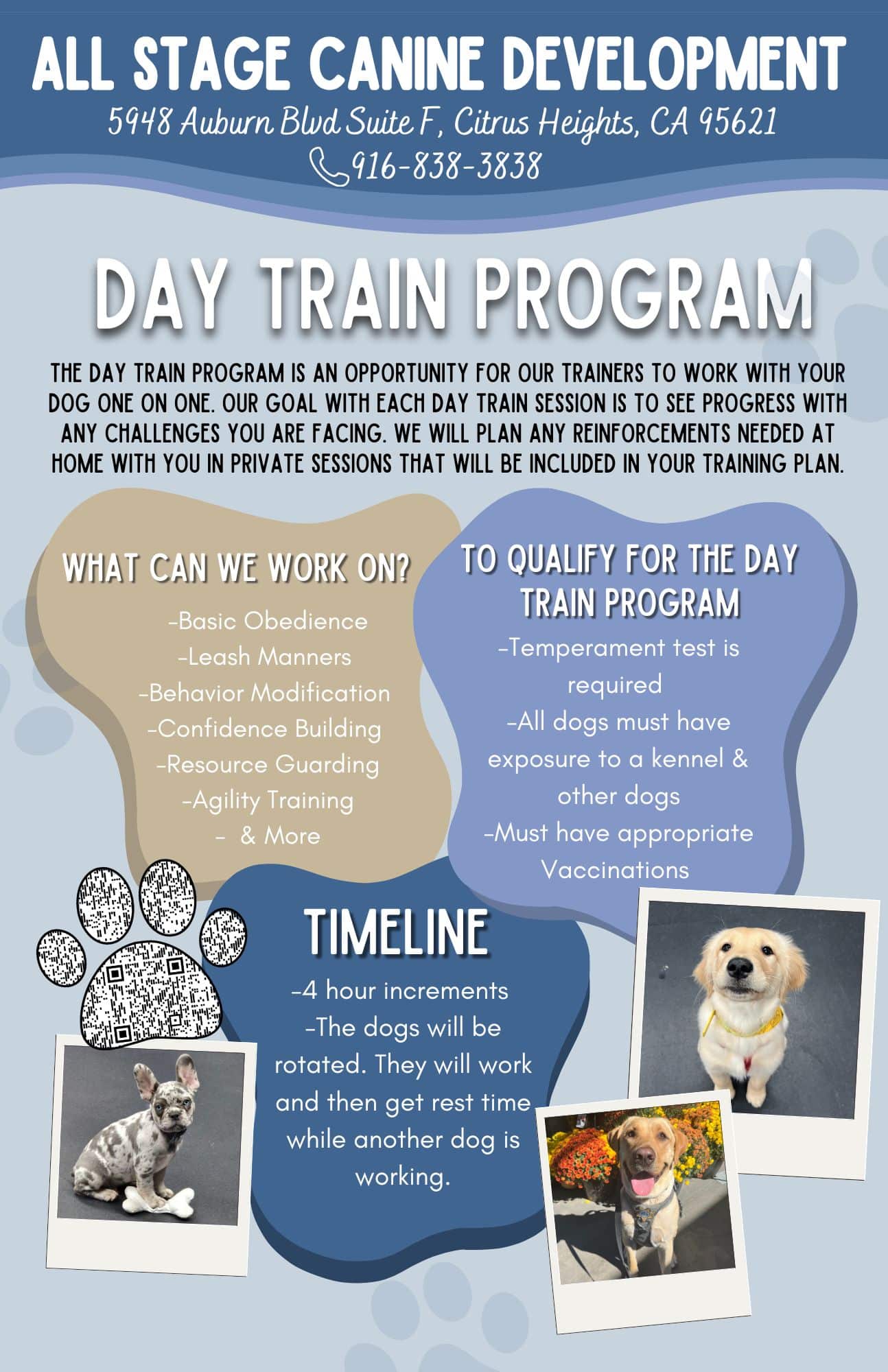
Dog behavior modification programs are structured training plans. They aim to change unwanted behaviors using positive reinforcement and consistency. These programs help improve obedience and social skills in dogs. They are tailored to address specific behavioral issues effectively.
How Long Do Behavior Modification Programs Take?
The duration varies depending on the dog’s issues and consistency. Most programs last from a few weeks to several months. Regular practice and owner commitment speed up progress. Patience and persistence are key to successful behavior change.
Are Behavior Modification Programs Safe For My Dog?
Yes, they are safe when supervised by professionals. These programs use humane, positive training methods. Avoid harsh punishments to prevent stress or aggression. Always consult a certified trainer for the best approach.
Can Behavior Modification Fix Aggressive Behavior?
Yes, with proper assessment and consistent training, aggression can be managed. Programs focus on identifying triggers and teaching alternative responses. Early intervention improves success rates significantly. Professional guidance is crucial for safety and effectiveness.
Conclusion
Dog behavior modification programs help improve your pet’s habits. They teach dogs to listen and follow rules better. Consistency and patience make the process work well. Small steps lead to big changes over time. Every dog learns at its own pace.
Good behavior builds a stronger bond with your dog. These programs create a happier, safer home for all. Remember, kindness and care guide the best results. Trust the process, and enjoy your well-behaved friend.

Emily Barker is the founder of ChillDogLife.com, a space dedicated to helping pup parents discover the best dog products, lifestyle tips, and cozy ideas for happier homes.
A lifelong dog lover, Emily combines her passion for pets with a knack for research to share trusted recommendations on everything from toys and furniture to health and everyday care.
Her goal is simple: to make life easier, stylish, and more joyful for dogs and the people who love them.




