Are you noticing changes in your dog and wondering if she might be pregnant? Understanding pregnant dog behavior can help you care for her better during this special time.
Your furry friend will go through physical and emotional shifts that can be confusing if you’re not prepared. You’ll discover the key signs to watch for and learn how to support your dog’s needs from early pregnancy to the arrival of her puppies.
Keep reading to become the best caregiver your dog deserves.
Early Signs Of Pregnancy
Knowing the early signs of pregnancy in your dog helps you care for her better. Pregnant dogs show changes in their body and behavior.
These signs usually appear within the first few weeks after mating. Watch your dog closely to spot these early clues.
Changes In Appetite
Your dog’s eating habits may change soon after she becomes pregnant. Some dogs eat less, while others want more food than usual.
It is normal for pregnant dogs to have a smaller appetite at first. Later, their hunger will often increase as the puppies grow.
Behavioral Shifts
Pregnant dogs often act differently. They may seem more tired or want to be alone.
Some dogs become more affectionate and calm. Others may hide or avoid playtime and walks.
- Rest more than usual
- Seek extra attention or stay distant
- Show less interest in toys or exercise
Physical Symptoms
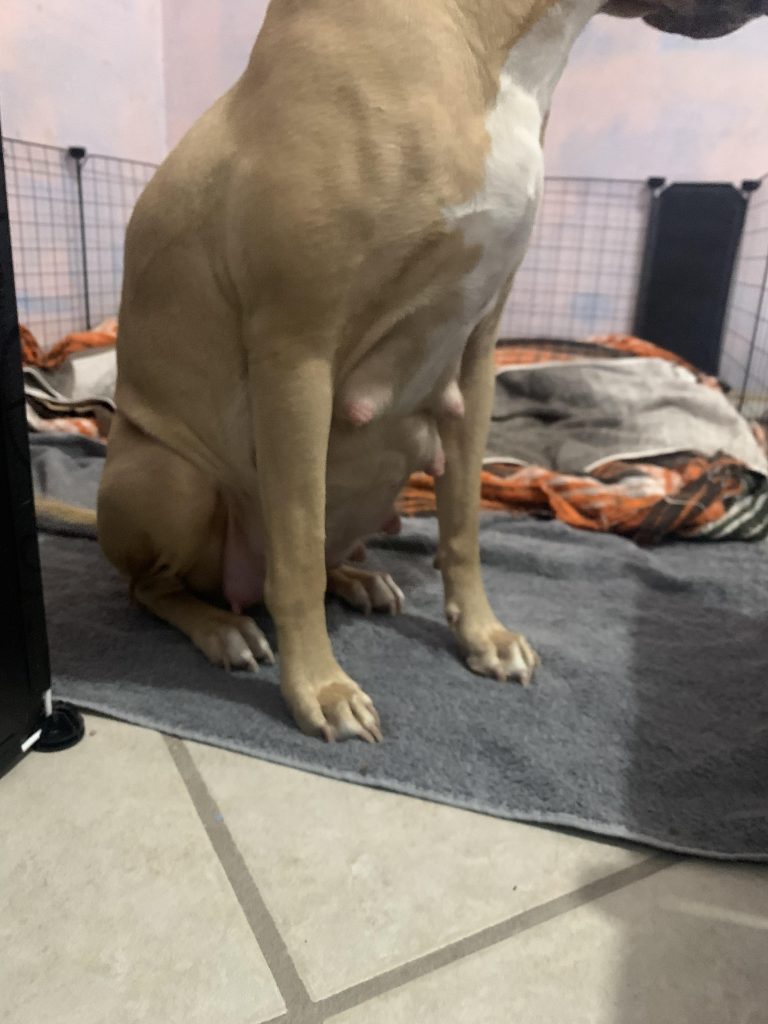
Physical changes in your dog’s body can show early pregnancy. You might notice swelling in her belly and nipples.
Other signs include mild weight gain and slight morning sickness, like vomiting or nausea.
- Swollen or pink nipples
- Soft, enlarged belly
- Mild vomiting or nausea
- Increased body temperature
Mid-pregnancy Changes
As a dog’s pregnancy progresses, there are noticeable changes. These changes help prepare her for the arrival of her puppies.
Understanding these changes is important for any dog owner. It ensures the health and comfort of the pregnant dog.
Growing Belly And Weight Gain
During mid-pregnancy, a dog’s belly will start to grow. This is due to the developing puppies inside.
Nesting Instincts
Pregnant dogs often show nesting instincts. They may look for a safe place to give birth.
- Gathering soft materials
- Searching for quiet spots
- Digging in bedding
Energy Level Fluctuations
Energy levels can change during pregnancy. Some dogs become less active, while others remain energetic.
| Activity Level | Description |
| Low | Prefers to rest more |
| Moderate | Normal play and exercise |
| High | Very active and playful |
Late Pregnancy Signals
Pregnant dogs show clear signs in the last days before birth. These signals help owners know when puppies are coming soon.
Watching your dog’s behavior can prepare you for the delivery. Learn what to expect and how to spot important changes.
Restlessness And Panting
Near the end of pregnancy, your dog may become restless. She might pace, change positions often, or seem unable to settle.
Heavy panting is also common. This happens because her body works harder to prepare for labor. Panting helps her cool down.
- Pacing or walking in circles
- Frequent changes in lying position
- Heavy, rapid breathing or panting
Milk Production
Your dog’s mammary glands may swell and start producing milk. This usually happens a few days before delivery.
Milk may leak or drip from her nipples. This is a clear sign that puppies will arrive soon.
- Swollen mammary glands
- Visible milk drops
- Soft, warm nipples
Seeking Comfort
Pregnant dogs often look for a quiet and safe place. They want comfort before labor starts.
Your dog may nest by scratching or arranging bedding. She might also stay close to you or hide in a quiet corner.
- Searching for a safe spot
- Scratching or digging at bedding
- Hiding or staying near a trusted person
Credit: bulverdeanimalhospital.com
Diet And Nutrition
Pregnant dogs need special care in their diet. Proper nutrition helps both the mother and her puppies grow strong and healthy.
Feeding the right food at the right time supports the pregnancy and prepares the dog for motherhood.
Balanced Feeding
Choose high-quality dog food with the right balance of protein, fat, and carbohydrates. Pregnant dogs need more calories but avoid overfeeding.
- Increase food amounts gradually during pregnancy
- Feed smaller, frequent meals to ease digestion
- Include foods rich in protein for muscle growth
- Ensure food contains essential vitamins and minerals
Supplements To Consider
Supplements can help cover nutritional gaps. Consult a vet before adding any to the diet.
| Supplement | Benefit | Notes |
| Folic Acid | Supports fetal development | Use as advised by vet |
| Calcium | Strengthens bones | Important in late pregnancy |
| Omega-3 Fatty Acids | Improves brain growth | Found in fish oil |
Hydration Needs
Water is vital for pregnant dogs. It helps with digestion and keeps the body cool.
Tips for Hydration:
- Keep fresh water always available
- Check water bowls several times a day
- Offer water after meals and exercise
- Use clean bowls to prevent germs
Exercise And Activity
Pregnant dogs need gentle exercise to stay healthy. Activity helps keep muscles strong and reduces stress.
It is important to adjust the exercise routine as the pregnancy progresses. Careful attention keeps the dog safe and comfortable.
Safe Exercise Tips
Choose calm and steady activities for your pregnant dog. Avoid rough play or sudden movements.
- Walk on soft surfaces like grass or dirt paths
- Keep walks short and frequent
- Watch for signs of tiredness or discomfort
- Provide fresh water before and after exercise
- Keep your dog on a leash to prevent sudden running
Avoiding Overexertion
Too much exercise can harm a pregnant dog. Rest is just as important as activity.
| Signs of Overexertion | What to Do |
| Heavy panting or drooling | Stop exercise and offer water |
| Lagging behind on walks | Shorten the walk or rest often |
| Unsteady walking or limping | Contact a vet immediately |
| Excessive tiredness after activity | Reduce exercise time next day |
Credit: timespets.com
Veterinary Care
Taking care of a pregnant dog needs special attention. Veterinary care helps keep both mother and puppies healthy.
Regular visits to the vet ensure the pregnancy is going well. The vet can spot any problems early.
Regular Checkups
Regular checkups help track the health of the pregnant dog. The vet checks weight, temperature, and overall condition.
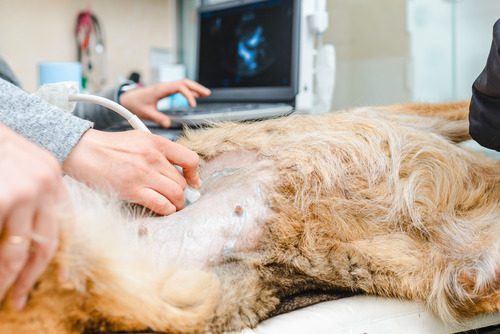
Ultrasound or X-rays may be done to see the puppies’ growth. These tests give important information about the pregnancy.
Vaccinations And Medications
Some vaccinations are safe and needed during pregnancy. The vet decides which shots are important to protect the mother and puppies.
Medications should only be given if the vet approves. Certain drugs can harm the puppies and must be avoided.
- Only use vet-approved medicines
- Keep vaccinations up to date
- Discuss any supplements with the vet
Preparing For Delivery
The vet will give advice on how to prepare for the dog’s delivery. This includes creating a safe, quiet place for birth.
Know the signs of labor and when to call the vet. Early help can prevent problems during delivery.
- Set up a clean whelping area
- Keep emergency numbers handy
- Watch for labor signs like restlessness
Creating A Comfortable Space
Pregnant dogs need a calm and cozy space. A safe area helps them feel secure.
Preparing this space involves careful planning. Consider their comfort and well-being.
Nesting Area Setup
Set up a quiet corner for your dog. Use soft bedding for comfort.
The area should be away from noise and heavy foot traffic. This ensures peace.
- Use washable bedding for easy cleaning
- Ensure the space is big enough for her to stretch
- Place water and food nearby
Temperature And Lighting
Keep the room at a comfortable temperature. Avoid cold drafts and extreme heat.
Soft lighting is ideal. Bright lights can disturb her rest.
- Use a small lamp for gentle lighting
- Check temperature regularly with a thermometer
Minimizing Stress
Keep the environment calm to reduce stress. Avoid loud noises and sudden changes.
Familiar objects can help. A favorite toy or blanket adds comfort.
- Maintain a regular feeding schedule
- Spend quiet time with her daily
- Avoid introducing new pets during this time
Recognizing Labor Signs
Knowing when your pregnant dog is about to give birth is very important. Recognizing labor signs helps you prepare and keep her safe.
Dogs show different signs before labor starts. Watch her behavior and body closely to know what is coming.
Behavioral Changes
Your dog may act restless or anxious before labor. She might pace, dig, or try to find a quiet place.
She could also become clingy or want more attention. Some dogs refuse food or become very tired.
- Pacing and restlessness
- Digging or nesting behavior
- Seeking quiet, hidden spots
- Changes in appetite
- Increased clinginess or tiredness
Physical Indicators
Physical signs tell you labor is near. Watch for a drop in body temperature below 100°F (37.8°C).
Your dog may have clear discharge from her vulva. She might also pant heavily or shiver even without cold.
- Body temperature drops below 100°F (37.8°C)
- Clear vaginal discharge
- Heavy panting or shivering
- Uterine contractions or abdominal tightening
When To Contact A Vet
Call your vet if labor lasts too long or if your dog seems in pain. Also contact the vet if no puppies come after many hours of contractions.
Seek help if your dog has heavy bleeding, fever, or unusual discharge. Early vet care can save the mother and puppies.
- Labor lasts over 24 hours without puppies
- Strong contractions for more than 2 hours without progress
- Heavy vaginal bleeding
- Fever or weakness in the dog
- Unusual or foul-smelling discharge
Credit: curify.botscrew.com
Frequently Asked Questions
What Are Common Signs Of A Pregnant Dog’s Behavior?
Pregnant dogs often show nesting behavior, increased affection, and reduced activity. They may also eat less or become more protective. These changes help prepare for their puppies’ arrival and indicate their pregnancy stage.
How Does Pregnancy Affect A Dog’s Mood?
Pregnant dogs can become moodier, showing irritability or clinginess. Hormonal changes cause emotional shifts, so expect varying behavior. Providing a calm environment helps reduce stress and supports their emotional health.
When Do Pregnant Dogs Start Nesting?
Nesting behavior typically begins in the last two weeks of pregnancy. Dogs prepare a safe, comfortable space for birth by gathering blankets or digging. This instinctive act signals that delivery is near.
How Can I Comfort My Pregnant Dog?
Offer a quiet, cozy space and gentle petting to comfort her. Maintain a consistent routine and provide nutritious food. Avoid loud noises and stressful situations to keep her calm and healthy.
Conclusion
Pregnant dogs show many changes in behavior. They may rest more and eat less. They often seek comfort and gentle care. Watch for signs of stress or discomfort. Giving quiet, safe space helps them feel calm. Understanding these behaviors supports a healthy pregnancy.
Caring well makes a big difference for mother and pups. Stay patient and observe closely during this time. Your love and attention matter most now.

Emily Barker is the founder of ChillDogLife.com, a space dedicated to helping pup parents discover the best dog products, lifestyle tips, and cozy ideas for happier homes.
A lifelong dog lover, Emily combines her passion for pets with a knack for research to share trusted recommendations on everything from toys and furniture to health and everyday care.
Her goal is simple: to make life easier, stylish, and more joyful for dogs and the people who love them.




