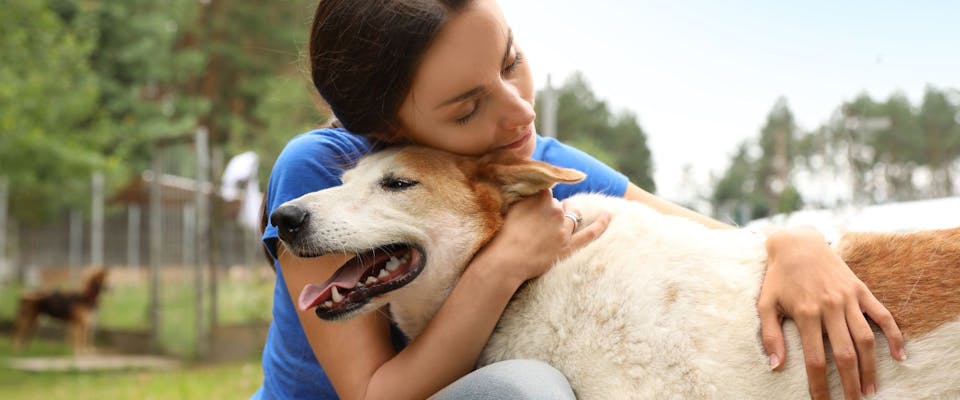
Have you ever thought about rescuing a dog but didn’t know where to start? Taking in a dog in need can change both your life and theirs in amazing ways.
But it’s not always easy—there are important steps you need to follow to make sure your new furry friend feels safe, loved, and cared for. You’ll discover simple, clear guidance on how to rescue a dog the right way. By the end, you’ll feel confident and ready to give a dog the second chance they deserve.
Keep reading—your future best friend is waiting.
Recognize Signs Of Distress
Recognizing signs of distress in a dog is crucial before attempting any rescue. Dogs can’t tell you what they’re feeling, so you need to be alert to their body language and surroundings. Noticing these signals early can make a huge difference in how you approach and help them safely.
Behavioral Indicators
Look for sudden changes in behavior like excessive barking, growling, or retreating. A dog that usually wags its tail but now cowers or freezes might be scared or in pain. You might also see pacing, whining, or attempts to hide. These behaviors signal that the dog feels threatened or uncomfortable.
Physical Symptoms
Check for visible signs like limping, wounds, or heavy panting. Dilated pupils, drooling, or shaking can indicate stress or injury. Sometimes, a dog’s fur might be matted or dirty, which tells you they’ve been neglected or lost for a while. Don’t ignore subtle signs like lethargy or a tucked tail—they matter too.
Environmental Clues
Notice the surroundings carefully. Is the dog stuck in a dangerous place like a busy street or trapped behind a fence? Are there any obvious hazards like broken glass or aggressive animals nearby? The environment can tell you why the dog might be distressed and help you plan the safest way to approach.
Have you ever seen a dog that seemed perfectly fine but suddenly acted out of character? Recognizing these signs early can protect both you and the dog, making the rescue smoother and less stressful.
Approach Safely
Approaching a dog you want to rescue requires a careful balance of caution and calmness. Your behavior in these first moments can either build trust or trigger fear. Understanding how to approach safely helps you connect with the dog while keeping both of you protected.
Assess The Situation
Before moving closer, take a moment to observe the dog’s body language and environment. Is the dog showing signs of aggression, fear, or curiosity? Look for cues like tail position, ear posture, and vocal sounds to gauge its mood.
Ask yourself: Is the dog alone or are there other animals or people nearby? Are there hazards like traffic or aggressive animals that could escalate the situation? Your safety matters just as much as the dog’s.
Use Calm Body Language
Your body speaks louder than words. Keep your posture relaxed and avoid direct eye contact, which some dogs perceive as a threat. Instead, glance softly toward the dog and keep your hands low and visible.
Try to appear smaller by crouching slightly or turning your body sideways. This non-threatening stance can encourage the dog to feel more at ease. Have you noticed how your energy influences a dog’s reaction?
Avoid Sudden Movements
Dogs are highly sensitive to quick or jerky actions, which might startle them. Move slowly and deliberately to avoid raising the dog’s anxiety. If you need to reach out, extend your hand gently with fingers curled.
Patience is key here. Allow the dog to come to you rather than forcing interaction. Have you ever seen how a calm pause can change a dog’s response completely?
Secure The Dog
Securing a dog during a rescue is crucial to ensure both your safety and the dog’s comfort. Dogs in stressful situations can act unpredictably, so having control over their movements helps prevent accidents and builds trust. Your goal is to create a calm environment where the dog feels safe and you can manage them effectively.
Use Proper Restraints
Start with a sturdy leash and a well-fitting collar or harness. Avoid using retractable leashes, as they offer less control and can cause sudden jerks that scare the dog. If the dog seems anxious, a harness distributes pressure more evenly and feels less threatening.
Have treats ready to reward calm behavior while putting on the restraint. This simple act can make the dog associate the leash with something positive. Have you noticed how a gentle touch combined with treats can quickly shift a dog’s mood?
Create A Safe Space
Set up a quiet spot away from loud noises and heavy foot traffic. This space should have a soft blanket or bed and access to fresh water. Even if the dog is nervous, a peaceful corner helps them relax and observe without feeling threatened.
Think about places where the dog can retreat if overwhelmed. A crate or a small enclosed area often works well for this. Your presence nearby reassures the dog, but avoid crowding them—sometimes space is the best comfort.
Prevent Escape
Dogs can bolt suddenly when scared, so secure all exits before approaching. Close doors and windows, and check for gaps in fences or gates. If you’re outdoors, keep the dog on a short leash until you’re certain it won’t run away.
Consider using a muzzle if the dog shows signs of aggression, but only if you know how to fit it correctly without causing more stress. Do you have a plan for what to do if the dog tries to escape despite your precautions? Preparing in advance helps you stay calm and effective.

Credit: www.youtube.com
Check For Injuries
Carefully look over the dog’s body for cuts, swelling, or broken bones. Gently check for signs of pain or difficulty moving. Immediate attention helps prevent worsening injuries.
Checking for injuries in a rescued dog is crucial. Dogs can’t tell us where they hurt. It’s up to us to look. This helps ensure the dog gets the right care. Begin by observing the dog. Look for visible signs of distress. Keep a safe distance. Approach slowly. Speak softly to the dog.Perform A Quick Assessment
Start with a visual check. Look for cuts or bruises. Check if the dog favors a limb. Notice any limping or awkward movement. Listen for unusual sounds when the dog breathes. These signs help identify problems fast.Handle Wounds Carefully
If you see a wound, be gentle. Use a clean cloth to stop bleeding. Apply light pressure. Avoid touching the wound directly. This prevents infection. Use gloves if available. Keep the dog calm.Identify Emergency Conditions
Some injuries need quick action. Notice if the dog has trouble breathing. Look for pale gums or rapid heartbeats. Check for severe bleeding or unconsciousness. These are emergencies. Seek veterinary help immediately.Provide Immediate Care
Providing immediate care to a dog in distress is crucial. Quick action can save a life. This stage focuses on stabilizing the dog before professional help arrives. Knowing simple first aid steps helps you act confidently and calmly. Here are key actions to take right away.
Control Bleeding
Stop bleeding quickly to prevent shock. Use a clean cloth or bandage. Press firmly but gently on the wound. Keep pressure steady for several minutes. Avoid removing the cloth if it soaks through. Instead, add more layers on top. Elevate the injured area if possible. Check the dog’s breathing and pulse while controlling bleeding.
Perform Cpr If Needed
Check if the dog is breathing and has a heartbeat. Lay the dog on its right side on a flat surface. Clear the airway by opening the mouth gently. Give 2 slow breaths covering the nose and mouth. Then perform chest compressions with both hands. Compress the chest 30 times, then give 2 breaths. Repeat this cycle until the dog breathes or help arrives.
Keep The Dog Warm
A dog in shock loses body heat fast. Wrap the dog in a warm blanket or towel. Avoid overheating by checking temperature often. Place the dog in a calm, quiet spot. Keep it still to reduce stress and pain. Warmth supports recovery and comfort while waiting for help.

Credit: www.dwdogtraining.com
Contact Professionals
Contacting professionals is a vital step in rescuing a dog safely and effectively. Experts have the right skills and tools to help the animal quickly. They know how to handle injured or scared dogs without causing harm. Acting fast and reaching out to the right people can save a dog’s life and improve its chances of recovery.
Professionals also connect you with resources for the dog’s care and shelter. They guide you through the legal and health steps needed after rescue. Here are key contacts to make during a dog rescue.
Call A Veterinarian
A veterinarian can check the dog’s health immediately. They treat wounds, infections, and other medical issues. If the dog needs urgent care, a vet can provide it quickly. Vets also offer advice on how to care for the dog at home. Getting a health check ensures the dog’s well-being and safety for everyone involved.
Reach Out To Animal Control
Animal control officers are trained to handle stray or lost dogs. They can safely capture and transport the dog to a shelter. These professionals know the laws about lost and found pets. They help find the dog’s owner or place it in a safe environment. Contacting animal control can prevent risks to the dog and the community.
Notify Local Rescue Groups
Local rescue groups specialize in helping abandoned or stray dogs. They provide foster homes and find permanent adopters. These groups offer support for medical care and training. Rescuers know the best ways to rehabilitate scared or injured dogs. Getting in touch with them increases the dog’s chance of a happy life.
Transport Safely
Transporting a rescued dog safely is important for their comfort and security. A calm and secure trip reduces stress for the dog. Careful planning helps avoid accidents and ensures a smooth journey.
Choose The Right Vehicle
Select a vehicle with enough space for the dog to sit or lie down comfortably. Avoid small or crowded cars that may cause anxiety. A quiet and stable ride helps the dog feel safe. Keep the temperature moderate inside the vehicle.
Use Proper Carriers Or Leashes
Use a secure carrier or crate that fits the dog's size. It prevents sudden movements and protects the dog during the ride. For short trips, a strong leash and harness can work well. Never let the dog roam freely inside the vehicle. Always check that the carrier or leash is fastened properly.
Drive Carefully
Drive slowly and avoid sudden stops or sharp turns. Smooth driving keeps the dog calm and prevents injury. Avoid loud music and distractions to maintain focus. Stop regularly to check on the dog’s comfort and offer water if needed. Patience and care make the trip safer for both driver and dog.
Follow Up Care
Rescuing a dog is just the beginning of a rewarding journey. The care you provide after bringing your new friend home shapes their recovery and trust in you. Follow-up care ensures they grow healthy and happy in their new environment.
Schedule Veterinary Visits
Take your rescued dog to the vet as soon as possible. Early checkups catch hidden health issues and start vaccinations on time. Regular visits help track progress and adjust treatments, if needed.
Ask your vet about parasite control, dental care, and spaying or neutering options. These visits build a health record, which is crucial for long-term care. How often will you schedule these checkups to stay on top of your dog’s health?
Provide Nutrition And Hydration
Good food and water are the foundation of recovery. Choose a diet that fits your dog’s age, size, and health needs. You might need to introduce meals slowly if your dog was malnourished or stressed.
Offer fresh water throughout the day and monitor how much your dog drinks. You can try wet food or add water to dry kibble if hydration is a concern. Have you noticed any food preferences or sensitivities yet?
Monitor Behavior Changes
Your dog’s behavior tells a story about their emotional and physical state. Look for signs of anxiety, fear, or aggression, which often appear after trauma. Keep a journal to note any shifts in mood or habits.
Positive changes like playful energy or curiosity show healing, but sudden changes might need professional help. How will you respond if your dog shows signs of stress or withdrawal? Staying alert can prevent small issues from becoming big problems.
Prevent Future Emergencies
Preventing future emergencies is as important as rescuing a dog. Careful planning and awareness reduce risks. Small actions can save a dog’s life and avoid dangerous situations.
Educate Yourself And Others
Learn basic dog first aid and emergency signs. Teach family and friends these skills. Share knowledge about safe dog handling and common hazards. Awareness helps spot trouble early and act quickly.
Prepare An Emergency Kit
Keep a ready kit for your dog at home and in the car. Include:
- Bandages and antiseptic wipes
- Leash and muzzle
- Water and food bowls
- Copies of vaccination and medical records
- Contact numbers of your vet and local animal shelter
This kit helps respond fast during accidents or sudden illness.
Promote Responsible Ownership
Encourage spaying, neutering, and regular vet visits. Teach owners to supervise dogs closely. Stress the importance of safe environments and proper training. Responsible care lowers chances of accidents and abandonment.

Credit: www.amazon.ca
Frequently Asked Questions
How Do I Prepare Before Rescuing A Dog?
Before rescuing, research dog breeds and needs. Prepare your home with essentials like food, water, and a safe space. Schedule a vet check-up and gather necessary supplies. This ensures a smooth transition and a healthy start for your new pet.
What Are The First Steps After Rescuing A Dog?
Immediately, provide water, food, and a calm environment. Schedule a veterinary exam to check health and vaccinations. Begin gentle bonding and establish a routine. This builds trust and helps the dog adjust comfortably.
How Can I Help A Scared Rescued Dog?
Approach calmly and avoid sudden movements. Use soft tones and offer treats to build trust. Give the dog time and space to adjust. Patience and consistency are key to helping a scared dog feel safe.
When Should I Introduce A Rescued Dog To Other Pets?
Wait until your rescued dog is comfortable and stress-free. Gradually introduce pets in neutral areas under supervision. Watch for signs of aggression or anxiety. Slow, controlled introductions help ensure positive relationships between pets.
Conclusion
Rescuing a dog saves a life and brings joy to yours. It takes patience, care, and love to help them heal. Every dog deserves a safe and happy home. Small steps make a big difference in their recovery. Trust your heart and be ready to give second chances.
The bond you build will be strong and rewarding. Start today and change a dog’s future forever.

Emily Barker is the founder of ChillDogLife.com, a space dedicated to helping pup parents discover the best dog products, lifestyle tips, and cozy ideas for happier homes.
A lifelong dog lover, Emily combines her passion for pets with a knack for research to share trusted recommendations on everything from toys and furniture to health and everyday care.
Her goal is simple: to make life easier, stylish, and more joyful for dogs and the people who love them.




