If your dog is struggling with back pain, you know how hard it can be to help them move around comfortably. Carrying your furry friend the right way can make a big difference in easing their discomfort and preventing further injury.
But how do you do it without causing more pain? You’ll discover simple, effective techniques to carry your dog safely and gently. Keep reading, because the way you hold your dog could be the key to making them feel better faster.

Credit: walkinpets.com
Recognize Signs Of Back Pain In Dogs
Recognizing signs of back pain in dogs helps provide timely care. Dogs cannot tell us when they hurt. Observing their behavior is key to spotting issues early. Early detection prevents worsening of their condition. Watch for changes in movement and mood.
Common Symptoms To Watch For
- Reluctance to jump or climb stairs
- Stiff or awkward walking
- Whining or yelping when touched
- Hunched or tense posture
- Reduced activity or playfulness
- Frequent licking or biting of the back area
- Difficulty standing up or lying down
When To Consult A Veterinarian
Seek veterinary help if your dog shows persistent pain signs. Sudden weakness or paralysis requires immediate attention. If your dog refuses to move or eat, call a vet. Pain lasting more than a day needs professional care. A vet can diagnose the problem with exams and tests. Early treatment improves recovery chances and comfort.

Credit: www.amazon.com
Prepare For Safe Handling
Ensure your dog feels secure by supporting both the chest and hind legs carefully. Move slowly to avoid sudden pressure on the back. Prepare a soft surface or blanket to cushion during carrying.
Prepare for Safe Handling Caring for a dog with back pain requires caution and preparation. Ensuring safety during handling is essential for both you and your pet. Preparing well can minimize discomfort and avoid further injury. Follow these steps to create a safe environment for handling your dog with back pain.Gather Necessary Equipment
Collect all required items before picking up your dog. Use a soft, supportive harness to distribute weight evenly. A pet stretcher or blanket can also help when moving your dog. Keep non-slip mats nearby to prevent falls.Create A Calm Environment
A calm setting reduces stress for you and your dog. Speak softly and avoid sudden movements. Ensure the area is quiet and free of distractions. This helps your dog feel secure and relaxed.Techniques For Lifting Small Dogs
Lifting a small dog with back pain requires more care than just picking them up. You need to protect their spine and avoid causing any extra discomfort. Using the right techniques will help your dog feel secure and supported while you carry them.
Proper Hand Placement
Place one hand under your dog’s chest, just behind the front legs. This gives you a solid grip without putting pressure on the ribs.
Your other hand should support the hindquarters, lifting gently under the belly or hips. This keeps their body level and prevents twisting.
Holding your dog close to your body helps distribute weight evenly and reduces strain on both you and your pet. Have you noticed how dogs relax more when held snugly?
Supporting The Spine
The spine is delicate, especially when your dog has back pain. Make sure your hands create a flat platform that keeps the spine straight.
Avoid letting the dog’s back sag or curve sharply. This can worsen their pain or cause new injuries.
If your dog is very small, you might use a soft towel or blanket as extra support. This adds cushioning and keeps the spine aligned.
Methods For Carrying Medium And Large Dogs
Carrying a medium or large dog with back pain requires careful handling to avoid worsening their condition. You need techniques that provide firm support while minimizing strain on both you and your dog. Choosing the right method can make a big difference in comfort and safety during transport.
Using A Supportive Sling
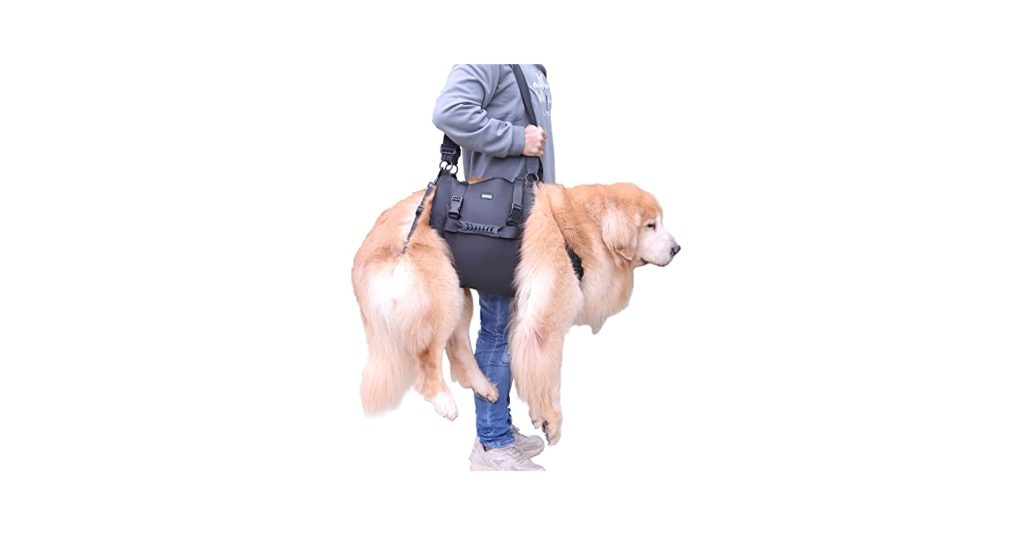
A supportive sling is a great tool to ease the weight and stabilize your dog’s body. It helps distribute their weight evenly, reducing pressure on sore areas. You can find slings designed specifically for dogs, or use a strong blanket or towel as an alternative.
Place the sling under your dog’s belly and chest, ensuring their legs are gently supported. Lift slowly and steadily, keeping your back straight to avoid injury. This method works well if your dog can’t walk but still has some muscle control.
Have you noticed how a sling can keep your dog calm during movement? It provides a snug, secure feeling that helps reduce anxiety. Always check for signs of discomfort and adjust the sling as needed.
Two-person Lift Approach
For larger dogs, two people lifting can be the safest option. One person supports the front half, holding under the chest and front legs, while the other lifts the rear under the hips and hind legs. Communication between lifters is key to keep your dog balanced.
Before lifting, both of you should agree on the commands and timing. This prevents sudden movements that could hurt your dog or you. Keep your dog close to your bodies to maintain control and reduce strain.
Have you tried coordinating lifts with a friend? It’s surprising how much easier it becomes when you work as a team. This approach lets you support your dog fully, preventing additional pain or injury.
Use Of Mobility Aids
Using mobility aids can make carrying a dog with back pain much easier and safer. These tools support your dog’s body and reduce strain on their spine. They help keep your dog comfortable during movement and prevent further injury. Choosing the right aid depends on your dog’s size, pain level, and mobility needs.
Dog Carriers And Slings
Dog carriers and slings offer gentle support for dogs with back pain. They keep your dog close and secure without putting pressure on their spine. Soft, padded carriers cushion the dog’s body and reduce jolts. Slings support the belly and chest, helping to distribute weight evenly.
- Use carriers with sturdy handles for easy lifting.
- Choose slings made of breathable fabric to keep your dog cool.
- Adjust straps to fit snugly but comfortably around your dog.
- Lift your dog slowly to avoid sudden movements.
Ramps And Harnesses
Ramps and harnesses assist dogs in moving without jumping or climbing stairs. Ramps allow your dog to walk up and down gently, avoiding strain. Harnesses provide support around the chest and hips to ease movement. Some harnesses have handles for lifting parts of the body safely.
- Place ramps at a gentle incline for easy access.
- Use non-slip surfaces on ramps for better grip.
- Select harnesses with padded straps to prevent discomfort.
- Lift your dog carefully using the harness handles if needed.

Credit: www.amazon.com
Tips For Comfort And Safety During Transport
Carrying a dog with back pain requires extra care to ensure both comfort and safety during transport. The way you hold and move your dog can greatly affect their healing process and reduce any additional strain on their spine. Paying close attention to how you support their body and respond to their reactions makes a big difference in their comfort.
Minimizing Movement And Jostling
Keeping your dog as still as possible helps prevent further injury. Use both hands to support the chest and hindquarters evenly, avoiding pressure on the spine.
Consider wrapping your dog gently in a soft blanket or towel to limit sudden movements. This also provides warmth and a sense of security.
When walking, move slowly and steadily. Avoid bumps, uneven surfaces, or sudden turns that can jostle your dog’s back.
Monitoring Dog’s Response
Watch your dog’s facial expressions and body language closely. Signs of discomfort like whining, shifting, or tensing up tell you to adjust how you are holding them.
Ask yourself: Is your dog relaxed or showing signs of stress? If they seem uneasy, pause and reposition them more comfortably.
Regularly check for any signs of increased pain once you set them down. If your dog appears worse, it might be time to consult your vet for advice on better transport methods.
Post-carrying Care
After carrying a dog with back pain, proper care is essential to support their recovery. The moments following carrying can impact how well your dog heals and feels. Pay close attention to their behavior and comfort. Provide a calm and safe space for your dog to rest and recover.
Encouraging Gentle Movement
Encourage your dog to move slowly and gently after carrying. Short, easy walks help prevent stiffness and improve blood flow. Avoid sudden jumps or vigorous play that might cause pain. Use soft bedding to support their back while resting. Monitor their movement and stop activity if you notice discomfort or limping.
When To Seek Further Medical Advice
Watch for signs that need a vet’s attention. These include:
- Increased pain or whining
- Difficulty standing or walking
- Loss of bladder or bowel control
- Swelling or heat along the spine
Persistent stiffness or reluctance to move also requires a vet visit. Timely medical advice can prevent worsening of back pain. Keep your vet informed about your dog’s progress and any changes in behavior.
Frequently Asked Questions
How Can I Safely Carry A Dog With Back Pain?
Support your dog’s chest and hips when lifting. Use gentle, steady movements to avoid strain. Avoid lifting by the legs or abdomen to prevent further injury.
What Are The Best Carrying Techniques For Dogs With Back Pain?
Hold your dog close to your body to reduce pressure on its spine. Use a dog sling or harness designed for support. Always keep the dog’s back aligned and avoid twisting.
When Should I Avoid Carrying A Dog With Back Pain?
Do not carry your dog if it shows severe pain or instability. Avoid carrying during sudden movements or on slippery surfaces. Consult a vet if unsure about your dog’s condition.
Can Using A Dog Carrier Help With Back Pain?
Yes, specially designed dog carriers can offer support and reduce strain. Choose carriers with padding and proper weight distribution. Always ensure your dog is comfortable and secure inside.
Conclusion
Caring for a dog with back pain takes patience and care. Support your dog’s body gently while lifting. Keep movements slow and steady to avoid stress. Choose a comfortable hold that suits your dog’s size. Always watch your dog’s reaction for signs of discomfort.
Regular vet visits help track your dog’s healing progress. Proper handling aids recovery and keeps your dog safe. Small efforts make a big difference in your pet’s comfort. Trust your instincts and show plenty of love. Your dog depends on you for gentle care.

Emily Barker is the founder of ChillDogLife.com, a space dedicated to helping pup parents discover the best dog products, lifestyle tips, and cozy ideas for happier homes.
A lifelong dog lover, Emily combines her passion for pets with a knack for research to share trusted recommendations on everything from toys and furniture to health and everyday care.
Her goal is simple: to make life easier, stylish, and more joyful for dogs and the people who love them.




