Thinking about starting a dog kennel business? You’re about to discover how to turn your love for dogs into a rewarding and profitable venture.
Imagine creating a safe, happy place where dogs feel at home while their owners are away. This guide will walk you through every step, from setting up your space to attracting loyal customers. By the end, you’ll have a clear plan to launch a business that stands out and keeps tails wagging.
Ready to make your dream a reality? Let’s get started!

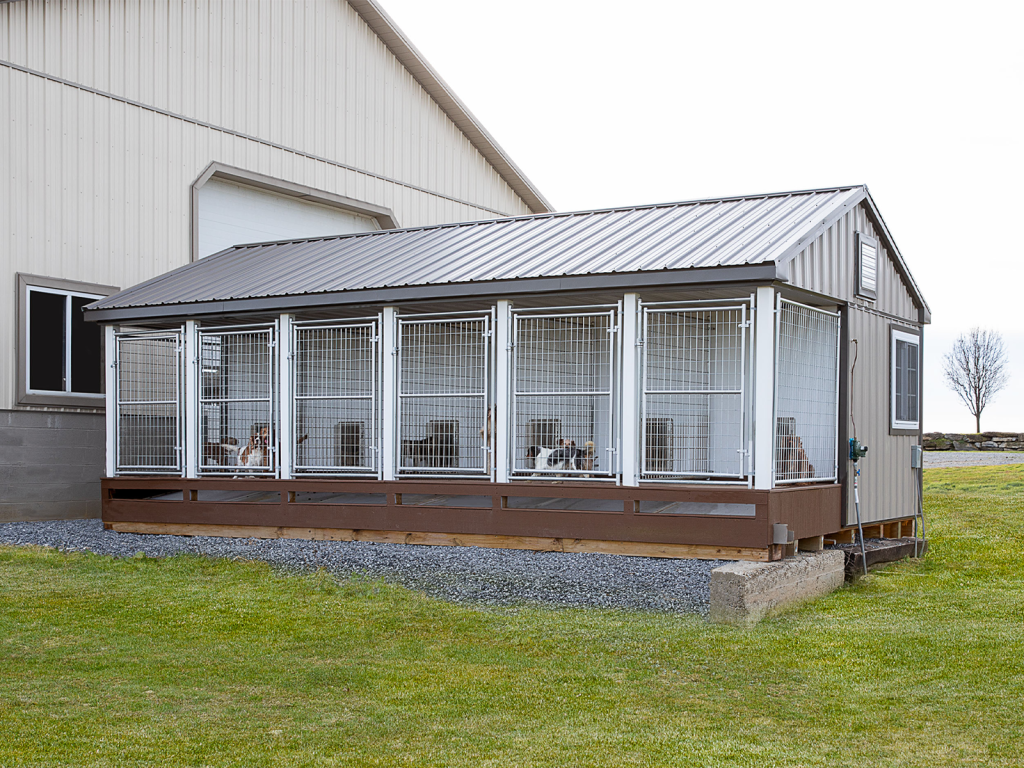
Credit: www.valestables.com
Choosing The Right Location
Choosing the right location is one of the most important decisions you’ll make when starting a dog kennel business. The spot you pick affects everything from customer convenience to your ability to meet legal rules. A great location balances demand, space, and accessibility, helping your business thrive.
Assessing Local Demand
Before settling on a site, research how many dog owners live nearby. Check for existing kennels and see if there’s room for another. You want to avoid locations where the market is already saturated.
Look into neighborhood demographics. Are there many families or working professionals who might need dog care? Ask yourself: Is this a community that values pet services enough to support your business?
Zoning And Legal Requirements
Each area has different zoning laws that affect where you can run a kennel. Visit your local planning office or check online to understand these rules. You don’t want to invest in a property only to find out it’s not permitted for your business.
Consider noise ordinances and health regulations too. Dogs can be noisy, and you must comply with sanitation standards. Getting legal advice early can save you a lot of headaches later.
Accessibility And Space Considerations
Your kennel needs to be easy to reach for customers dropping off and picking up their dogs. Think about traffic patterns and parking availability. If your location is tough to access, potential clients might look elsewhere.
Space is key. You’ll need enough room for indoor kennels, outdoor play areas, and staff facilities. Imagine how your daily operations will flow—cramped spaces can limit the number of dogs you care for and reduce their comfort.
Creating A Business Plan
Creating a business plan is the first step to starting a dog kennel business. It helps you organize your ideas and set clear goals. A solid plan guides your decisions and shows investors you are serious. Focus on the key parts that build a strong foundation for your business.
Defining Your Services
Decide what services your kennel will offer. Common options include boarding, grooming, training, and daycare. Think about the size of dogs you will accept and any special care you provide. Clear service definitions help attract the right customers. It also sets expectations for your team and clients.
Budgeting And Financial Projections
Estimate the costs to start and run your kennel. Include expenses like rent, equipment, staff wages, and supplies. Forecast your income based on expected customers and pricing. Use a simple table to organize your budget:
| Expense | Monthly Cost |
|---|---|
| Rent | $1,200 |
| Utilities | $300 |
| Staff Salaries | $2,000 |
| Supplies | $400 |
| Total | $3,900 |
Financial projections help you plan for profits and avoid surprises.
Marketing Strategy
Plan how to reach dog owners in your area. Use simple methods like flyers, social media, and local ads. Partner with vets and pet stores for referrals. Offer promotions to attract first-time customers. A clear marketing plan grows your customer base steadily.
Securing Licenses And Permits
Securing licenses and permits is crucial for starting a dog kennel business. Check local regulations for required documents. Ensure compliance to avoid legal issues.
Securing licenses and permits is a vital step in launching your dog kennel business. Without them, you might face legal troubles or even closure. This process can vary widely depending on your location, so it’s essential to be well-prepared and informed.Understanding Local Regulations
To kick off, get familiar with your local regulations. Every region has its own set of rules for running a dog kennel. Visit your city or county’s official website to download relevant guidelines. Consider reaching out to your local Chamber of Commerce. They can offer insights into the specific requirements you need to meet. This step ensures you’re not caught off guard by unexpected legal hurdles.Health And Safety Compliance
Health and safety compliance is non-negotiable. Your kennel needs to meet certain standards to ensure the well-being of the dogs and the safety of your staff. Regular inspections might be part of the deal. Prepare your facility by maintaining cleanliness and providing ample space for the dogs. Imagine the peace of mind knowing your kennel isn’t just compliant, but a haven for its furry residents.Insurance Needs
Don’t overlook the importance of insurance. Having the right coverage can protect you from unforeseen incidents. Consider liability insurance to cover accidents or injuries that might occur on your property. You might also want to think about property insurance. This can safeguard your investment in case of damage due to natural disasters or theft. Wouldn’t it be reassuring to know you’re covered no matter what happens? Taking these steps seriously can set a strong foundation for your dog kennel business. Each license, permit, and insurance policy is a step towards a stable and thriving enterprise.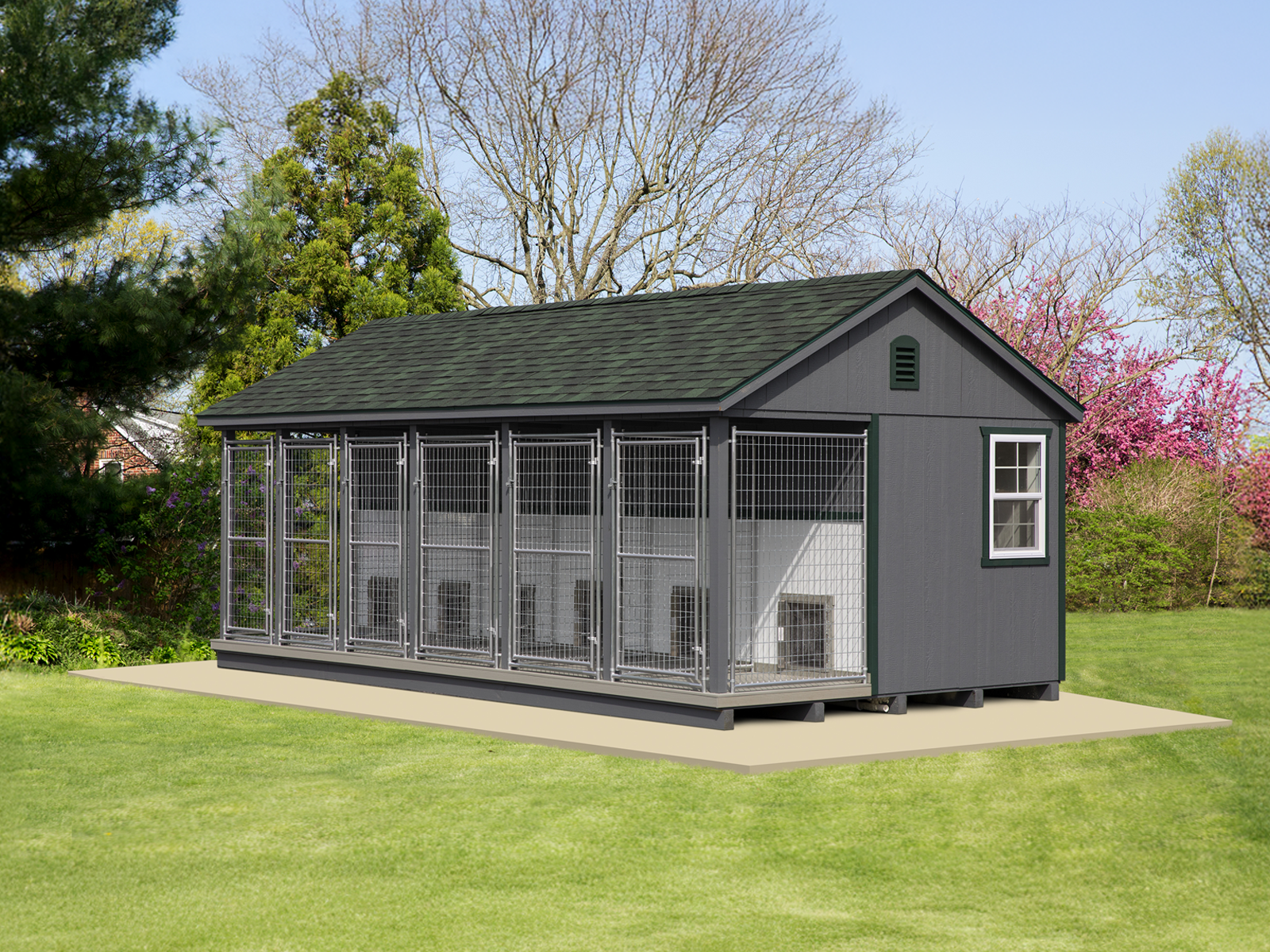
Credit: www.horizonstructures.com
Designing The Kennel Facility
Designing the kennel facility is a crucial part of starting your dog kennel business. Your design impacts the comfort, safety, and overall experience for the dogs you care for. It also affects how efficiently you can manage daily operations.
Layout And Kennel Size
Plan your kennel layout with both dogs and staff in mind. Each dog needs enough space to move comfortably—think about breed sizes and activity levels. A cramped kennel can increase stress and health issues.
Consider separate areas for play, rest, and feeding. This separation helps maintain order and reduces conflicts between dogs. Also, design pathways wide enough for easy cleaning and quick emergency exits.
Ventilation And Cleanliness
Good ventilation keeps the air fresh and helps control odors. Use windows, vents, or mechanical systems to ensure steady airflow. Stale air can lead to respiratory problems for dogs and discomfort for your staff.
Set up your kennel with easy-to-clean materials like sealed concrete or stainless steel. Smooth surfaces prevent dirt buildup and make daily cleaning faster. What cleaning routines can you establish to keep your facility spotless?
Safety Measures
Safety should never be an afterthought. Secure fencing, locked gates, and escape-proof kennels protect dogs from running away. Installing surveillance cameras can help you monitor activity and intervene quickly if needed.
Also, think about fire safety: install smoke detectors, keep fire extinguishers handy, and plan clear evacuation routes. How can you create a safe environment that gives both you and your clients peace of mind?
Selecting Equipment And Supplies
Choosing the right equipment and supplies for your dog kennel business is crucial. It affects not only the health and happiness of the dogs but also your daily operations and client satisfaction. Think about what you need to create a safe, clean, and welcoming environment for every dog that stays with you.
Kennel Infrastructure
Your kennel’s physical setup lays the foundation for everything else. Durable materials like stainless steel or heavy-duty plastic make cleaning easier and last longer. Ensure each kennel offers enough space for dogs to move comfortably and includes secure locks to prevent escapes.
Consider ventilation and lighting carefully. Natural light can improve dogs’ mood, and proper airflow reduces odors and bacteria growth. Would you feel comfortable leaving your own pet in a space that lacks these basics?
Feeding And Cleaning Tools
Reliable feeding tools are essential for managing multiple dogs safely. Choose non-tip bowls to avoid spills and easy-to-clean designs to maintain hygiene. Separate bowls for food and water help prevent contamination.
Cleaning supplies are your front line against germs and unpleasant smells. Invest in pet-safe disinfectants, durable brushes, and high-pressure washers if possible. How often will you need to clean each kennel to keep it fresh and inviting?
Comfort And Enrichment Items
Comfort items like soft bedding and blankets make dogs feel at home. Select materials that are washable and resistant to chewing. Enrichment tools such as chew toys, puzzle feeders, and safe play equipment keep dogs mentally stimulated and reduce stress.
Think about how you can personalize these items for different dogs’ needs. What small touches could make your kennel the place owners trust most for their pets’ well-being?
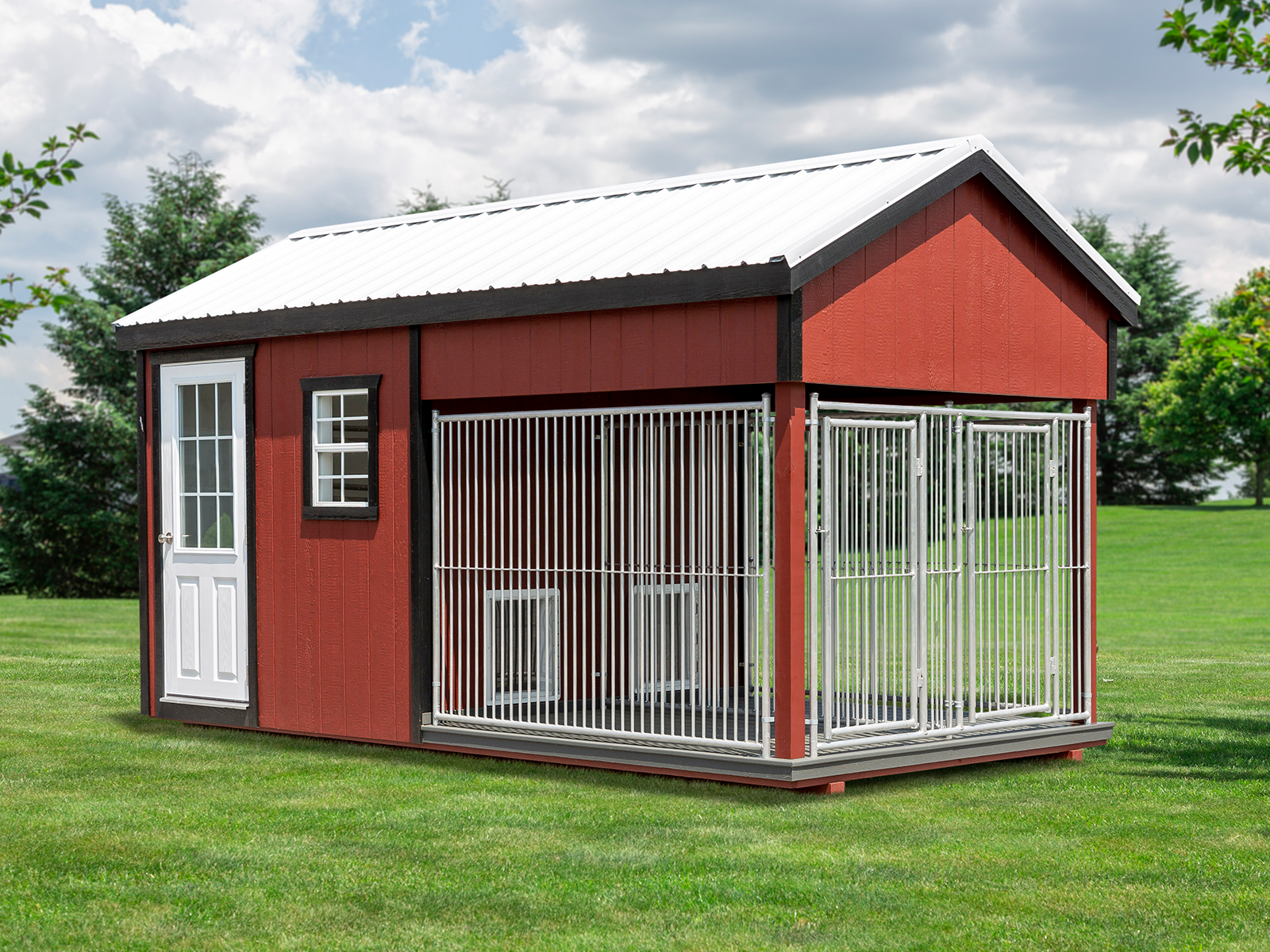
Credit: www.horizonstructures.com
Hiring And Training Staff
Building a reliable team is crucial for your dog kennel business. Hiring and training staff who genuinely care about animals and understand your business goals will make a big difference. Your staff will be the face of your kennel, so investing time in selecting and educating them pays off in trust and quality service.
Staff Roles And Responsibilities
Define clear roles before you start hiring. Common positions include kennel attendants, cleaners, and customer service representatives. Each role should have specific duties like feeding dogs, cleaning kennels, monitoring health, and managing bookings.
Consider assigning a team member to handle emergency situations or health issues. This clarity prevents confusion and helps your team work smoothly. Have you thought about how many staff members you’ll need for peak times?
Training Programs
Training isn’t just about showing how to clean kennels or feed dogs. Your team needs to understand dog behavior, safety protocols, and emergency procedures. Developing a structured training program ensures consistency and quality care across shifts.
Use a mix of hands-on practice and written guides. Role-playing scenarios like handling nervous dogs or calming upset customers can be very effective. What specific skills do you want your staff to master first?
Customer Service Skills
How your staff interact with customers influences your kennel’s reputation. Train them to listen carefully, communicate clearly, and show empathy. A friendly tone and patience can turn a worried pet owner into a loyal client.
Encourage staff to share updates about pets during visits and handle complaints professionally. Simple gestures like remembering a dog’s name or preferences create a personal touch. Are your team members ready to become ambassadors for your business?
Marketing Your Kennel
Marketing your dog kennel is essential to attract pet owners. Good marketing builds trust and shows your care for dogs. Focus on ways that bring attention to your kennel and keep clients coming back. Use simple, clear communication to explain your services and benefits.
Online Presence And Social Media
Create a website that shows your kennel’s features and services. Include photos and customer reviews. Make sure the site works well on phones and tablets. Use keywords like “dog boarding” and your location to help people find you on search engines.
Social media platforms like Facebook and Instagram help reach many pet owners. Post pictures of happy dogs and share tips on pet care. Respond quickly to questions and messages. Consistent posts keep your kennel visible and build a loyal audience.
Local Advertising
Use flyers and posters in pet stores, vet offices, and community centers. Talk to local businesses about sharing your flyers or offering joint promotions. Attend local events like pet fairs or farmers markets to meet customers face-to-face.
Consider ads in local newspapers or community newsletters. These reach people who live nearby and might need your services. Clear, simple ads with your contact details work best.
Building Customer Relationships
Offer excellent service to encourage repeat customers. Remember dogs’ names and special needs. Send reminders for bookings and follow-up messages after visits. Personal touches create trust and loyalty.
Ask customers for feedback and show you care about their opinions. Reward loyal clients with discounts or small gifts. Happy customers tell friends and help your kennel grow.
Managing Daily Operations
Managing daily operations in your dog kennel business is the backbone of providing excellent care and building trust with pet owners. Every task, from scheduling to health checks and record keeping, needs your attention to detail and consistency. How you handle these routines directly affects your kennel’s reputation and the well-being of the dogs in your care.
Scheduling And Booking
Efficient scheduling is crucial to avoid overbooking and ensure every dog receives proper attention. Use a digital calendar or kennel management software to keep track of bookings and special requests.
Consider creating clear time slots for drop-offs, pick-ups, and playtime sessions. This minimizes chaos and helps you allocate staff effectively. Have you thought about how flexible your booking system is for last-minute changes or emergencies?
Health Monitoring
Daily health checks are non-negotiable. Dogs can’t tell you when they feel unwell, so it’s your job to observe signs like changes in appetite, behavior, or energy levels.
Keep a checklist for each dog, noting vaccinations, allergies, and medication schedules. This habit not only prevents health issues but also builds confidence with pet owners who rely on your vigilance.
Record Keeping
Accurate records keep your operations transparent and organized. Maintain detailed files for each dog, including their health history, dietary needs, and emergency contacts.
Use both digital and physical backups to avoid data loss. Think about how easy it is for you or your staff to access information quickly—especially in urgent situations.
Handling Challenges
Running a dog kennel business comes with its share of tough moments. Challenges can pop up unexpectedly, testing your patience and skills. Handling these situations well not only keeps your operation smooth but also builds trust with your clients and their furry friends.
Dealing With Aggressive Dogs
Aggressive behavior in dogs is one of the biggest hurdles you’ll face. It’s essential to observe each dog carefully when they arrive and separate those showing signs of aggression. Use calm, firm commands and never punish the dog harshly; this can escalate the behavior.
Creating safe zones for aggressive dogs helps protect other animals and staff. You might also consider training sessions focused on socialization or consulting a professional behaviorist. Have you thought about how your kennel’s layout can reduce tension between dogs?
Managing Emergencies
Emergencies can happen anytime—medical issues, escapes, or natural disasters. Prepare by having a clear emergency plan and training your staff to act quickly under pressure. Keep a well-stocked first aid kit and contact information for a nearby 24/7 veterinary clinic handy.
Regular drills improve response times and reduce panic. Remember, your calmness will influence how dogs and employees react. How often do you review your emergency protocols to ensure they’re still effective?
Addressing Customer Complaints
Customer complaints are inevitable but handling them well can turn a negative experience into a positive one. Listen carefully to the client’s concerns without interrupting, showing empathy and understanding. Promptly investigate the issue and provide clear, honest feedback.
Sometimes, offering a small compensation or free service can rebuild goodwill. Follow up with the customer to ensure satisfaction. What processes do you have in place to prevent the same complaints from happening again?
Expanding Your Business
Growing your dog kennel business means more than just taking in more dogs. It’s about smartly expanding your offerings, improving your space, and building connections that bring steady clients. Each step you take toward expansion should add real value and help you stand out in a competitive market.
Adding New Services
Think beyond basic boarding. Adding services like grooming, training classes, or pet taxi can attract a wider range of customers. Offering specialized care for senior dogs or puppies can also set you apart.
Ask yourself: what services do local dog owners really need? Start small and test new ideas before fully committing. For example, introducing a weekend grooming service can reveal demand without a large upfront cost.
Scaling Facilities
Expanding your physical space lets you serve more dogs comfortably and safely. This could mean building additional kennels, creating outdoor play areas, or upgrading climate control systems.
Keep your facility’s layout efficient. Well-planned spaces reduce staff workload and improve dog welfare. Remember, a clean and welcoming environment keeps clients coming back.
Partnership Opportunities
Partner with local vets, pet stores, or dog trainers to reach more customers. These partnerships can lead to referral programs or bundled services that benefit everyone involved.
Consider teaming up with rescue groups too. Hosting adoption events at your kennel not only helps dogs in need but also raises your business profile. How can you build relationships that create long-term growth?
Frequently Asked Questions
What Are The Initial Steps To Start A Dog Kennel Business?
Begin with market research, create a business plan, and secure necessary permits. Find a suitable location with enough space. Invest in quality kennels, hire trained staff, and focus on pet safety. Marketing and building a strong client base are also essential.
How Much Does It Cost To Open A Dog Kennel?
Startup costs typically range from $10,000 to $50,000. Expenses include facility rental or purchase, kennels, licenses, insurance, and marketing. Additional costs cover staff wages, utilities, and pet care supplies. Costs vary by location and business size.
What Licenses Are Required For A Dog Kennel Business?
You need a business license and animal care permits. Some states require kennel or boarding licenses. Health and safety inspections may be mandatory. Check local regulations to ensure full compliance before starting your kennel.
How To Attract Customers To A New Dog Kennel?
Offer competitive pricing, excellent pet care, and convenient services. Use social media, local advertising, and partnerships with vets or pet stores. Encourage customer reviews and referrals to build trust and reputation.
Conclusion
Starting a dog kennel business takes careful planning and hard work. Find a good location and create a safe, clean space for dogs. Learn about local rules and get proper licenses. Offer friendly service and build trust with customers. Keep learning about dog care and business skills.
Success grows with patience and dedication. This journey can bring joy and profit to those who love dogs. Take the first step and start today.

Emily Barker is the founder of ChillDogLife.com, a space dedicated to helping pup parents discover the best dog products, lifestyle tips, and cozy ideas for happier homes.
A lifelong dog lover, Emily combines her passion for pets with a knack for research to share trusted recommendations on everything from toys and furniture to health and everyday care.
Her goal is simple: to make life easier, stylish, and more joyful for dogs and the people who love them.




