Are you thinking about adopting a dog? It’s an exciting choice that can bring joy, love, and companionship into your life.
But before you bring a furry friend home, there are important things you need to know. From preparing your space to understanding the responsibilities involved, getting ready for a dog is more than just picking a cute face. Keep reading to discover exactly what you need to adopt a dog and make sure you’re fully prepared for this rewarding experience.
Your future best friend is counting on you!
Preparing Your Home
Preparing your home for a new dog is more than just tidying up. It means creating a welcoming and safe environment that helps your furry friend adjust quickly and feel comfortable. Taking the time to set up the right spaces and supplies can make a big difference in how your dog settles in.
Safe Spaces For Your Dog
Your dog needs a spot they can call their own—a place to retreat when they feel overwhelmed or tired. This could be a cozy crate, a quiet corner with a soft bed, or a designated room free from loud noises.
Think about where your dog will spend most of their time. Is there an area away from household traffic where they can relax? Setting up a safe space helps reduce anxiety and gives your dog a sense of security.
Essential Supplies
Stock up on the basics before your dog arrives. You’ll need food and water bowls, a comfortable bed, leash and collar, and toys to keep them entertained.
- Food and water bowls:Choose sturdy, non-slip options that are easy to clean.
- Comfortable bedding:Your dog will appreciate a soft spot to rest after a long day.
- Leash and collar:Make sure they fit properly and are durable for walks.
- Toys:Chew toys, puzzle toys, and balls help keep your dog mentally stimulated.
Have you thought about grooming tools or cleaning supplies? These are often overlooked but are vital for keeping your dog healthy and your home clean.
Pet-proofing Tips
Pets explore with their noses and mouths, which can lead to trouble if your home isn’t prepared. Remove or secure items that could be harmful, such as electrical cords, toxic plants, and small objects your dog might swallow.
Check cabinets and trash bins—dogs are clever and can get into places you might not expect. Use baby gates to block off areas that are off-limits until your dog learns the rules.
Ask yourself: Is there anything in your home that could injure or stress your dog? Taking a careful look through your space from a dog’s perspective can help you spot hidden dangers before they become problems.
Choosing The Right Dog
Adopting a dog is a rewarding experience. The first step is choosing the right dog for your home. Each dog has different needs and characteristics. Your lifestyle and preferences are important in this decision. Consider factors like breed, age, size, and temperament. These aspects help ensure a happy life for both you and the dog.
Breed Considerations
Different breeds have different traits. Some need lots of exercise, while others are more relaxed. Research the breed’s history and behavior. Think about grooming needs and health issues. Some breeds require more maintenance than others.
Age And Size Factors
Puppies are playful and need training. Older dogs may be calmer and already trained. Size matters too. Small dogs fit well in apartments. Large dogs need more space to roam. Consider your living situation and future plans.
Temperament And Lifestyle Match
Dog’s temperament must match your lifestyle. Active families may enjoy energetic dogs. Laid-back owners might prefer a calm dog. Evaluate your daily routine and energy levels. Ensure the dog’s personality fits your family dynamics.
The Adoption Process
The adoption process helps match dogs with the right families. It ensures dogs go to safe, loving homes. This process can take time but is very important. It involves finding shelters, filling applications, and sometimes home visits. Each step helps both you and the dog feel confident and happy.
Finding Reputable Shelters
Start by searching for shelters with good reviews. These places care for animals and follow rules. Check if the shelter is local or national. Visit their website or call to ask about their dogs. Reputable shelters keep dogs healthy and safe. They also provide accurate information about each dog’s needs and personality.
Application And Interview
You usually need to fill out an application form. This form asks about your lifestyle and home situation. Expect questions about your experience with pets. Some shelters also conduct interviews by phone or in person. The goal is to find a dog that fits your life. Honest answers help shelters make the best match.
Home Visits And Assessments
Some shelters require a home visit before approval. This visit checks if your home is safe for a dog. They look for secure fences and a clean environment. They may also talk to all household members. The visit helps ensure the dog will be comfortable and cared for. It shows your commitment to responsible pet ownership.
Credit: www.ottawahumane.ca
Financial Responsibilities
Adopting a dog means taking on important financial duties. Dogs need more than love and care. They require money to stay healthy and happy. Understanding these costs helps avoid surprises. It also ensures your dog gets the best care possible.
Initial Costs
Getting a dog involves several upfront expenses. Adoption fees usually cover vaccinations and basic health checks. You may also buy supplies like:
- Collar and leash
- Food and water bowls
- Bedding and crate
- Toys and grooming tools
- Initial vet visit and shots
These costs add up quickly. Planning ahead helps manage the budget better.
Ongoing Expenses
Dogs need daily care that costs money. Food is a regular expense and varies by dog size and breed. Routine vet visits keep your dog healthy. Expect to pay for:
- Monthly food and treats
- Annual vaccinations
- Flea and tick prevention
- Regular grooming
- Pet insurance, if chosen
Budgeting for these helps keep your dog’s needs covered.
Emergency Funds
Unexpected health issues can arise anytime. Emergency vet visits are often costly. Having savings set aside is crucial. This fund covers:
- Accidents
- Sudden illnesses
- Special treatments or surgeries
Preparing for emergencies ensures your dog gets care without delay.
Training And Socialization
Training and socialization are key parts of adopting a dog. They help your new pet feel safe and loved. Good training builds trust and respect. Socialization helps dogs behave well around people and other animals. Both create a happy life for you and your dog.
Basic Commands
Teaching basic commands starts with simple words like “sit,” “stay,” and “come.” Use clear, calm voices and short training sessions. Reward your dog with treats or praise. Consistency is very important. Practice daily to build good habits quickly.
Social Skills
Social skills teach dogs how to interact with others. Introduce your dog to new people, animals, and places carefully. Watch for signs of fear or stress. Positive experiences help your dog become confident and friendly. Social dogs enjoy walks and visits more.
Handling Behavioral Issues
Some dogs may show unwanted behavior like barking or chewing. Stay patient and calm when addressing problems. Identify what causes the behavior and change it gently. Use positive reinforcement instead of punishment. Seek advice from trainers if needed.

Credit: barkingmadinc.org
Health Care Needs
Caring for a dog’s health is key to a happy life together. Every dog needs proper attention to stay strong and active. Understanding health care needs helps you prepare for your new pet’s well-being.
Veterinary Visits
Regular vet visits keep dogs healthy and catch problems early. A vet checks for illnesses and offers advice on care. Plan for an initial health check soon after adoption. Follow-up visits help track vaccinations and growth. Emergency visits may happen if your dog feels sick or hurt.
Vaccinations And Preventatives
Vaccines protect dogs from dangerous diseases. Core vaccines include rabies, distemper, and parvovirus. Preventatives guard against fleas, ticks, and worms. Use flea and tick treatments year-round in many areas. Deworming helps keep your dog free of internal parasites. Consult your vet to create a vaccine schedule.
Nutrition And Exercise
Good nutrition fuels your dog’s body and mind. Choose high-quality dog food suited to age and size. Fresh water should always be available. Exercise keeps dogs fit and reduces behavior problems. Daily walks and playtime meet most dogs’ activity needs. Adjust food and exercise based on your dog’s health and energy.
Building A Bond
Building a strong bond with your new dog creates a foundation of trust and love. This bond helps your dog feel safe and happy in their new home. It takes time and effort but brings joy to both of you. Understanding and connecting with your dog improves their behavior and your relationship.
Patience And Consistency
Patience is key when forming a bond with your dog. They may feel nervous or shy at first. Give them time to adjust without rushing. Consistency in your actions and commands helps your dog learn what to expect. Use the same words and routines daily. This builds confidence and trust.
Quality Time Activities
Spend quality time doing activities your dog enjoys. Walks, playtime, and gentle petting create positive experiences. These moments show your dog you care. Try simple games like fetch or hide and seek. Quiet time together also strengthens your connection.
Recognizing Canine Signals
Dogs communicate through body language and sounds. Watch their ears, tail, and eyes for clues about how they feel. A wagging tail often means happiness, while a tucked tail shows fear. Learn to recognize signs of stress or comfort. Responding to these signals helps your dog feel understood.
Credit: www.petscare.com
Frequently Asked Questions
What Documents Are Required To Adopt A Dog?
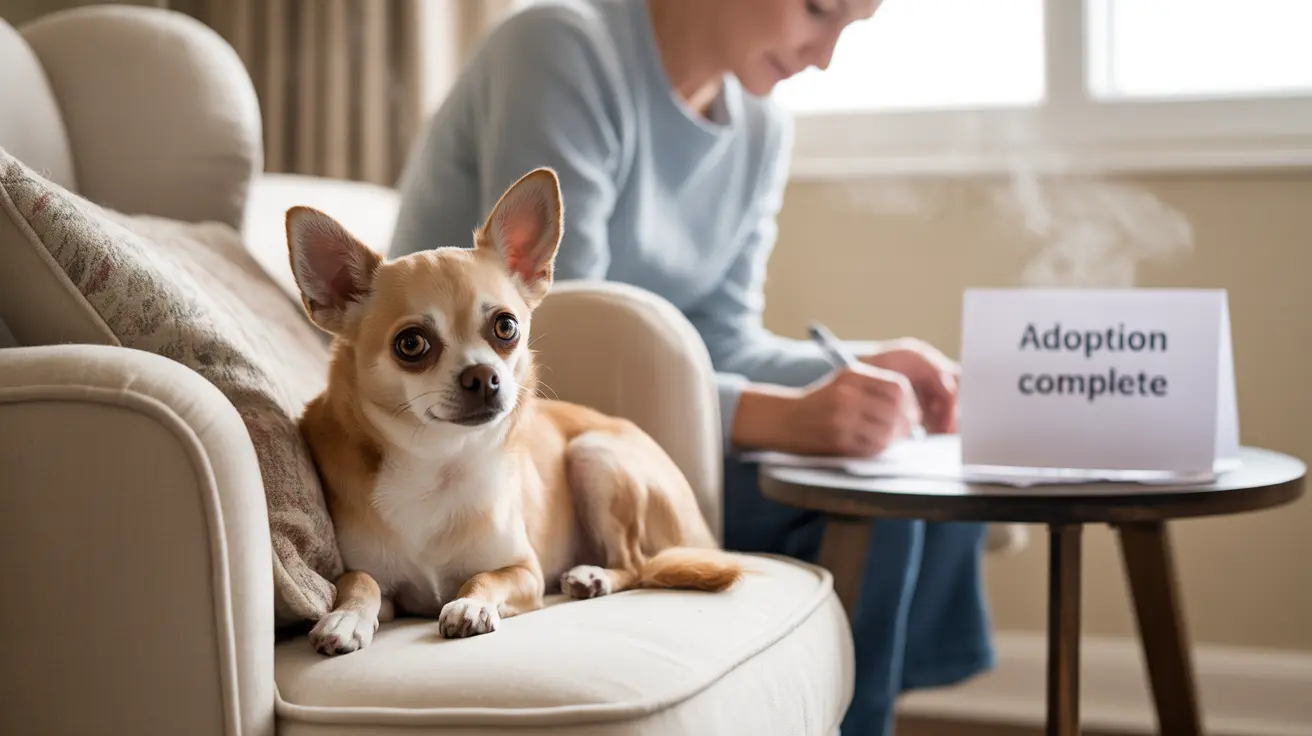
You typically need a valid ID, proof of residence, and sometimes references. Adoption centers may ask for a completed application form. These documents help verify your identity and readiness to care for a dog.
How Much Does It Cost To Adopt A Dog?
Adoption fees usually range from $50 to $300. Fees cover vaccinations, spaying/neutering, and microchipping. Costs vary by shelter and dog breed but are generally affordable compared to buying a dog.
What Questions Will Adoption Centers Ask?
Centers ask about your lifestyle, living situation, and experience with pets. They want to ensure you can provide a safe, loving home. Questions help match you with the right dog for your needs.
Do I Need To Prepare My Home Before Adoption?
Yes, prepare a safe, comfortable space for your new dog. Remove hazards, provide a bed, water, food bowls, and toys. A prepared home helps your dog adjust quickly and feel secure.
Conclusion
Adopting a dog needs patience, love, and some preparation. You must have time to care and play with your new pet. A safe home and basic supplies are important too. Knowing your lifestyle helps choose the right dog. Paperwork and meeting the dog are part of the process.
Dogs bring joy but need your commitment every day. Taking these steps makes adoption smooth and happy for both. Ready to welcome a furry friend? It can change your life in many good ways.

Emily Barker is the founder of ChillDogLife.com, a space dedicated to helping pup parents discover the best dog products, lifestyle tips, and cozy ideas for happier homes.
A lifelong dog lover, Emily combines her passion for pets with a knack for research to share trusted recommendations on everything from toys and furniture to health and everyday care.
Her goal is simple: to make life easier, stylish, and more joyful for dogs and the people who love them.




