Have you ever wondered if you can catch kennel cough from your dog? If your furry friend has been coughing or sneezing, it’s natural to worry about your own health.
Kennel cough is common among dogs, but can it jump from your pet to you? Knowing the facts can protect both you and your dog. Keep reading to find out what kennel cough really is, how it spreads, and what you need to watch out for.
This information could save you from unnecessary fear and help keep your home safe and healthy.

Credit: www.lilyskitchen.co.uk
What Is Kennel Cough
What Is Kennel Cough?
Kennel cough is a contagious respiratory infection that affects dogs. It’s similar to a human cold but causes a distinctive, harsh cough in dogs. Many pet owners notice it after their dog has visited a kennel, dog park, or groomer, which is why it got its name.
Though usually not serious, kennel cough can be uncomfortable for your dog and sometimes leads to more severe illness. Understanding what it is can help you protect your pet and recognize the signs early.
Symptoms To Watch For
- A persistent, dry, honking cough that often sounds like a goose.
- Occasional gagging or retching, especially after coughing.
- Runny nose and sneezing in some cases.
- Reduced energy or appetite if the infection worsens.
Have you noticed your dog coughing suddenly or acting off after visiting a busy place? These symptoms can appear quickly and vary in intensity, so keeping a close eye is key. If your dog starts coughing persistently, it’s time to check with your vet.
How It Spreads
Kennel cough spreads easily among dogs in close contact. It passes through airborne droplets when an infected dog coughs or sneezes. Shared water bowls, toys, and even human hands can also carry the germs.
This means places like boarding kennels, doggy daycare, and parks are common hotspots. Does your dog socialize in such environments? Knowing how the infection spreads can help you take simple steps to reduce risk, like avoiding crowded areas during outbreaks.
Transmission Between Dogs And Humans
Understanding the transmission of kennel cough between dogs and humans is important. Many pet owners worry if they can catch this illness from their furry friends. Kennel cough, mainly affecting dogs, is contagious among them. But can it jump to humans? Let’s dive into this topic.
Zoonotic Potential
Diseases that can spread from animals to humans are called zoonotic. Kennel cough, known scientifically as Bordetella bronchiseptica, typically affects dogs. But, it has zoonotic potential. This means it can, in rare cases, affect humans. Those with weakened immune systems are more at risk. Healthy individuals usually do not catch it from dogs.
Cases Of Human Infection
Human cases are extremely rare. Most people do not get kennel cough from dogs. But a few instances have been reported. Often, these involve people with compromised health. Symptoms in humans can be mild. They may include a cough or cold-like symptoms. It’s always wise to maintain good hygiene around pets. Wash hands after playing with dogs. This reduces any potential risk.
Risk Factors For Catching Kennel Cough
Understanding the risk factors for catching kennel cough helps you protect both yourself and your dog. Kennel cough spreads through bacteria and viruses, making certain situations more risky than others. Knowing where and how transmission happens gives you an edge in prevention.
Close Contact With Infected Dogs
Spending time near a dog that has kennel cough raises your chances of catching it. The infection spreads through airborne droplets when the dog coughs or sneezes. Touching your dog’s face or sharing items like bowls can also transfer germs.
Think about how often your dog interacts with other dogs during walks or playdates. If one dog is sick, the risk jumps significantly for all the close contacts. You might not notice symptoms right away, but the infection can still spread.
High-risk Environments
Places where many dogs gather create a hotbed for kennel cough bacteria and viruses. Dog parks, boarding kennels, grooming salons, and training classes increase exposure risks. These areas often have shared airspace and surfaces, making it easy for germs to travel.
Have you ever noticed your dog coughing after visiting a busy dog park? That’s a red flag to be cautious. Checking the cleanliness and ventilation of these places can reduce the chances of your dog picking up kennel cough.
.png)
Credit: drfrommdvm.com
Prevention Strategies For Dog Owners
Preventing kennel cough is important for every dog owner. The illness spreads easily in places where dogs gather. Taking simple steps helps protect your dog from catching it. Keeping your dog healthy means fewer vet visits and less worry.
Vaccination Options
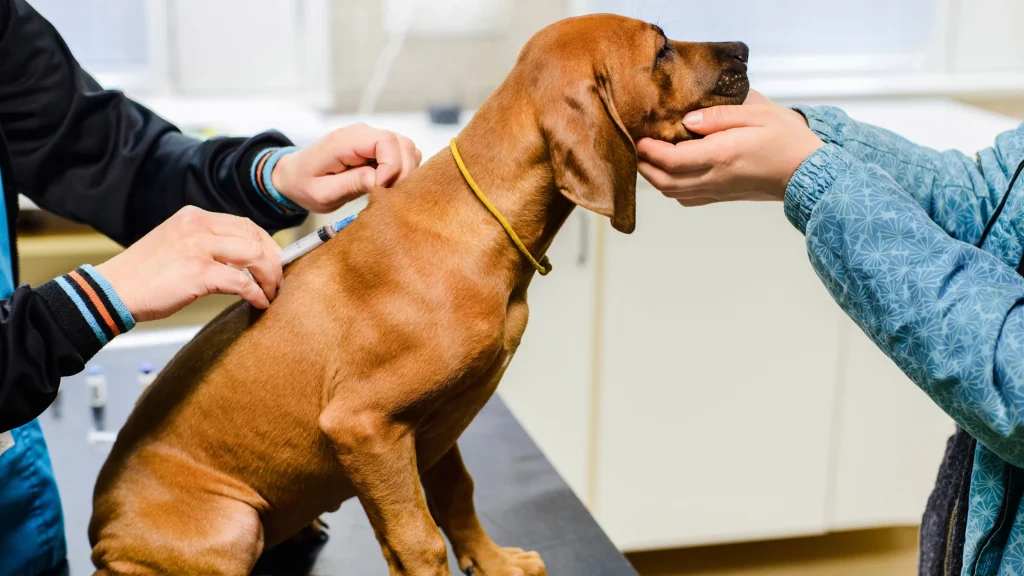
Vaccines help build your dog’s defense against kennel cough. There are different types of vaccines available:
- Intranasal vaccine: sprayed into the nose for fast protection
- Oral vaccine: given by mouth, easy to administer
- Injectable vaccine: shot under the skin, builds long-term immunity
Talk to your vet about which vaccine suits your dog best. Vaccination lowers the chance of catching and spreading kennel cough.
Hygiene Practices
Cleanliness plays a big role in stopping kennel cough. Wash your dog’s bowls, toys, and bedding often. Use mild soap and warm water to kill germs. Keep your dog’s living area dry and well-ventilated. Wash your hands after touching other dogs or shared surfaces. These steps reduce the spread of bacteria and viruses.
Limiting Exposure
Avoid crowded places where many dogs gather. Dog parks, kennels, and grooming salons can be risky. Watch for signs of illness in other dogs and keep your distance. If your dog is sick, keep them away from others until fully recovered. Limiting contact lowers the chance of catching kennel cough.
Treating Kennel Cough
Treating kennel cough effectively can help your dog recover quickly and reduce the risk of spreading the infection to others. The treatment approach depends on the severity of the symptoms and your dog’s overall health. You have options ranging from simple home care to professional veterinary help.
Home Remedies
Many dogs with mild kennel cough improve with rest and supportive care at home. Make sure your dog has a quiet, comfortable place to relax away from other pets. Keeping them hydrated is essential, so offer fresh water often.
You can use a humidifier or take your dog into a steamy bathroom to help soothe their irritated throat and ease coughing. Avoid exposing your dog to smoke, dust, or strong chemicals, as these can worsen symptoms.
Some owners find that adding a little honey to their dog’s food helps calm the cough, but always check with your vet before trying any home remedy. Monitoring your dog’s condition daily allows you to spot any worsening symptoms early.
When To See A Vet
If your dog’s cough lasts longer than two weeks or worsens despite home care, it’s time to consult a vet. Signs like coughing up blood, difficulty breathing, or lethargy require immediate attention. Your vet might prescribe antibiotics or cough suppressants to speed recovery.
Vaccination history also matters; unvaccinated dogs or puppies may need additional care. Remember, kennel cough can sometimes lead to serious complications, so don’t hesitate to seek professional help if you’re unsure.
Have you noticed any unusual changes in your dog’s behavior alongside the cough? Keeping a detailed log can help your vet diagnose and treat your pet more effectively.
Credit: zigly.com
Frequently Asked Questions
Can Humans Catch Kennel Cough From Dogs?
No, kennel cough is primarily a dog illness. It is rarely transmitted to humans, and if so, only those with weak immunity might be affected.
What Are The Common Symptoms Of Kennel Cough?
Dogs with kennel cough often have a dry, hacking cough. They may also show sneezing, nasal discharge, and mild fever.
How Is Kennel Cough Transmitted Between Dogs?
Kennel cough spreads through airborne droplets when infected dogs cough or sneeze. It can also spread via contaminated surfaces or close contact.
Can Kennel Cough Be Prevented In Dogs?
Yes, vaccination and avoiding crowded dog places reduce kennel cough risk. Maintaining good hygiene also helps prevent infection spread.
Conclusion
Kennel cough mainly spreads between dogs, not humans. People rarely catch it, but caution helps. Keep your dog away from sick dogs to stay safe. Watch for signs like coughing or sneezing in your pet. Clean your hands after touching dogs or their things.
Taking simple steps protects both you and your furry friend. Remember, healthy pets mean a happy home. Stay informed and care for your dog well.

Emily Barker is the founder of ChillDogLife.com, a space dedicated to helping pup parents discover the best dog products, lifestyle tips, and cozy ideas for happier homes.
A lifelong dog lover, Emily combines her passion for pets with a knack for research to share trusted recommendations on everything from toys and furniture to health and everyday care.
Her goal is simple: to make life easier, stylish, and more joyful for dogs and the people who love them.




