
Are you thinking about building a dog kennel but don’t know where to start? Creating a safe and comfortable space for your furry friend is easier than you might think.
Whether you want a simple shelter or a sturdy outdoor kennel, this guide will walk you through every step. By the end, you’ll have all the tips and tricks to build a kennel that keeps your dog happy and secure.
Ready to make your dog’s new favorite spot? Let’s dive in!
Choosing The Right Location
Choosing the right location for your dog kennel is key to your pet’s comfort and safety. The spot needs the right balance of sunlight, shade, and protection from bad weather. Picking a good place helps keep your dogs healthy and happy.
Consider Shade And Sunlight
Dogs need both sun and shade throughout the day. A spot with morning sun and afternoon shade works best. Shade protects dogs from heat and sunburn. Too much sun can make them tired and stressed. Trees or a roof can provide natural shade. Avoid places that stay in full sun all day.
Check Ground Drainage
Good drainage stops water from pooling around the kennel. Wet ground can cause muddy, slippery areas. Standing water leads to fleas and bacteria. Choose a spot with a slight slope or firm soil. You can add gravel or sand to improve drainage. Make sure rainwater flows away from the kennel.
Ensure Accessibility
Pick a location easy for you to reach every day. You will need to clean, feed, and check on your dogs often. The area should be close to your house or driveway. Wide paths help carry supplies and tools. Avoid spots blocked by fences or plants. Easy access saves time and effort.

Credit: simcoeshed.ca
Selecting Materials
Choose strong, weather-resistant materials like wood or metal for durability. Ensure materials are safe and comfortable for your dog’s health.
Selecting the right materials is a crucial step in building a durable and comfortable dog kennel. The materials you choose will determine the kennel’s longevity, safety, and overall appeal. Let’s dive into the specifics of what you should consider when selecting materials for your dog kennel.Wood Types And Treatments
Wood is a popular choice due to its natural aesthetic and ease of use. However, not all wood types are created equal. Cedar and redwood are excellent options as they naturally resist rot and pests, making them ideal for outdoor kennels. When selecting wood, consider how it will be treated to withstand the elements. Look for pressure-treated options that are safe for pets. Ensure any finishes or stains are non-toxic and designed for outdoor use.Metal And Wire Options
Metal and wire components offer strength and security. Galvanized steel and aluminum are durable and resistant to rust, ensuring your kennel stands the test of time. These materials are especially useful for framing and fencing. Consider the thickness of the metal to prevent bending or breaking. Powder-coated finishes add an extra layer of protection against the weather while enhancing aesthetics.Roofing Materials
A sturdy roof protects your dog from rain and sun. Asphalt shingles and metal roofing are popular choices due to their durability and weather resistance. They provide solid protection and are available in various colors to match your surroundings. If you live in a hot climate, consider options that reflect heat, such as reflective metal or light-colored shingles. Ensure the roof is securely fastened to withstand wind and rain. Choosing the right materials is about balancing durability, cost, and your dog’s comfort. What materials have you found to be the most effective in your own DIY projects? Share your experiences and insights!Designing The Kennel
Designing the kennel is a key part of building a safe and comfortable space for your dog. Thoughtful design helps your dog stay happy and healthy. It also makes cleaning and maintenance easier. Consider the dog’s needs and the environment during the design process.
Determining Size And Space
The kennel must fit your dog’s size and activity level. Small dogs need less space, but they still need room to move. Large dogs require more space to stretch and play. Plan space for food, water, and bedding inside the kennel. Leave extra room for any toys or accessories your dog uses. A cramped kennel causes stress and discomfort.
Incorporating Ventilation
Good airflow prevents heat buildup and odors. Proper ventilation keeps your dog cool in warm weather. Include vents or windows that allow fresh air to enter. Avoid placing the kennel in a spot with strong winds or drafts. Use mesh or wire panels to improve airflow while keeping the kennel secure.
Planning Doors And Locks
Choose doors that are easy to open and close. The door size should allow your dog to enter and exit comfortably. Strong locks keep your dog safe and prevent escapes. Use locks that you can operate quickly in case of emergencies. Consider doors with transparent panels so you can see your dog without opening it.
Building The Frame
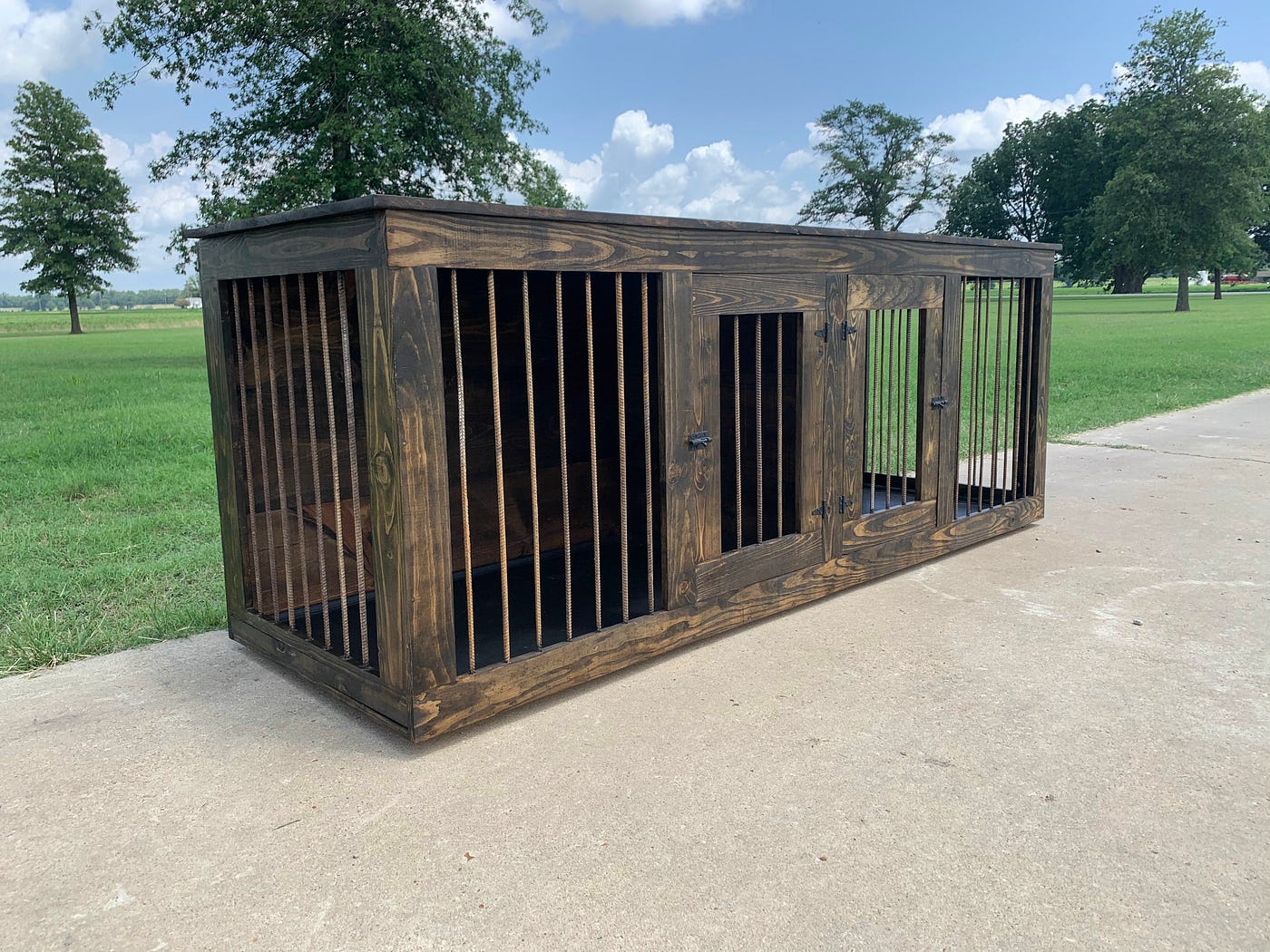
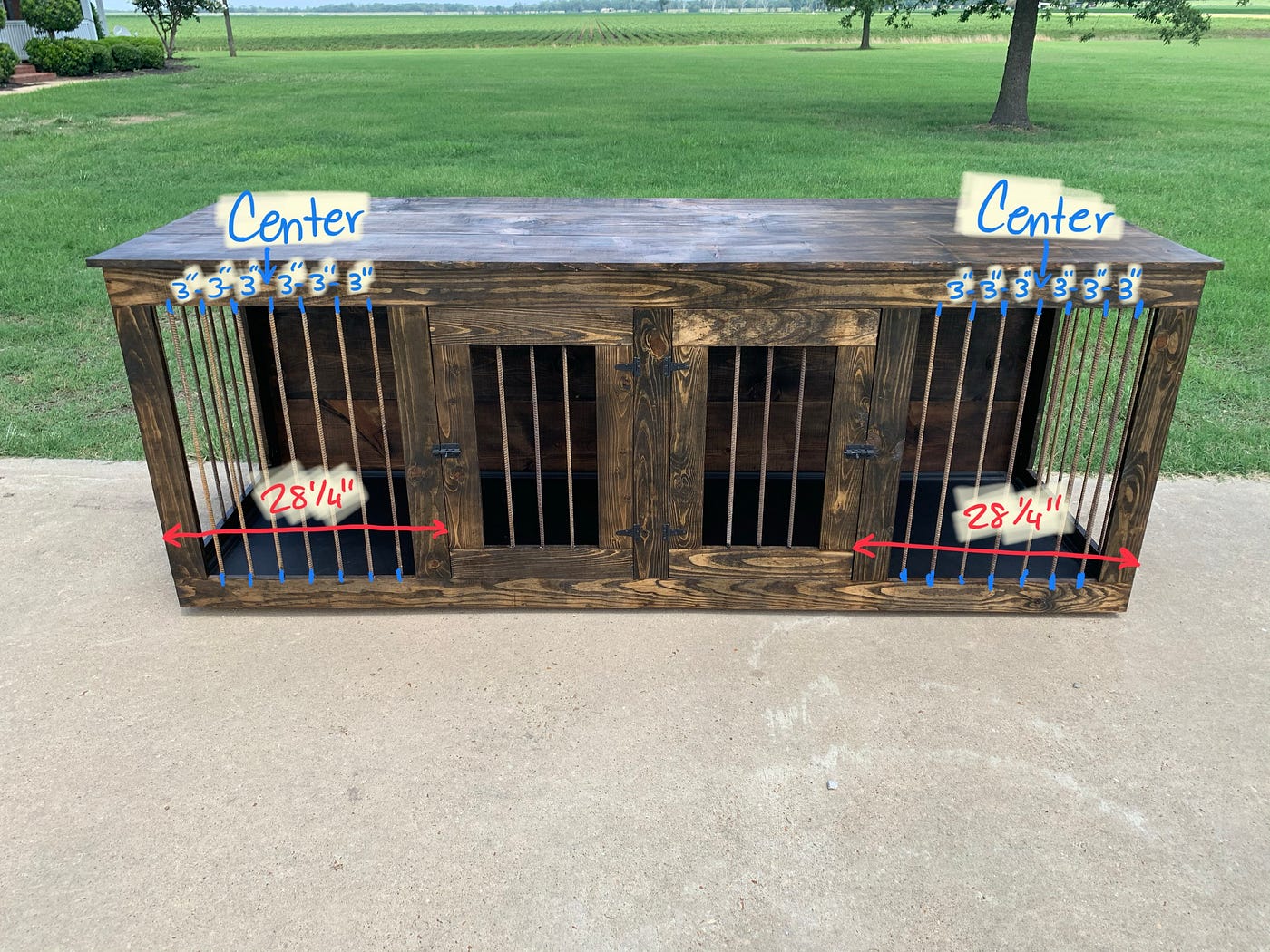
Building the frame is the key to a sturdy dog kennel. It forms the main structure and supports all other parts. A well-built frame keeps the kennel safe and durable. Start with a solid base, then move to walls, and finally add the roof supports. Each step must be done carefully for the best results.
Setting The Base
Choose a flat, dry area to place the kennel. Use pressure-treated wood for the base to avoid rot. Build a rectangular frame with strong beams. Check for squareness by measuring diagonals. Secure corners with metal brackets for extra strength. Add cross beams inside the frame to prevent sagging.
Constructing Walls
Use sturdy wooden posts for the vertical supports. Attach posts firmly to the base with screws or bolts. Space the posts evenly to hold the wall panels well. Nail or screw horizontal beams between posts for stability. Leave space for a door opening if needed. Make sure walls stand straight and firm.
Adding Roof Supports
Install rafters on top of the walls to hold the roof. Cut rafters at an angle for better water runoff. Attach rafters securely with metal hangers or strong nails. Space rafters evenly for balanced support. Add a ridge board at the top for alignment. Double-check all connections for safety and durability.
Installing Flooring And Roofing
Installing flooring and roofing is a vital part of building a dog kennel. These components protect your dog from harsh weather and ensure comfort. Flooring must be strong and easy to clean. The roof should keep rain and snow out. Proper insulation helps keep the kennel warm in winter and cool in summer.
Choosing Durable Flooring
Pick flooring that can handle wear and tear. Concrete and treated wood are good choices. Concrete lasts long and is easy to clean. Wood offers warmth but needs sealing to prevent moisture damage.
- Use non-slip surfaces to keep dogs safe.
- Elevate flooring slightly to avoid water pooling.
- Choose materials that resist stains and odors.
Waterproofing The Roof
Protect the kennel with a waterproof roof. Use roofing materials like metal sheets or asphalt shingles. These materials stop water from leaking inside.
- Apply waterproof sealant to all joints and edges.
- Install gutters to direct rain away from the kennel.
- Check for gaps that could let water enter.
Insulation Tips
Insulation keeps the kennel warm in cold months and cool in hot months. Use foam boards or fiberglass insulation inside walls and the roof. Cover insulation with plywood to protect it from dogs.
- Seal gaps to prevent drafts.
- Use breathable materials to avoid moisture buildup.
- Add removable blankets or mats for extra comfort.
Credit: gagejohnson19.medium.com
Finishing Touches
Finishing touches bring your dog kennel to life. These details improve look, comfort, and safety. Focus on painting, comfort features, and safety to create a perfect space for your dog.
Painting And Sealing
Choose a paint that resists weather and moisture. Use non-toxic paint safe for pets. Seal all wood surfaces to protect against water damage. Proper sealing extends the kennel’s life. Paint in light colors to keep the kennel cool. Let each coat dry fully before applying the next. This prevents peeling and chipping over time.
Adding Comfort Features
Add soft bedding for warmth and comfort. Use weatherproof cushions or blankets that wash easily. Provide shade inside the kennel to block sun. Install a raised floor to keep your dog dry. Place a water bowl that won’t tip over. Consider a small fan or heat lamp based on climate. These features keep your dog happy and healthy.
Safety Considerations
Check for sharp edges or nails that stick out. Smooth all surfaces to prevent scratches or cuts. Use sturdy locks to keep the kennel secure. Ensure proper ventilation to avoid heat buildup. Avoid small gaps where your dog could get stuck. Place the kennel away from harmful plants or chemicals. Safety makes the kennel a safe home for your pet.
Maintaining The Kennel
Maintaining your dog kennel is crucial to keep it safe, comfortable, and durable. A well-maintained kennel protects your dog from illness and injury, and it extends the life of the structure. Let’s look at practical ways you can keep your kennel in top shape every day and through the seasons.
Regular Cleaning
Clean your kennel frequently to prevent odors and bacteria buildup. Remove bedding, sweep out dirt, and wash surfaces with pet-safe disinfectants.
Check for leftover food or water spills that attract pests. You’ll notice your dog feels happier and more relaxed in a clean space.
Inspecting For Damage
Walk around your kennel weekly to spot any damage early. Look for broken wires, loose nails, or splintered wood that could hurt your dog.
Fix small problems right away to avoid costly repairs later. A quick repair can save your dog from injuries and keep the kennel sturdy.
Seasonal Adjustments
Adjust your kennel based on the weather changes. Add insulation or blankets in winter to keep your dog warm.
In summer, provide extra shade and ventilation to avoid overheating. Have you thought about how your dog’s needs change with the seasons?
Credit: gagejohnson19.medium.com
Frequently Asked Questions
What Materials Are Best For Building Dog Kennels?
Wood and metal are the most common materials. Wood offers good insulation and a natural look. Metal is durable and easy to clean. Choose based on climate, budget, and dog size for the best results.
How Big Should A Dog Kennel Be?
The kennel should allow your dog to stand, turn, and lie down comfortably. Measure your dog’s height and length. Add extra space for movement. This ensures your dog stays safe and comfortable inside.
How Do I Weatherproof A Dog Kennel?
Use weather-resistant materials like treated wood or metal. Add a roof to protect from rain and sun. Seal gaps to prevent drafts. Proper ventilation is essential to keep air flowing and maintain comfort.
What Safety Features Should A Dog Kennel Have?
Secure locks prevent escapes and keep your dog safe. Smooth edges avoid injuries. Adequate ventilation prevents overheating. Use non-toxic materials to protect your dog’s health. Regular maintenance helps keep the kennel safe over time.
Conclusion
Building dog kennels takes planning and care. Choose strong materials to keep dogs safe. Make sure the space is comfortable and dry. Proper ventilation helps dogs stay cool. Regular cleaning keeps kennels healthy and fresh. Pay attention to size and design for each dog.
This simple guide helps create a good kennel space. Enjoy giving your dogs a safe, happy home outside. Keep learning and improving your kennel skills over time.

Emily Barker is the founder of ChillDogLife.com, a space dedicated to helping pup parents discover the best dog products, lifestyle tips, and cozy ideas for happier homes.
A lifelong dog lover, Emily combines her passion for pets with a knack for research to share trusted recommendations on everything from toys and furniture to health and everyday care.
Her goal is simple: to make life easier, stylish, and more joyful for dogs and the people who love them.




