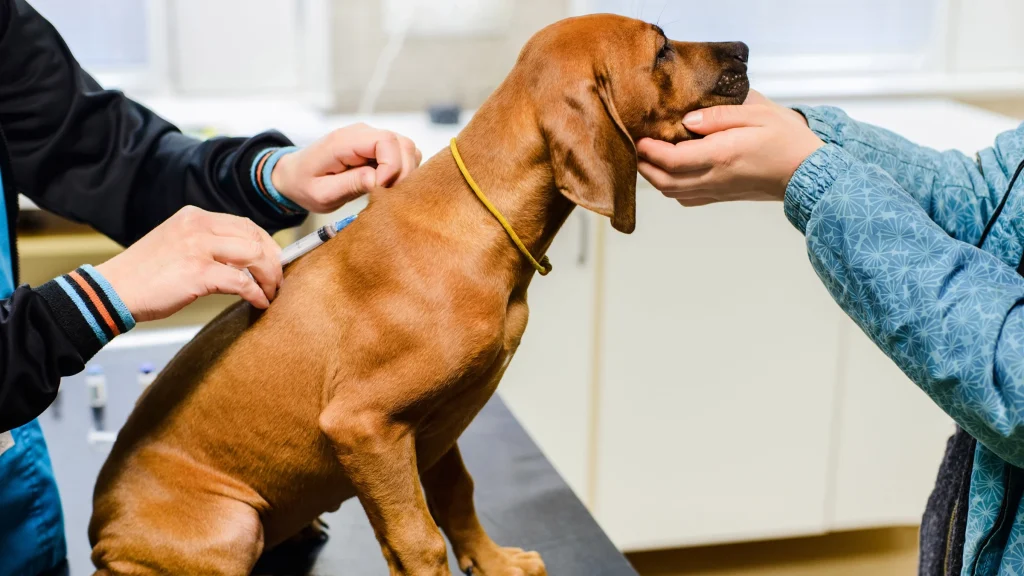
Have you ever worried about your dog catching kennel cough even after getting vaccinated? It’s a common concern for many pet owners like you.
You want to protect your furry friend, but does the vaccine guarantee full protection? Understanding how kennel cough works and what vaccines can—and can’t—do is key to keeping your dog healthy. Keep reading to discover why your dog might still get kennel cough and what you can do to prevent it.
What Is Kennel Cough?
Kennel cough is a common respiratory infection in dogs. It spreads quickly in places with many dogs close together. This illness causes a harsh, dry cough that sounds like a honking goose. Dogs of all ages can catch kennel cough, even those vaccinated. Knowing what kennel cough is helps in early detection and care.
Causes Of Kennel Cough
Kennel cough results from several germs infecting the dog’s respiratory system. The most common cause is the Bordetella bronchisepticabacteria. Viruses like canine parainfluenza and adenovirus also play a role.
Close contact with infected dogs spreads the infection. Places like kennels, dog parks, and grooming centers are high-risk areas. Airborne droplets from coughing and sneezing carry these germs easily.
Symptoms To Watch For
- Persistent dry, hacking cough
- Gagging or retching after coughing
- Runny nose or sneezing
- Low fever or lethargy in some cases
- Loss of appetite in severe infections
Most dogs stay active despite coughing. Watch your dog closely if symptoms last more than a week. Early vet advice can prevent complications.
How Vaccines Work Against Kennel Cough
Vaccines play a crucial role in protecting dogs from kennel cough. They prepare the immune system to fight off infections. This helps reduce the severity of symptoms if exposure occurs. Vaccines work by introducing harmless parts of the virus or bacteria. The immune system then learns to recognize these invaders. This process builds a defense mechanism in the dog’s body.
Types Of Kennel Cough Vaccines
There are different vaccines available for kennel cough. They target various strains of the disease. The most common vaccines include:
- Intranasal Vaccines:Administered through the nose, offering quick protection.
- Injectable Vaccines:Given as an injection, they provide longer-lasting immunity.
- Oral Vaccines:Taken by mouth, these are a newer option for protection.
Effectiveness Of Vaccines
Vaccines significantly reduce the risk of severe kennel cough. They may not prevent the disease entirely. Vaccinated dogs often experience milder symptoms. This makes recovery quicker and easier.
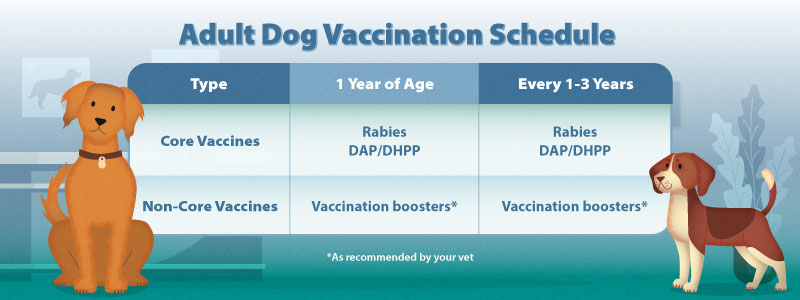
The effectiveness depends on factors like the dog’s health and age. Regular booster shots are important for continued protection. Always consult your vet for the best vaccination plan for your dog.
Why Vaccinated Dogs Can Still Get Kennel Cough
Even if your dog has been vaccinated against kennel cough, there is still a chance they can catch it. This might feel frustrating, especially after taking the time and effort to vaccinate your pet. Understanding why vaccinated dogs can still get kennel cough helps you stay prepared and take better care of your furry friend.
Vaccine Limitations
Vaccines for kennel cough don’t guarantee 100% protection. They primarily reduce the severity of the illness rather than completely prevent infection. Think of it like wearing a helmet while biking – it won’t stop all accidents, but it helps protect from serious injury.
Some vaccines target only specific bacteria or viruses involved in kennel cough. Because kennel cough can be caused by multiple germs, your dog might still catch a strain not covered by the vaccine.
Different Strains Of The Virus
One tricky thing about kennel cough is that it’s caused by several different viruses and bacteria. The Bordetella bronchiseptica bacterium is a common culprit, but parainfluenza and adenovirus can also cause symptoms.
Your dog’s vaccine might only cover some of these strains. So, even if vaccinated, your dog may still catch a strain that the vaccine doesn’t protect against. Imagine trying to catch all the different versions of a virus – it’s not always possible.
Timing And Immune Response
Vaccination takes time to build immunity. If your dog is exposed to kennel cough shortly after vaccination, their immune system might not be ready to fight it off effectively.
Also, each dog’s immune system reacts differently. Some dogs develop strong protection, while others might have a weaker response. This means two vaccinated dogs in the same environment could have very different outcomes.
Have you noticed your dog getting sick despite vaccinations? Understanding these factors can help you watch for early signs and act quickly to keep your dog comfortable and safe.

Credit: bestforpet.co.nz
Risk Factors For Vaccinated Dogs
Vaccinated dogs have protection against kennel cough, but risks remain. Several factors can increase the chances of infection, even after vaccination. Understanding these risks helps owners keep their pets safer and healthier.
Exposure To Infected Dogs
Close contact with infected dogs is a major risk factor. Kennel cough spreads through coughs, sneezes, and direct nose-to-nose contact. Dogs in crowded places like kennels or dog parks face higher exposure. Even vaccinated dogs can catch the illness if exposed to many infected dogs.
Stress And Immune System
Stress weakens a dog’s immune system, lowering its defense. Travel, boarding, or changes in routine cause stress. A weak immune system makes it easier for kennel cough bacteria to take hold. Vaccination helps but does not guarantee full immunity under stress.
Environmental Factors
Cold, damp, or dirty environments increase infection risk. Poor ventilation in kennels or shelters helps germs spread fast. Crowded or unclean places make it easier for kennel cough to spread. Healthy environments reduce the chance of vaccinated dogs getting sick.
Preventing Kennel Cough Beyond Vaccination
Vaccination plays a crucial role in protecting your dog against kennel cough, but it doesn’t guarantee complete immunity. There are several additional steps you can take to lower the risk of your dog catching this contagious respiratory infection. Focusing on hygiene, avoiding risky environments, and supporting your dog’s immune system can make a significant difference.
Hygiene Practices
Maintaining cleanliness around your dog is essential. Regularly wash your dog’s bedding, toys, and food bowls with hot water and pet-safe detergent.
After walks or visits to dog parks, wiping your dog’s paws and mouth area can help remove germs. You should also clean your hands before and after handling your dog to avoid spreading bacteria or viruses.
Avoiding High-risk Areas
Places like crowded dog parks, boarding kennels, and grooming salons can increase the chances of kennel cough transmission. If your dog is vaccinated but has a weak immune system or is very young, consider skipping these areas.
Try to observe how other dogs in the area behave—are many coughing or showing signs of illness? You can protect your dog by choosing quieter times or less crowded spots for walks and socialization.
Boosting Dog’s Immunity
Your dog’s immune system is its first line of defense against infections. Feeding a balanced diet rich in nutrients supports overall health and immunity.
Regular exercise and stress reduction also play a part. You might notice that dogs with consistent routines and minimal stress tend to recover faster and resist infections better.
Have you ever seen a dog bounce back quickly from a cold compared to another that stays sick longer? Their immune strength can be the deciding factor.
What To Do If Your Vaccinated Dog Gets Kennel Cough
Even if your dog is vaccinated against kennel cough, there’s still a chance they could catch it. Vaccines reduce severity but don’t guarantee complete immunity. Knowing what to do if your vaccinated dog shows signs of kennel cough can make a big difference in their recovery and comfort.
Recognizing Symptoms Early
Pay close attention to your dog’s behavior and breathing. A persistent, dry cough is often the first sign, even in vaccinated dogs. You might also notice sneezing, nasal discharge, or a mild fever.
Dogs can sometimes hide symptoms well, so watch for subtle changes like less energy or reluctance to play. Early detection allows you to act quickly and prevent the illness from worsening or spreading.
Treatment Options
Treatment mostly focuses on easing symptoms and supporting your dog’s immune system. Keep your dog in a calm, stress-free environment to help them rest.
- Use a humidifier or take your dog into a steamy bathroom to soothe their throat.
- Ensure they have plenty of fresh water to stay hydrated.
- Sometimes your vet may prescribe cough suppressants or antibiotics if there’s a secondary bacterial infection.
Remember, even vaccinated dogs benefit from supportive care to recover faster. Have you tried any home remedies that worked for your dog’s cough? Share your experience with others—it might help!
When To See A Vet
If your dog’s cough lasts more than two weeks or worsens, it’s time to visit the vet. Other warning signs include difficulty breathing, loss of appetite, or high fever.
Vaccination can reduce symptoms, but it doesn’t replace professional diagnosis and treatment when needed. Don’t wait too long—early vet intervention can prevent complications and speed up recovery.
Myths And Facts About Kennel Cough Vaccination
Kennel cough vaccination sparks a lot of questions and confusion among dog owners. You might wonder if the vaccine truly protects your dog or if it’s just a placebo. Clearing up myths and knowing the facts helps you make the best choice for your furry friend’s health.
Common Misconceptions
Many believe the kennel cough vaccine guarantees 100% protection. Unfortunately, this isn’t true. The vaccine lowers the risk and severity but doesn’t completely block infection.
Some think vaccinated dogs can’t spread kennel cough. Actually, vaccinated dogs might still carry and transmit the bacteria or virus, especially in crowded places like kennels or dog parks.
Another myth is that vaccination causes kennel cough symptoms. Vaccines may cause mild reactions, but they don’t cause the illness itself. If your dog shows symptoms after vaccination, it’s usually coincidence or exposure to the disease shortly before the shot.
Scientific Insights
Vaccines for kennel cough target several pathogens, primarily Bordetella bronchiseptica. This bacterium is a major cause but not the only one. Viruses like parainfluenza and adenovirus also contribute.
Because different strains and pathogens cause kennel cough, vaccines can’t cover them all. This is why some vaccinated dogs still get sick, but their symptoms tend to be milder and shorter in duration.
Studies show vaccinated dogs recover faster and are less likely to develop serious complications. This means the vaccine is a valuable tool, especially if your dog socializes often or stays in boarding facilities.
Ask yourself: How much risk is your dog exposed to? Vaccination reduces that risk but staying vigilant about hygiene and avoiding overcrowded spaces also plays a key role in prevention.

Credit: ccdogdaycare.com
Credit: www.carecredit.com
Frequently Asked Questions
Can Vaccinated Dogs Still Get Kennel Cough?
Yes, vaccinated dogs can still get kennel cough. Vaccines reduce severity but don’t guarantee full immunity. Exposure to infected dogs or environments can lead to infection despite vaccination.
How Effective Is The Kennel Cough Vaccine?
The kennel cough vaccine is about 70-90% effective. It lowers infection risk and symptom severity but does not provide 100% protection against all strains.
When Should Dogs Get Vaccinated For Kennel Cough?
Dogs should get vaccinated before boarding, grooming, or social interactions. Annual boosters are recommended for ongoing protection, especially in high-risk environments.
What Are Common Symptoms Of Kennel Cough In Dogs?
Common symptoms include a dry, hacking cough, sneezing, and mild fever. In severe cases, dogs may have nasal discharge and lethargy.
Conclusion
Vaccination lowers the risk of kennel cough but does not stop it completely. Dogs can still catch the illness, especially in crowded places. Good hygiene and avoiding sick dogs help protect your pet. Watch for signs like coughing and sneezing.
Early care can make recovery faster and easier. Keep your dog’s vaccinations up to date for the best defense. Stay alert and keep your dog healthy and happy.

Emily Barker is the founder of ChillDogLife.com, a space dedicated to helping pup parents discover the best dog products, lifestyle tips, and cozy ideas for happier homes.
A lifelong dog lover, Emily combines her passion for pets with a knack for research to share trusted recommendations on everything from toys and furniture to health and everyday care.
Her goal is simple: to make life easier, stylish, and more joyful for dogs and the people who love them.




