Have you ever thought about giving a retired K9 dog a second chance at a happy life? These loyal heroes have spent years serving alongside law enforcement or military teams, and now they deserve a loving home.
Adopting one isn’t just about saving a dog—it’s about welcoming a brave, disciplined, and loving companion into your life. If you want to know how to make this meaningful change, keep reading. This guide will walk you through everything you need to know to bring a retired K9 dog into your family smoothly and confidently.

Credit: www.yahoo.com
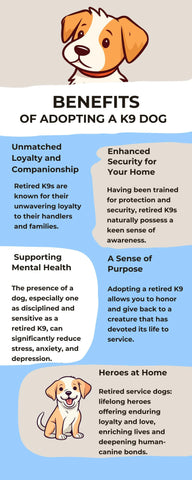
Benefits Of Adopting A Retired K9
Adopting a retired K9 dog offers unique rewards that go beyond typical pet ownership. These dogs come with training, loyalty, and a calm demeanor shaped by years of service. Understanding the benefits can help you see why a retired K9 might be the perfect addition to your home.
Well-trained And Disciplined Companions
Retired K9s have undergone extensive training in obedience and discipline. This means they already understand commands and can adapt quickly to your household rules. You won’t spend months teaching basic manners, making your life easier from day one.
Strong Bond And Loyalty
These dogs are known for their unwavering loyalty. Their bond with humans is deep, often built through years of working closely with handlers. When you adopt a retired K9, you gain a devoted companion who values trust and connection.
Calm And Balanced Temperament
After retiring from active duty, many K9s settle into a more relaxed and steady personality. They are less likely to be hyperactive, which suits families or individuals seeking a calm presence. This balance makes them excellent pets for various living situations.
Enhanced Security And Protection
Retired K9s have natural protective instincts and can alert you to unusual activities. Their presence alone can boost your home’s security without aggressive behavior. You gain peace of mind knowing your dog is watchful and alert.
Helping A Hero Transition To Civilian Life
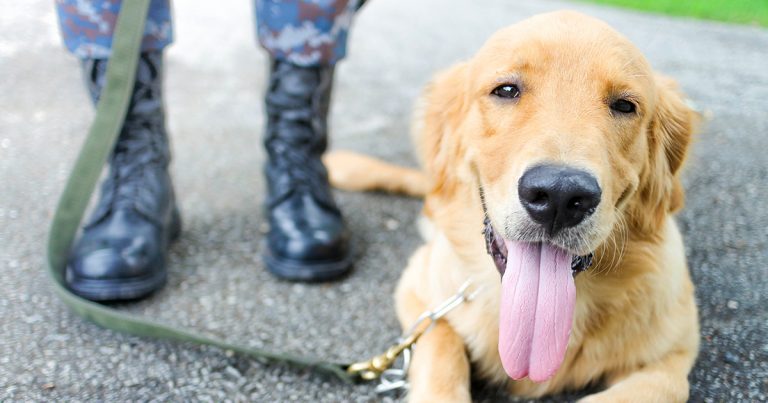
Adopting a retired K9 means giving a deserving dog a second chance at a happy life. These dogs often face uncertainty after service, and your care helps them adjust to a peaceful environment. How rewarding would it feel to provide comfort and stability to a canine hero?
Credit: www.diamondpet.com
Where To Find Retired K9s
Retired K9 dogs are often found through police departments or specialized adoption groups. These organizations help match retired service dogs with loving homes. Checking local law enforcement websites or rescue groups is a good place to start.
Adopting a retired K9 dog can be a rewarding experience, offering a unique blend of companionship and security. These dogs have dedicated years of service and often possess unmatched loyalty and discipline. But where do you begin when looking to adopt such a remarkable companion? Knowing where to find retired K9s is the first step in welcoming one of these incredible dogs into your home.Official Police And Military Organizations
Many police departments and military units have programs for adopting out their retired K9s. Contact your local police department to inquire if they have any dogs available for adoption. Military bases may also have similar programs, especially for those stationed near you.K9 Retirement Foundations
Several nonprofit organizations specialize in the care and placement of retired K9s. These foundations work closely with law enforcement agencies to ensure the dogs find loving homes. They often list available dogs on their websites, making it easy for you to see which dogs might be a good fit for your family.Online Platforms And Adoption Websites
Websites like Petfinder and Adopt-a-Pet often feature listings for retired K9s. These platforms allow you to filter your search by location and breed to find a match close to you. It’s a convenient way to explore options from the comfort of your home.Networking With K9 Handlers
Engaging with K9 handlers can provide insider information on dogs that may soon be up for adoption. Attend local dog events or connect through social media groups dedicated to K9 enthusiasts. Handlers can offer insights into the dog’s temperament and background, helping you make an informed decision.Animal Shelters And Rescue Groups
Occasionally, retired K9s may end up in shelters or rescue groups. Visit or contact your local animal shelters to inquire if they have any retired working dogs. While less common, these organizations are always eager to place animals in caring homes. Finding the right retired K9 for you requires patience and diligence. Each source offers unique opportunities, and exploring multiple options increases your chances of finding a perfect match. Are you ready to make a difference in a retired K9’s life and gain a devoted friend in return?Preparing Your Home
Preparing your home is a key part of adopting a retired K9 dog. These dogs need a calm and secure environment. A smooth transition helps them feel safe and comfortable. Taking time to get your space ready shows care and respect for their service.
Creating A Safe Space
Retired K9 dogs need a quiet and secure area. Choose a spot away from loud noises and heavy foot traffic. This space helps them relax and adjust to their new life. Use soft bedding and keep the area clean. Avoid sharp objects or small items they could swallow. This safe zone should be their retreat whenever they feel stressed.
Essential Supplies
Gathering the right supplies is important for their comfort and health. Some basics include:
- Sturdy collar and leash
- Comfortable dog bed or crate
- Food and water bowls
- High-quality dog food
- Toys to keep them engaged
- Grooming tools like brushes and nail clippers
- Cleaning supplies for accidents
Having these items ready helps your new dog settle in quickly. It also shows your readiness to care for their needs every day.
Understanding K9 Behavior
Adopting a retired K9 dog means welcoming a unique companion with a special background. Understanding their behavior helps create a smooth transition for both you and the dog. These dogs have spent years working closely with humans in high-pressure situations. Their instincts and habits reflect that training and experience.
Knowing what to expect from a retired K9 dog makes it easier to provide the right care. These dogs are loyal and disciplined but may need time to adjust to a calm home life. Recognizing their traits and needs helps build trust and a strong bond.
Common Traits
- Highly alert and aware of surroundings
- Strong bond with handlers or owners
- Disciplined and obedient due to training
- Protective and watchful nature
- High energy levels and need for exercise
- May show signs of stress in noisy or chaotic environments
Adjusting To Civilian Life
Retired K9 dogs require patience to settle into a quiet home. Their previous routines were strict and focused on tasks. Now, they need time to relax and learn new daily habits.
Introduce new environments slowly. Avoid loud noises or sudden changes that may stress the dog. Establish a consistent schedule with regular walks and rest periods. Positive reinforcement helps them feel safe and loved.
Remember, retired K9s have served with dedication. They deserve a calm and caring environment to enjoy their retirement.
Training And Socialization Tips
Training and socialization are key to helping a retired K9 dog adjust smoothly to a new home. These dogs come with unique backgrounds and skills, so your approach should respect their past experiences while guiding them toward new behaviors. Patience and consistency will be your best tools in building trust and confidence.
Understanding Your Retired K9’s Background
Retired K9 dogs often have specialized training that shapes their behavior. They may be used to strict routines and commands, which can be both a help and a challenge in everyday life. Take time to learn about their previous training and ask about any triggers or stress points.
Knowing their history helps you avoid confusion and frustration. For example, a dog trained for protection might react strongly to sudden movements. How can you create a calm environment that respects their instincts?
Starting With Basic Commands And Positive Reinforcement
Even if your retired K9 knows many commands, it’s important to review and reinforce the basics. Use clear, simple commands like “sit,” “stay,” and “come.” Reward good behavior immediately with treats or praise to build positive associations.
Consistency matters. Stick to the same words and gestures to reduce confusion. Positive reinforcement encourages your dog to repeat good behavior, making training a rewarding experience for both of you.
Introducing Socialization Gradually
Retired K9 dogs might be wary of strangers or other animals due to their past roles. Introduce new people and pets slowly to avoid overwhelming your dog. Start with calm, controlled settings before moving to busier environments.
Watch your dog’s body language closely. Signs of stress like raised hackles or growling mean it’s time to step back. How can you create social opportunities that feel safe and positive?
Creating A Routine That Provides Structure
Structure helps retired K9s feel secure. Establish regular times for walks, meals, and training sessions. This predictability reduces anxiety and strengthens your bond.
Include mental stimulation like puzzle toys or scent games to engage their sharp minds. Have you noticed how a tired dog is a happy dog?
Seeking Professional Help When Needed
Some retired K9 dogs may have behavioral challenges requiring expert guidance. Don’t hesitate to consult a professional trainer experienced with working dogs. They can tailor strategies to your dog’s unique needs.
Investing in professional help can save time and stress. What small step can you take today to start this journey?
Health Care Needs
Retired K9 dogs have special health care needs due to their age and previous work. Their bodies may show signs of wear from years of service. Proper care helps them enjoy a happy, comfortable life after retirement. Understanding these needs is essential for any adopter.
Regular Vet Visits
Frequent vet check-ups help spot health issues early. Retired K9s may need more tests than younger dogs. Vaccinations, dental care, and parasite control remain important. Ask the vet about any specific concerns from the dog’s past. Keep a health record to track changes over time.
Diet And Exercise
A balanced diet supports aging joints and overall health. Consult the vet for food suited to the dog’s needs. Older dogs often require fewer calories but more nutrients. Exercise keeps muscles strong and joints flexible. Gentle walks and playtime are ideal. Avoid overexertion to prevent injuries.
Building A Bond
Building a bond with a retired K9 dog takes patience and kindness. These dogs have served with discipline and may need time to adjust to a new home. Trust grows slowly but surely through gentle care and positive interactions.
Creating a strong connection helps the dog feel safe and loved. It also makes training and daily life easier for both of you. Understanding the dog’s past and respecting its needs are key steps in this process.
Creating A Calm Environment
Retired K9 dogs thrive in quiet, peaceful spaces. Loud noises and sudden movements can cause stress. Set up a calm area with a comfortable bed and familiar toys. This gives the dog a safe place to relax.
Using Positive Reinforcement
Reward good behavior with treats, praise, or gentle petting. Positive reinforcement encourages the dog to repeat actions that please you. Avoid punishment, which can damage trust and cause fear.
Establishing A Routine
Dogs feel secure when they know what to expect. Feed, walk, and play at regular times each day. A steady routine helps reduce anxiety and builds confidence.
Spending Quality Time Together
Simple activities like walking or sitting quietly build connection. Let the dog approach you and explore at its own pace. Consistent, calm attention shows your care and respect.
Understanding Body Language
Watch for signs of stress or comfort in your dog’s behavior. Relaxed ears and wagging tail mean happiness. Stiff posture or avoiding eye contact may signal discomfort. Respond gently and give space when needed.
Common Challenges And Solutions
Adopting a retired K9 dog is rewarding but comes with its share of challenges. Understanding these common hurdles can prepare you for a smoother transition. Let’s look at some difficulties you might face and practical ways to handle them.
Adjusting To A New Environment
Retired K9 dogs have spent years in structured, high-pressure environments. Your home might feel unfamiliar and confusing to them at first.
Help your dog settle by creating a calm, consistent space. Use familiar items like their old blanket or toys if possible. Patience is key—give them time to explore and feel safe without overwhelming them.
Managing Behavioral Issues
Some retired K9s show signs of anxiety or hypervigilance due to their intense training and experiences. They might bark excessively or react strongly to sudden noises.
Address these behaviors with gentle training and positive reinforcement. Regular exercise and mental stimulation can reduce stress. Have you noticed your dog reacting unusually? Try redirecting their attention with treats or play instead of scolding.
Understanding Medical Needs
Years of service can take a toll on a K9’s health. Joint issues, arthritis, or past injuries might require ongoing care.
Schedule a thorough veterinary checkup right after adoption. Learn about any special diets or medications they need. Keeping a health journal can help track changes and ensure timely care.
Building Trust And Bonding
Retired K9 dogs may struggle to trust new humans after working closely with handlers for years. This can make bonding slower than with typical pets.
Spend quiet time together without rushing interactions. Simple acts like gentle petting or sitting nearby can encourage trust. Ask yourself—how does your dog respond to your presence? Follow their cues and respect their pace.
Training Beyond Service Commands
These dogs have learned specific commands related to their duties, which might not fit everyday life. They may not understand basic household rules or social cues.
Re-teach basic commands like “sit” or “stay” using positive rewards. Consistency helps them adjust to a new routine. Consider enrolling in a local obedience class designed for retired working dogs to support this transition.
Credit: www.thinbluepaw.org.uk
Frequently Asked Questions
What Should I Know Before Adopting A Retired K9 Dog?
Understand retired K9 dogs need patience, training, and care. They may have special needs or anxiety. Research their history and consult experts for a smooth transition.
Where Can I Find Retired K9 Dogs For Adoption?
Retired K9 dogs are often available through police departments, military programs, or specialized adoption organizations. Contact local agencies or search online for reputable sources.
How Do I Prepare My Home For A Retired K9 Dog?
Create a safe, quiet space with a comfortable bed and fresh water. Remove hazards and provide toys. Establish a routine to help the dog adjust quickly.
What Are Common Health Issues In Retired K9 Dogs?
Retired K9 dogs may face arthritis, joint problems, or dental issues. Regular vet check-ups and a balanced diet help maintain their health and comfort.
Conclusion
Adopting a retired K9 dog brings joy and purpose. These dogs need love and a calm home. Give them patience and gentle care every day. Their loyalty and friendship will grow strong. Helping a retired K9 is a special gift.
It changes their life and yours too. Open your heart and welcome a hero friend. The bond you build will last forever.

Emily Barker is the founder of ChillDogLife.com, a space dedicated to helping pup parents discover the best dog products, lifestyle tips, and cozy ideas for happier homes.
A lifelong dog lover, Emily combines her passion for pets with a knack for research to share trusted recommendations on everything from toys and furniture to health and everyday care.
Her goal is simple: to make life easier, stylish, and more joyful for dogs and the people who love them.




