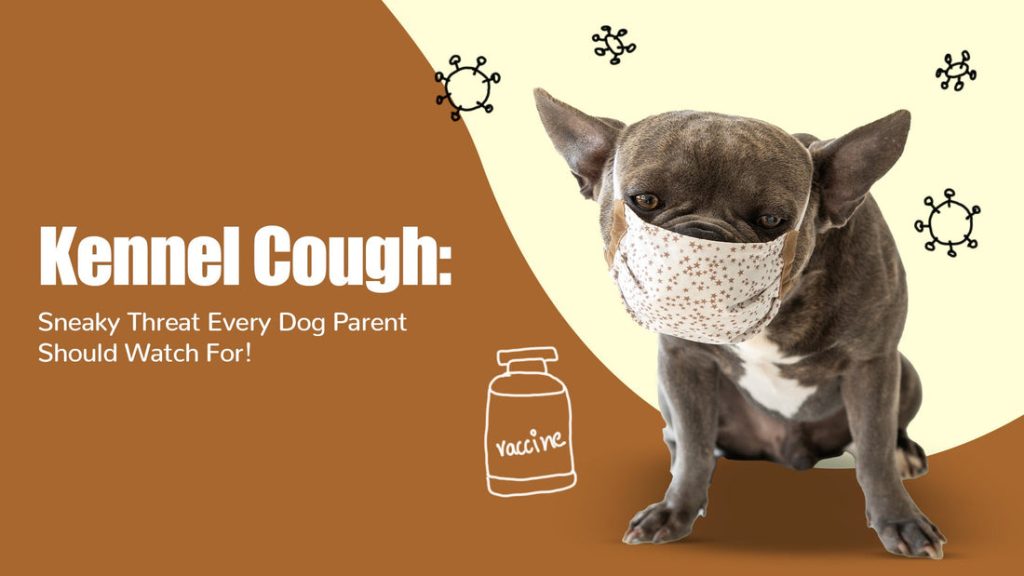
Have you ever noticed your dog coughing or gagging after a visit to the park or the doggy daycare? If so, you might be wondering, “How does a dog get kennel cough?” Understanding how this common infection spreads can help you protect your furry friend from discomfort and keep their tail wagging happily.
You’ll discover the simple ways kennel cough sneaks into your dog’s life and what you can do to prevent it. Keep reading to learn how to keep your best companion healthy and happy.

Credit: www.northpointeanimalhospital.com
What Is Kennel Cough
Kennel cough is a common illness that affects dogs’ respiratory system. It causes a harsh, dry cough that sounds like a honking noise. This infection is highly contagious and spreads easily among dogs.
Dogs of all ages can get kennel cough. It usually occurs in places where many dogs gather, like kennels, dog parks, and shelters. Understanding what kennel cough is helps protect your dog from catching it.
What Causes Kennel Cough?
Kennel cough is caused by different germs. The most common ones are bacteria and viruses. The bacteria Bordetella bronchiseptica is often involved. Viruses like parainfluenza can also cause this illness.
How Does Kennel Cough Affect Dogs?
The infection irritates the dog’s throat and windpipe. It leads to coughing fits that can last for weeks. Most dogs stay active but may feel tired. Some dogs might have a runny nose or mild fever.
How Does Kennel Cough Spread?
- Through the air when infected dogs cough or sneeze
- Direct contact with infected dogs
- Shared water bowls or toys
- Touching contaminated surfaces
Who Is At Risk?
Dogs in crowded places face higher risk. Puppies and older dogs often get sicker. Dogs with weak immune systems are more vulnerable. Vaccination can reduce the chance of infection.
Common Causes Of Kennel Cough
Dogs catch kennel cough through close contact with infected dogs in places like kennels, parks, or grooming salons. The illness spreads easily via coughs, sneezes, or shared water bowls. Crowded and poorly ventilated areas increase the risk of infection.
Understanding the common causes of kennel cough is essential for keeping your furry friend healthy and happy. Kennel cough, a respiratory infection, often spreads in areas where dogs congregate. Knowing what might cause it can help you take preventive measures.Bacterial Infections
The most frequent bacterial culprit is Bordetella bronchiseptica. This bacterium thrives in environments where dogs are in close quarters. If your dog spends time at daycare, grooming salons, or boarding facilities, they are at a higher risk.Viral Infections
Several viruses can also cause kennel cough, such as the canine parainfluenza virus and canine adenovirus. These viruses weaken the respiratory tract, making it easy for bacteria to invade. It’s similar to how a cold might make you more susceptible to other illnesses.Environmental Factors
Poor ventilation and high humidity levels can exacerbate the spread of kennel cough. Think about a time when you’ve been in a stuffy room—it’s not hard to imagine how germs can thrive there. Stressful environments can also lower your dog’s immune defenses. Regularly checking the facilities your dog visits can minimize these risks. Why not take a moment to inspect where your dog spends time? A small effort can lead to big health benefits for your pet.How Kennel Cough Spreads
Kennel cough spreads quickly among dogs in close contact. The infection moves easily through the air and by touching objects. Understanding how it spreads helps prevent outbreaks and keeps dogs safe.
Direct Contact
Dogs catch kennel cough by touching other infected dogs. This can happen during play, grooming, or close contact. The bacteria and viruses pass through saliva and nasal discharge.
Aerosol Transmission
The germs spread through the air when an infected dog coughs or sneezes. Tiny droplets carrying the infection float nearby. Other dogs breathe these droplets and get sick.
Contaminated Surfaces
Kennel cough germs live on surfaces like bowls, toys, and bedding. Dogs pick up the infection by licking or sniffing these items. Cleaning and disinfecting help reduce this risk.
Risk Factors For Dogs
Several factors raise a dog’s chance of getting kennel cough. Understanding these risks helps protect your dog from this common illness. Some dogs face higher risks due to their age, social life, and overall health.
Age And Immunity
Puppies and older dogs have weaker immune systems. Their bodies cannot fight infections well. Young dogs still build their defenses. Older dogs may have declining immunity. Both groups catch kennel cough more easily.
Social Environments
Places where many dogs gather increase infection risk. Dog parks, kennels, and grooming salons are hotspots. Close contact spreads kennel cough bacteria and viruses fast. Dogs in these settings face higher exposure.
Stress And Health
Stress weakens a dog’s immune response. Moving, boarding, or changes in routine cause stress. Dogs with other illnesses are more vulnerable. Poor nutrition and lack of exercise also affect health. All these factors raise the chance of infection.
Symptoms To Watch For
Recognizing the symptoms of kennel cough early helps protect your dog. Watch closely for changes in behavior and breathing. Prompt care can prevent complications and speed up recovery. Knowing the symptoms makes you ready to act quickly.
Cough Characteristics
The cough of kennel cough is dry and harsh. It often sounds like a honking noise. Your dog may cough after exercise or excitement. The cough can be frequent and may last for weeks. It does not usually bring up mucus.
Additional Signs
- Runny nose or watery eyes
- Sneezing or mild fever
- Loss of appetite or tiredness
- Swollen lymph nodes near the throat
- Gagging or retching after coughing
These signs vary by dog and severity. Some dogs only have a cough. Others show several symptoms. Watch for any unusual changes in your pet’s health.
Preventing Kennel Cough
Preventing kennel cough helps keep dogs healthy and active. It stops the spread of this contagious illness. Simple steps protect your dog from catching kennel cough.
Vaccination
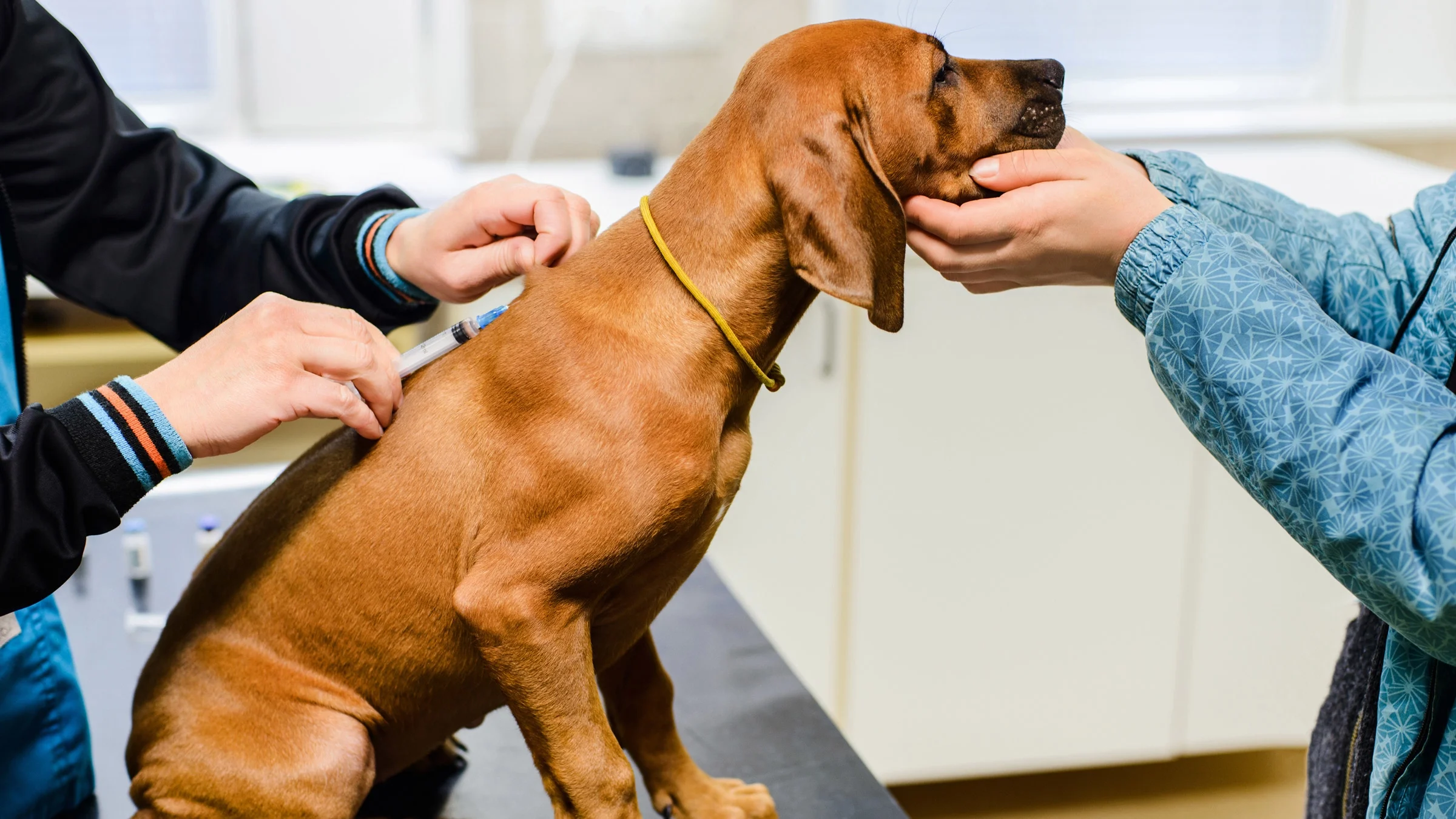
Vaccines reduce the risk of kennel cough. They prepare the dog’s immune system to fight the infection. Talk to your vet about the best vaccine options. Vaccination works best when given before exposure to crowded places.
Hygiene Practices
Clean your dog’s living area regularly. Wash bedding, bowls, and toys with hot water and soap. Dispose of waste promptly to reduce germs. Good hygiene lowers the chance of infection spreading.
Limiting Exposure
Avoid crowded dog parks and kennels during outbreaks. Keep your dog away from coughing or sick dogs. Monitor your dog’s health closely after social interactions. Limiting exposure helps prevent kennel cough in sensitive dogs.
When To See A Vet
Knowing when to see a vet is vital for your dog’s health. Kennel cough can seem mild but sometimes needs expert care. Watch your dog closely for signs that need attention.
Persistent Or Severe Coughing
A dry, harsh cough that lasts more than two weeks requires a vet visit. If coughing worsens or your dog struggles to breathe, seek help immediately.
Loss Of Appetite And Lethargy
Refusing food and low energy can signal complications. These symptoms mean your dog’s condition might be serious and needs medical care.
Difficulty Breathing Or Gagging
Heavy breathing, wheezing, or frequent gagging are red flags. These signs show your dog may have a severe infection or airway blockage.
Fever And Nasal Discharge
A high fever or thick nasal discharge may indicate a bacterial infection. Your dog might need antibiotics or other treatments from a vet.
Young, Old, Or Immunocompromised Dogs
Puppies, senior dogs, and those with weak immune systems need extra care. Early vet visits help avoid serious health problems in these pets.
.png)
Credit: drfrommdvm.com
Credit: www.goodrx.com
Frequently Asked Questions
What Causes Kennel Cough In Dogs?
Kennel cough is caused by bacteria and viruses, mainly Bordetella bronchiseptica. It spreads through airborne droplets from coughing or sneezing dogs. Direct contact or contaminated surfaces can also transmit it.
How Does Kennel Cough Spread Among Dogs?
Kennel cough spreads quickly in crowded places like kennels, dog parks, and shelters. Infected dogs release germs when they cough or sneeze, infecting nearby dogs through close contact or shared items like water bowls.
Can My Dog Get Kennel Cough From Other Animals?
Yes, kennel cough can spread from dogs to some other animals, like cats, but it’s rare. The main transmission is dog-to-dog through respiratory secretions or contaminated surfaces.
How Long Is Kennel Cough Contagious?
Dogs with kennel cough are contagious for up to two weeks after symptoms appear. They can spread the infection even before showing signs, so isolation is important during this period.
Conclusion
Dogs catch kennel cough mainly through close contact with other dogs. The illness spreads quickly in places like kennels and parks. It causes coughing and discomfort but usually clears with care. Vaccines and good hygiene help reduce risks. Watch your dog’s health and act fast if symptoms appear.
Knowing how kennel cough spreads keeps your dog safe and healthy. Keep your furry friend happy and protected every day.

Emily Barker is the founder of ChillDogLife.com, a space dedicated to helping pup parents discover the best dog products, lifestyle tips, and cozy ideas for happier homes.
A lifelong dog lover, Emily combines her passion for pets with a knack for research to share trusted recommendations on everything from toys and furniture to health and everyday care.
Her goal is simple: to make life easier, stylish, and more joyful for dogs and the people who love them.




