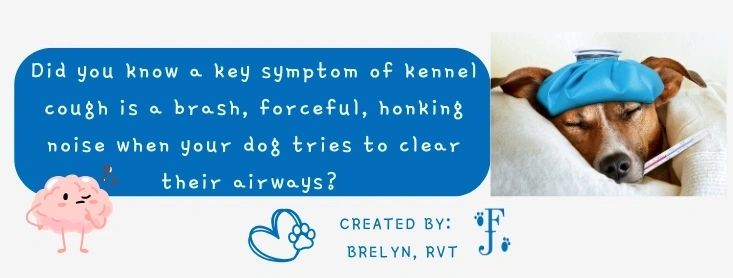
Have you noticed your dog coughing a lot lately? It might be kennel cough, a common and contagious illness that can make your furry friend uncomfortable.
But how did your dog get kennel cough in the first place? Understanding where this infection comes from is the first step to protecting your pet and keeping them healthy. You’ll discover the surprising ways kennel cough spreads and what you can do to stop it before it starts.
Keep reading to learn how to keep your dog happy and cough-free.
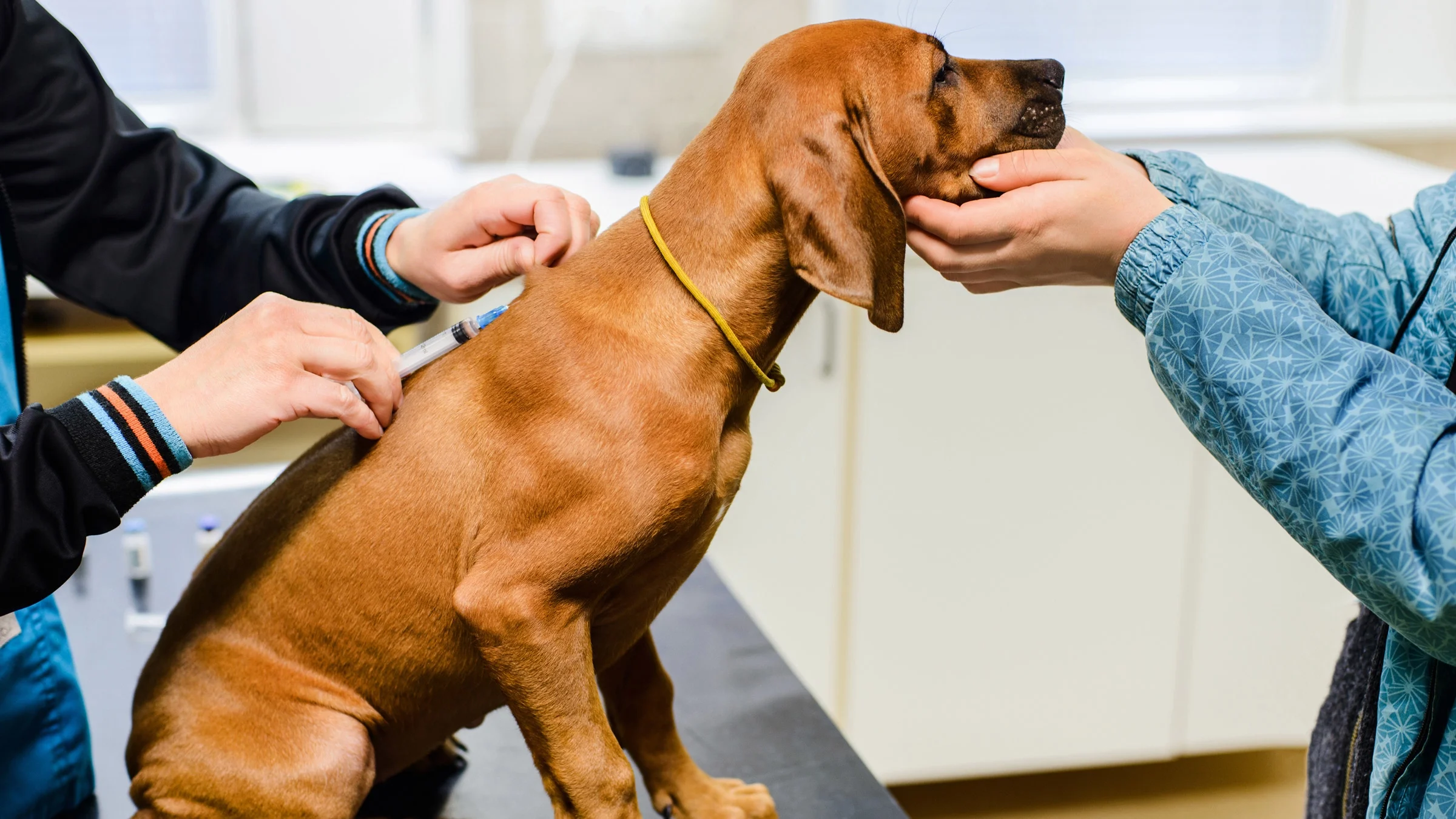
Credit: www.goodrx.com
What Is Kennel Cough
Kennel cough is a common illness in dogs. It affects the dog’s throat and lungs. This condition causes a harsh, dry cough that sounds like a honking noise. Dogs catch kennel cough easily, especially in places where many dogs gather.
Understanding kennel cough helps you recognize the symptoms and protect your dog better.
What Causes Kennel Cough?
Kennel cough is caused by several germs. The main cause is a bacteria called Bordetella bronchiseptica. Viruses like parainfluenza and adenovirus also play a role. These germs spread quickly in crowded places.
How Does Kennel Cough Spread?
Dogs catch kennel cough through the air. When an infected dog coughs or sneezes, it releases germs. Other dogs breathe in these germs and get sick. Sharing bowls, toys, or close contact also spreads the infection.
Who Is At Risk?
- Dogs in kennels or shelters
- Puppies with weak immune systems
- Dogs in dog parks or daycare
- Dogs traveling or staying with many other dogs
Symptoms To Watch For
- Persistent dry cough
- Gagging or retching
- Runny nose or sneezing
- Loss of appetite
- Low energy
Common Causes Of Kennel Cough
Understanding the common causes of kennel cough helps in prevention. This contagious respiratory disease affects dogs. It spreads quickly, especially in places like kennels. Knowing the causes can help you protect your furry friend.
Viral Infections
Several viruses can cause kennel cough. The most common is the canine parainfluenza virus. This virus weakens the dog’s immune system. It makes them more susceptible to other infections. Canine adenovirus type 2 is another virus. It also contributes to respiratory issues in dogs.
Bacterial Infections
Bordetella bronchiseptica is a key bacterium causing kennel cough. It spreads through direct contact or shared airspace. Dogs inhale the bacteria, leading to infection. This bacterium often works with viruses. Together, they make symptoms worse.
Environmental Factors
Crowded places increase the risk of kennel cough. Stress and poor ventilation also contribute. Inadequate air circulation allows germs to linger. Dogs in such environments are more vulnerable. Protect your dog by ensuring clean, well-ventilated spaces.
How Dogs Catch Kennel Cough
Understanding how your dog catches kennel cough is key to protecting their health. Kennel cough spreads easily among dogs, especially in certain situations. Knowing the common ways your dog might get exposed helps you spot risks early and take action.
Close Contact With Infected Dogs
Kennel cough is highly contagious through direct contact. When your dog sniffs, licks, or plays with an infected dog, the germs can pass quickly. Even a brief nose-to-nose greeting at a dog park or daycare can be enough to spread the infection.
Think about the last time you took your dog to a busy park. Were there dogs coughing or sneezing around? If yes, your dog might have been exposed without you even noticing.
Contaminated Surfaces
Germs causing kennel cough can survive on surfaces for hours or even days. Shared water bowls, toys, or kennel floors can harbor the bacteria or viruses. Your dog can pick up the infection by touching or licking these contaminated items.
It’s easy to overlook how often dogs share things, especially in boarding or grooming facilities. Regular cleaning and avoiding shared items when possible reduces this risk significantly.
Crowded Places
Places where many dogs gather increase the chance of kennel cough spreading rapidly. Boarding kennels, doggy daycares, and training classes often have close quarters and lots of interaction. This environment makes it simple for germs to hop from one dog to another.
Before you visit these places, ask about their health policies and sanitation routines. Could your dog’s next social outing actually put them at risk? Being cautious about where and when your dog mingles can make a big difference.
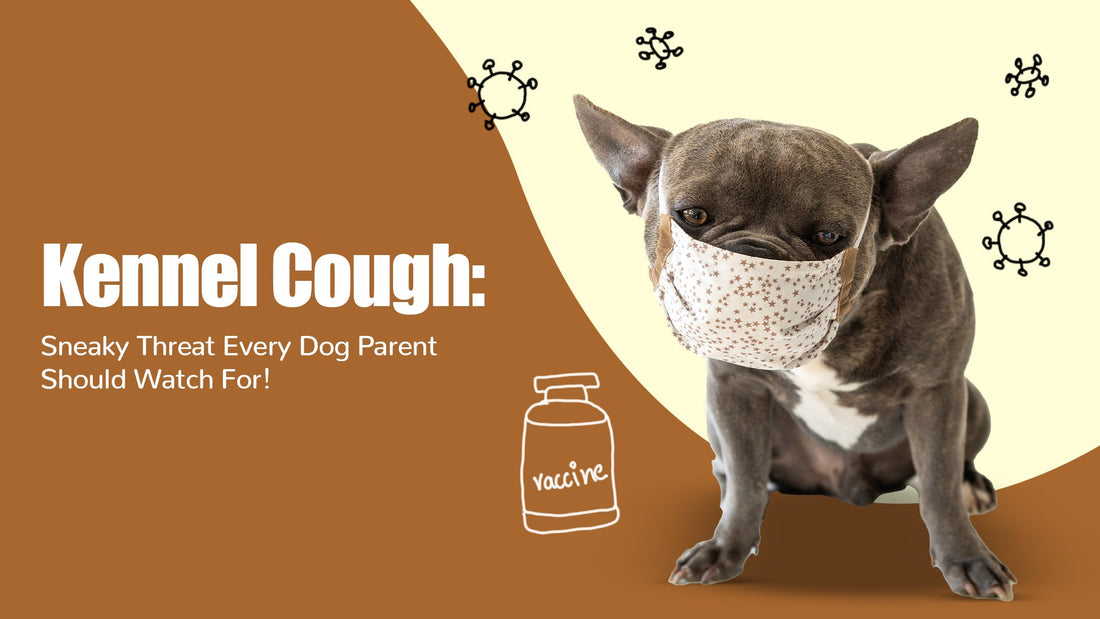
Credit: zigly.com
Risk Factors That Increase Infection
Understanding the risk factors that increase your dog’s chance of catching kennel cough can help you protect your furry friend better. Some dogs are more vulnerable due to their age, health, or environment. Identifying these risks can guide you in taking practical steps to reduce exposure and strengthen your dog’s defenses.
Age And Health Status
Puppies and older dogs are at greater risk because their immune systems are weaker. Younger dogs haven’t developed full immunity yet, while senior dogs may have underlying health issues.
If your dog has a chronic illness or compromised immunity, they are more likely to catch and suffer from kennel cough. Have you noticed your dog getting sick more often? It might be linked to their health status.
Lack Of Vaccination
Dogs that haven’t received the kennel cough vaccine are much more vulnerable to infection. Vaccines don’t guarantee 100% protection but significantly reduce the risk.
Missing booster shots or skipping vaccinations due to cost or convenience can leave your dog exposed in places like dog parks or kennels. Are your dog’s vaccinations up to date?
Stress And Poor Living Conditions
Stress weakens your dog’s immune system, making it easier for infections to take hold. Changes like moving to a new home, boarding, or exposure to noisy environments can increase stress levels.
Living in crowded or unsanitary conditions also raises the risk by exposing dogs to more germs. Think about your dog’s daily environment—could it be contributing to their vulnerability?
Signs Your Dog May Have Kennel Cough
Recognizing the signs of kennel cough early helps protect your dog’s health. This contagious respiratory infection spreads quickly among dogs in close contact. Watch for symptoms that show your dog might be sick.
Coughing That Sounds Like A Honking Noise
A persistent, harsh cough is the most common sign. It often sounds like a goose honking. This cough can last for weeks and may worsen with excitement or exercise.
Gagging Or Retching
Your dog may gag or retch after coughing fits. This happens because the throat feels irritated. Sometimes, it looks like your dog is trying to clear its throat.
Runny Nose And Sneezing
Clear nasal discharge and frequent sneezing may occur. These signs show the infection affects the upper respiratory system. Your dog might also breathe through the mouth more often.
Loss Of Appetite And Low Energy
Sick dogs often eat less and seem tired. Lack of appetite and lethargy can mean the illness is affecting their overall health. Watch for changes in daily behavior and activity levels.
Mild Fever And Eye Discharge
A slight fever may develop during kennel cough. Watery or sticky eyes can also appear. These symptoms signal your dog’s immune system is fighting the infection.
Preventing Kennel Cough In Dogs
Preventing kennel cough in dogs helps keep them healthy and happy. This contagious disease spreads easily in places where many dogs gather. Taking simple steps can reduce the risk of your dog catching kennel cough. Focus on vaccination, cleanliness, and controlling your dog’s exposure to other animals.
Vaccination Strategies
Vaccines help protect dogs from kennel cough bacteria and viruses. Talk to your vet about the right vaccination plan. Some vaccines work best when given before your dog visits dog parks or boarding facilities. Booster shots keep immunity strong over time. Vaccinating your dog lowers the chance of infection and limits disease spread.
Hygiene And Cleanliness
Clean environments reduce the germs that cause kennel cough. Regularly wash your dog’s bedding, toys, and bowls. Disinfect areas where your dog spends time, especially after visits to doggy daycares. Good hygiene helps stop bacteria from growing and spreading. Keep your dog’s nose and mouth clean to lower infection risk.
Limiting Exposure
Keep your dog away from sick dogs or crowded places during outbreaks. Avoid dog parks or kennels with poor health records. Quarantine new dogs before introducing them to others. Monitor your dog’s health and watch for cough or sneezing. Early action prevents kennel cough from spreading to your pet.
When To See A Vet
Recognizing when to see a vet is crucial for your dog’s health. Kennel cough can sometimes improve on its own. Other times, it needs professional care. Watch your dog’s behavior and symptoms closely. Early vet visits can prevent serious problems. Here are signs that show it’s time for a vet visit.
Persistent Or Severe Coughing
A cough lasting more than two weeks needs a vet’s check. Loud, harsh, or hacking coughs are warning signs. Coughing that causes gagging or vomiting also needs attention. These symptoms could mean your dog has a severe infection.
Difficulty Breathing Or Wheezing
Labored breathing or wheezing means your dog struggles to get air. This is a serious sign. Your dog needs immediate veterinary care to avoid complications.
Loss Of Appetite And Lethargy
Dogs with kennel cough usually stay active. If your dog stops eating or seems very tired, visit the vet. These signs can mean the illness is worsening or spreading.
Fever Or Nasal Discharge
High fever or thick nasal discharge is not normal. These symptoms suggest a bacterial infection or another illness. Your vet can provide the right treatment quickly.
Puppies, Senior Dogs, And Dogs With Health Issues
Young puppies, older dogs, and those with weak immune systems need vet care sooner. They can get sicker faster. Don’t wait to get professional advice for these dogs.

Credit: www.youtube.com
Frequently Asked Questions
What Causes Kennel Cough In Dogs?
Kennel cough is caused by bacteria and viruses, mainly Bordetella bronchiseptica. Dogs catch it through airborne droplets from coughing or sneezing infected dogs.
How Does My Dog Catch Kennel Cough?
Dogs catch kennel cough by close contact with infected dogs. Shared spaces like kennels, parks, or grooming salons increase transmission risk.
Can My Vaccinated Dog Still Get Kennel Cough?
Yes, vaccinated dogs can still get kennel cough. Vaccines reduce severity but do not guarantee complete immunity against all strains.
How Long Is Kennel Cough Contagious In Dogs?
Kennel cough is contagious for about 2 to 3 weeks. Infected dogs can spread it before symptoms appear and while coughing.
Conclusion
Kennel cough spreads easily among dogs in close places. It often comes from other dogs at parks, kennels, or grooming spots. Knowing how your dog caught it helps you keep them safe. Watch for coughing and take your dog to the vet quickly.
Good hygiene and avoiding crowded dog areas can lower risks. Stay alert and protect your pet’s health every day.

Emily Barker is the founder of ChillDogLife.com, a space dedicated to helping pup parents discover the best dog products, lifestyle tips, and cozy ideas for happier homes.
A lifelong dog lover, Emily combines her passion for pets with a knack for research to share trusted recommendations on everything from toys and furniture to health and everyday care.
Her goal is simple: to make life easier, stylish, and more joyful for dogs and the people who love them.




