If you’re looking for a dog collar that keeps your pet safe without causing discomfort, you might want to learn about the Martingale dog collar. Have you ever worried about your dog slipping out of their collar during walks?
Or felt unsure if your current collar is the right fit? This type of collar offers a smart solution that combines control and comfort. Keep reading to discover what makes the Martingale collar different and why it could be the perfect choice for your furry friend.
Credit: rcpets.com
Martingale Collar Basics
Martingale collars, often referred to as limited-slip collars, are a popular choice among dog owners who seek a balance between safety and control. Unlike traditional collars, martingale collars offer a unique design that prevents dogs from slipping out without causing discomfort or harm. If you’ve ever struggled with a dog that magically wiggles out of its collar, the martingale might just be the solution you’re looking for.
Design And Structure
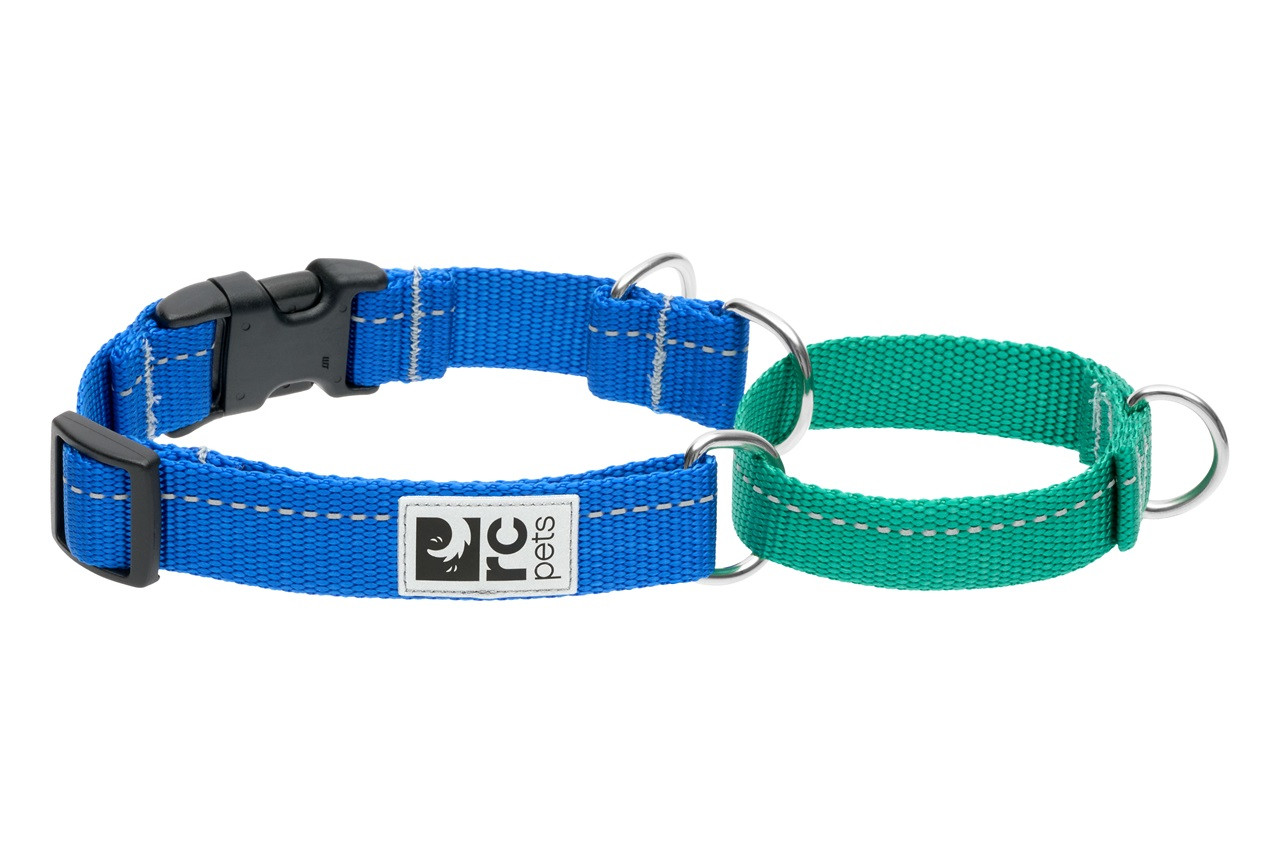
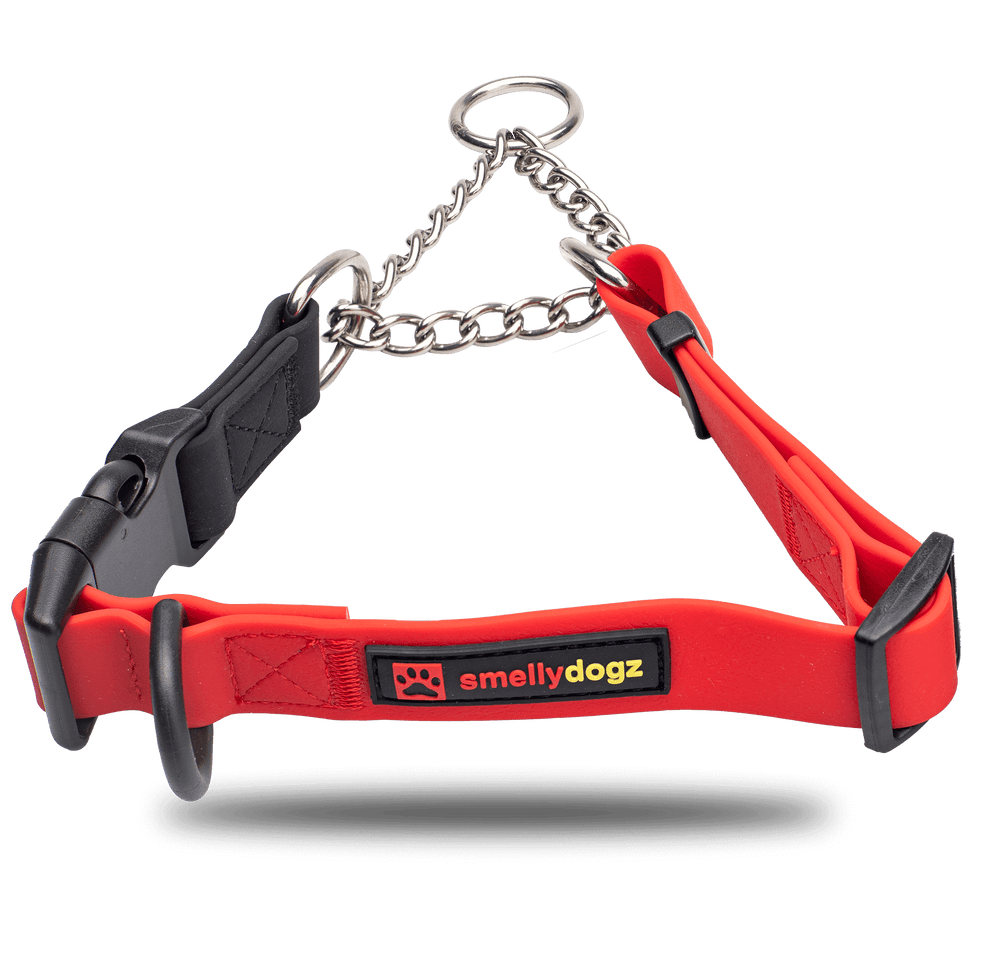
The martingale collar consists of two loops: a larger loop that fits around the dog’s neck and a smaller loop that connects to the leash. The design ensures that the collar tightens slightly when the dog pulls, but without choking. This distinctive structure makes it ideal for breeds with narrower heads, like Greyhounds or Whippets, who often escape traditional collars.
How It Works
When your dog pulls on the leash, the smaller loop tightens, reducing the size of the larger loop around the neck. This tightening effect applies gentle pressure, discouraging your dog from pulling further. As soon as the pulling stops, the collar loosens to its original size, providing comfort and ease.
Have you ever noticed how some collars leave your dog either gasping for air or slipping out like a magician? The martingale collar elegantly solves this problem. It offers a snug fit without the risk of strangulation.
Materials Used
Martingale collars come in a variety of materials, each offering its own benefits. Commonly, they’re made from durable nylon, which is both strong and lightweight. Leather options are available too, providing a classic look and exceptional durability.
For those who love to express their dog’s personality, many martingale collars come in vibrant colors and patterns. Whether you prefer a simple, elegant design or a bold statement piece, there’s a martingale collar out there that matches your taste. What material would you trust more for your dog’s safety and style?
Incorporating a martingale collar into your routine could transform your daily walks. With the right design, understanding of its function, and choice of material, you’re not just buying a collar—you’re investing in your dog’s well-being and your peace of mind.

Credit: www.amazon.com
Benefits For Dogs
Martingale dog collars offer several benefits that improve a dog’s daily life. They provide control without hurting the dog’s neck. These collars are gentle yet effective, making walks safer and more comfortable. Dogs feel secure and owners gain peace of mind. Understanding these benefits helps in choosing the right collar for your pet.
Preventing Escape
Martingale collars tighten slightly if a dog tries to slip out. This prevents escape without choking. The collar fits snugly but never squeezes too hard. Dogs with narrow heads, like Greyhounds, especially benefit. Owners worry less about their dogs running away during walks.
Comfort And Safety
The collar’s design spreads pressure evenly around the neck. It reduces risk of injury from pulling or sudden jerks. Soft materials often line the collar for added comfort. Dogs can wear it for long periods without irritation. Safety and comfort go hand in hand with Martingale collars.
Training Advantages
Martingale collars help teach dogs proper leash behavior. Gentle tightening signals the dog to stop pulling. This feedback is clear without causing pain. Trainers use these collars to improve walking manners. They support positive training by encouraging calm and control.
Choosing The Right Size
Choosing the right size for a Martingale dog collar is key to your dog’s comfort and safety. A collar too tight can hurt your dog, while one too loose might slip off. The perfect fit keeps control without causing discomfort. Measure carefully and use collars with good adjustability to find the ideal size.
Measuring Your Dog
Use a soft tape measure to find your dog’s neck size. Measure around the thickest part of the neck, usually just below the ears. Leave enough room to fit two fingers between the tape and the neck. Note this measurement to compare with collar sizes. Some collars list minimum and maximum neck sizes for better fit.
Adjustability Features
Choose a Martingale collar with adjustable rings or sliders. These allow you to change the collar size as your dog grows or gains weight. A good adjustable collar ensures a snug fit without choking. Check if the collar has a stop ring to prevent over-tightening. This feature adds safety and control during walks.
Comparing Collar Types
Choosing the right collar for your dog affects comfort and control during walks. Different collars serve different purposes and suit various dog behaviors. Comparing collar types helps find the best fit for training and safety. The Martingale collar stands out for its unique design and gentle control. Understanding how it compares to other common collars clarifies its benefits and limitations.
Martingale Vs. Flat Collar
The flat collar is simple and common. It fits snugly around the dog’s neck and stays loose unless pulled. Flat collars are easy to put on and come in many styles. They hold ID tags and are good for calm dogs.
The Martingale collar tightens slightly when the dog pulls. This prevents slipping out without choking. It offers more control than a flat collar but is gentler than harsh collars. Ideal for dogs with narrow heads or those that escape flat collars.
- Flat collars: simple, loose, less control
- Martingale collars: gentle tightening, better control
- Martingales reduce slipping without choking
Martingale Vs. Choke Chain
The choke chain tightens hard around the neck when pulled. It can cause discomfort or injury if misused. This collar is mainly for strong or stubborn dogs under experienced handling.
The Martingale collar tightens only enough to prevent slipping. It avoids the harsh squeeze of choke chains. Safer and more comfortable for most dogs. It gives control without pain.
- Choke chains: strong tightening, risk of injury
- Martingales: gentle tightening, safer for dogs
- Martingales suit training without harsh corrections
When To Use A Martingale Collar
Knowing when to use a Martingale collar can make a big difference in your dog’s safety and comfort during walks. This type of collar is not just another accessory; it serves a specific purpose that suits certain dogs better than standard collars. Understanding the right situations and dog types for a Martingale collar helps you make the best choice for your furry friend.
Suitable Dog Breeds
Martingale collars are especially useful for dogs with narrow heads or necks that are similar in size, like Greyhounds, Whippets, and other sighthounds. These breeds can easily slip out of regular collars, making the Martingale a safer option.
Besides sighthounds, dogs with thick fur or those who tend to back out of collars also benefit from this design. If your dog’s head is smaller than their neck, this collar prevents escape without choking.
Have you noticed your dog slipping out of their collar during walks? This might be a clear sign to try a Martingale collar for better control and security.
Behavioral Considerations
Martingale collars work well for dogs that pull or lunge but do not require harsh correction. The collar tightens slightly when the dog pulls, giving a gentle reminder to stay close without hurting them.
Dogs who are reactive or easily distracted can benefit from the subtle control this collar offers. It helps you guide your dog calmly instead of resorting to forceful methods that might increase anxiety.
If your dog has shown aggressive behavior or strong pulling instincts, a Martingale collar is a practical tool to teach better leash manners. However, it’s important to pair it with positive training techniques to see lasting improvements.
How To Fit A Martingale Collar
Fitting a martingale collar correctly is key to your dog’s comfort and safety. This collar tightens slightly if your dog pulls but never chokes. Adjusting it right ensures it stays snug without hurting your dog.
Follow simple steps to make sure the collar fits perfectly. Avoid common errors that can cause discomfort or reduce the collar’s effectiveness.
Step-by-step Fitting Guide
- Place the collar around your dog’s neck with the larger loop open.
- Slide the smaller loop through the D-ring on the larger loop.
- Adjust the collar so the larger loop fits loosely around the neck.
- The smaller loop should tighten slightly when pulled but not choke.
- Check that you can fit two fingers comfortably between the collar and neck.
- Let your dog walk to see if the collar stays in place without slipping.
Common Fitting Mistakes
- Making the collar too tight, causing discomfort or choking risk.
- Leaving the collar too loose, allowing the dog to slip out.
- Not adjusting the collar after your dog grows or gains weight.
- Using a collar that is too wide or narrow for your dog’s neck.
- Ignoring signs of rubbing or irritation on your dog’s skin.
Maintenance And Care
Taking care of your Martingale dog collar is key to keeping it safe and comfortable for your dog. Regular maintenance helps the collar last longer and keeps it looking good. You might notice small issues before they become big problems by paying attention to your collar’s condition.
Cleaning Tips
Cleaning your Martingale collar depends on the material. Nylon collars can usually be washed with mild soap and warm water. Use a soft brush or cloth to gently scrub away dirt and grime.
Leather collars need special care. Wipe them with a damp cloth and use a leather conditioner to keep the material soft and prevent cracking. Avoid soaking leather collars in water, as this can damage them.
Dry your collar completely before putting it back on your dog. Leaving it damp can cause odors or mildew. Have you ever noticed a collar smelling bad after a walk in the rain? That’s a sign it needs better drying.
Inspecting For Wear
Check your collar regularly for signs of wear and tear. Look closely at the stitching, metal parts, and any plastic buckles. Are there frayed edges or loose threads?
Metal rings can rust or bend, which might make the collar unsafe. If you spot any damage, replace the collar or parts immediately to avoid accidents. Remember, a worn collar can fail when your dog pulls or tugs.
Keep an eye on how the collar fits your dog too. If your dog’s neck size changes, adjust the collar or consider a new one. A collar that’s too tight or too loose can cause discomfort or escape risks.
Safety Tips And Precautions
Using a Martingale dog collar safely requires attention and care. These collars are designed to tighten when your dog pulls, which means they can cause discomfort or injury if not used correctly. Understanding how to handle your Martingale collar can protect your dog while giving you confidence during walks.
Avoiding Over-tightening
Over-tightening is a common risk with Martingale collars. If the collar tightens too much, it can restrict your dog’s breathing or cause skin irritation.
To prevent this, adjust the collar so it sits comfortably loose when your dog is relaxed. It should only tighten enough to prevent slipping off, not choke your pet.
Have you checked the fit of your dog’s collar today? A good test is to slide two fingers under the collar—if you can’t, it’s too tight.
Supervised Use Recommendations
Martingale collars are best used under supervision. Leaving your dog unattended with this collar can be dangerous if it gets caught on something.
During walks or training sessions, keep an eye on how the collar moves and tightens. If your dog is resting or playing alone, consider removing the collar to avoid accidents.
Think about how your dog behaves when unsupervised—does your dog explore tight spaces or chew on collars? These habits make supervision even more important.
Credit: www.smellydogz.com
Frequently Asked Questions
What Is A Martingale Dog Collar?
A Martingale dog collar is a limited-slip collar. It tightens slightly when the dog pulls but prevents choking. It’s ideal for dogs with narrow heads or those prone to slipping out of collars.
How Does A Martingale Collar Work?
A Martingale collar uses two loops. The larger loop goes around the dog’s neck. When the dog pulls, the smaller loop tightens, preventing escape without choking. This design offers control with safety.
Who Should Use A Martingale Collar?
Martingale collars are best for dogs with narrow heads, like Greyhounds. They are also good for training dogs that pull or slip out of regular collars. It provides gentle control without hurting the dog.
Is A Martingale Collar Safe For Dogs?
Yes, Martingale collars are safe when used correctly. They apply gentle pressure and prevent choking. Proper fitting is essential to avoid discomfort or injury. Always supervise your dog while wearing one.
Conclusion
A Martingale dog collar helps keep dogs safe and comfortable. It fits snugly without choking your pet. Many dog owners prefer it for training and walks. This collar type controls pulling gently. It suits dogs with narrow heads well. Choosing the right collar shows you care.
Safe gear makes walks more enjoyable for both. Consider a Martingale collar for better control and comfort. Your dog deserves a collar that fits just right. Simple, effective, and kind to your furry friend.

Emily Barker is the founder of ChillDogLife.com, a space dedicated to helping pup parents discover the best dog products, lifestyle tips, and cozy ideas for happier homes.
A lifelong dog lover, Emily combines her passion for pets with a knack for research to share trusted recommendations on everything from toys and furniture to health and everyday care.
Her goal is simple: to make life easier, stylish, and more joyful for dogs and the people who love them.




