Your dog’s bed is their cozy retreat, a place full of comfort and love. But just like your own bedding, it needs regular cleaning to keep it fresh and healthy.
If you’ve ever wondered how to wash a dog bed without ruining it, you’re in the right place. This guide will show you simple, effective steps to keep your furry friend’s favorite spot clean and smelling great. Keep reading—you’ll learn easy tips that save time and protect your pet’s health.
Choosing The Right Cleaning Method
Choosing a cleaning method depends on the bed’s material and care label instructions. Some beds can be machine washed, while others need hand washing or spot cleaning. Always pick a gentle option to keep the bed fresh and safe for your dog.
Choosing the right cleaning method for your dog bed can make all the difference in keeping it fresh and durable. Whether you’re dealing with mud, fur, or those occasional accidents, knowing how to properly clean the bed will extend its life and keep your furry friend’s space hygienic. It’s essential to consider what type of dog bed you have to determine the best cleaning approach.Machine Washable Beds
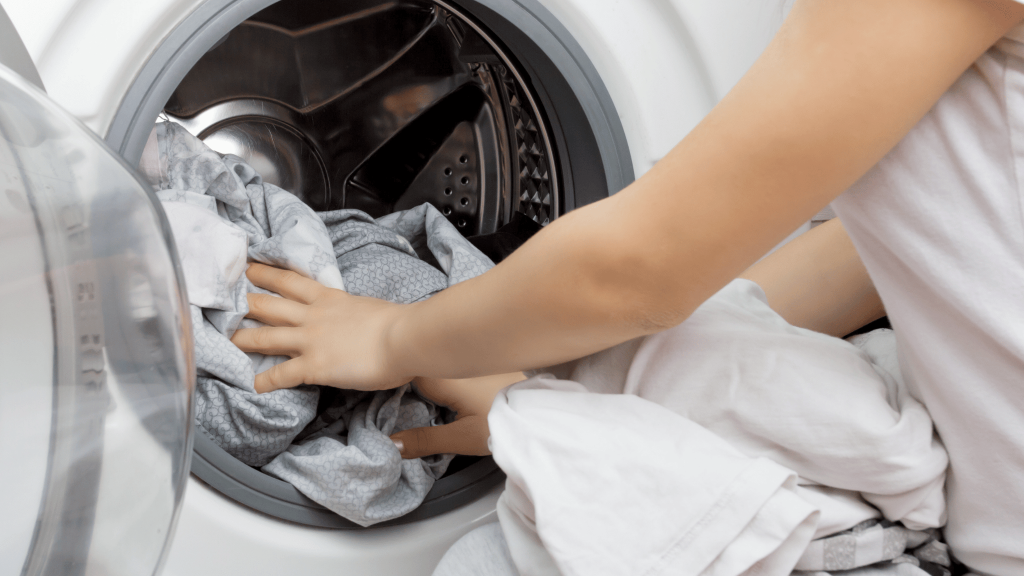
If your dog bed is machine washable, congratulations! You have one of the easiest types to clean. – Check the Label: Always start by reading the care label. It provides specific instructions and any potential warnings. – Remove Loose Dirt: Use a vacuum cleaner or lint roller to remove hair and debris from the surface. – Pre-Treat Stains: If there are any stains, apply a stain remover before washing. Look for pet-safe options to avoid irritating your dog’s skin. – Use Gentle Cycle: Opt for a gentle cycle with cold or warm water to protect the fabric. Add a pet-safe detergent to the wash. – Dry Thoroughly: Air drying is often best to prevent shrinkage. If using a dryer, choose a low heat setting. Have you ever washed something only to find it’s shrunk? That’s why checking the care label and washing in the gentle cycle is crucial!Non-machine Washable Beds
For beds that can’t be tossed in the washing machine, you’ll need a different approach. – Vacuum Regularly: Regular vacuuming can remove hair and dirt. It’s a quick way to freshen up the bed between deep cleans. – Spot Clean Stains: Use a damp cloth with mild soap to dab at any stains. Avoid soaking the material, as it can lead to mold. – Deodorize: Sprinkle baking soda over the bed and let it sit for 15 minutes. Vacuum it up for a fresh scent. – Sun Dry: If possible, place the bed in direct sunlight. The UV rays can help kill bacteria and eliminate odors. Have you thought about how sunlight acts as a natural disinfectant? It’s an eco-friendly way to keep your dog’s bed smelling fresh! By considering the specific cleaning needs of your dog bed, you can ensure a clean, cozy spot for your furry companion. Whether machine washable or not, each method offers a tailored approach to maintaining a fresh environment for your pet.
Credit: www.tag24.com
Preparing The Dog Bed
Preparing your dog’s bed before washing is key to getting it truly clean and fresh. Taking a bit of time here saves you from extra work later and helps keep your pup’s favorite spot comfy. Let’s look at the important steps you shouldn’t skip before tossing that bed into the wash.
Remove Loose Hair And Debris
Start by shaking the bed outside to get rid of loose hair and dirt. You can also use a vacuum cleaner with a brush attachment to suck up stubborn fur and crumbs. If you don’t do this first, the washer might get clogged or the hair could stick even more tightly to the fabric.
Have you noticed how much hair can pile up even after a quick shake? A lint roller or a damp rubber glove can help pick up remaining hairs. This step makes a big difference in how clean the bed will be after washing.
Check For Damage
Before washing, inspect the bed for any tears, holes, or worn areas. Washing can worsen these damages, causing stuffing to spill out or the fabric to rip more. Repairing small holes with a needle and thread can save you from having to buy a new bed prematurely.
Think about the last time you washed a dog bed with a hidden tear—did the stuffing come out everywhere? Catching these problems early keeps your dog’s bed intact and your laundry room mess-free.
Washing Machine Instructions
Cleaning your dog bed in the washing machine saves time and effort. Proper washing helps remove dirt, hair, and odors. It also keeps your dog’s resting place fresh and healthy. Follow these simple instructions for the best results.
Selecting The Proper Detergent
Choose a mild detergent that is free from dyes and fragrances. Harsh chemicals can irritate your dog’s skin. Look for detergents labeled as hypoallergenic or designed for sensitive skin. Avoid fabric softeners as they can leave residues harmful to pets.
Setting The Correct Wash Cycle
Use a gentle or delicate cycle to protect the fabric and stuffing. Select cold or warm water to avoid shrinking or damage. Heavy-duty cycles may be too rough for the bed materials. Check the care label on the dog bed for specific instructions.
Drying Tips
Air drying is best to keep the bed’s shape intact. If using a dryer, select a low heat or air fluff setting. Avoid high heat, which can damage the fabric and stuffing. Adding clean tennis balls to the dryer helps keep the bed fluffy.
Hand Washing Techniques
Hand washing your dog’s bed can be a gentle yet effective way to keep it clean, especially if the bed is delicate or the washing machine isn’t an option. This method allows you to control the cleaning process closely and ensures that no harsh chemicals or rough cycles damage the fabric or stuffing. Let’s look at simple techniques to make hand washing straightforward and successful.
Using Mild Detergents
Choose a mild detergent designed for sensitive fabrics or baby clothes. Harsh detergents can irritate your dog’s skin and ruin the bed’s material. Always read the label to avoid bleach or strong fragrances that might cause discomfort to your pet.
Mix a small amount of detergent with warm water in a basin or tub. The water should feel warm to the touch but not hot, to protect both the fabric and your dog’s health.
Soaking And Scrubbing
Start by soaking the dog bed in the soapy water for 10 to 15 minutes. This helps loosen dirt, hair, and oils trapped in the fabric and stuffing. You’ll notice how much easier the grime comes off after soaking.
Use a soft brush or cloth to gently scrub the surface, focusing on stained or heavily soiled areas. Avoid vigorous scrubbing that might tear the fabric or flatten the stuffing. Have you ever noticed that some stains disappear with just a little patience and gentle effort?
Rinsing Thoroughly
Rinse the bed under clean, running water to remove all soap residue. It’s crucial to rinse thoroughly because leftover detergent can irritate your dog’s skin or cause the fabric to stiffen. Press the bed gently to help expel the soapy water, but don’t wring it out, as this can damage the filling.
Keep rinsing until the water runs clear, indicating all detergent is gone. Remember, a well-rinsed bed is a healthier bed for your furry friend.
Air Drying
After rinsing, place the bed in a well-ventilated area to air dry. Avoid direct sunlight if the fabric or colors are prone to fading. You can speed up drying by patting the bed with a clean towel to soak up excess water.
Fluff the bed occasionally during drying to maintain its shape and softness. Have you tried this simple trick? It keeps the bed feeling fresh and comfortable for your dog.
Dealing With Stains And Odors
Stains and odors can make your dog’s bed less inviting for both you and your furry friend. Tackling these issues promptly helps keep the bed fresh and extends its lifespan. You don’t need harsh chemicals or expensive products to get great results—simple solutions often work wonders.
Natural Cleaning Solutions
Natural ingredients like baking soda, vinegar, and lemon juice are powerful at breaking down stains and neutralizing odors. Sprinkle baking soda directly onto the bed and let it sit for 15-30 minutes before vacuuming to absorb smells.
If you find a stubborn stain, mix equal parts white vinegar and water in a spray bottle. Spray the solution on the spot, then blot gently with a clean cloth. The vinegar not only cleans but also kills bacteria causing odors.
Lemon juice can brighten up dingy fabric and leave a fresh scent. Try adding a few tablespoons to your washing machine when cleaning the bed cover. Have you ever noticed how natural scents can instantly refresh a space without overwhelming it?
Commercial Odor Removers
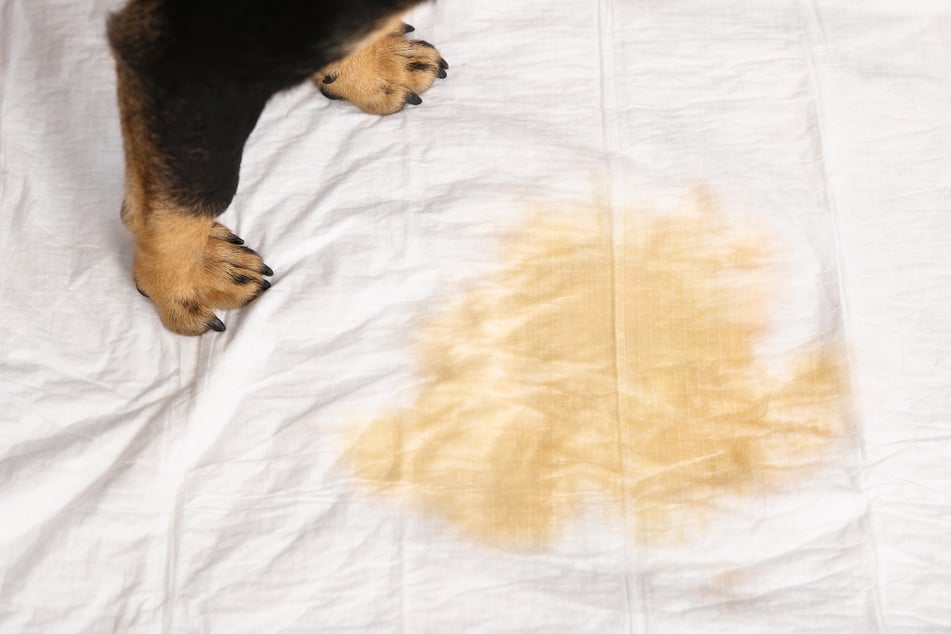
Sometimes natural methods aren’t enough, especially with persistent odors like urine or mildew. Commercial odor removers designed specifically for pet fabrics can be a game-changer.
Look for enzyme-based cleaners that break down organic stains at the source instead of masking smells. They are safe to use on most dog beds and prevent your pet from revisiting the same spot to re-mark.
Always test a small hidden area first to avoid discoloration. Applying the product according to instructions, then allowing the bed to dry completely, ensures the best results. What’s your experience with commercial cleaners—do they live up to the hype or fall short?
Credit: www.tag24.com
Maintaining A Fresh Dog Bed
Keeping your dog’s bed fresh isn’t just about appearance—it’s about your pet’s health and comfort too. A clean bed helps prevent odors, pests, and skin irritations. You’ll notice your dog feels more relaxed and happy in a fresh sleeping spot.
Regular Cleaning Schedule
Set a cleaning routine that fits your dog’s activity level and shedding. Most beds benefit from a weekly wash, but if your dog spends a lot of time outside, bi-weekly might work better. Don’t forget to shake out loose dirt or hair daily—it makes washing easier and keeps the bed fresher longer.
I once ignored this and was surprised by the musty smell that crept in after just a few weeks. A quick schedule fixed that, and now I keep a calendar reminder for washing day. What’s your current cleaning routine, and could it use a little tweak?
Using Protective Covers
Protective covers are a game changer for maintaining freshness. They create a barrier against dirt, hair, and moisture, making cleaning faster and less frequent. Choose covers made from machine-washable, durable fabric to handle regular washing without wearing out.
Think about adding a waterproof layer if your dog is prone to accidents or loves the outdoors. This extra step keeps the mattress dry and odor-free. Have you tried using a cover, or do you rely on washing the entire bed? Covers might save you time and effort!
&qlt=85&resMode=sharp2&op_usm=1.75,0.3,2,0)
Credit: www.orvis.com
Frequently Asked Questions
How Often Should I Wash My Dog Bed?
Washing your dog bed every 1-2 weeks helps prevent odors and bacteria buildup. Frequent cleaning keeps your pet healthy and comfortable.
Can I Machine Wash All Types Of Dog Beds?
Most removable covers are machine washable. Check the care label for specific instructions to avoid damage to foam or padding.
What Detergent Is Best For Washing Dog Beds?
Use a mild, pet-safe detergent free from harsh chemicals or fragrances. This protects your dog’s skin and prevents allergies.
How Do I Dry A Dog Bed Properly?
Air drying is best to maintain shape and prevent mildew. If using a dryer, choose a low-heat setting and remove promptly.
Conclusion
Keeping your dog’s bed clean helps your pet stay healthy and happy. Wash the bed regularly to remove dirt, hair, and odors. Use gentle detergent and follow washing instructions carefully. Dry the bed completely before use to avoid mold. Clean beds also reduce allergies and keep your home fresh.
A little effort goes a long way in caring for your dog. Remember, a clean bed means a comfortable place for your furry friend to rest. Simple steps make a big difference every day.

Emily Barker is the founder of ChillDogLife.com, a space dedicated to helping pup parents discover the best dog products, lifestyle tips, and cozy ideas for happier homes.
A lifelong dog lover, Emily combines her passion for pets with a knack for research to share trusted recommendations on everything from toys and furniture to health and everyday care.
Her goal is simple: to make life easier, stylish, and more joyful for dogs and the people who love them.




