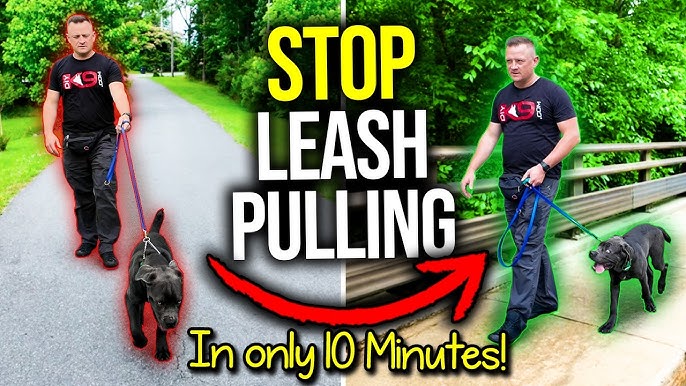
Is your dog pulling on the leash every time you go for a walk? It can be frustrating, tiring, and even dangerous for both of you.
But don’t worry—teaching your dog to walk calmly by your side is easier than you think. You’ll discover simple, effective steps to stop leash pulling for good. Imagine enjoying peaceful walks where your dog stays close and listens to you.
Keep reading to learn how you can make that happen today.
Why Dogs Pull On Leash
Understanding why your dog pulls on the leash is the first step toward changing this behavior. Dogs don’t pull to annoy you; they have reasons that make sense to them. If you know these reasons, you can address them directly and make walks more enjoyable for both of you.
Common Causes
Many dogs pull simply because they are excited to explore the world. Imagine being cooped up all day and suddenly having a chance to run and sniff—your dog feels the same thrill.
Another common cause is a lack of proper leash training early on. If your dog never learned to walk calmly beside you, pulling becomes the default way to move forward.
- Energy levels:High-energy dogs often pull because they want to burn off excitement.
- Lack of exercise:Dogs with pent-up energy might pull harder during walks.
- Curiosity:Dogs want to check out every sound, smell, or movement.
- Distractions:Other dogs, people, or wildlife can cause your dog to jerk forward.
Behavioral Triggers
Pulling can also be a reaction to anxiety or fear. A dog scared of loud noises or unfamiliar places might pull to escape the situation.
Sometimes, pulling is a habit reinforced by your reactions. If your dog pulls and you move forward, they learn that pulling works to get what they want.
Think about moments when your dog pulls the hardest. Is it when you pass a noisy street or meet another dog? These triggers offer clues about what your dog feels and why they react that way.
- Fear or anxiety:Pulling to get away from stressors.
- Reinforcement:Moving forward when your dog pulls encourages the behavior.
- Attention-seeking:Pulling to get you to notice or interact.
Have you noticed specific patterns in your dog’s pulling? Paying attention to these can help you create a targeted training plan that truly works.
Choosing The Right Equipment
Choosing the right leash and collar helps control your dog better during walks. A front-clip harness reduces pulling more than a regular collar. Proper equipment makes training easier and safer for both you and your dog.
Choosing the right equipment can make a big difference. The correct gear helps in training your dog to walk calmly. It ensures both you and your dog enjoy your walks.Collars Vs Harnesses
Collars are the most common choice. They are simple and easy to use. But they can put pressure on a dog’s neck. This might hurt or stress some dogs. Harnesses distribute pressure more evenly. This makes them a better choice for dogs that pull. They also provide more control over your dog’s movements.Benefits Of No-pull Gear
No-pull gear can be very helpful. It helps train your dog not to pull. These tools discourage pulling without causing harm. No-pull harnesses have a front clip. This design redirects your dog’s movement. It gently guides them back to you. Some no-pull collars use gentle pressure. This helps in reducing pulling behavior over time. Using the right equipment can make training easier. It ensures a safe and enjoyable walk for both you and your dog.Basic Training Techniques
Basic training techniques lay the foundation for teaching your dog not to pull on the leash. These methods create clear communication and build good walking habits. Patience and consistency are key throughout the process. Use simple commands and rewards to guide your dog’s behavior. Training sessions should be short and focused to keep your dog engaged.
Teaching Loose Leash Walking
Loose leash walking means your dog walks beside you without pulling. Start indoors or in a quiet area to reduce distractions. Hold the leash with a little slack, not tight. When your dog pulls, stop walking immediately. Wait for the leash to relax before moving again. Praise your dog for walking near you calmly. Practice this regularly to build good habits.
Using Positive Reinforcement
Positive reinforcement encourages your dog to repeat good behavior. Use treats, praise, or a favorite toy as rewards. Give rewards right after your dog walks without pulling. This helps your dog connect the reward with the right action. Avoid punishment as it can cause fear or confusion. Reward small steps toward better leash manners. Keep training fun and encouraging for your dog.

Credit: www.reddit.com
Advanced Training Methods
Advanced training methods help refine your dog’s leash behavior. These techniques build on basic training and teach your dog to focus and respond better. They require patience and consistency but yield great results. Dogs learn to walk calmly and enjoy their walks more.
Stopping And Changing Direction
Stopping suddenly when your dog pulls teaches clear communication. Your dog learns that pulling stops the walk. Wait until the leash is loose before moving again. Changing direction surprises your dog and gains their attention. Turn and walk the opposite way if pulling continues. This shows that pulling does not lead forward movement. Repeat this consistently to create strong habits.
Incorporating Commands
Use simple commands to control your dog’s leash behavior. Teach words like “heel,” “slow,” or “easy” during walks. Say the command calmly and reward your dog when they obey. Combine commands with leash pressure for clearer signals. This helps your dog understand what you want. Practice commands in different places for better learning. Consistent use makes walking more enjoyable and controlled.
Common Mistakes To Avoid
Training your dog not to pull on the leash requires patience and consistency. However, many dog owners unknowingly make mistakes that slow down progress or even make the problem worse. Recognizing common errors can help you avoid frustration and achieve better results faster.
Inconsistent Training
Consistency is key in leash training. If you sometimes allow your dog to pull and other times correct it, your dog will get confused about what’s expected.
Imagine teaching your dog to sit but only rewarding the behavior half the time. Would your dog understand the command clearly? Probably not. The same goes for leash training.
Make sure every walk follows the same rules. If you stop and change direction the moment your dog pulls, do it every time. Mixed signals only delay success.
Using Punishment
Using punishment to stop pulling can harm your relationship with your dog and increase anxiety or aggression. Yanking the leash or shouting may seem like quick fixes, but they often backfire.
Instead of teaching your dog what to do, punishment focuses on what not to do, which can confuse your dog. Dogs respond better to positive reinforcement—rewarding calm walking with treats or praise.
Ask yourself: Are you encouraging your dog to learn, or just trying to stop bad behavior through fear? Positive training builds trust and makes your dog eager to walk politely by your side.

Credit: www.youtube.com
Tips For Maintaining Progress
Maintaining progress in leash training is just as important as the initial teaching. Without consistent effort, your dog might slip back into old habits. Staying patient and persistent keeps your walks enjoyable and stress-free.
Regular Practice Sessions
Short, frequent training sessions work better than long, occasional ones. Aim for 5 to 10 minutes a few times a day to reinforce good leash behavior. Your dog’s attention span is limited, so keeping practice brief helps maintain focus.
Try mixing training into everyday walks instead of setting aside separate time. This way, your dog learns in real-life situations. Have you noticed how your dog responds better when you practice during your usual stroll?
Handling Distractions
Distractions test your dog’s training the most. Start practicing in quiet areas and slowly introduce more distractions as your dog improves. This gradual increase builds confidence and control.
Use treats or praise to keep your dog’s focus on you rather than the environment. If your dog pulls toward a squirrel or another dog, gently redirect attention back to your side. How do you usually calm your dog when something excites them during walks?
When To Seek Professional Help
Training your dog not to pull on the leash can sometimes be straightforward, but there are moments when professional guidance is necessary. Recognizing these moments early can save you and your dog from frustration and potential injury. Knowing when to seek help ensures your training efforts are effective and your walks remain enjoyable.
Signs Your Dog’s Pulling Is More Than Just A Habit
If your dog’s leash-pulling is intense, uncontrollable, or accompanied by aggressive behavior, it’s a clear sign you need expert assistance. Dogs that lunge or snap when restrained might be dealing with fear or anxiety, which requires specialized training techniques.
Have you noticed your dog’s behavior worsening despite consistent training? This could mean underlying issues that are hard to manage alone. A professional can assess these behaviors and recommend a tailored plan.
When Your Own Training Efforts Are Not Working
Have you tried various leash training methods without seeing progress? It’s common to hit a plateau, but persistent pulling without improvement means it’s time to get professional help. Trainers have experience with diverse dogs and can quickly identify what’s missing in your approach.
Sometimes, you might unintentionally reinforce pulling due to inconsistent commands or timing. A professional can observe and correct these subtle mistakes that slow down your dog’s progress.
Dealing With Special Needs Or Specific Breeds
Certain dog breeds have strong instincts or higher energy levels that make leash training tougher. If your dog is a breed known for pulling or has special needs, a trainer can customize techniques to suit their unique temperament and health conditions.
For instance, working breeds often require mental stimulation alongside physical training to reduce pulling. Without expert guidance, you might overlook crucial elements that improve leash manners.
Benefits Of Professional Training Support
- Personalized Training Plans:Professionals tailor sessions to your dog’s behavior and your lifestyle.
- Hands-On Demonstrations:You learn how to handle leash situations confidently and safely.
- Faster Results:Expert techniques can reduce training time and frustration.
- Ongoing Support:Trainers provide advice and adjust plans as your dog progresses.
Have you considered how much easier your walks could be with professional support? Sometimes investing in a few sessions saves months of struggling.

Credit: www.youtube.com
Frequently Asked Questions
How Long Does Leash Training Usually Take?
Leash training duration varies by dog age and temperament. Consistent daily sessions of 10-15 minutes help most dogs learn within weeks. Patience and positive reinforcement speed progress. Avoid rushing to prevent frustration for you and your dog.
What Are The Best Tools To Stop Leash Pulling?
Front-clip harnesses and head halters reduce pulling effectively. Avoid choke or prong collars as they can harm dogs. Use a standard leash about 4-6 feet long for control. Combining tools with training ensures better results.
How Can I Reward My Dog During Leash Training?
Use small, tasty treats as rewards during training. Praise your dog verbally with happy tones and petting. Reward immediately after your dog walks beside you calmly. Positive reinforcement encourages good leash behavior consistently.
Why Does My Dog Pull On The Leash?
Dogs pull out of excitement, fear, or to explore surroundings. Lack of leash training or inconsistent commands also cause pulling. Understanding why helps tailor your training approach and achieve better results.
Conclusion
Training your dog not to pull on the leash takes time and patience. Stay calm and consistent during each walk. Use gentle corrections and reward good behavior often. Keep training sessions short and fun to keep your dog interested. Remember, every dog learns at their own pace.
Enjoy the process and celebrate small wins. Soon, walks will become more pleasant for both of you. A well-trained dog makes every outing safer and more relaxed. Keep practicing, and you will see steady progress.

Emily Barker is the founder of ChillDogLife.com, a space dedicated to helping pup parents discover the best dog products, lifestyle tips, and cozy ideas for happier homes.
A lifelong dog lover, Emily combines her passion for pets with a knack for research to share trusted recommendations on everything from toys and furniture to health and everyday care.
Her goal is simple: to make life easier, stylish, and more joyful for dogs and the people who love them.




